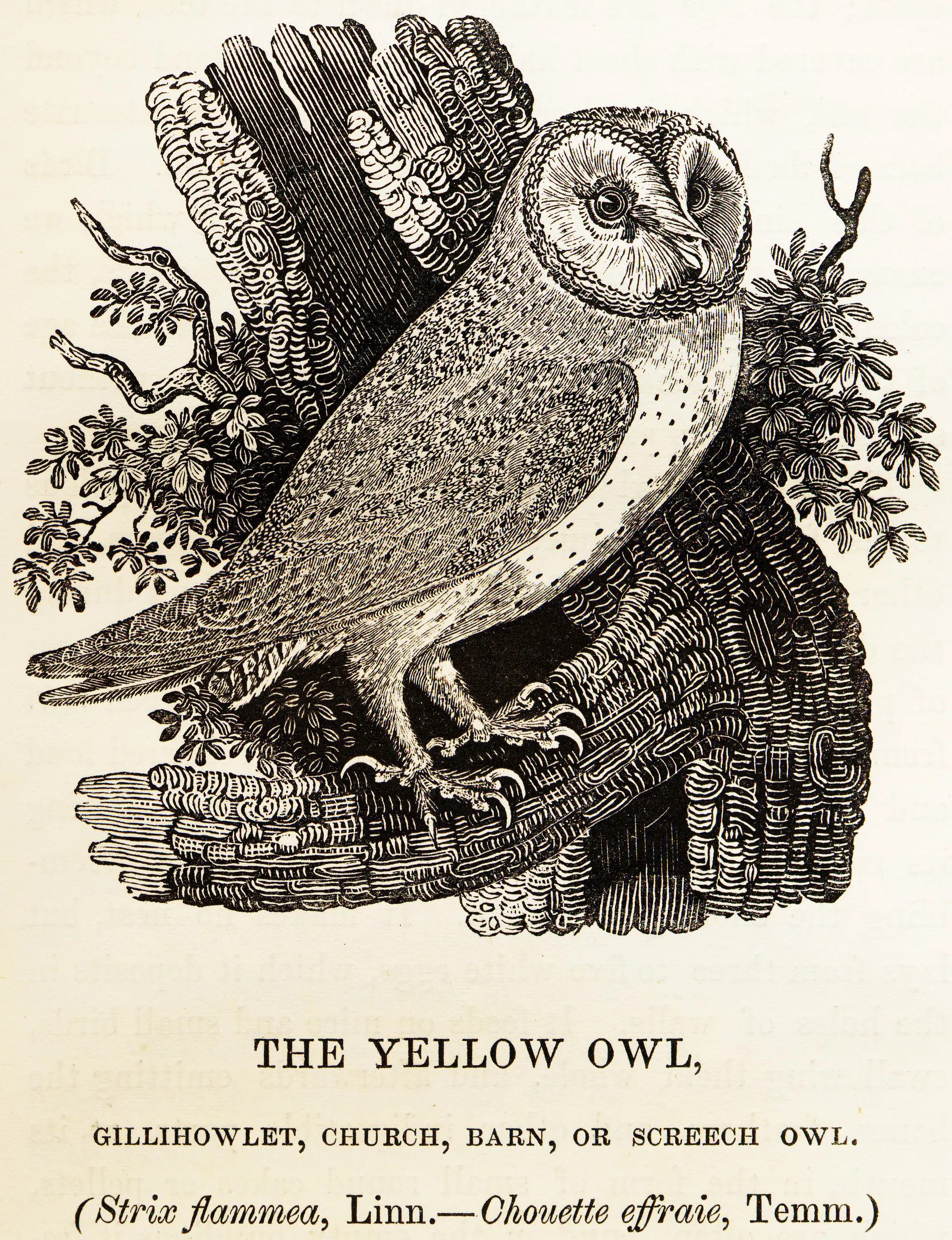
Start with what the Bible actually says, which is very little. The only possible biblical mention is a single Hebrew word, lilit, in Isaiah 34:14 — buried in an oracle describing Edom reduced to a haunted wasteland. The verse is a desolate-place bestiary: wild goats, jackals, owls, and one creature the translators cannot agree on. The KJV renders it 'screech owl'; the ESV, 'night bird'; some modern versions transliterate it as the name 'Lilith.' The context is ruin and wild animals, not a demonology — most translators hear a night bird haunting the rubble, not a demon-queen.
The developed Lilith — Adam's rebellious first wife, a seductress and child-stealing night-demon — comes not from Scripture but from Mesopotamian lilitu spirits and later Jewish FOLKLORE, most famously the medieval Alphabet of Ben Sira, a satirical and frankly non-authoritative text that no tradition received as doctrine. This must be said plainly, in keeping with Theologos's rule on extra-biblical sources: Lilith is post-biblical legend and folklore. She is not Scripture, she is not a teaching of the Church, and she is not an article of the faith. Treating her as 'the hidden truth the Bible suppressed' inverts the actual history.
So why include her at all? Precisely to refuse the sensationalism. Modern occult and pop-culture revivals have made 'Lilith' a fashionable symbol, and Christians regularly meet the name and assume it is biblical. The honest answer is calm and clarifying: the Bible has one adversary, and he is already defeated. Folklore dressed up as suppressed doctrine deserves neither fear nor fascination — only accurate, unanxious correction. The night holds no demon-queen the Christian must dread.
The Christian need not fear the night-demons of folklore: 'you will not fear the terror of the night' (Psalm 91:5), for the Lord who keeps his people neither slumbers nor sleeps (Psalm 121:4).