Calendar
The Christian liturgical year and the Jewish festal calendar, side by side. Where a Christian feast fulfills a Jewish one — Pascha and Pesach, Pentecost and Shavuot — the connection is drawn explicitly. Both traditions, one God, one unfolding history.
Christian Feasts
8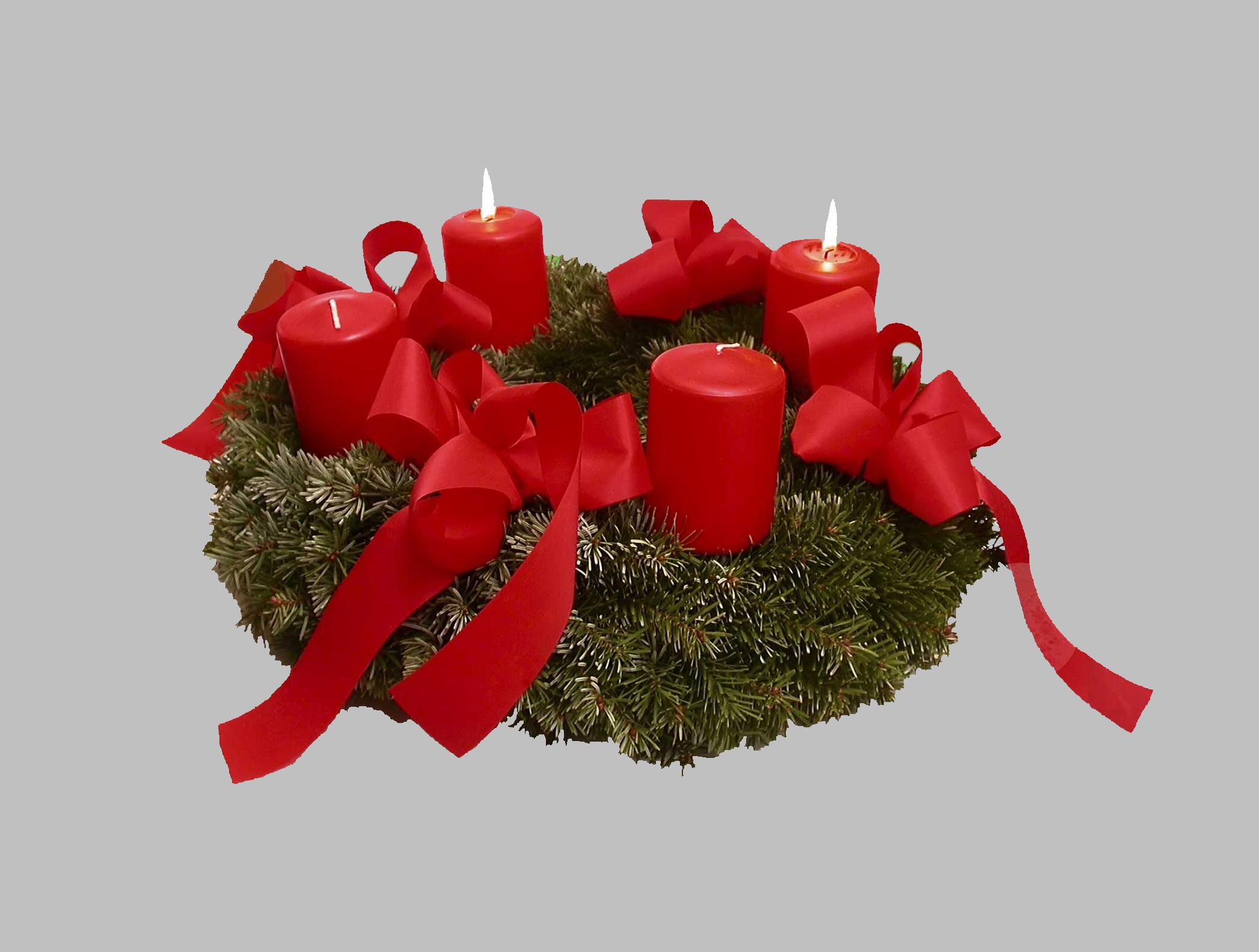 Advent
Advent
Adventus Domini
Four weeks of preparation for the Nativity. Born in fourth-century Gaul and Spain as a pre-Christmas fast, fixed at four Sundays by Gregory the Great, and structurally aimed at both the historical and eschatological coming of Christ.
 Christmastide
Christmas
Nativitas Domini
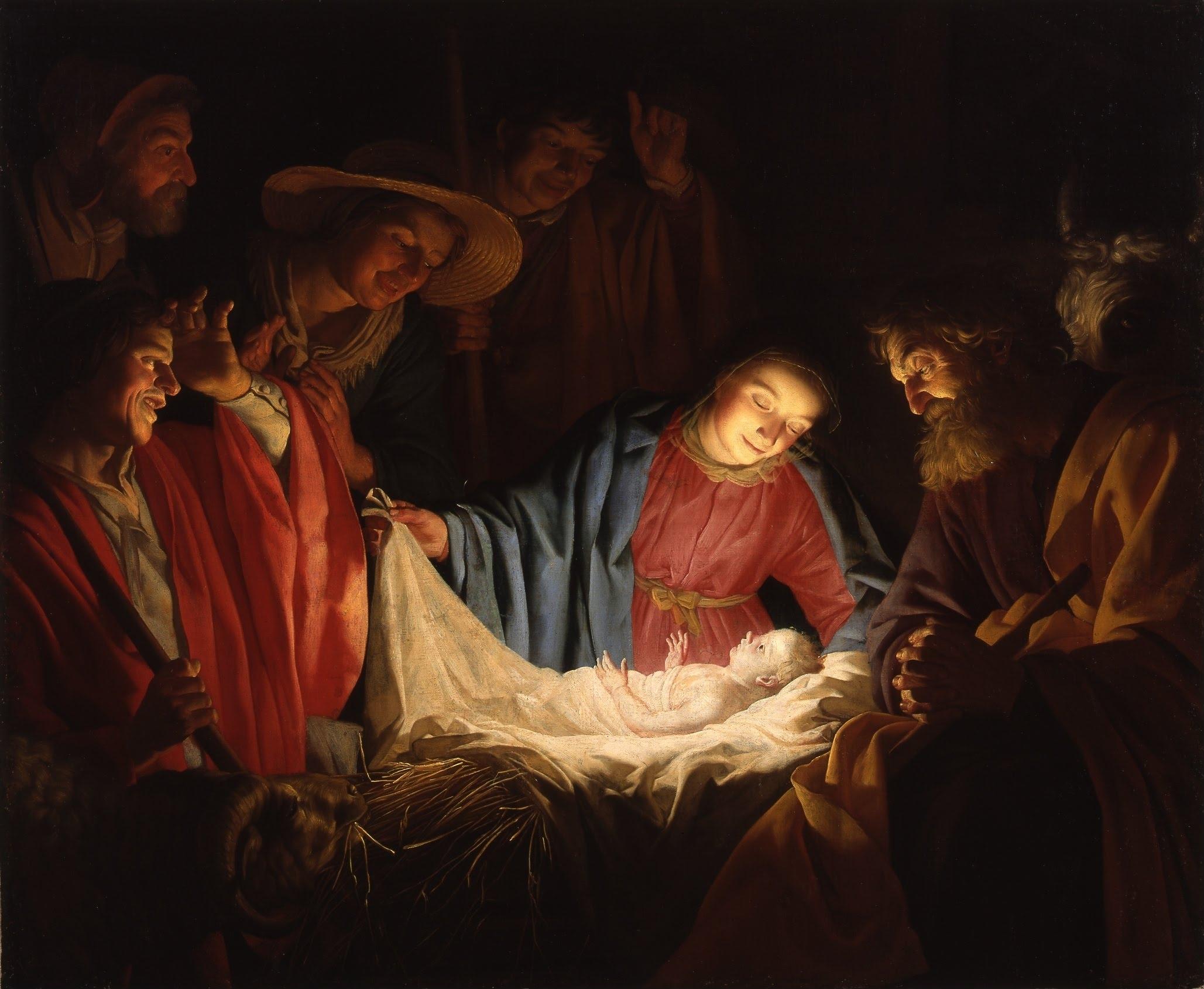
The celebration of the Incarnation. December 25 in the West and most of the East, January 7 in the Julian-calendar Orthodox churches. Earliest attestation in the Roman Chronograph of 354, with theological calculations a century earlier.
 Epiphany
Epiphany
Theophania (Greek) / Epiphania (Latin)
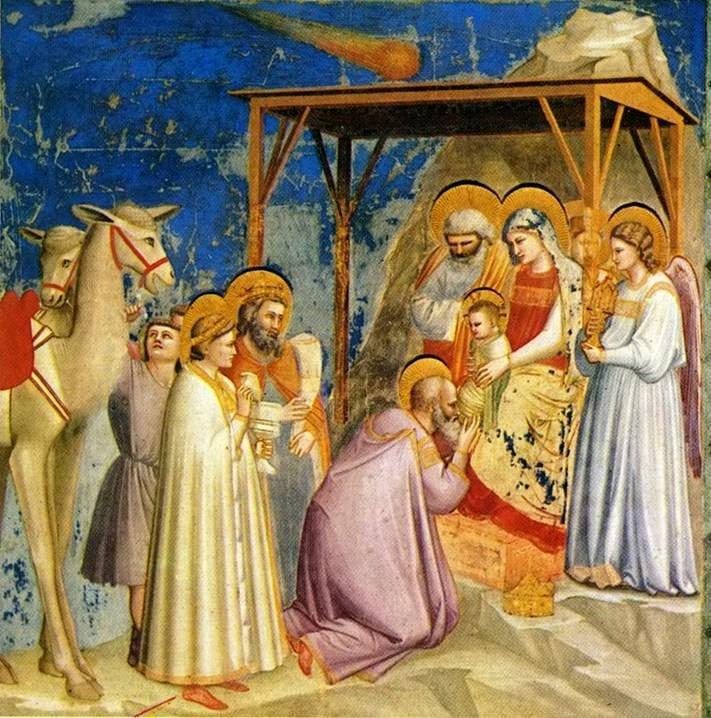
January 6 — the older twin of Christmas. The Magi in the West, the Baptism of Christ in the Jordan in the East. The Theophany when the Trinity is revealed and the world's waters are sanctified.
 Lent
LentLent
Quadragesima (Latin) / Tessarakoste (Greek)
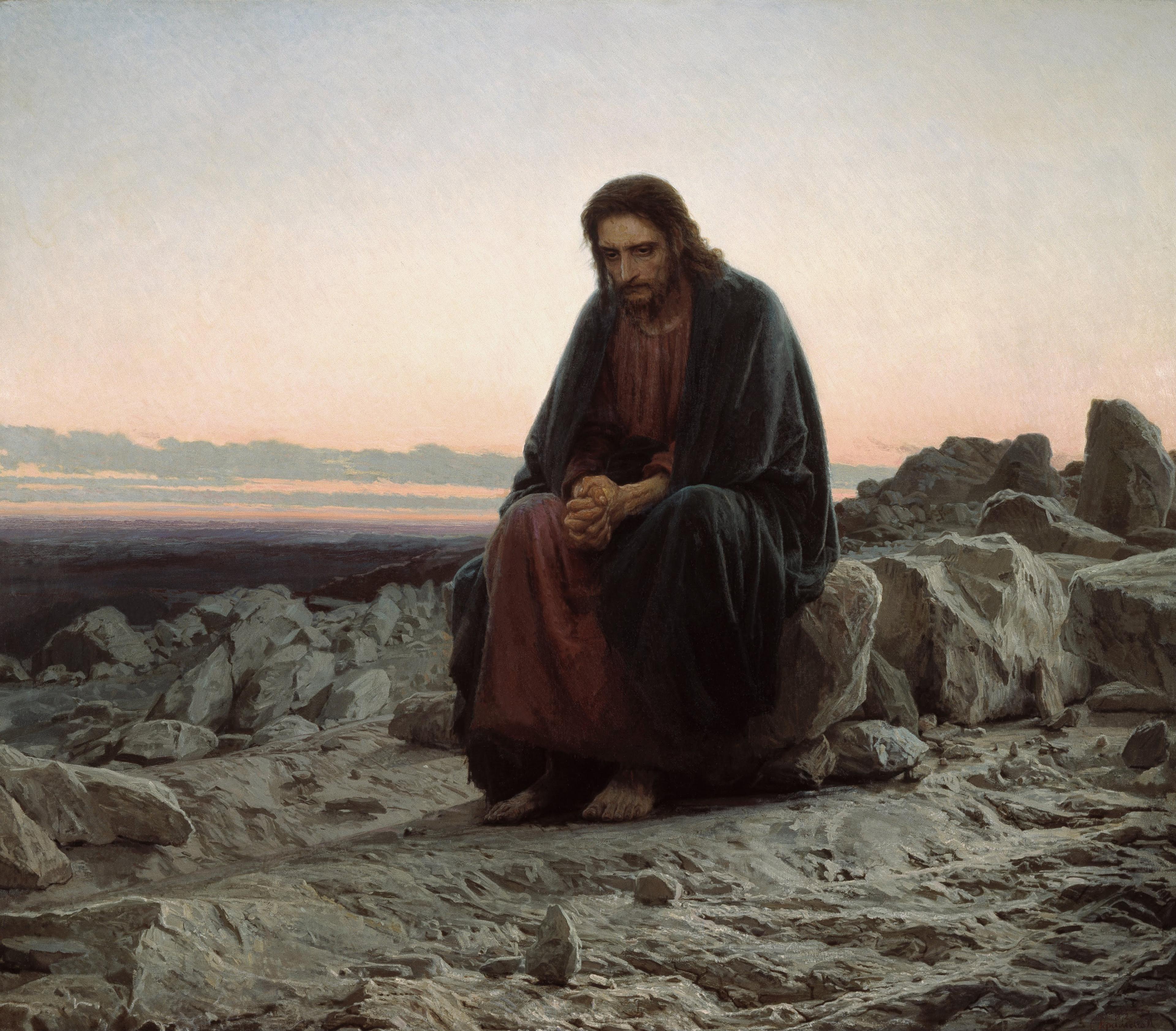
Forty days of fasting, prayer, and almsgiving in preparation for Easter. Pre-Nicene in origin, fixed in shape by the early fourth century, structured on Christ's forty days in the wilderness and the catechumenal preparation for baptism at the Easter Vigil.
 Holy Week
Holy Week
Hebdomas Sancta (Latin) / Megale Hebdomas (Greek — the Great Week)
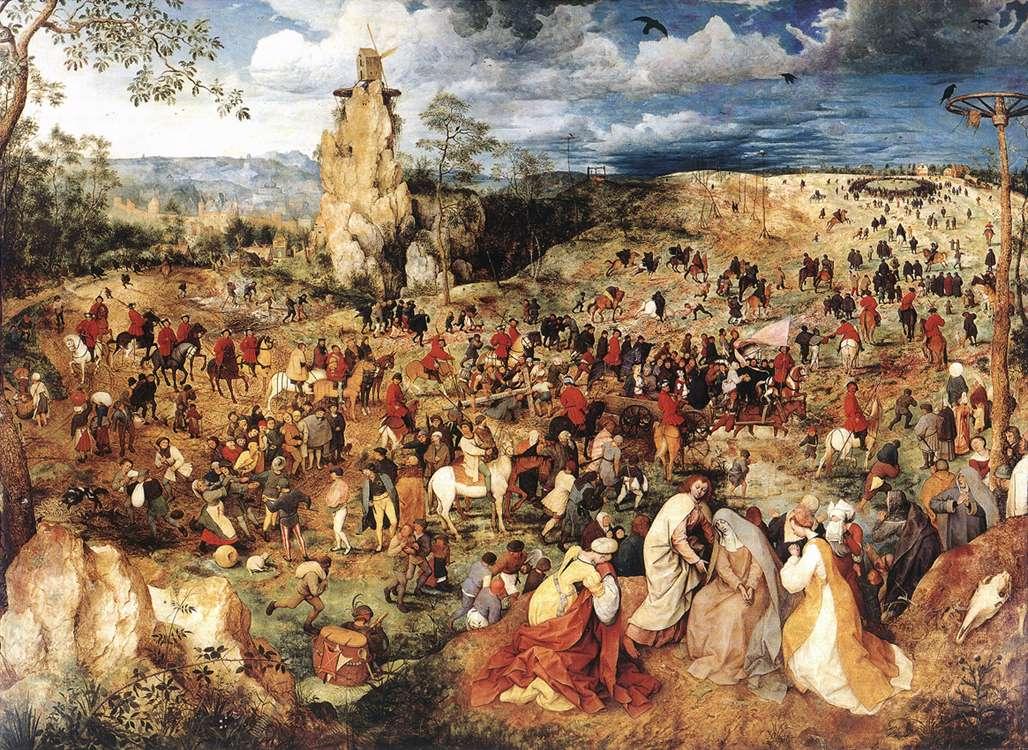
The Great Week. From Palm Sunday's procession to Holy Saturday's silence and the Easter Vigil's new fire — the year's dramatic and liturgical center. The whole shape preserved in Egeria's fourth-century Jerusalem diary.
 Eastertide
Easter
Pascha (Greek and Latin)
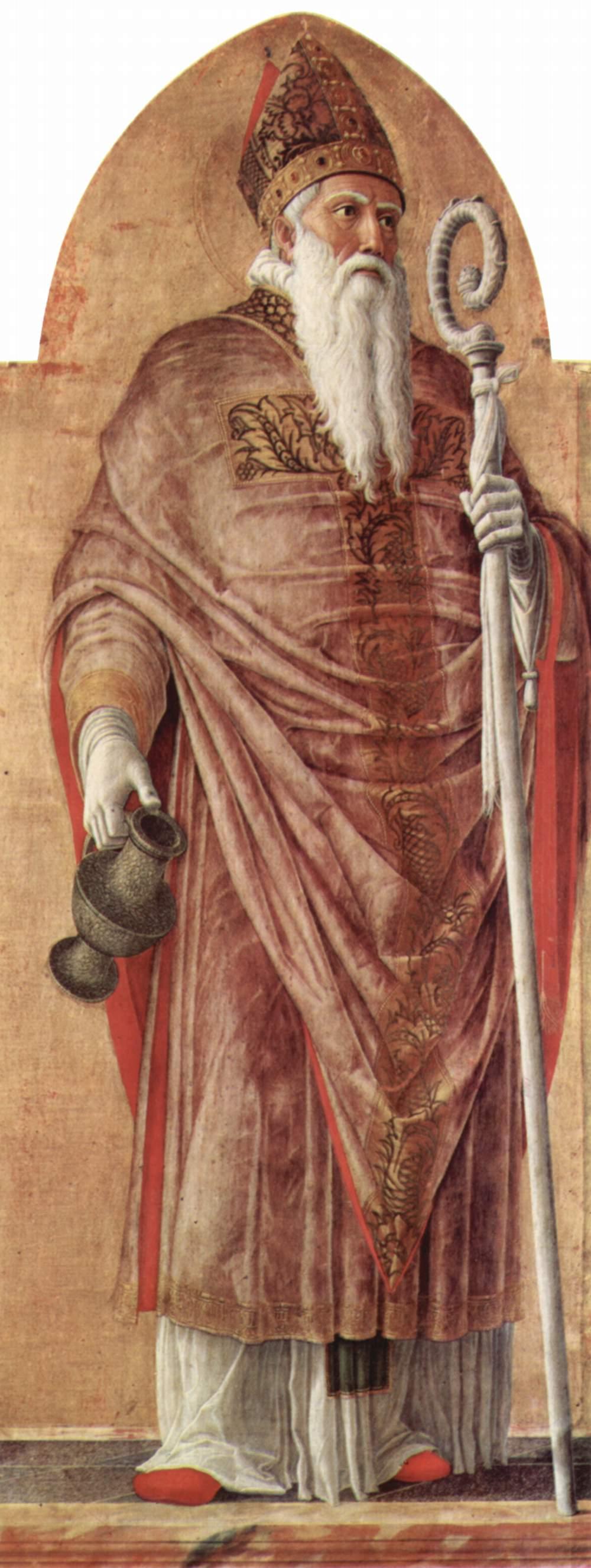
Pascha — the Christian Passover, the feast of the Resurrection. The center of the Christian year, dated by the Council of Nicaea (325) to the first Sunday after the first full moon after the spring equinox. The fulfillment of Exodus 12 in 1 Corinthians 5:7.
 Pentecost
Pentecost
Pentecoste (Greek — "the fiftieth [day]")
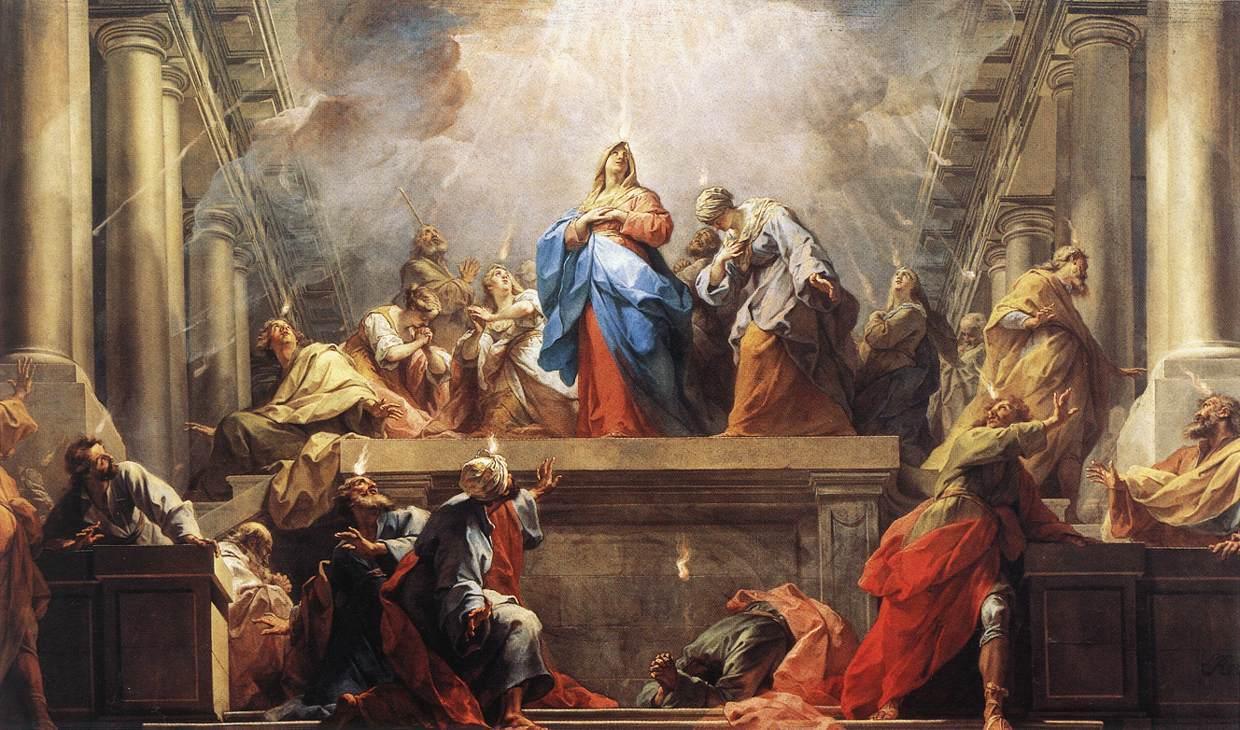
Fifty days after Pascha — the descent of the Spirit, the birth of the church, the fulfillment of Shavuot. Fire on Sinai becomes fire on the apostles; the Torah given to Israel becomes the Spirit poured out on all flesh.
 Ordinary Time
All Saints' Day
Festum Omnium Sanctorum (Latin) / Kyriake ton Hagion Panton (Greek)
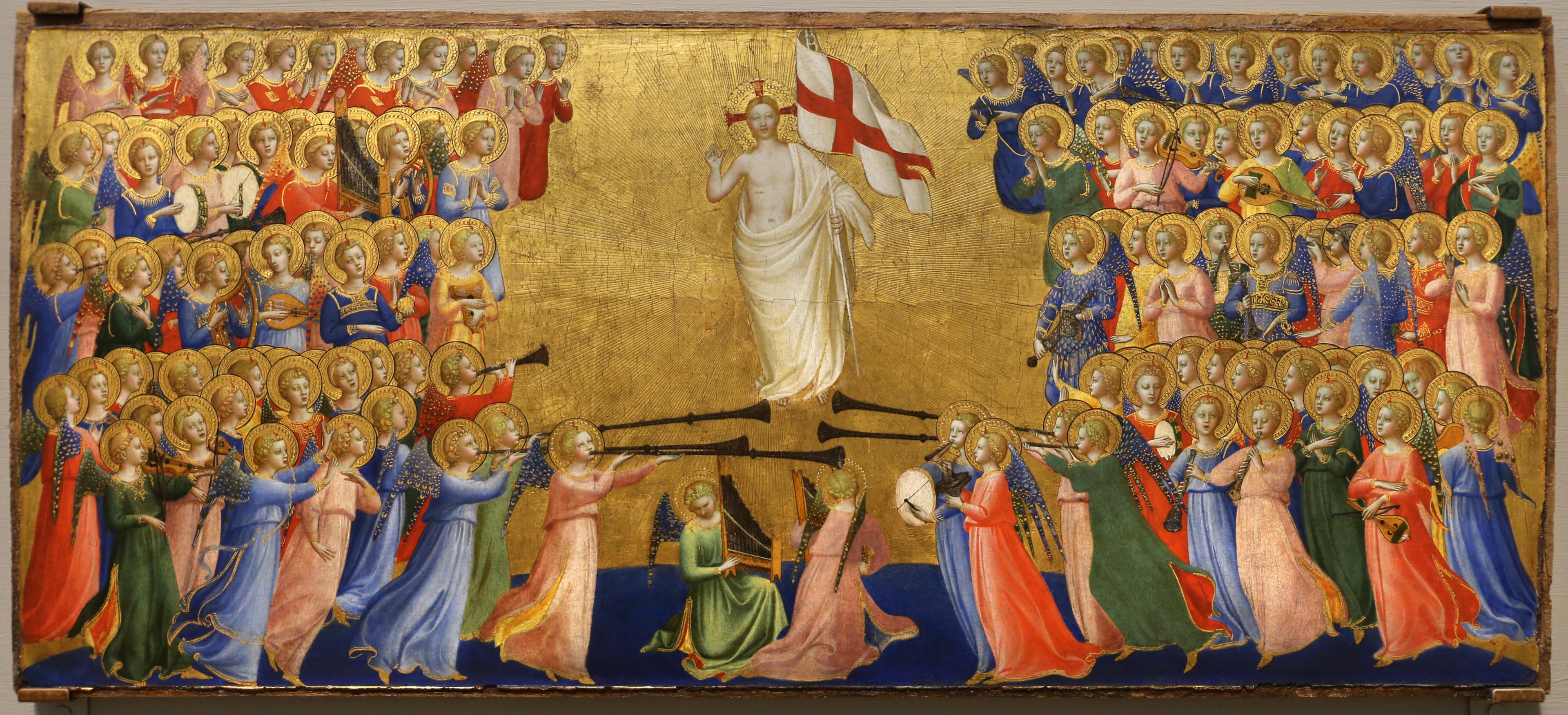
November 1 in the West, the Sunday after Pentecost in the East. The feast of the whole communion of saints — apostles, martyrs, confessors, and the great cloud of unnamed faithful. The harvest of Pentecost across two millennia.
Jewish Feasts
5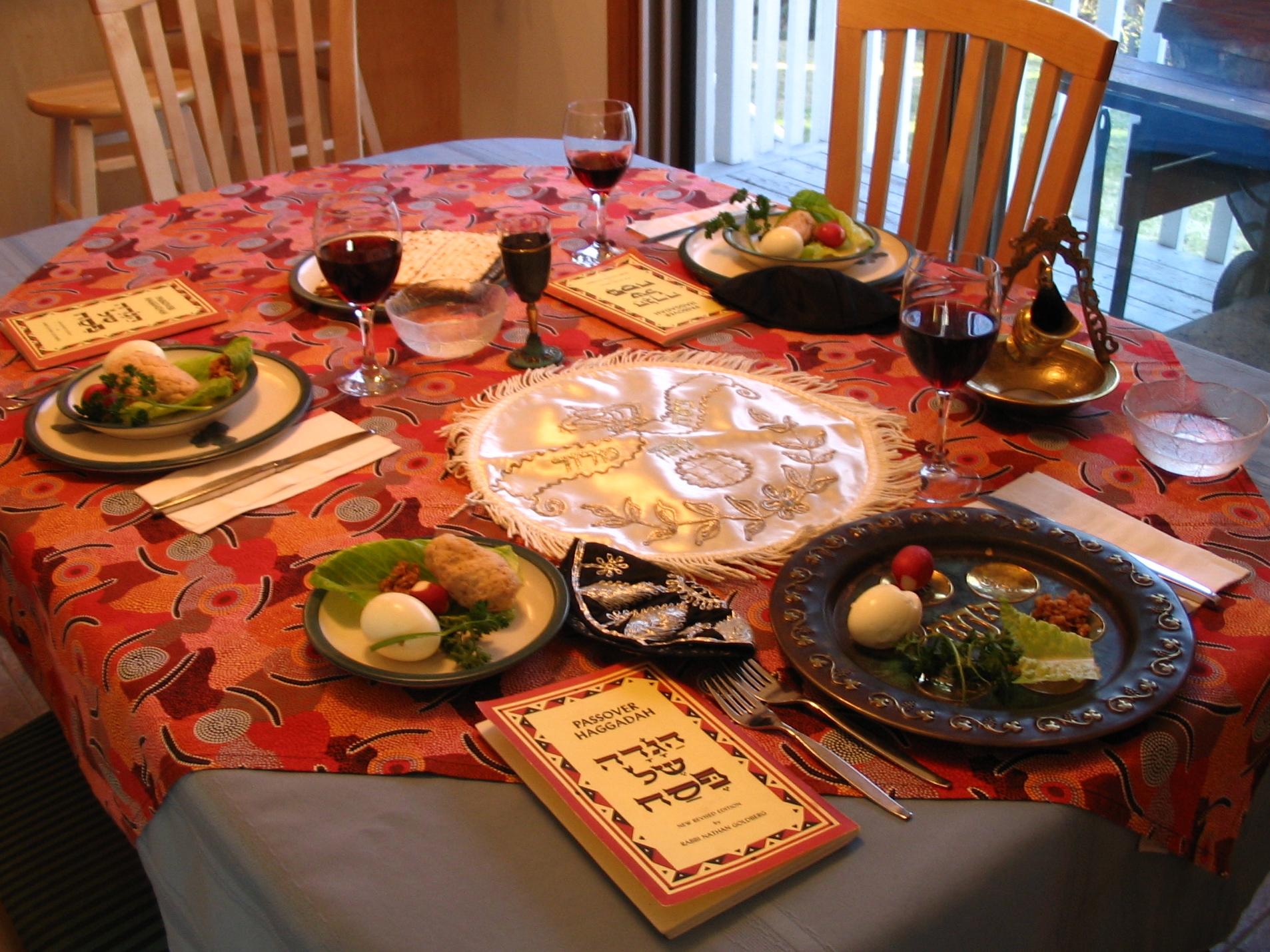 Jewish Year
Passover
Pesach (פֶּסַח)
Pesach — the foundational feast of the Jewish year, commemorating the Exodus from Egypt. The lamb whose blood spared Israel from the death of the firstborn, the matzah of haste, the Seder that re-enacts the redemption each spring.
 Jewish Year
Shavuot
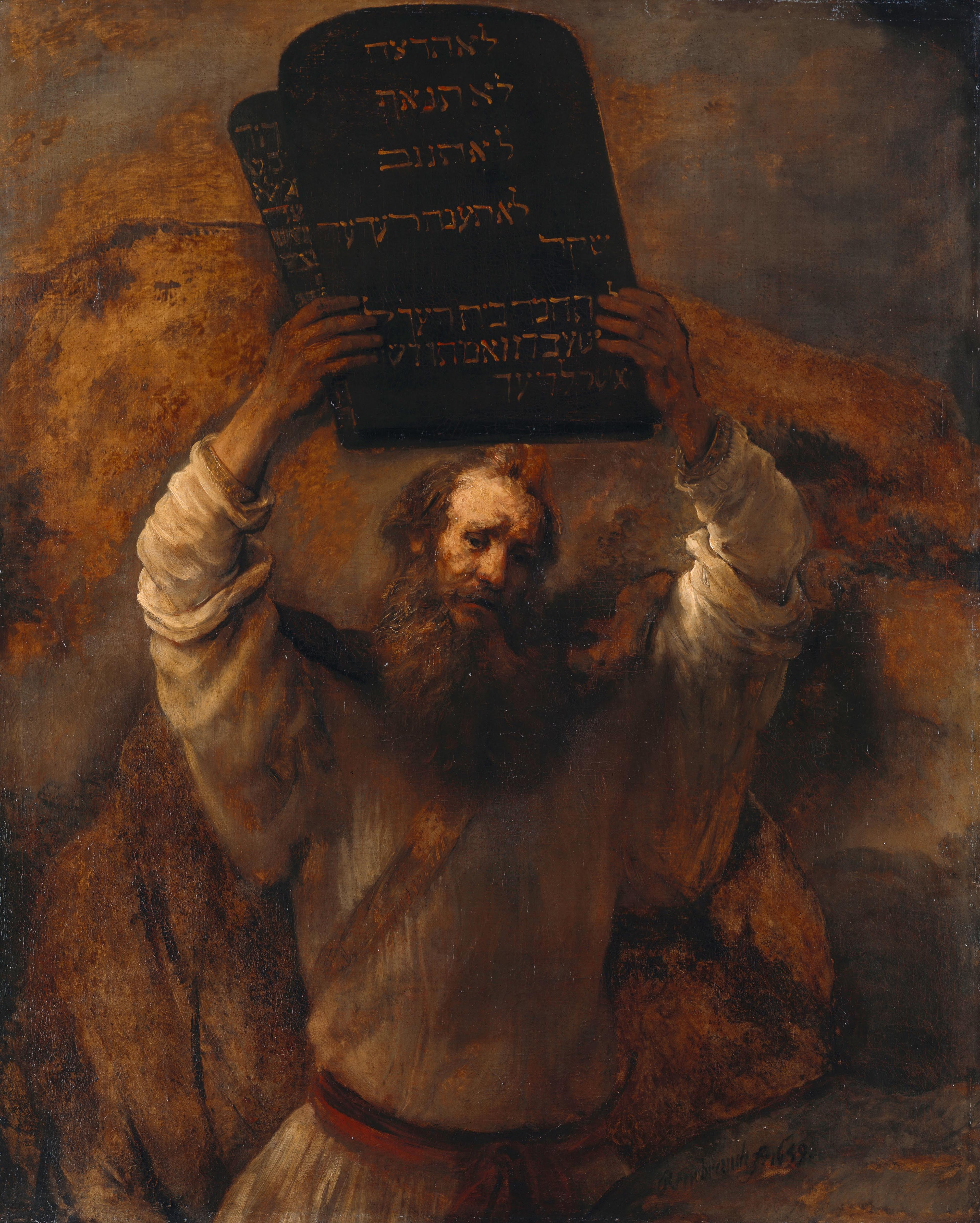
Shavuot (שָׁבוּעוֹת — "Weeks")
Shavuot — "Weeks" — the Jewish feast of harvest, firstfruits, and (in rabbinic interpretation) the giving of the Torah at Sinai. Fifty days after Passover. The all-night Torah study of Tikkun Leil Shavuot, the reading of Ruth, and the agricultural offering that became, after 70 CE, a feast of revelation.
 Jewish Year
Yom Kippur
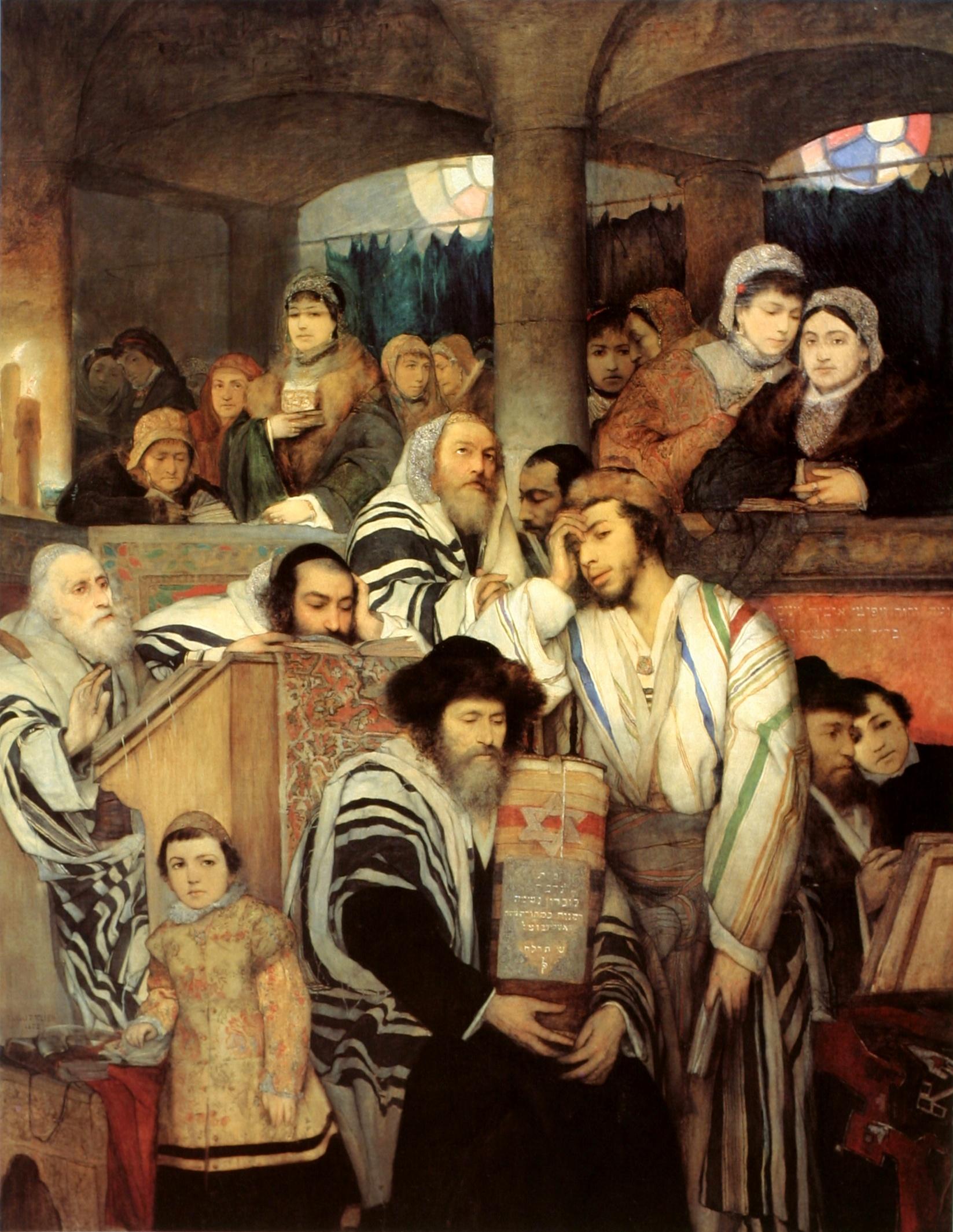
Yom Kippur (יוֹם כִּפּוּר — "Day of Atonement")
The Day of Atonement — the holiest day of the Jewish year. The fast, the five services, the Avodah re-enactment of the Temple high priest's entry into the Holy of Holies, and the long shofar blast at the close of Ne'ilah. The day Hebrews 9–10 reads as the type of Christ's sacrifice.
 Jewish Year
Sukkot
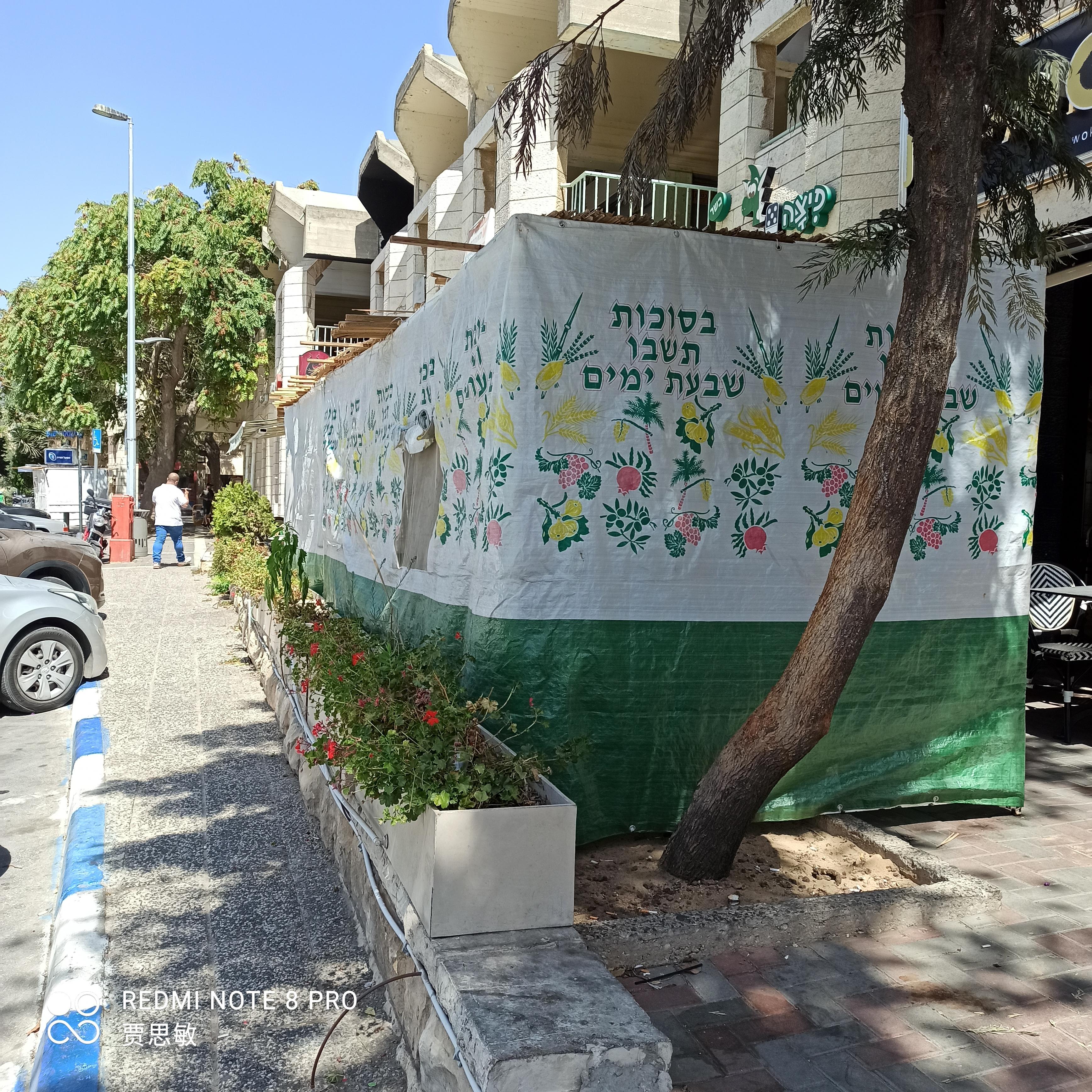
Sukkot (סֻכּוֹת — "Booths" / "Tabernacles")
Sukkot — the Feast of Booths. Seven days of dwelling in temporary huts at the harvest's end, the waving of the four species, the great water-drawing ceremony at the Temple, and the eschatological hope that in the messianic age all the nations will come up to Jerusalem to keep the feast (Zechariah 14).
 Jewish Year
Hanukkah
Hanukkah (חֲנֻכָּה — "Dedication")
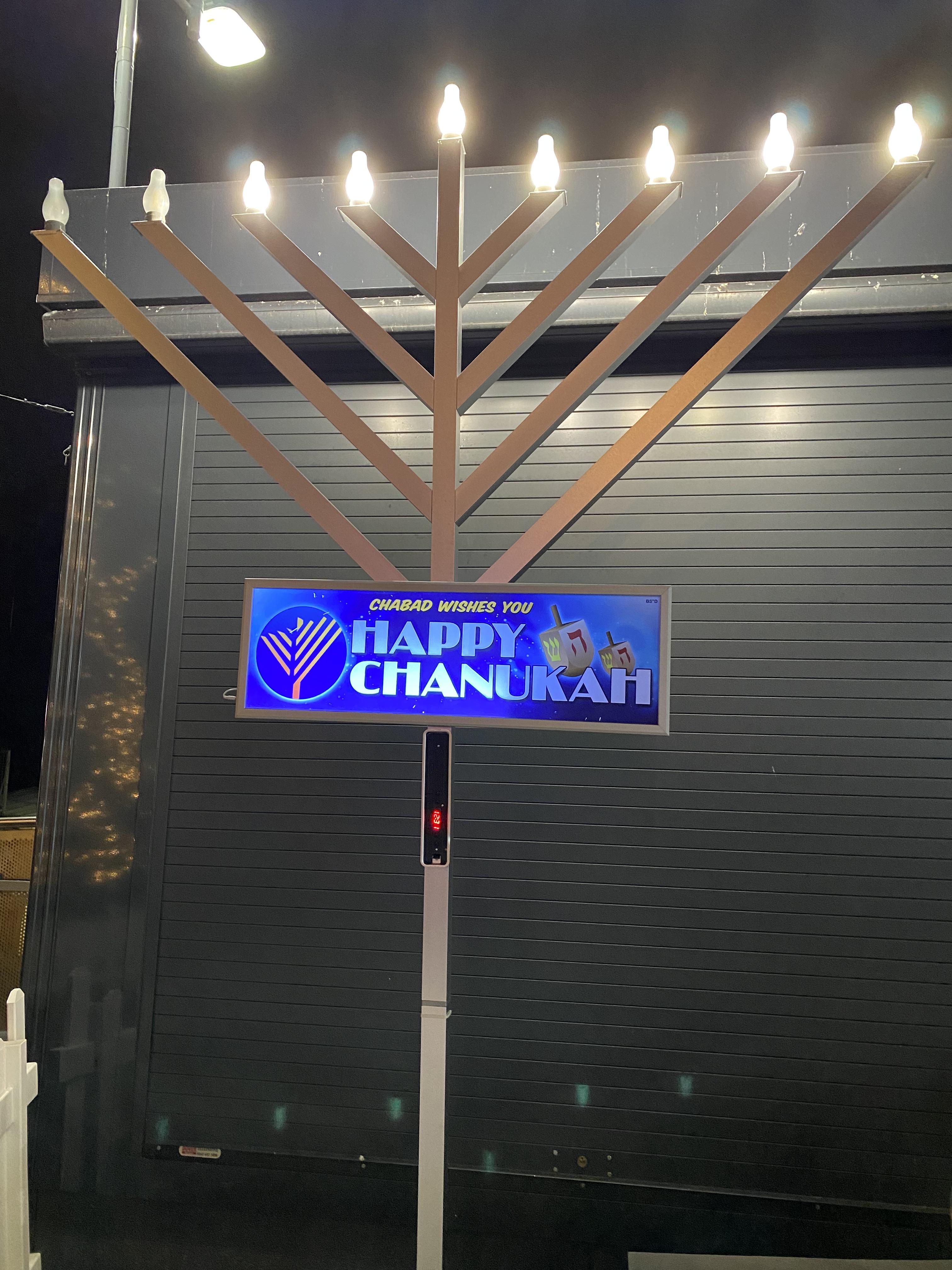
Hanukkah — eight days of dedication beginning 25 Kislev. The Maccabean cleansing of the Temple in 164 BCE, the rabbinic miracle of the cruse of oil that burned eight days, and the feast at which John 10 sets Jesus's claim "I and the Father are one."