Denominations
The major branches of historic Christianity, presented descriptively. What each tradition teaches, where it came from, what its key documents and figures are — without polemic. Use the navigation below to walk the wider reference hub.
Twenty Centuries, One Body
How the Christian Church divided, reformed, and renewed itself across twenty centuries.
Apostolic
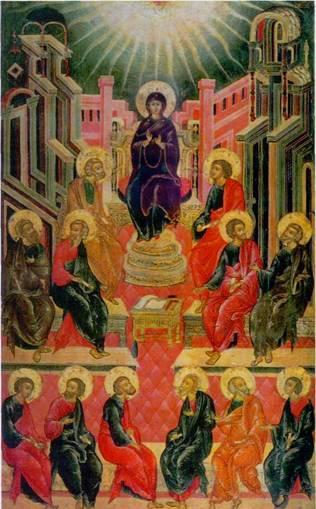
1st century- 33 ADThe ChurchPentecost — Jerusalem
Imperial
2nd–5th centuries- 1st–11th c.Eastern ChurchConstantinople, Antioch, Alexandria, Jerusalem
- 1st–11th c.Western ChurchRome and the Latin West
- 451Oriental OrthodoxyCouncil of Chalcedon — Coptic, Ethiopian, Armenian, Syriac, Indian
Medieval
6th–15th centuriesReformation
16th–17th centuriesRevival
17th–19th centuriesModern
20th–21st centuries
Eastern Christianity
2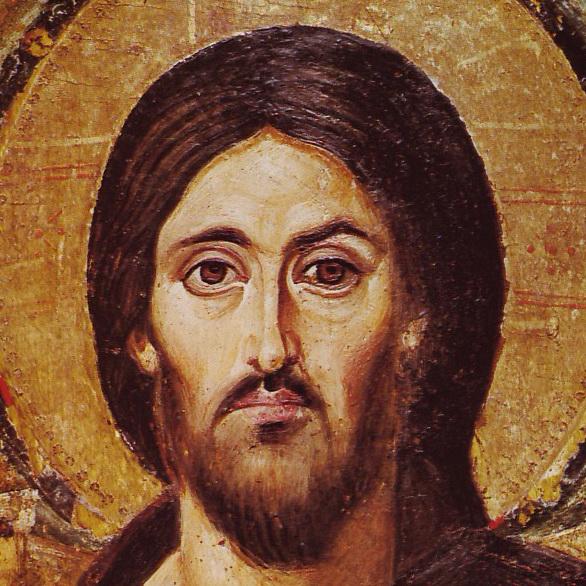 ~220 million
Eastern Orthodoxy
The Church of the Seven Councils
The Eastern half of the historic Catholic church — the church of the seven councils, the Greek Fathers, and the icons. Salvation conceived as theosis: real participation in the divine life.
 ~60 million (Coptic, Ethiopian, Eritrean, Armenian, Syriac, Malankara combined)
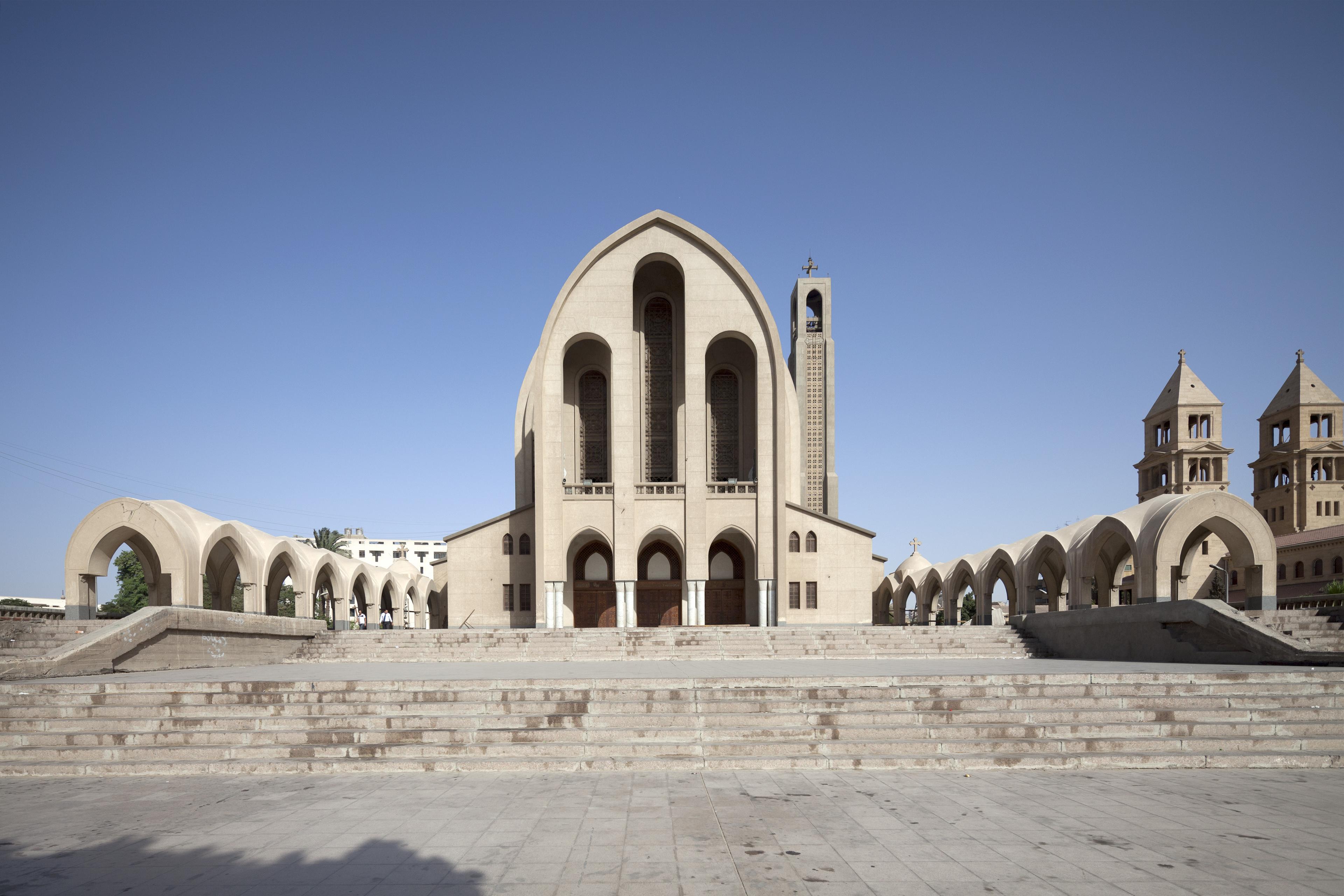
Oriental Orthodoxy
The Non-Chalcedonian Churches
The six ancient churches that rejected the Council of Chalcedon in 451 — Coptic, Ethiopian, Eritrean, Armenian, Syriac, and Malankara. Heirs of Cyril of Alexandria, the desert monastic tradition, and the oldest continuous Christian liturgies in the world.
Western Catholic
2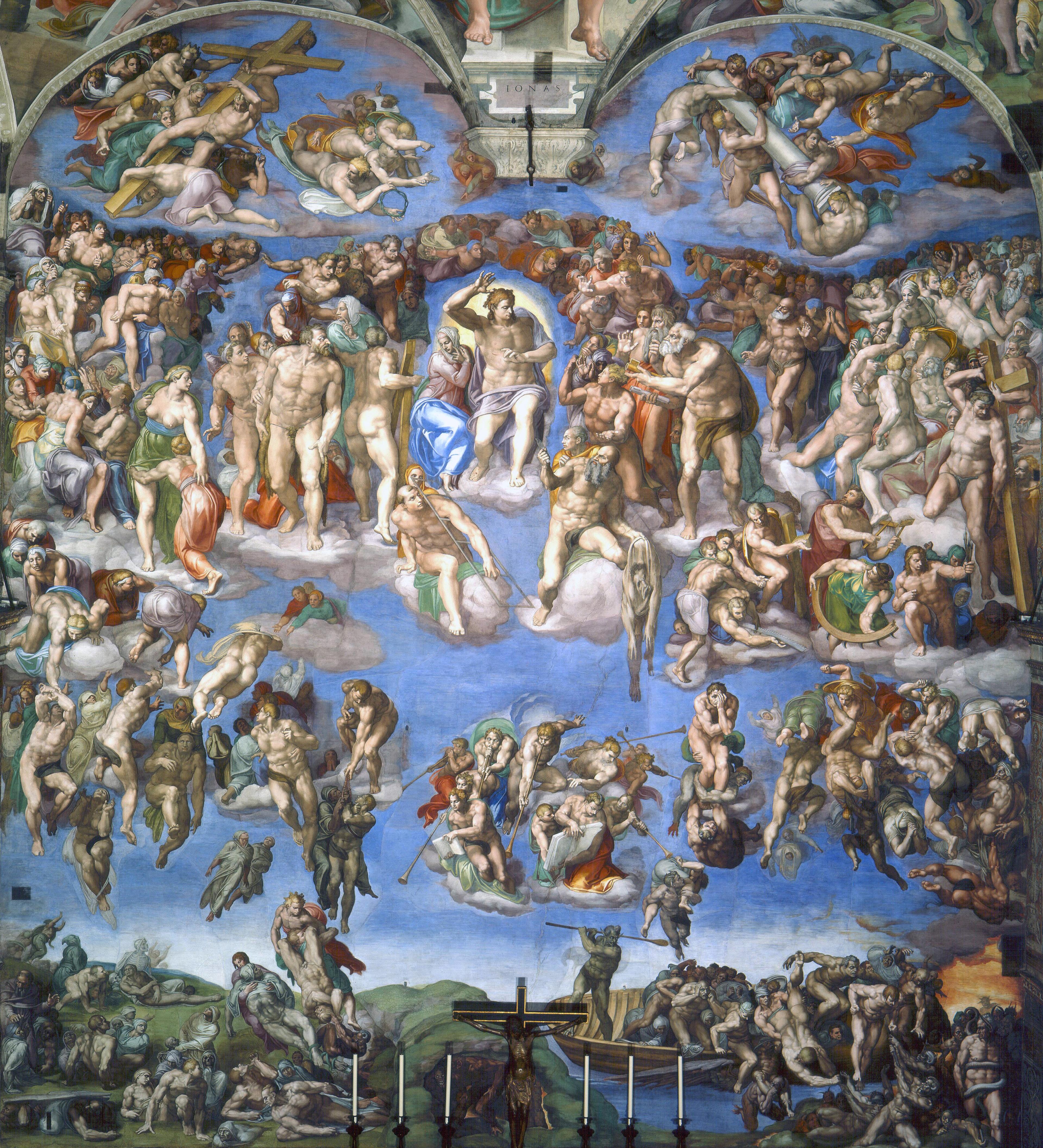 ~1.4 billion (largest Christian body)
Roman Catholicism
The Church of Rome
The largest Christian body in the world. The bishop of Rome as visible head, seven sacraments, the magisterium, Scripture-and-Tradition, and a continuous institutional life from the apostles to today.
 ~18 million across 23 sui iuris churches
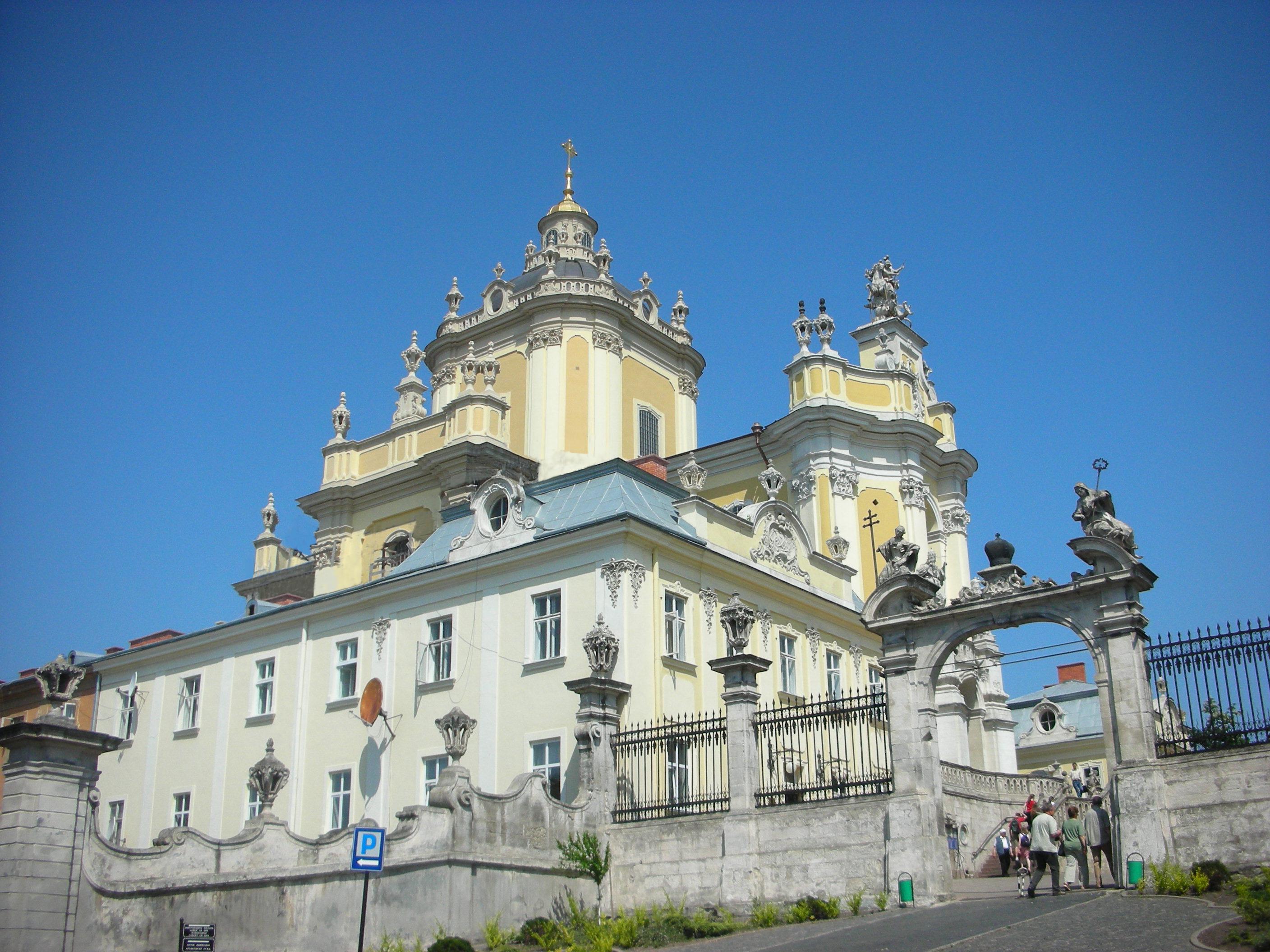
Eastern Catholic Churches
Catholic in Communion, Eastern in Rite
Twenty-three particular churches in full communion with Rome that preserve the liturgy, theology, and discipline of the Christian East. The Maronites, Ukrainian Greek Catholics, Melkites, Chaldeans, Syro-Malabar, and others — Catholic in faith, Eastern in everything else.
Magisterial Reformation
3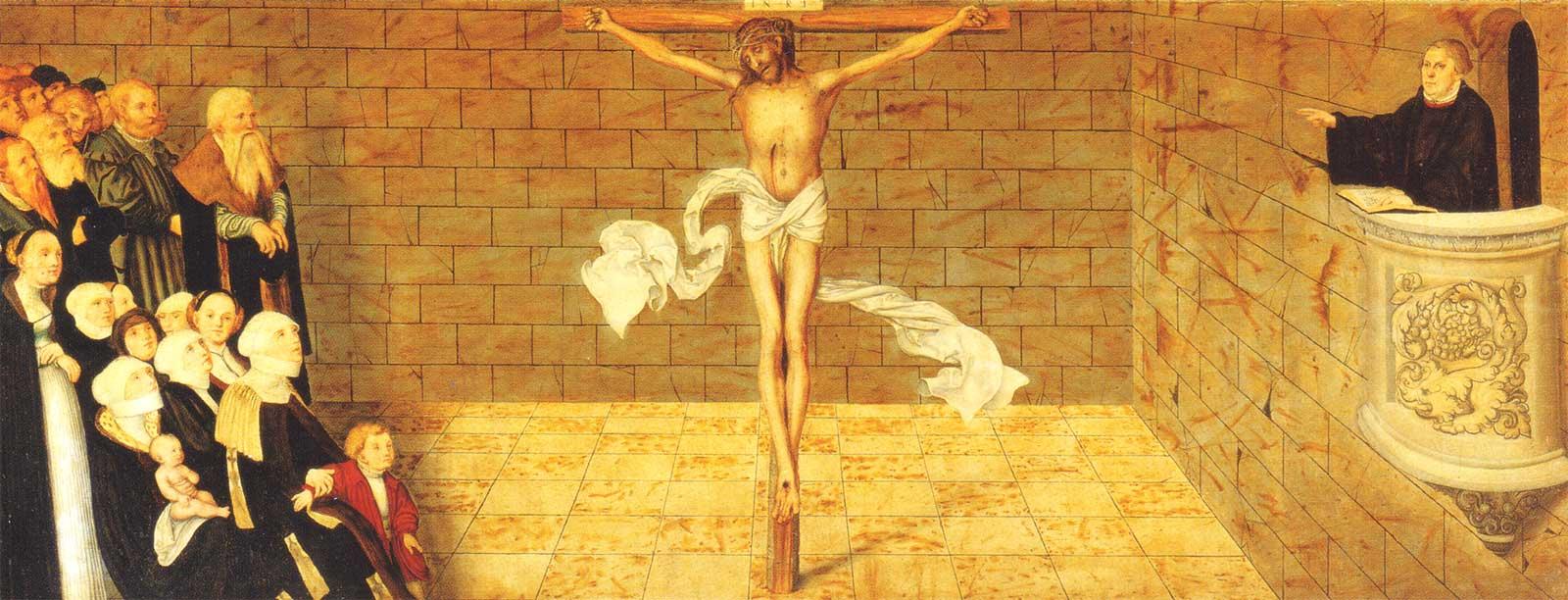 ~70–80 million
Lutheranism
Justification by Faith Alone
The first wave of the Reformation, anchored in Luther's doctrine of justification by faith alone. Confessional Lutheranism centers on the Book of Concord, the bodily presence in the Lord's Supper, and the Law-Gospel hermeneutic.
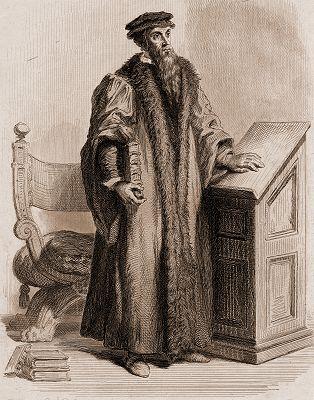 ~80 million (across Presbyterian, Continental Reformed, and related bodies)
Reformed Christianity
The Sovereignty of God
The systematic wing of the Reformation. Calvin's sovereignty of God in salvation, presbyterian church order, the regulative principle of worship, and a comprehensive vision of Christ over every sphere of life.
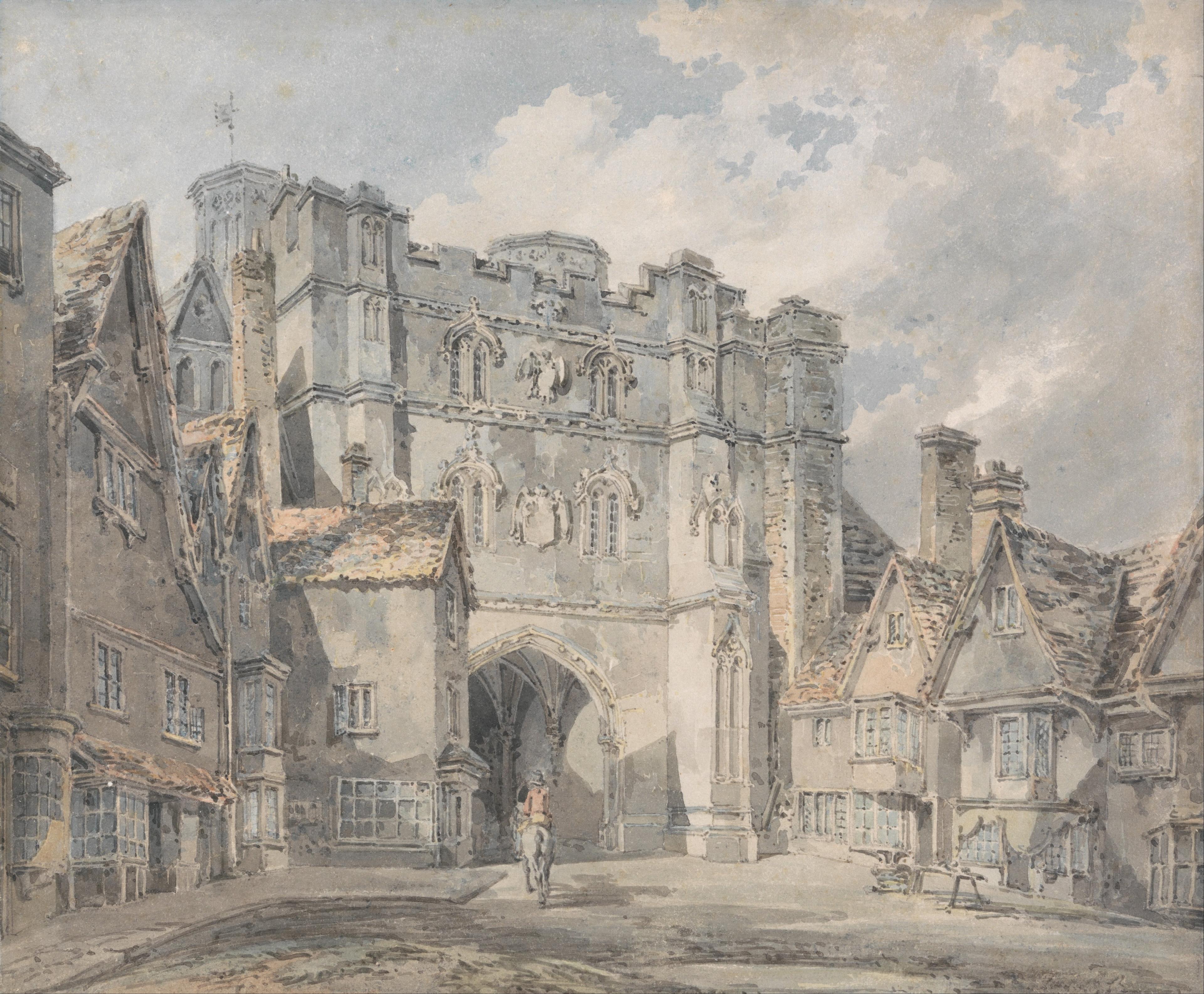 ~85 million (across the global Anglican Communion)
Anglicanism
The Via Media
The English Reformation. Episcopal order, the Book of Common Prayer, the Thirty-Nine Articles, and Richard Hooker's via media — Catholic in order, Reformed in doctrine, comprehensive in spirit.
Free Church / Revival
8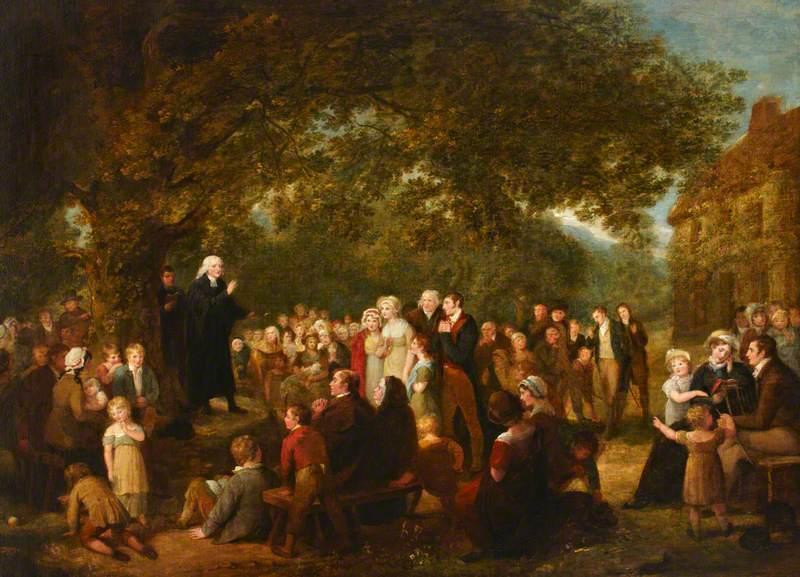 ~80 million (Methodist and Wesleyan-Holiness bodies globally)
Methodism
The Holiness Awakening
The 18th-century Anglican revival that became its own world tradition. Wesley's class meetings, Christian perfection, Arminian grace, and the small-group discipline that made revival sustainable.
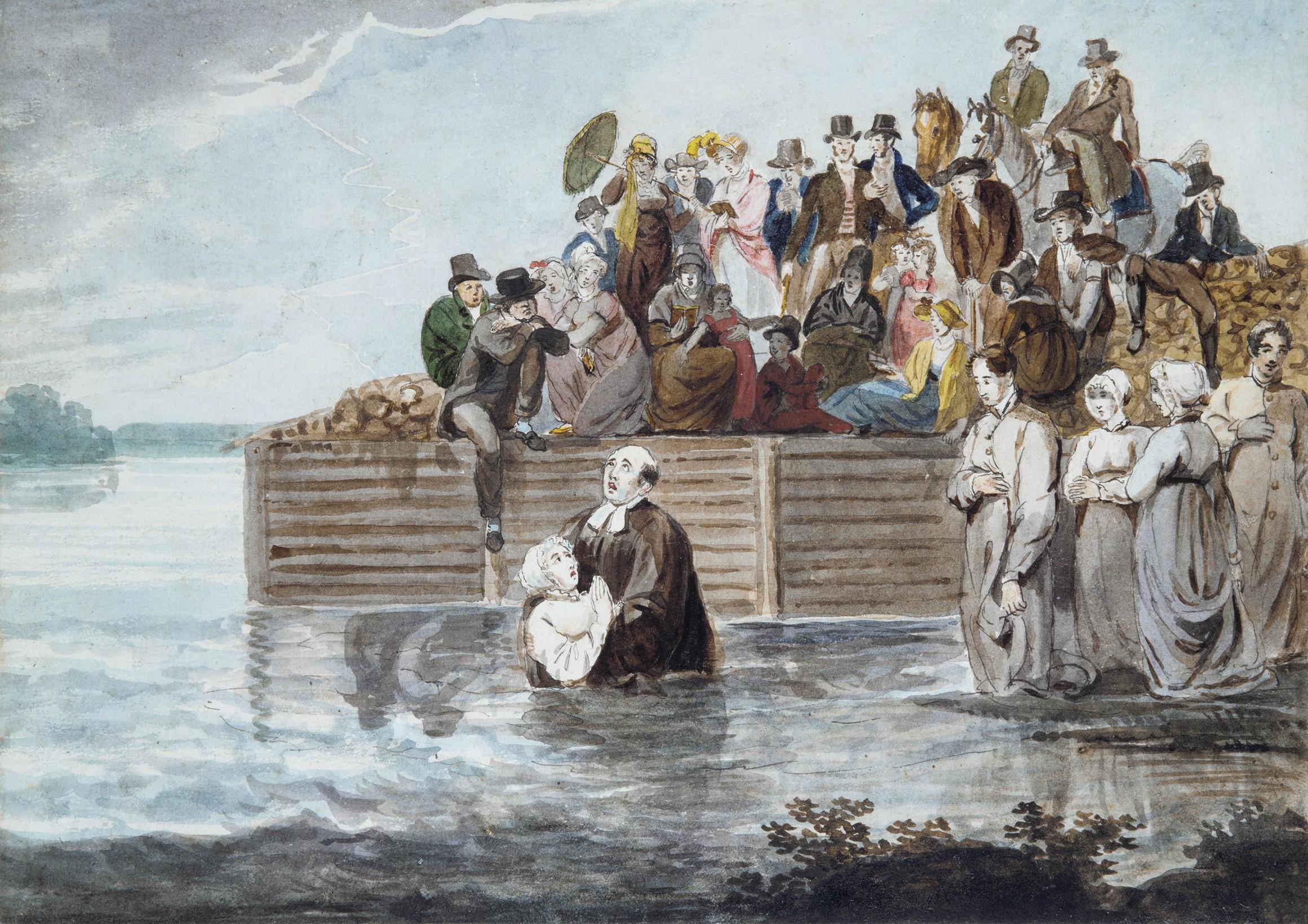 ~110 million globally
Baptists
Believer's Baptism by Immersion
The believer's-baptism tradition. Adult immersion, congregational autonomy, religious liberty, and a robust emphasis on the personal accountability of every believer directly to God.
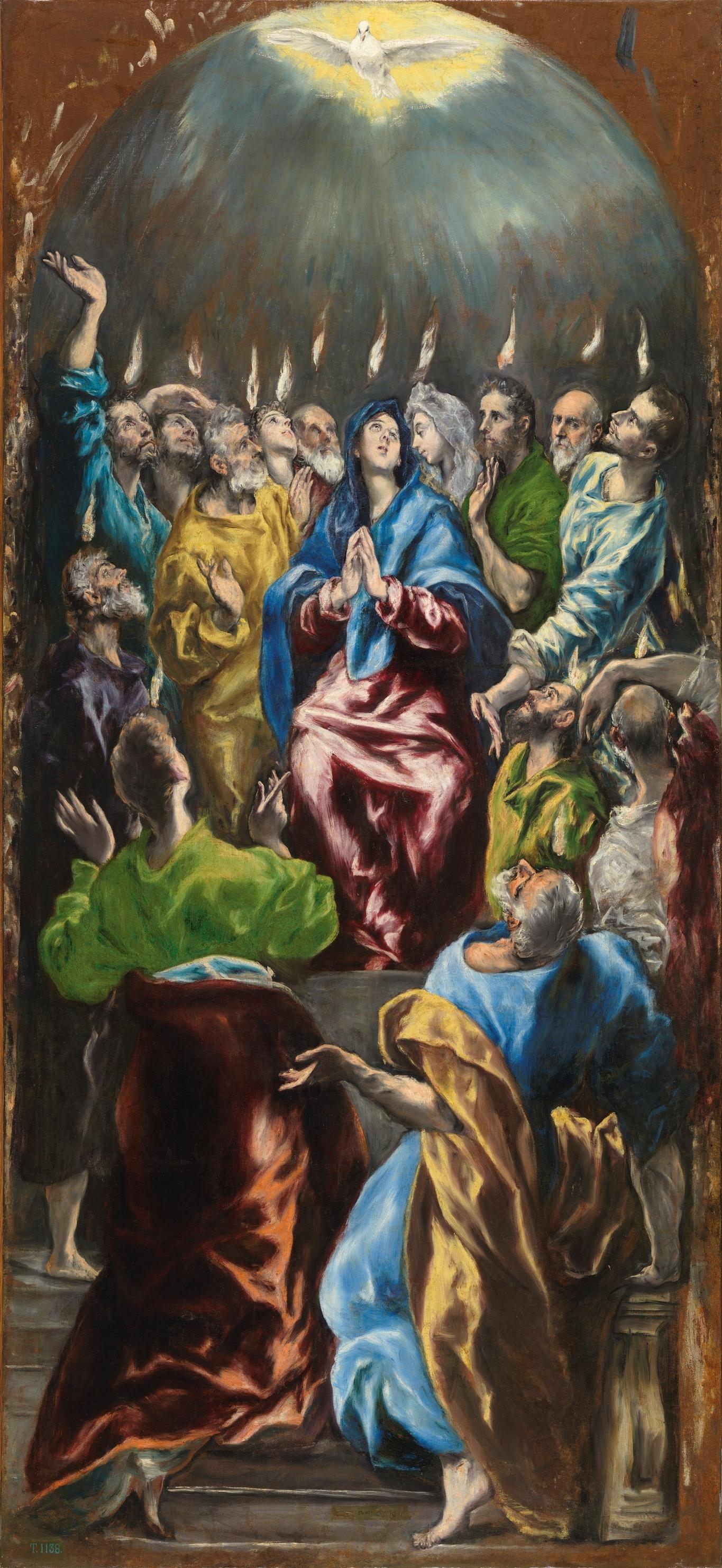 ~280 million Pentecostal / ~640 million if charismatic Christianity is included
Pentecostalism
Baptism in the Holy Spirit
The 20th century's fastest-growing Christian movement. Born at Azusa Street in 1906 from the Holiness tradition, marked by baptism in the Spirit, tongues, divine healing, and a posture of expectant openness to God's immediate work.
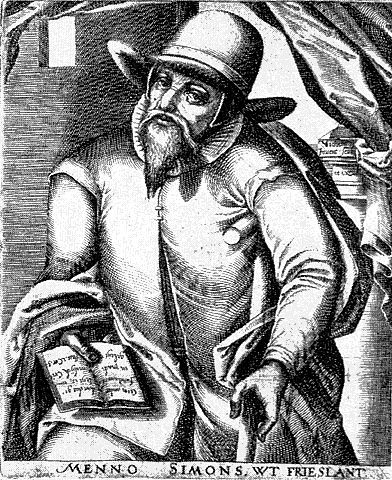 ~2.1 million (Mennonite, Amish, Hutterite, Brethren in Christ, Bruderhof, related bodies)
Anabaptist Tradition
The Radical Reformation
The Radical Reformation. Where Luther reformed the church, Zwingli the city, and Calvin the polity, the Anabaptists left the state church entirely — believer's baptism, pacifism, refusal of oaths, and a sustained witness of mutual aid and simplicity that has endured five centuries.
 ~150–250 million worldwide (Pew Research, "Spirit and Power," 2006; revised World Christian Encyclopedia figures)
Charismatic Renewal
Pentecost Within the Historic Churches
Pentecostal experience without leaving home. From 1960 onward — beginning with an Episcopal priest's announcement in Van Nuys — the baptism of the Spirit, tongues, prophecy, and healing crossed into the Episcopal, Catholic, Lutheran, and Reformed churches.
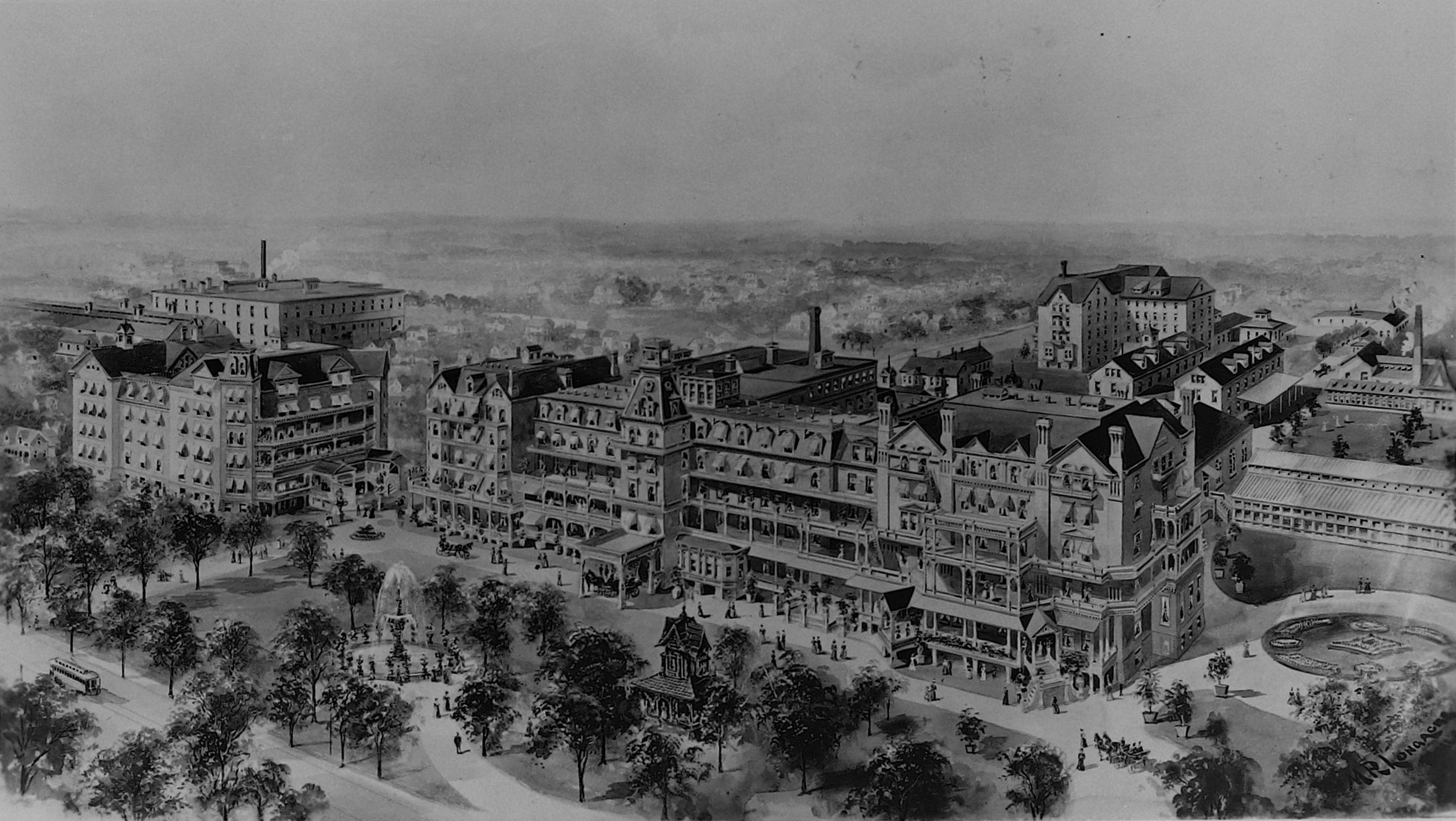 ~22 million baptized members in 2023 (General Conference Annual Statistical Report)
Seventh-day Adventists
The Sabbath and the Soon-Coming King
The Sabbath-keeping, premillennial body that emerged from the Great Disappointment of 1844. Ellen G. White's visions, the heavenly-sanctuary doctrine, health reform, and one of the fastest-growing Protestant denominations in the world.
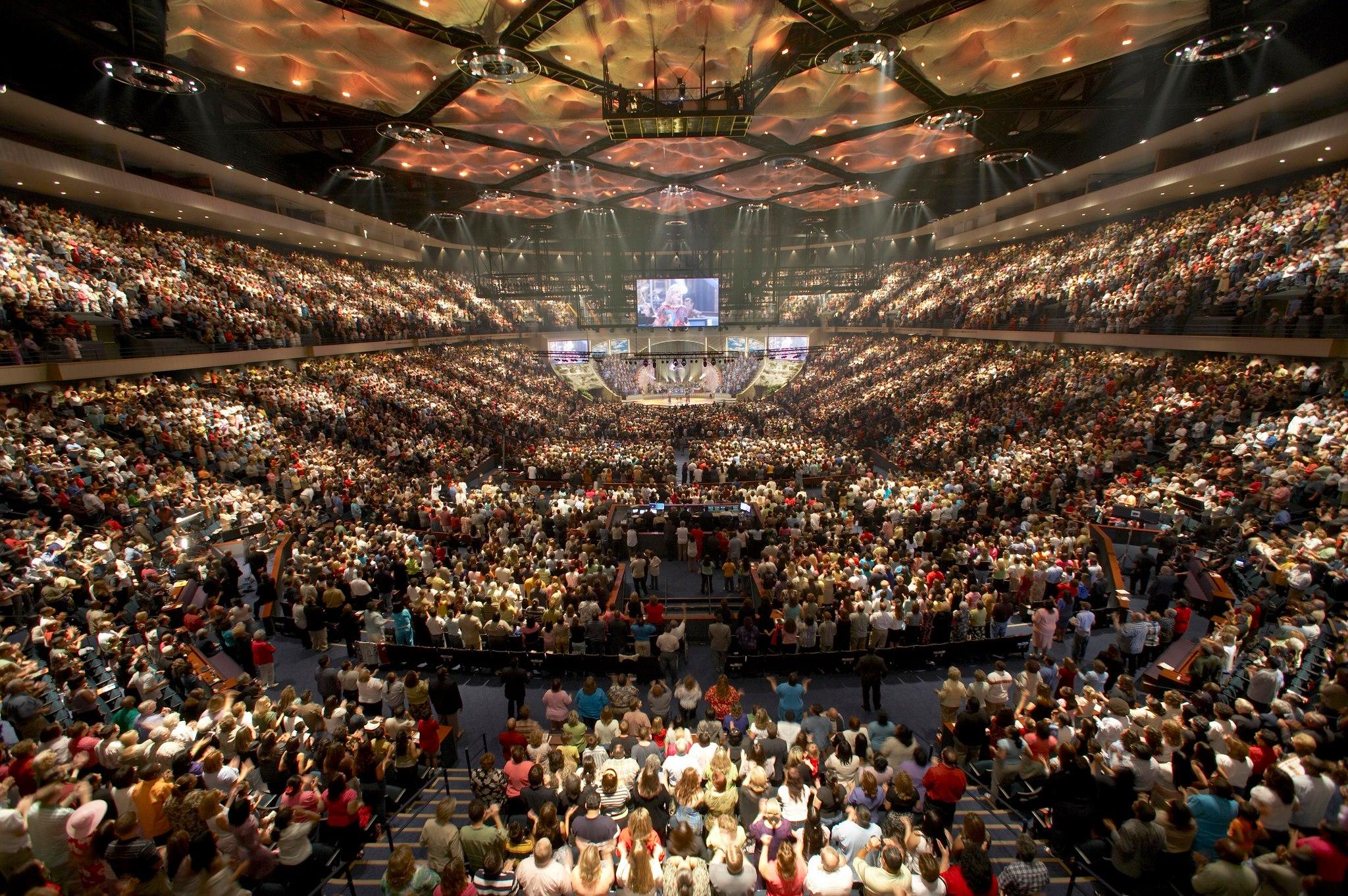 ~35 million in the United States (Pew Research Religious Landscape Study, 2014); globally hard to count because of definitional fuzziness — Hartford Institute estimates ~13% of US churchgoers attend non-denominational congregations
Non-denominational / Independent Evangelical
Congregational, Contemporary, Anti-Confessional
The fastest-growing slice of American Christianity — and the hardest to define. Independent, congregationally-autonomous, anti-denominational by intention. An ecclesiology rather than a theology — most non-denominational churches function as low-church evangelical Protestants without being bound to any historic confession.
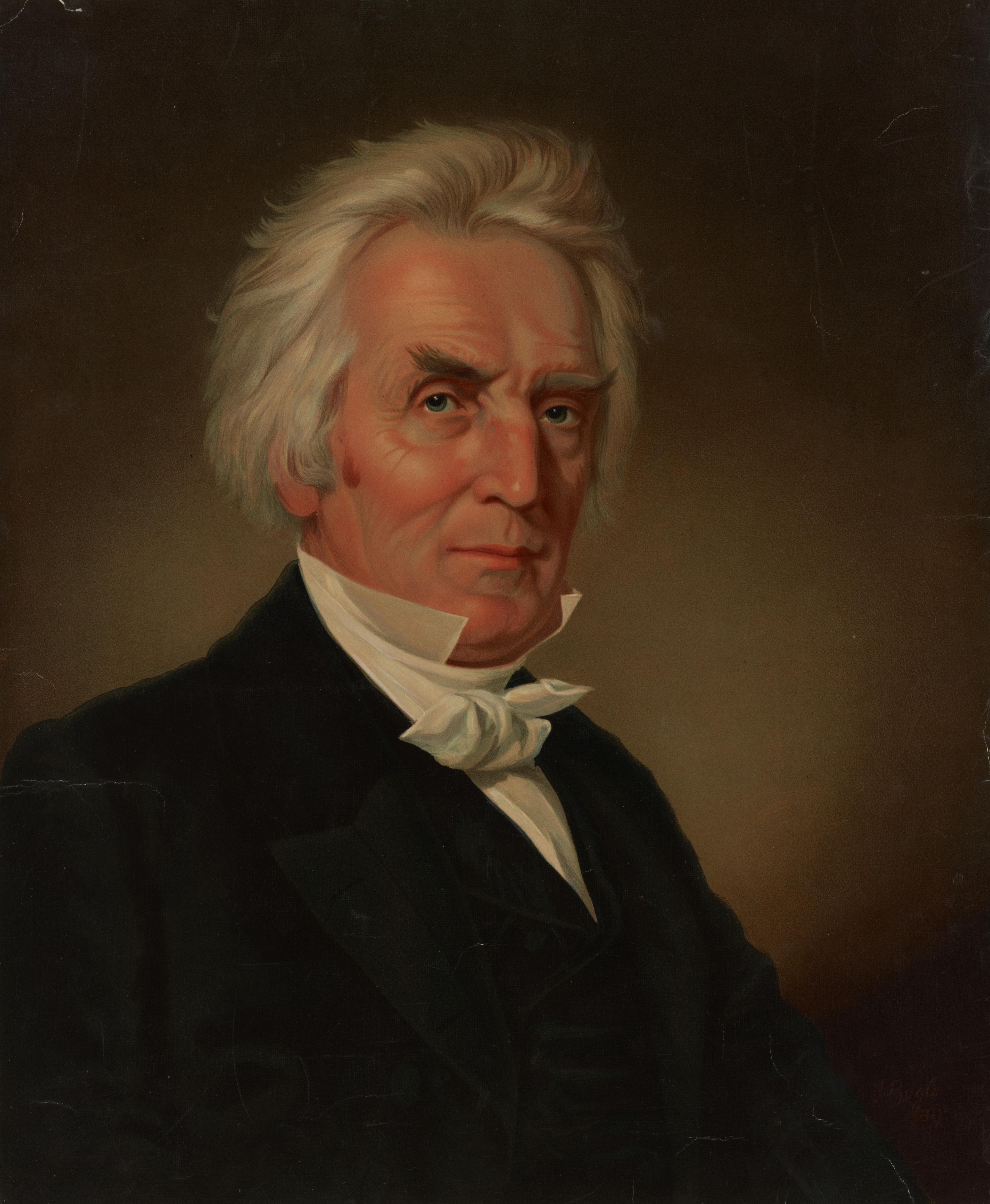 ~7 million worldwide (Churches of Christ, Disciples of Christ, Independent Christian Churches)
Restoration Movement
No Creed but Christ, No Book but the Bible
The early-19th-century American frontier movement that sought to restore primitive New Testament Christianity by dissolving denominational labels altogether. Three streams emerged: the Churches of Christ, the Independent Christian Churches, and the Disciples of Christ.