
Skip to content
Pentecost season
Historic Faith

Rooted in theEarly Church.Centered on Christ.

Articles, Bible studies, and teachings on Christian history, the Church Fathers, and the daily walk of faith.

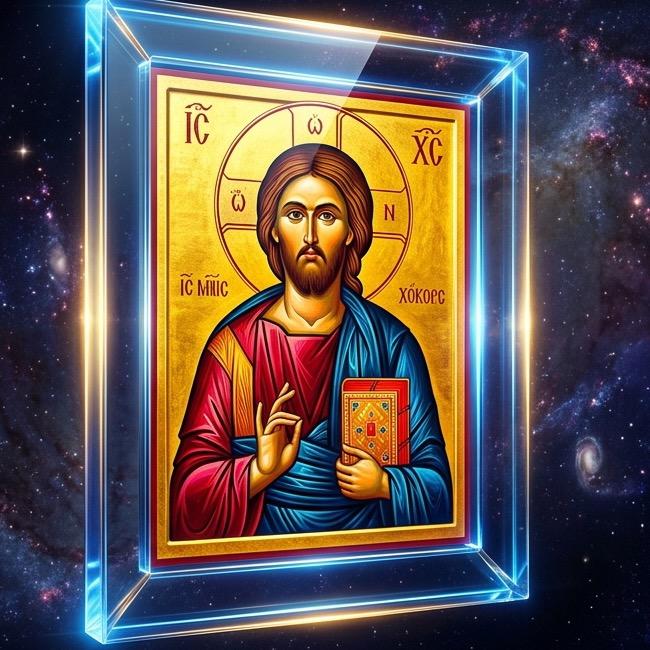
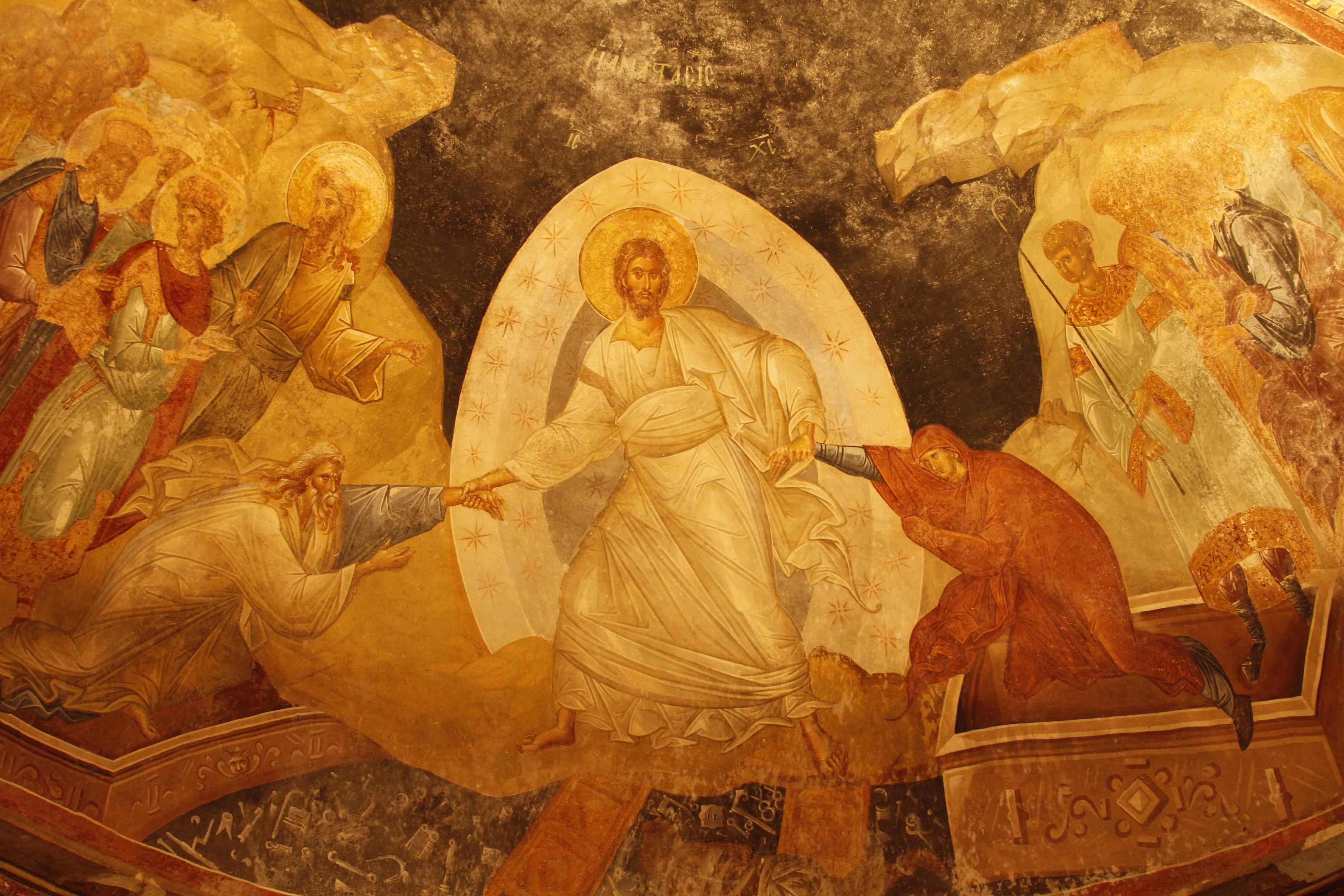
Christ icon suspended in cosmic glass
The Logos at the Center
Read about the Church Fathers. Study the Word. Walk in the Light.
What We Do

Bible. History.Discipleship.

Theologos Media creates articles, Bible studies, and teaching resources that connect Scripture, Christian history, and the wisdom of the Early Church to the believer’s daily walk with Christ.

Our goal is to help Christians read the faith clearly, understand the historic witness of the Church, and live with conviction in the modern world.

Who Were the Church Fathers?

The Church Fathers were early Christian teachers and leaders who helped defend the faith, explain Scripture, and preserve Christian doctrine after the age of the apostles.

What You’ll Find Here

Theologos Media brings together Bible study, early Christian history, devotional reflection, and doctrinal teaching for believers who want depth without confusion.

Early Church
Fathers & Voices
Devotional Writing
Faith for Daily Life
Bible Study
Scripture & Christ
Doctrine
Truth with Weight
Topics

Seven Gates.One Logos.

Seven topical doorways into the work — articles, Bible studies, patristic voices, icons, and manuscripts. For the full collections — Fathers, Apostles, Sacraments, Calendar, Reformers, and more — visit the Archive.

Christology
God-Man

Christology

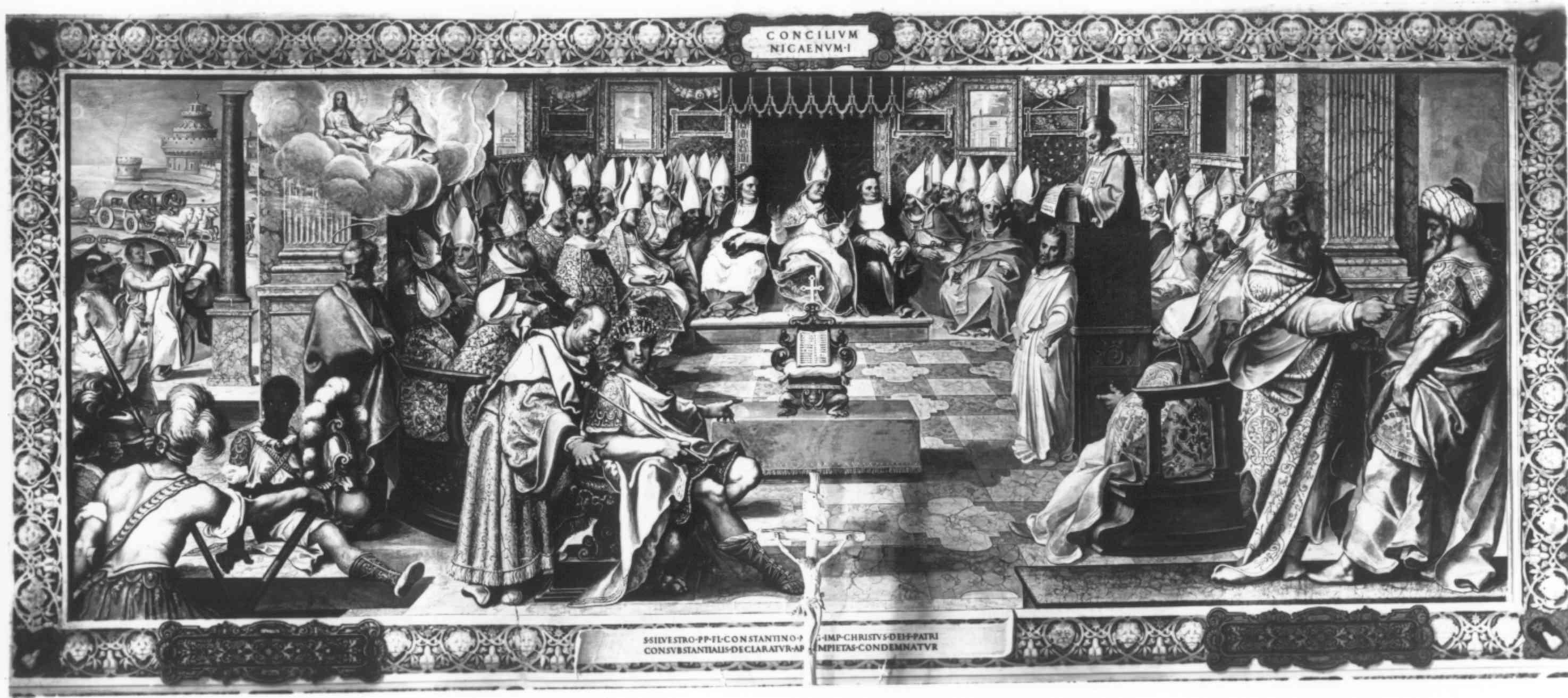
The hypostatic union, Nicaea, Chalcedon, and the irreducible claim that the eternal Word became flesh.

Sacred Art
Icon Engine

Sacred Art

Icons, mosaics, stained glass — visual theology that encodes doctrine in pigment and gold.

Manuscripts
Primary Texts

Manuscripts

Codices, marginalia, and the written memory of the Church from Sinai to Athos.

Cosmology
Unseen Realm

Cosmology

The divine council, principalities and powers, and the architecture of a created cosmos at war.

Church Fathers
Living Witness

Church Fathers

Patristic voices who carried orthodoxy through exile, persecution, and the fire of controversy.

Spiritual Warfare
The Conflict

Spiritual Warfare

Christ over chaos — the Christus Victor theology of spiritual endurance and cosmic victory.

Wolves
False Doctrine

Wolves

Arianism, Gnosticism, Pelagianism, Marcionism — the heresies that forced orthodoxy to be precise.

Christology
God-Man

Christology

The hypostatic union, Nicaea, Chalcedon, and the irreducible claim that the eternal Word became flesh.

Sacred Art
Icon Engine

Sacred Art

Icons, mosaics, stained glass — visual theology that encodes doctrine in pigment and gold.

Manuscripts
Primary Texts

Manuscripts

Codices, marginalia, and the written memory of the Church from Sinai to Athos.

Cosmology
Unseen Realm

Cosmology

The divine council, principalities and powers, and the architecture of a created cosmos at war.

Church Fathers
Living Witness

Church Fathers

Patristic voices who carried orthodoxy through exile, persecution, and the fire of controversy.

Spiritual Warfare
The Conflict

Spiritual Warfare

Christ over chaos — the Christus Victor theology of spiritual endurance and cosmic victory.

Wolves
False Doctrine

Wolves

Arianism, Gnosticism, Pelagianism, Marcionism — the heresies that forced orthodoxy to be precise.

Editor's picks · Launch set

Worth reading first

A short list, picked by hand. The editor's note under each card tells you what the piece is and which reader it's for.

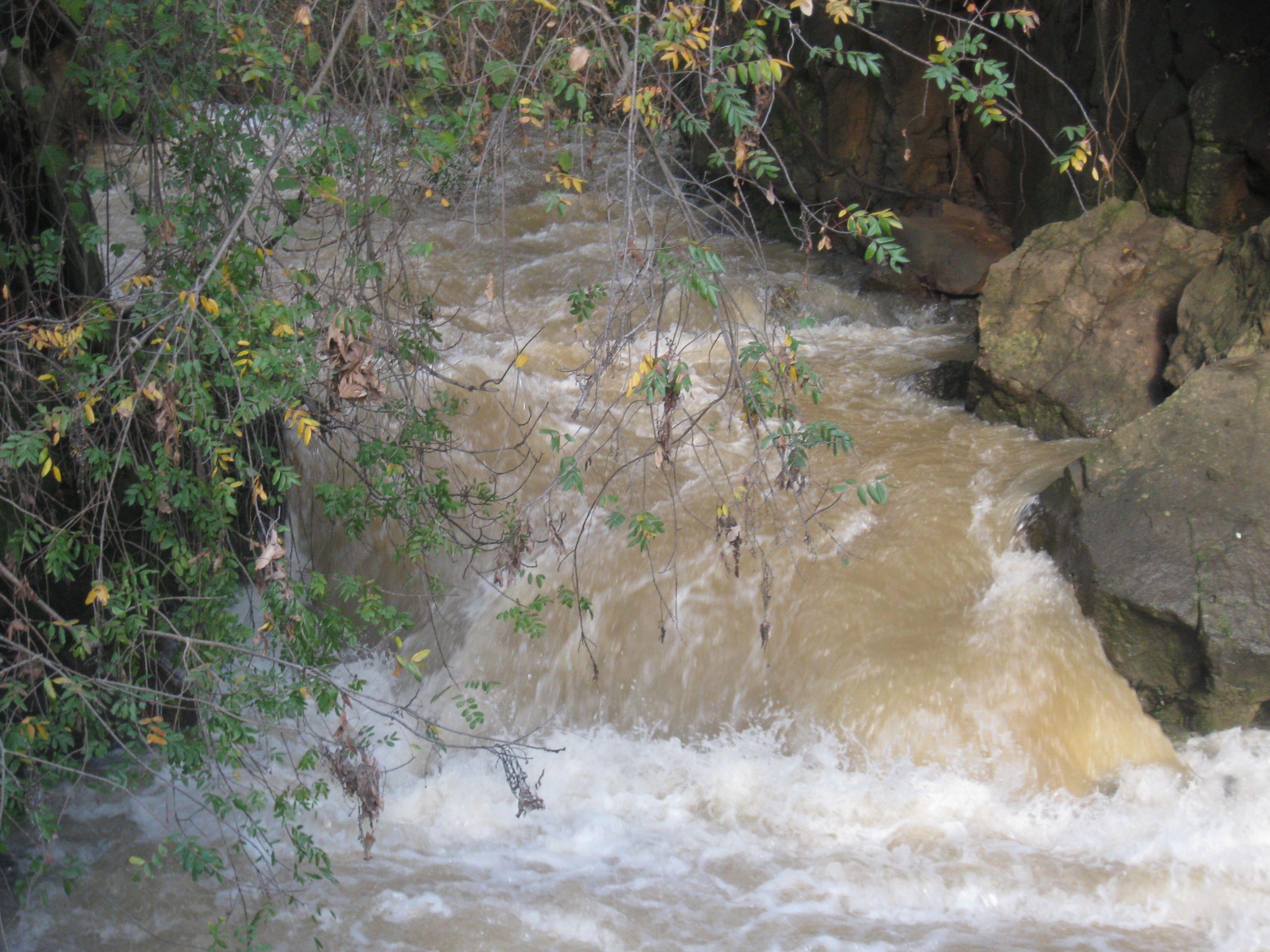
The Banias spring and nature reserve at ancient Caesarea Philippi, source of the Jordan.
AtlasWhere Christ asks the question

Caesarea Philippi (Banias)

Caesarea Philippi is the place Christ takes the disciples to ask, 'Who do you say that I am?' He asks it standing in front of the literal gates of hades — a grotto carved into the cliff where pagan worshippers fed offerings into the underworld. Then he names Peter the rock on which the church is built. The geography is the sermon. Start here if you want to read the Atlas the way Jesus chose his settings.

Read
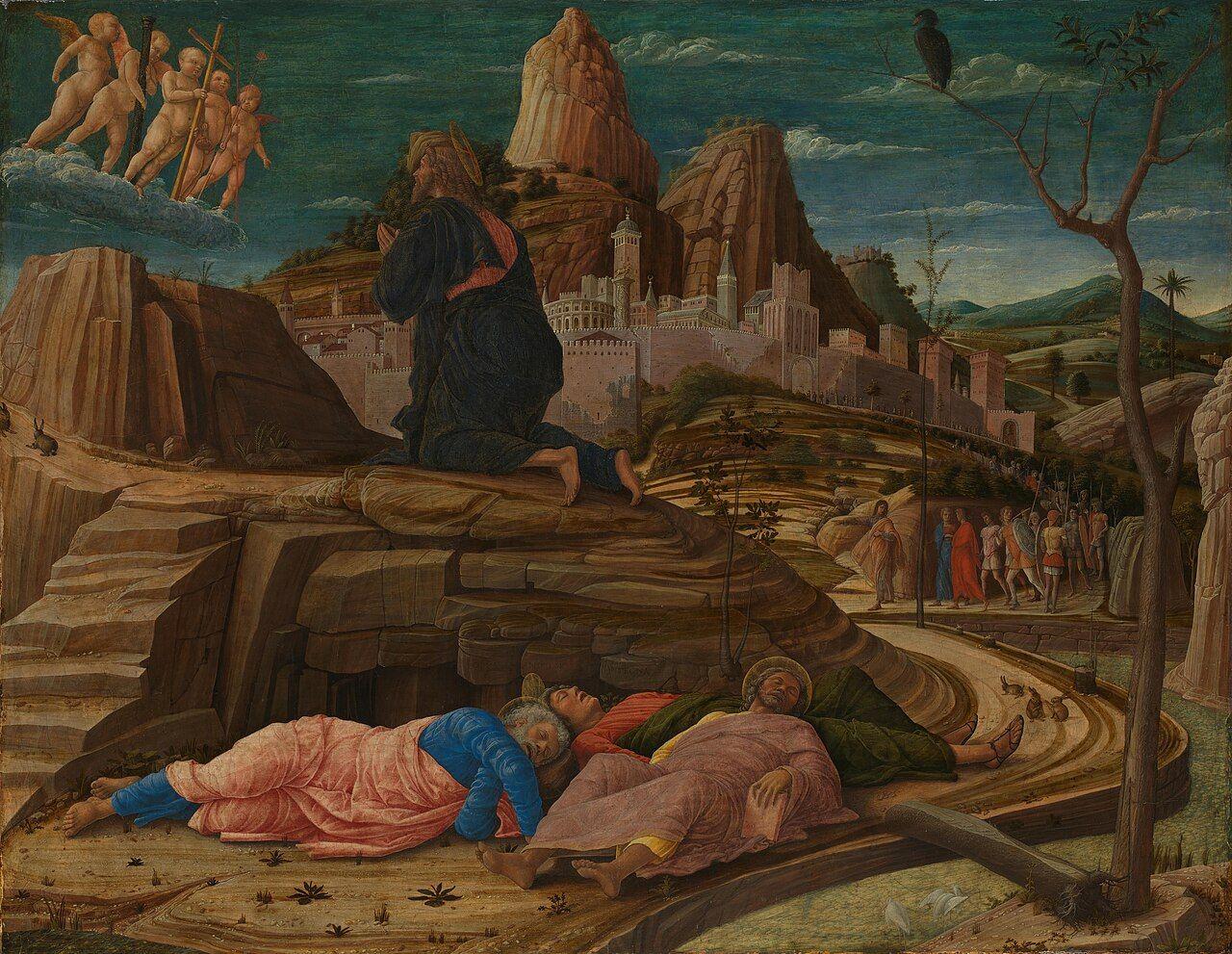
Andrea Mantegna's Agony in the Garden of Gethsemane, Christ at prayer while the apostles sleep.
AtlasThe deepest Christological moment

Gethsemane

Gethsemane is where the Word who spoke creation into being asks the Father if there's another way. He sweats blood. He prays alone. The Atlas entry traces what the garden meant geographically — an olive press on the Mount of Olives, the press itself a typological image of what's happening inside Christ. If you read one Atlas entry on the Passion, read this one.

Read
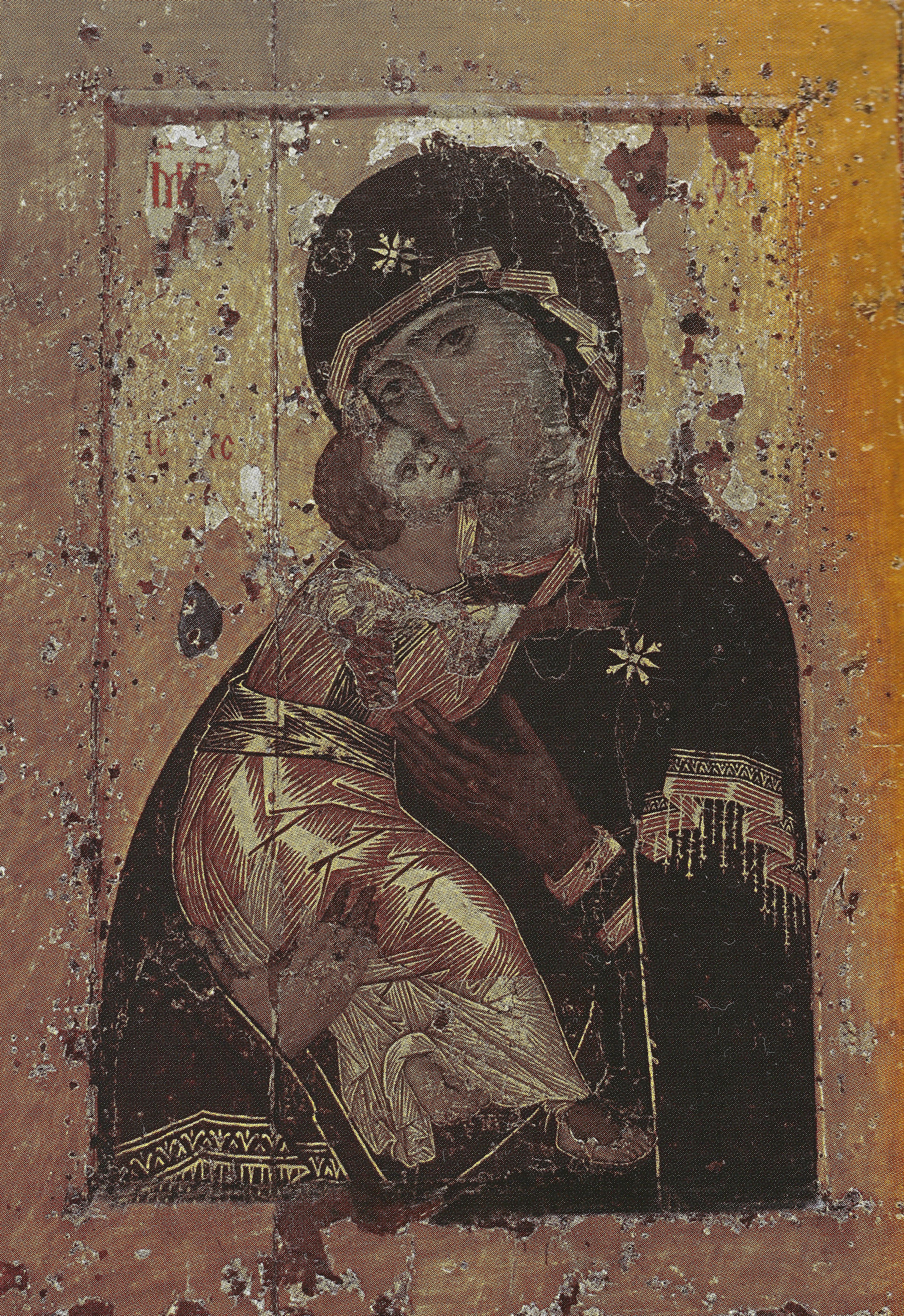
Theotokos of Vladimir, a twelfth-century Byzantine icon of the Virgin and Child in tender embrace, foundational to Russian iconography.
AtlasHonored across every Christian tradition

Mary (Mother of Jesus)

The Atlas entry on Mary is the editorial principle in action — she is described in the voices that have honored her (Catholic, Orthodox, Reformed). The Theotokos title settled at Ephesus is presented as what it actually is: a Christological claim, not a Marian one. The entry stays Christ-centric without flattening any tradition that loves her.

Read
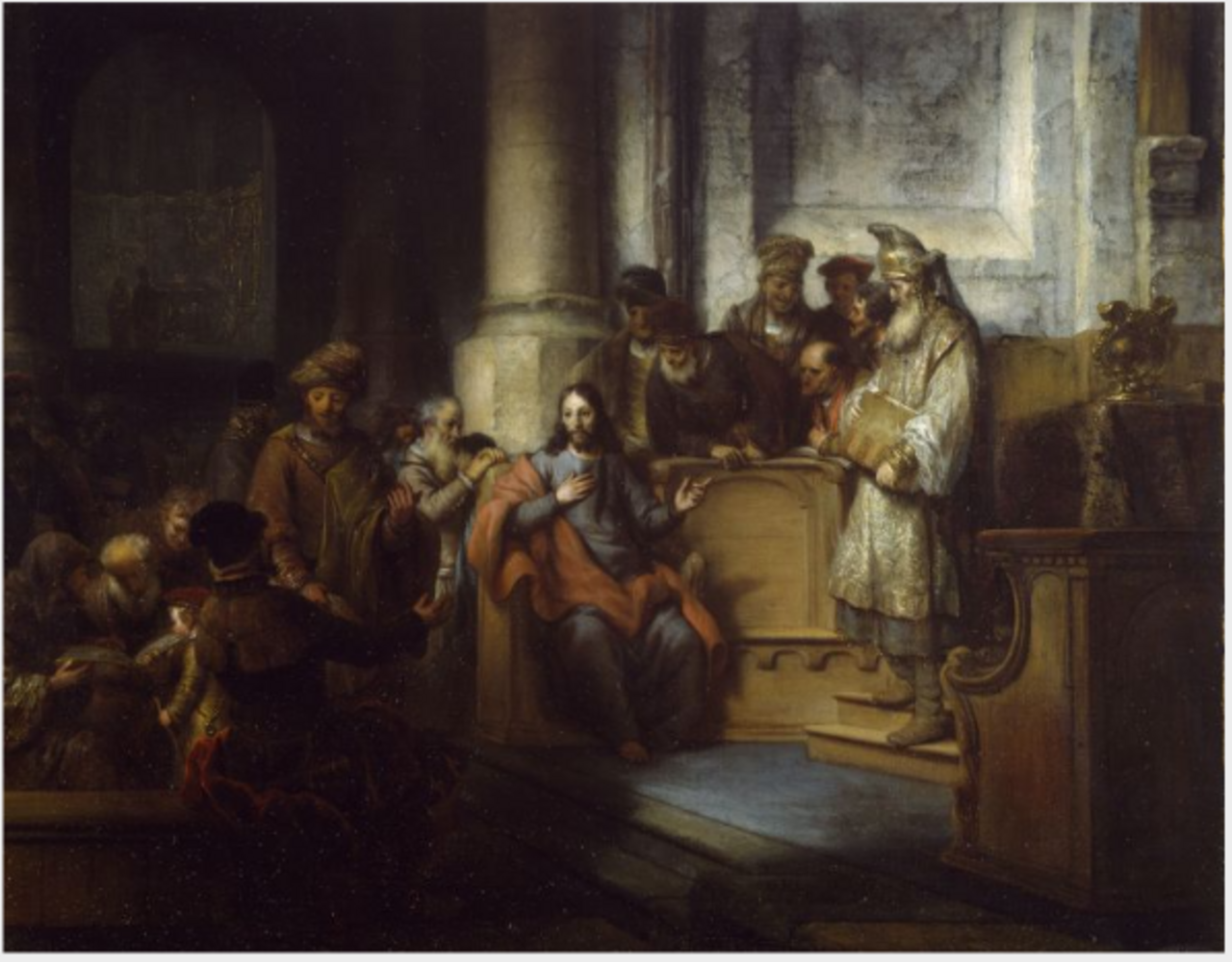
Christ teaching in the synagogue at Nazareth
AtlasThe town no one expected

Nazareth

Nathaniel asks, 'Can anything good come out of Nazareth?' The Atlas entry reads the question seriously. The town's archaeology, its size in the first century, its agricultural economy — and then the theological inversion: God hides his Son in the place no one is watching. The hiddenness is the point.

Read
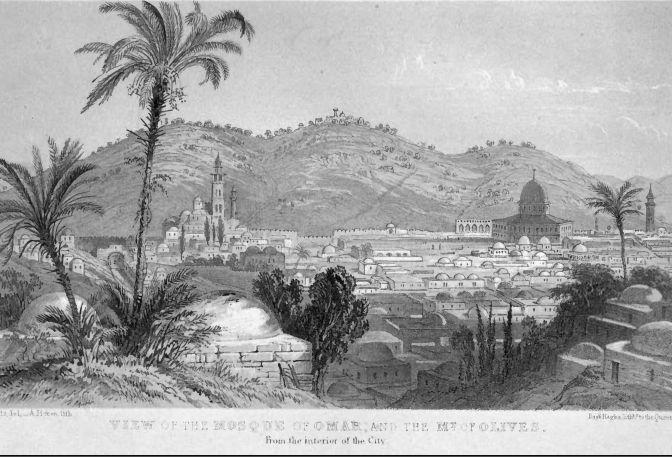
1849 view of Jerusalem from the Mount of Olives, the Old City and the temple platform spread below.
AtlasWhere the story ends and begins

Mount of Olives

Christ ascends from the Mount of Olives. Zechariah says he returns to it. The mount is the hinge between the Gospels and Revelation. The Atlas entry walks the geography of the ascension narrative and shows why every Christian eschatological hope ends with one's feet facing this hill.

Read
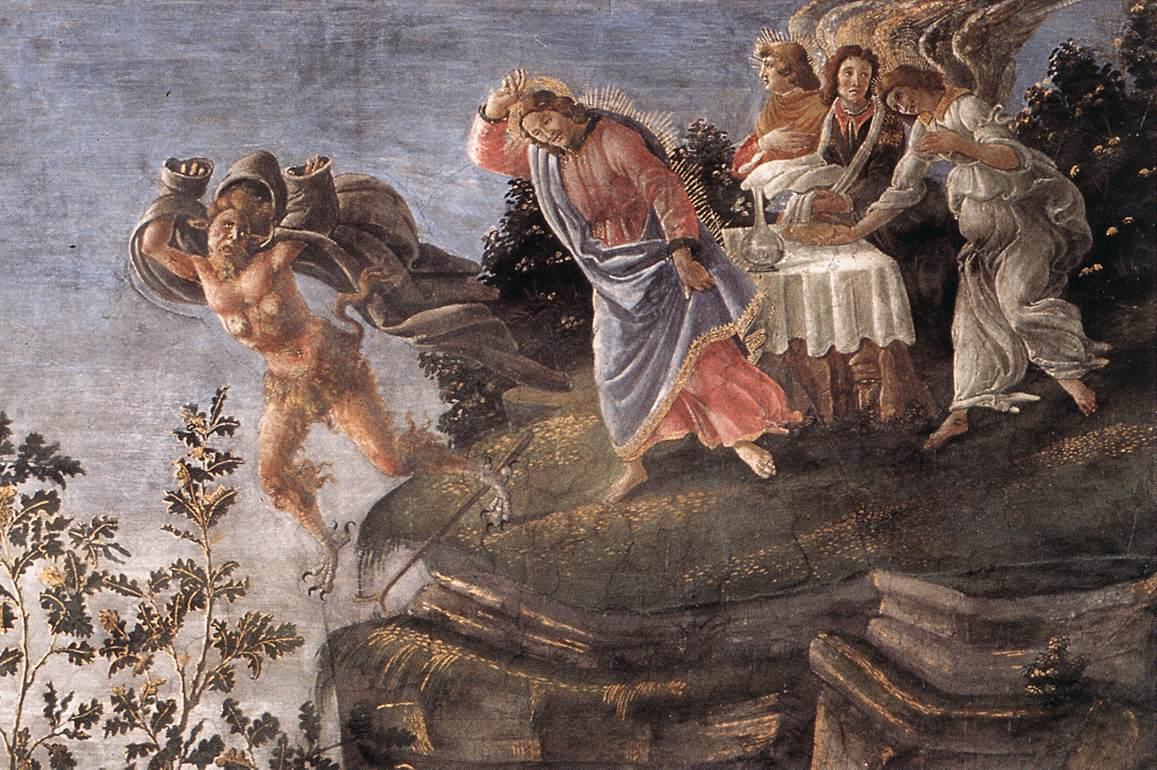
Detail from Botticelli's Sistine Chapel fresco of Christ tempted by Satan in the wilderness.
AtlasForty days, three temptations, one Adam

Wilderness Temptation

The wilderness temptation isn't a side story. The Atlas entry reads it typologically: the new Adam, in the wilderness Israel failed in, resisting what Israel could not. Every temptation Satan offers is a shortcut around the cross. Christ refuses each one in the order they're presented.

Read
Featured Film

Dimly Lit

A short drama by Bryan M. Garcés on love, uncertainty, and the long ache toward light. We watched it, and it stayed with us.

Dimly Lit — a short film by Bryan M. Garcés (Garces Bros. Studios)
Short FilmGarces Bros. Studios
Dir. Bryan M. Garcés · 2024

Dimly Lit

Play
Short
A Garces Bros. Studios Film
2024 Festival Selection
Best Drama Short
Patristic Witness

The Church
Fathers

15 profiles from the Nicene era. Biographies, timelines, writings, and the doctrines they bled for.

Browse All Fathers
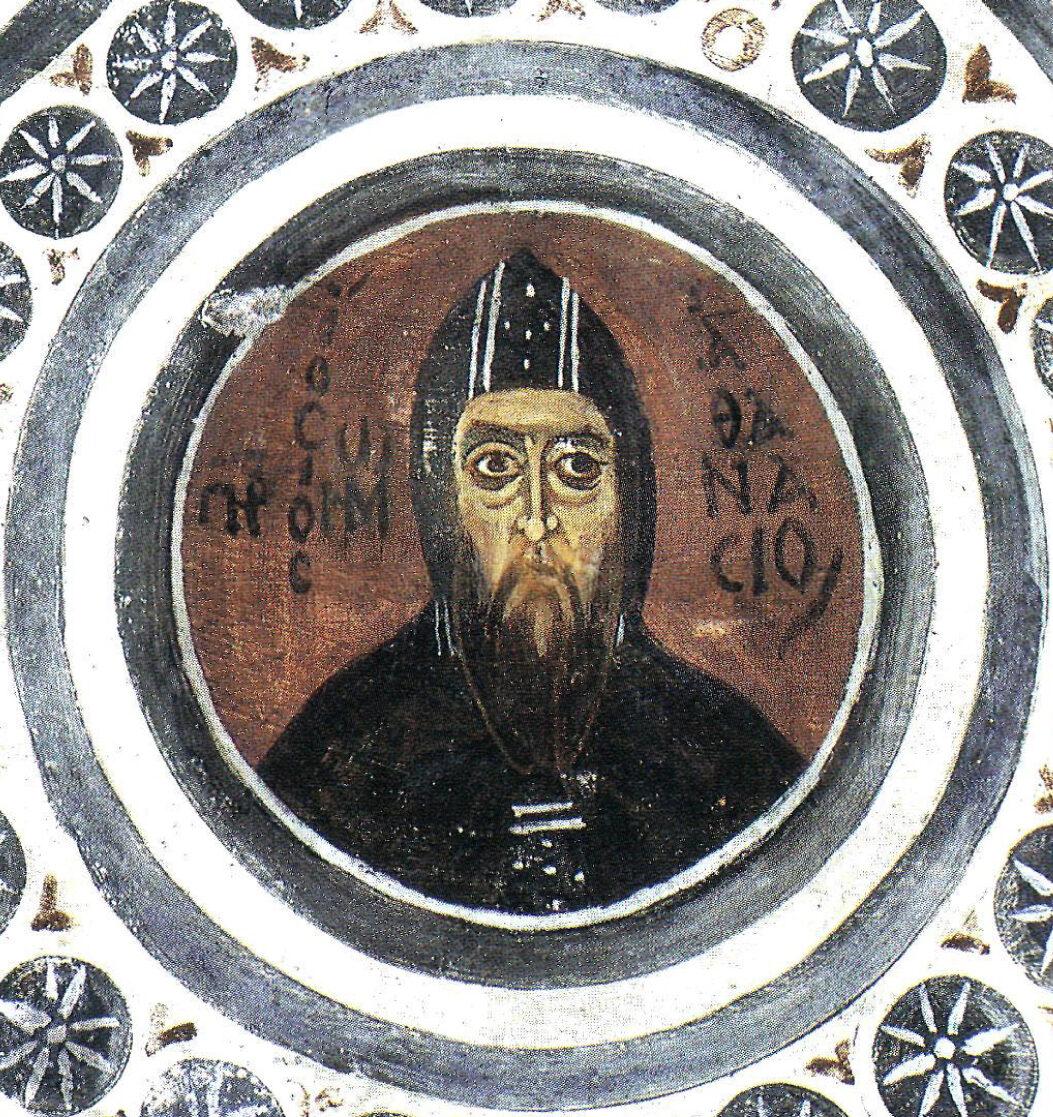
Athanasius of Alexandria
4th Century

Athanasius contra mundum

Athanasius of Alexandria

Read Profile
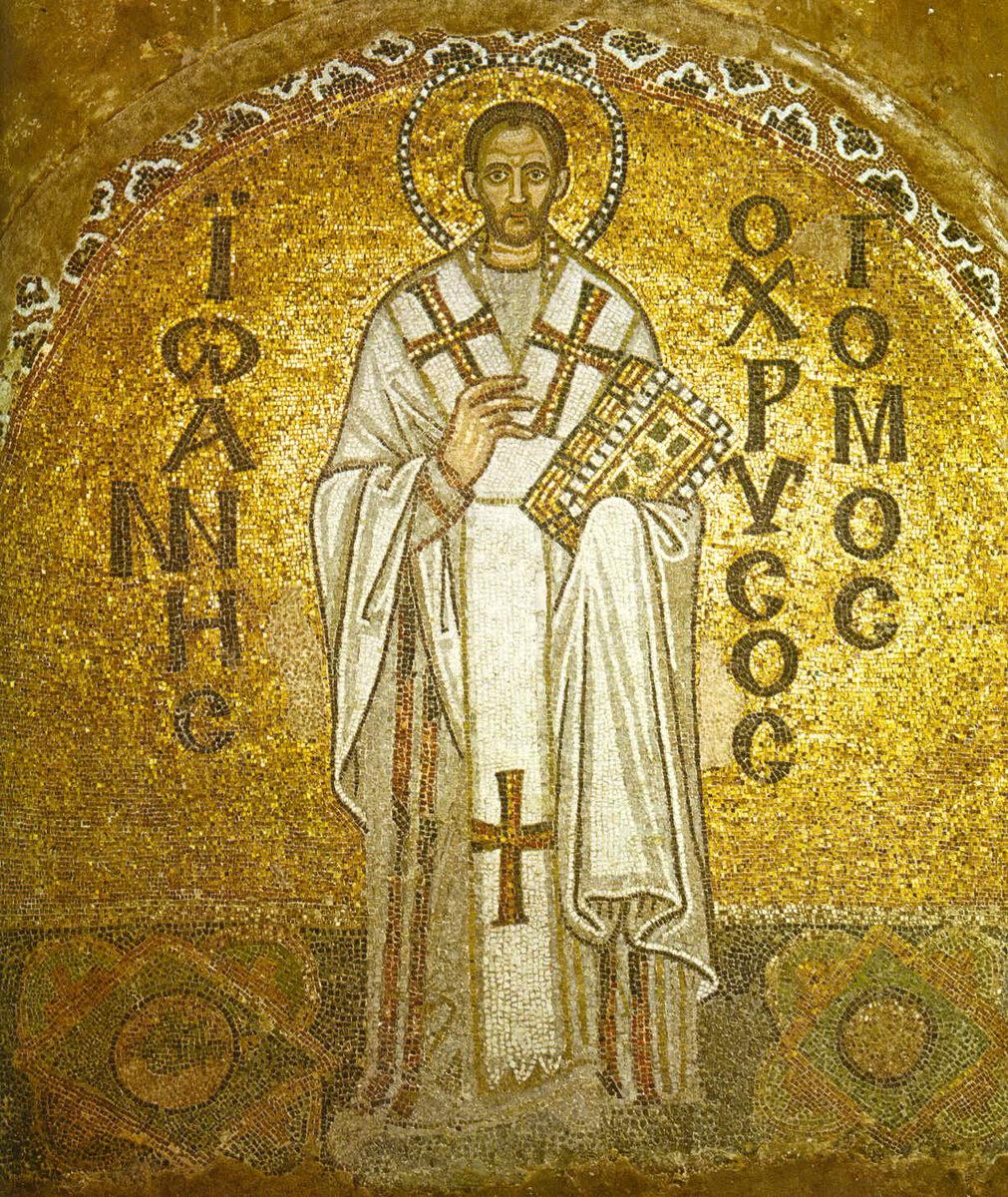
John Chrysostom
4th–5th Century

The Golden-Mouthed

John Chrysostom

Read Profile
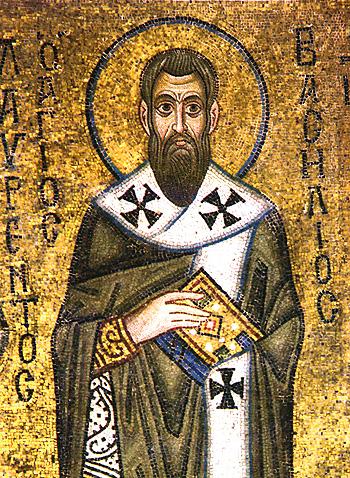
Basil the Great
4th Century

Father of Eastern Monasticism

Basil the Great

Read Profile
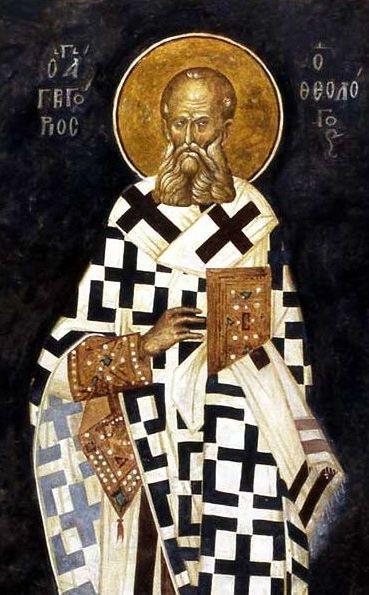
Gregory of Nazianzus
4th Century

Gregory the Theologian

Gregory of Nazianzus

Read Profile
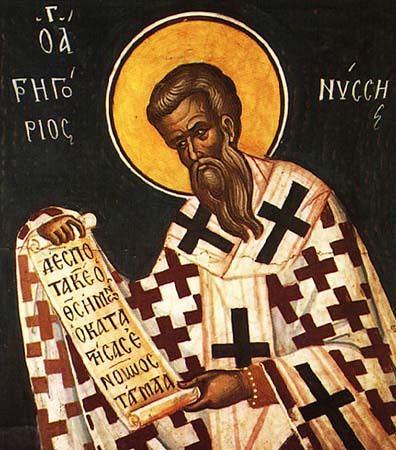
Gregory of Nyssa
4th Century

Father of Christian Mysticism

Gregory of Nyssa

Read Profile
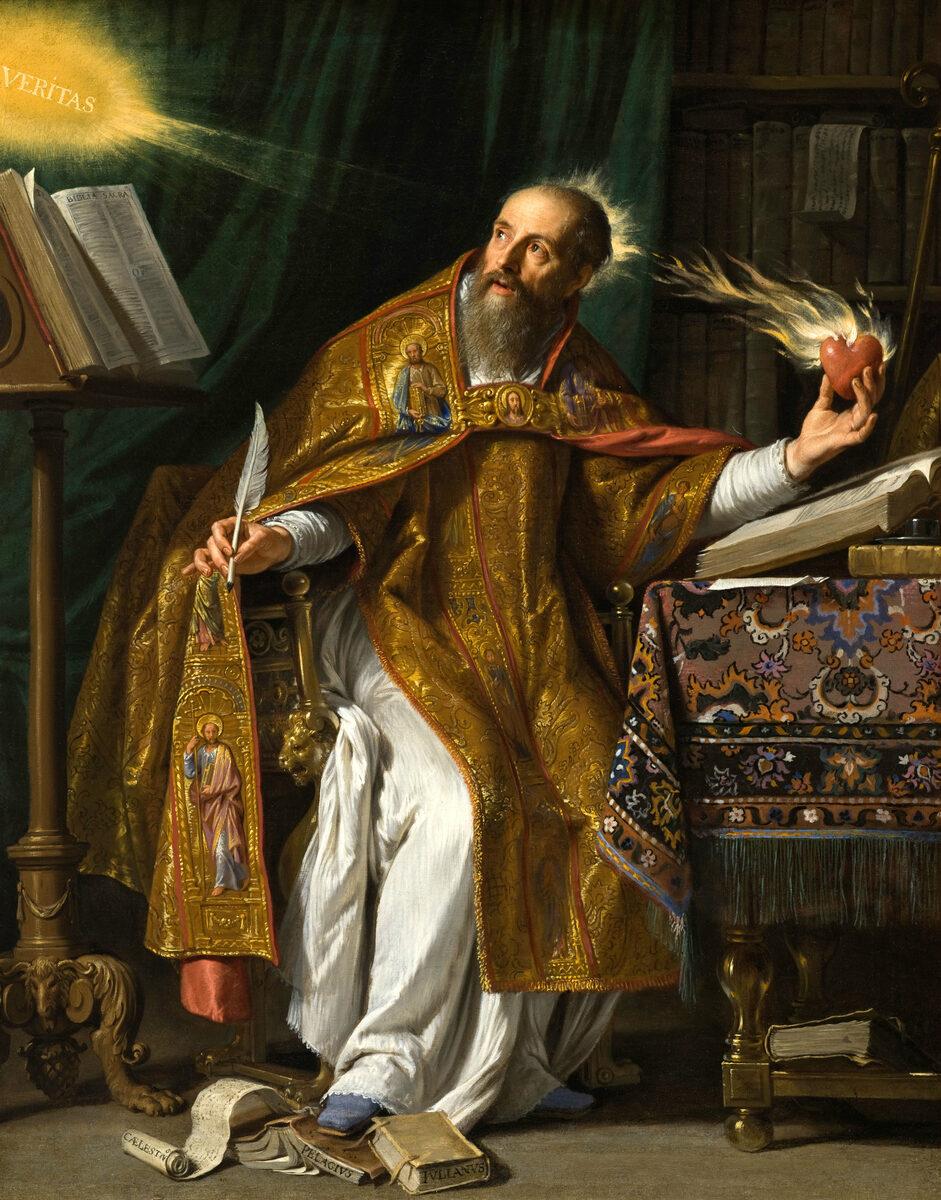
Augustine of Hippo
4th–5th Century

Doctor of Grace

Augustine of Hippo

Read Profile
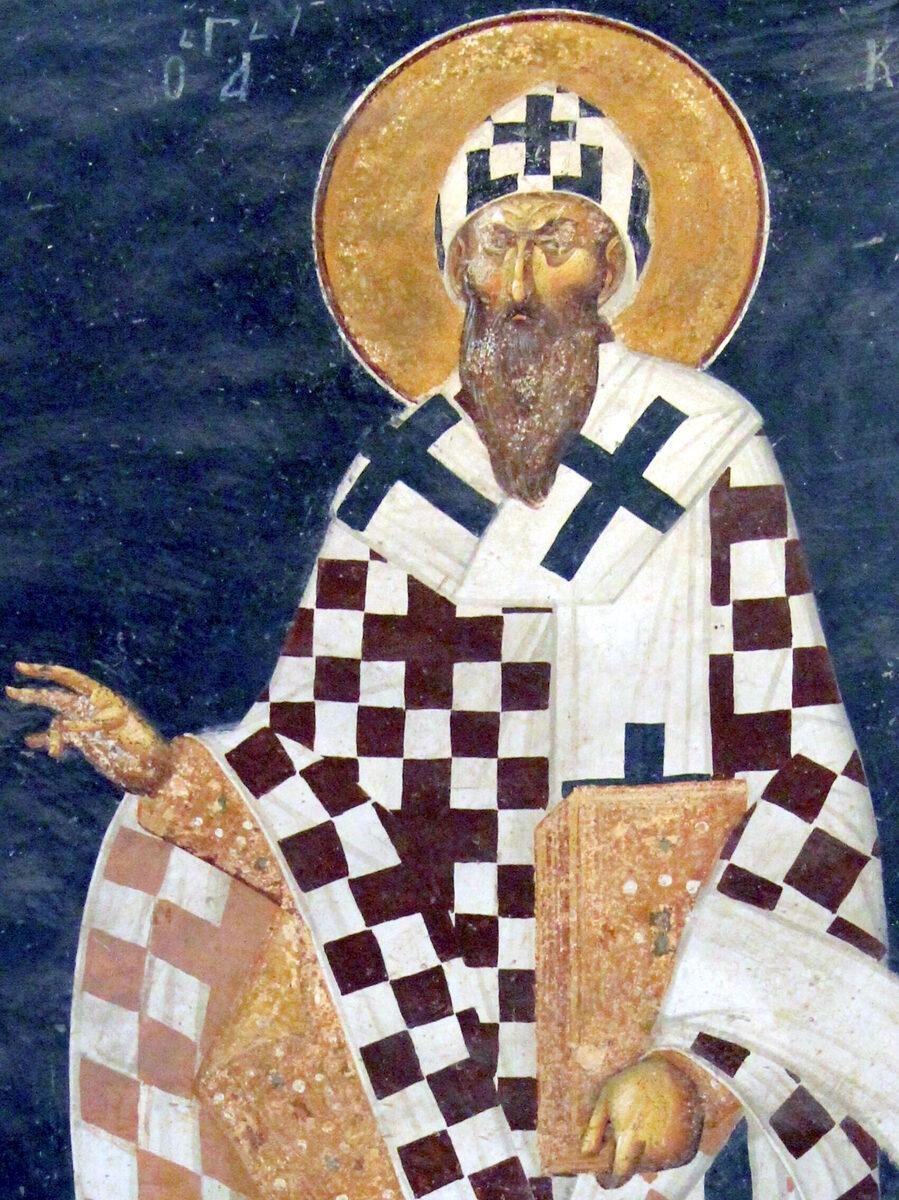
Cyril of Alexandria
5th Century

Pillar of Faith

Cyril of Alexandria

Read Profile
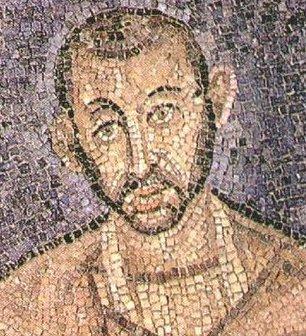
Ambrose of Milan
4th Century

Father of the Western Church

Ambrose of Milan

Read Profile
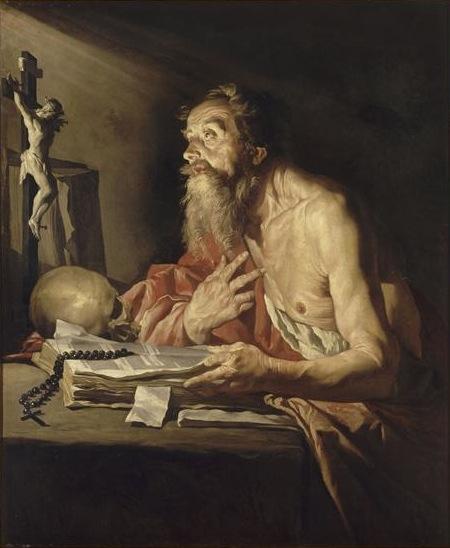
Jerome
4th–5th Century

Doctor of Scripture

Jerome

Read Profile
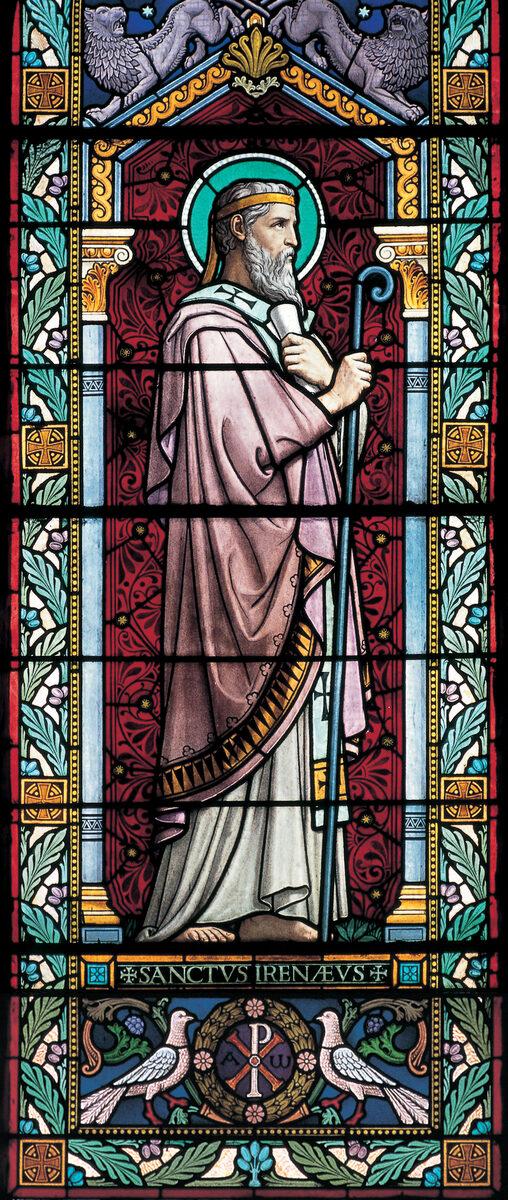
Irenaeus of Lyon
2nd Century

Father of Catholic Theology

Irenaeus of Lyon

Read Profile
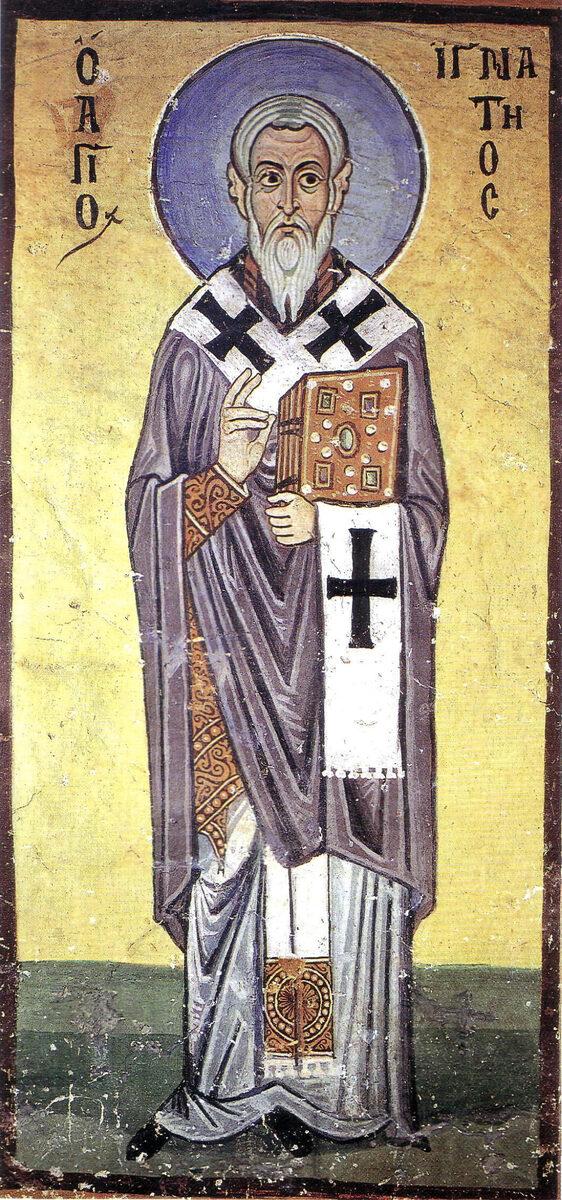
Ignatius of Antioch
1st–2nd Century

God-Bearer (Theophoros)

Ignatius of Antioch

Read Profile
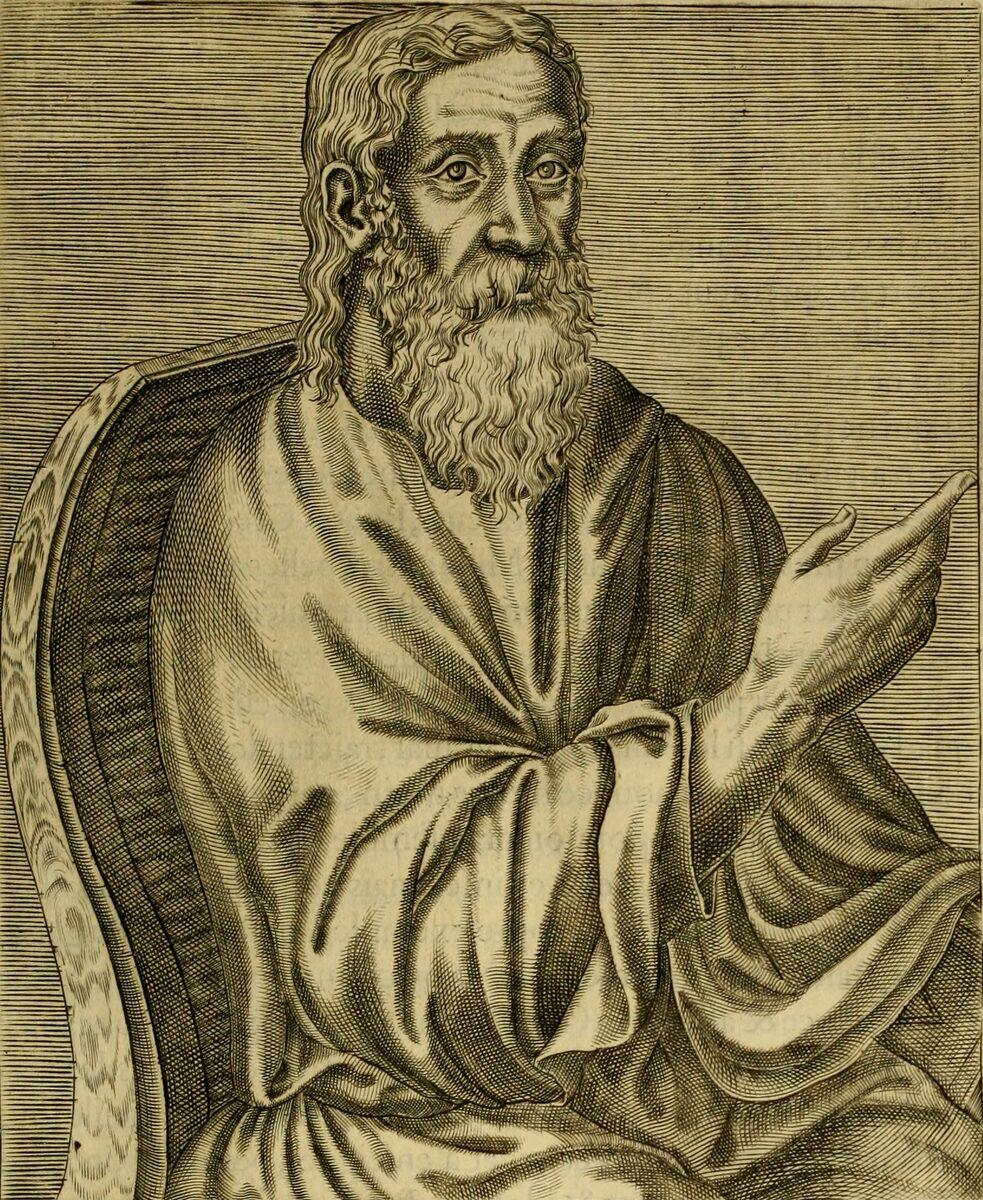
Clement of Alexandria
2nd–3rd Century

The Christian Philosopher

Clement of Alexandria

Read Profile
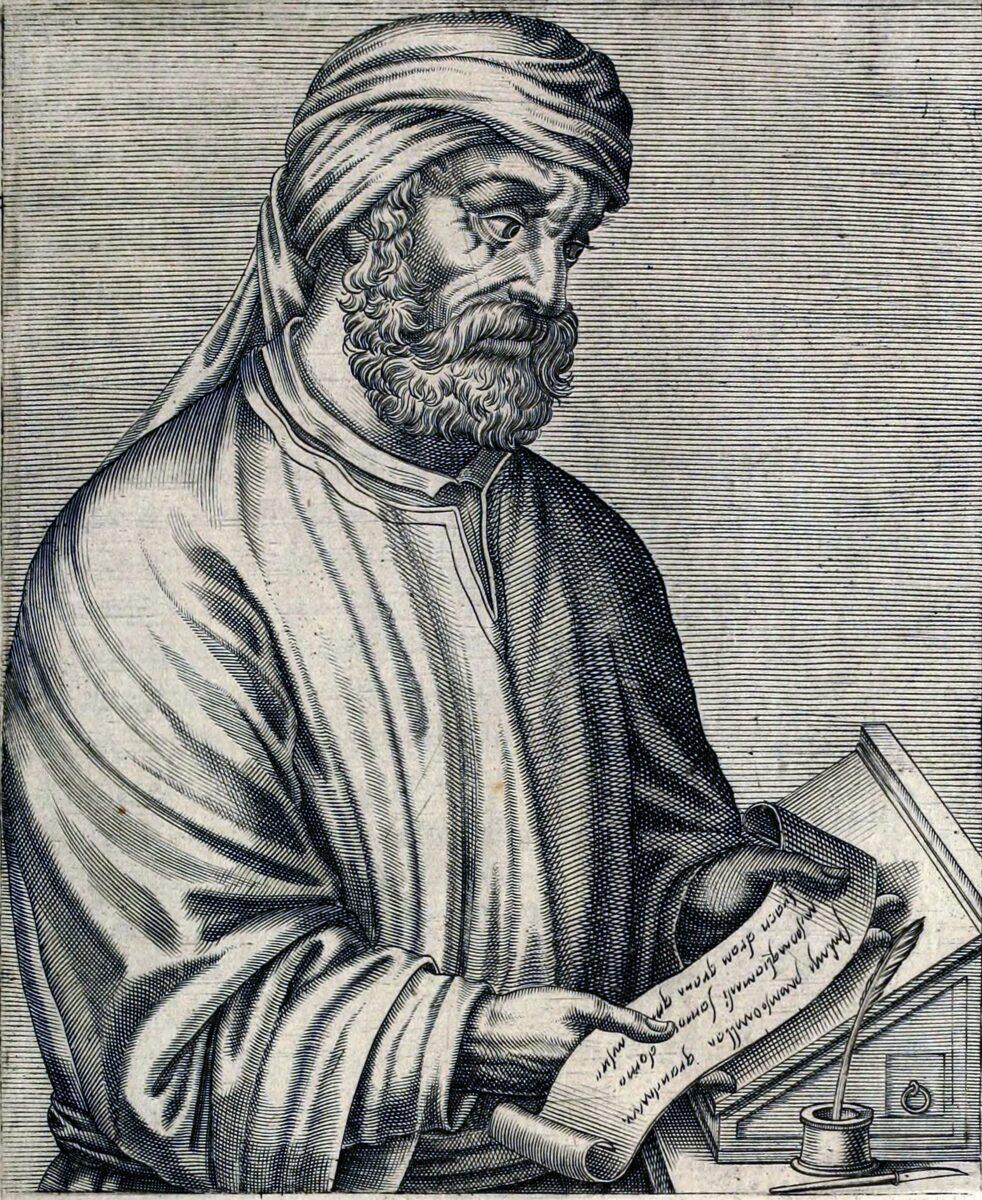
Tertullian
2nd–3rd Century

Father of Latin Theology

Tertullian

Read Profile
Hilary of Poitiers
4th Century

Athanasius of the West

Hilary of Poitiers

Read Profile
Origen of Alexandria
3rd Century

The Adamantine

Origen of Alexandria

Read Profile
Athanasius of Alexandria
4th Century

Athanasius contra mundum

Athanasius of Alexandria

Read Profile
John Chrysostom
4th–5th Century

The Golden-Mouthed

John Chrysostom

Read Profile
Basil the Great
4th Century

Father of Eastern Monasticism

Basil the Great

Read Profile
Gregory of Nazianzus
4th Century

Gregory the Theologian

Gregory of Nazianzus

Read Profile
Gregory of Nyssa
4th Century

Father of Christian Mysticism

Gregory of Nyssa

Read Profile
Augustine of Hippo
4th–5th Century

Doctor of Grace

Augustine of Hippo

Read Profile
Cyril of Alexandria
5th Century

Pillar of Faith

Cyril of Alexandria

Read Profile
Ambrose of Milan
4th Century

Father of the Western Church

Ambrose of Milan

Read Profile
Jerome
4th–5th Century

Doctor of Scripture

Jerome

Read Profile
Irenaeus of Lyon
2nd Century

Father of Catholic Theology

Irenaeus of Lyon

Read Profile
Ignatius of Antioch
1st–2nd Century

God-Bearer (Theophoros)

Ignatius of Antioch

Read Profile
Clement of Alexandria
2nd–3rd Century

The Christian Philosopher

Clement of Alexandria

Read Profile
Tertullian
2nd–3rd Century

Father of Latin Theology

Tertullian

Read Profile
Hilary of Poitiers
4th Century

Athanasius of the West

Hilary of Poitiers

Read Profile
Origen of Alexandria
3rd Century

The Adamantine

Origen of Alexandria

Read Profile
Wolves in Sheep's Clothing

Heresies ThatShaped Christianity

Every major heresy forced the Church to think more clearly. The councils did not invent new doctrine — they drew the boundaries that were always implicit in the Gospel. These are the cases that required a verdict.

Browse All Heresies

These are the positions that were examined, debated, and judged by the Church councils. Understanding why they were wrong is inseparable from understanding why orthodoxy is right.

CONDEMNED
4th Century

Arianism

The Claim

The Son is the first and highest creation — exalted above all, but not eternal and not equal to the Father.

Orthodox Answer

A created mediator cannot bridge the infinite gap between God and fallen humanity. Only the Creator can re-enter creation and restore it from within.

Arius of Alexandria
Nicaea 325
REFUTED
2nd–3rd Century

Gnosticism

The Claim

The material world is evil, made by a lesser deity. Christ only appeared to have a body. Salvation is escape through secret knowledge.

Orthodox Answer

If Christ only seemed to take flesh, he did not truly die. The Incarnation is not escape from matter but its redemption. 'The Word became flesh.'

Valentinus, Marcion, various
Refuted by Irenaeus c. 180
CONDEMNED
5th Century

Pelagianism

The Claim

Human beings have the natural capacity to choose God without divine grace. Sin is habit, not inherited corruption.

Orthodox Answer

The will itself is disordered after the Fall. Grace does not merely assist — it liberates. Without prior divine movement, the good cannot be truly willed.

Pelagius of Britain
Carthage 418
CONDEMNED
5th Century

Nestorianism

The Claim

Christ is two persons, one human and one divine, only morally united. Mary is Christotokos (mother of Christ), not Theotokos (mother of God).

Orthodox Answer

A divided Christ cannot unite God and humanity. The one who dies must be truly and personally God, or the death is insufficient.

Nestorius of Constantinople
Ephesus 431
EXCOMMUNICATED
2nd Century

Marcionism

The Claim

The God of the Old Testament is a different and lesser deity than the Father of Jesus. The Hebrew Scriptures should be rejected.

Orthodox Answer

Promise and fulfillment belong together. The God of Exodus and the Father of Jesus are the same God. The cross makes no sense without the covenant.

Marcion of Sinope
Excommunicated Rome 144
CONDEMNED
8th–9th Century

Iconoclasm

The Claim

Depicting Christ and the saints is idolatry. The Second Commandment forbids images.

Orthodox Answer

The Old Testament prohibition was for an era when God was invisible. The Incarnation changed everything — if God truly took a human face, that face can be depicted.

Emperor Leo III, Constantine V
Nicaea II — 787
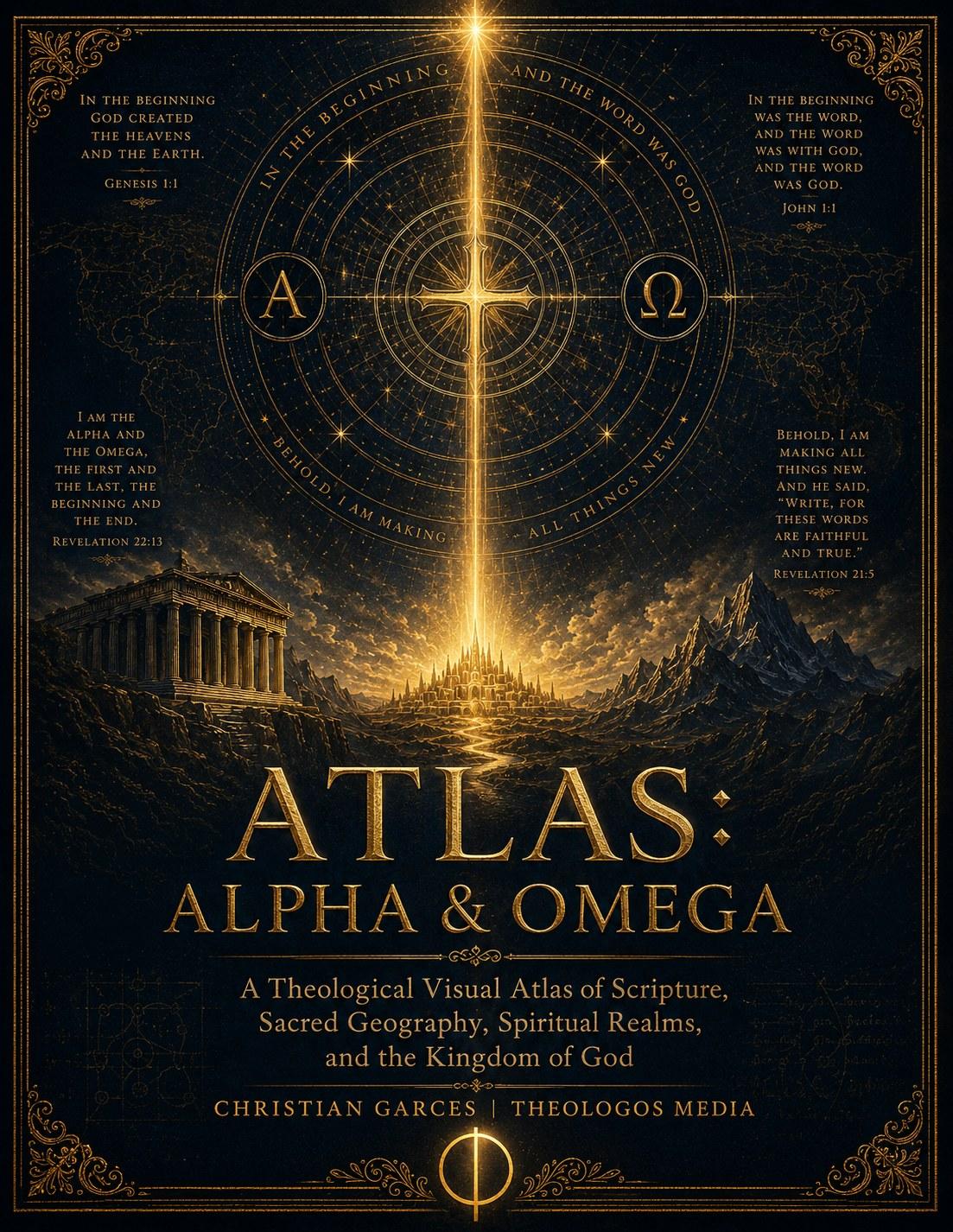
Atlas: Alpha Omega — book cover
Founding Members Pre-Order

The AtlasIs Coming.

Atlas: Alpha Omega — a theological visual atlas of Scripture, sacred geography, spiritual realms, and the Kingdom of God. Pre-order the printed book to lock in Founding Member status, or join the free wait-list for online access at launch.

A note from the editor

The Atlas is the long project — 236 entries, written one at a time. Many are published, some are in draft, a few are still being researched. If you click a cross-link and hit a 404, it's a placeholder being filled in, not a broken page. The same is true for the article archive: pieces ship in batches, and the index grows every week.

The simplest way to follow what's published: the Atlas hub and the articles index only list pieces that have actually been written. Start either from there.

Start Here

Read about the Church Fathers. Walk with Christ.

Articles, Bible studies, and teaching on Christian history and the daily life of faith — rooted in the witness of the historic Church.