Angels
The named angels of Scripture and tradition, organized by canon status. Each profile cites where the figure is attested, what role the tradition gives them, and how the Church has read them.
Protestant Canon
10 figures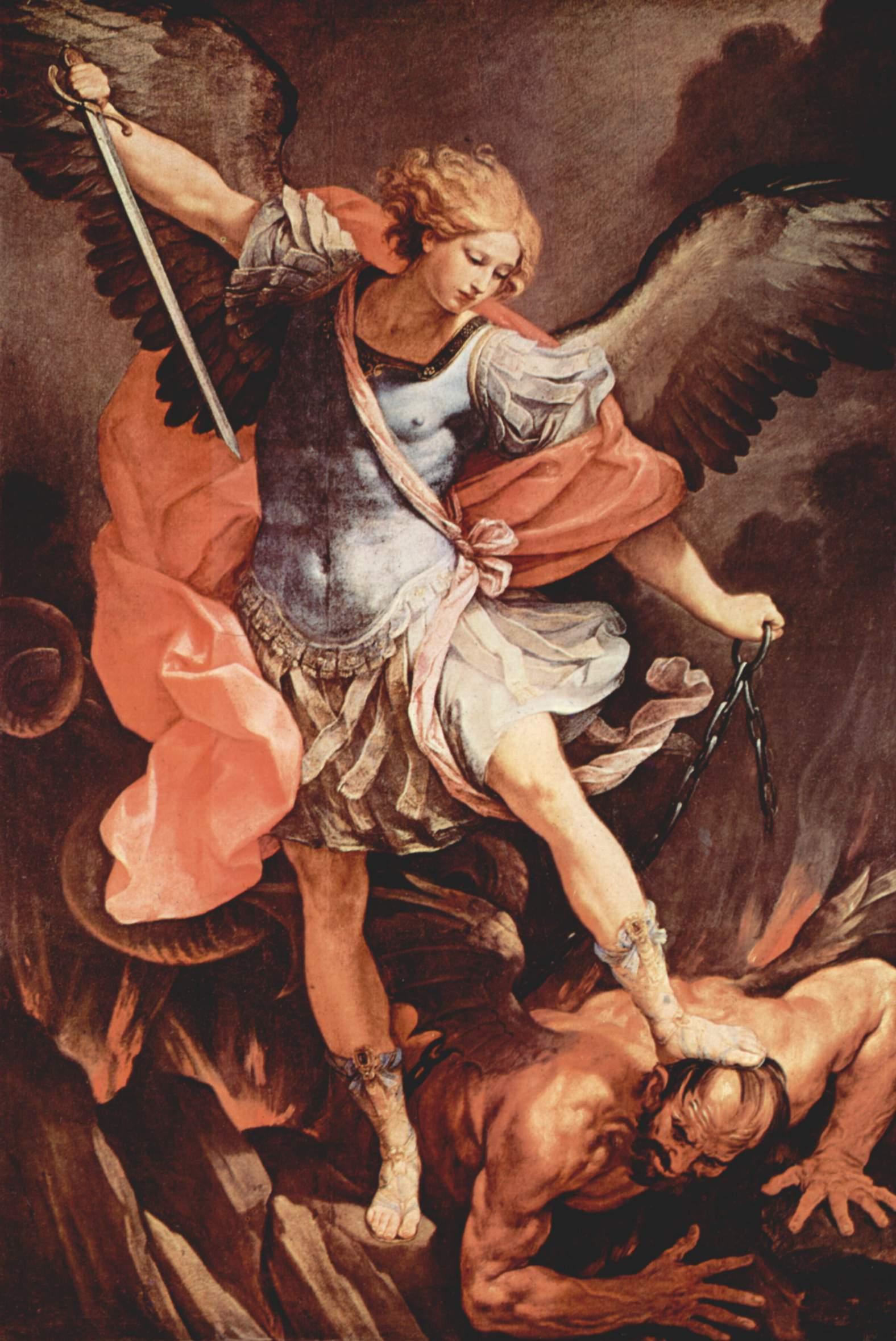
Michael
Prince of the Heavenly Host
The chief warrior of the heavenly host. Defends Israel in Daniel, disputes with the devil over the body of Moses in Jude, and casts down the dragon in Revelation 12.
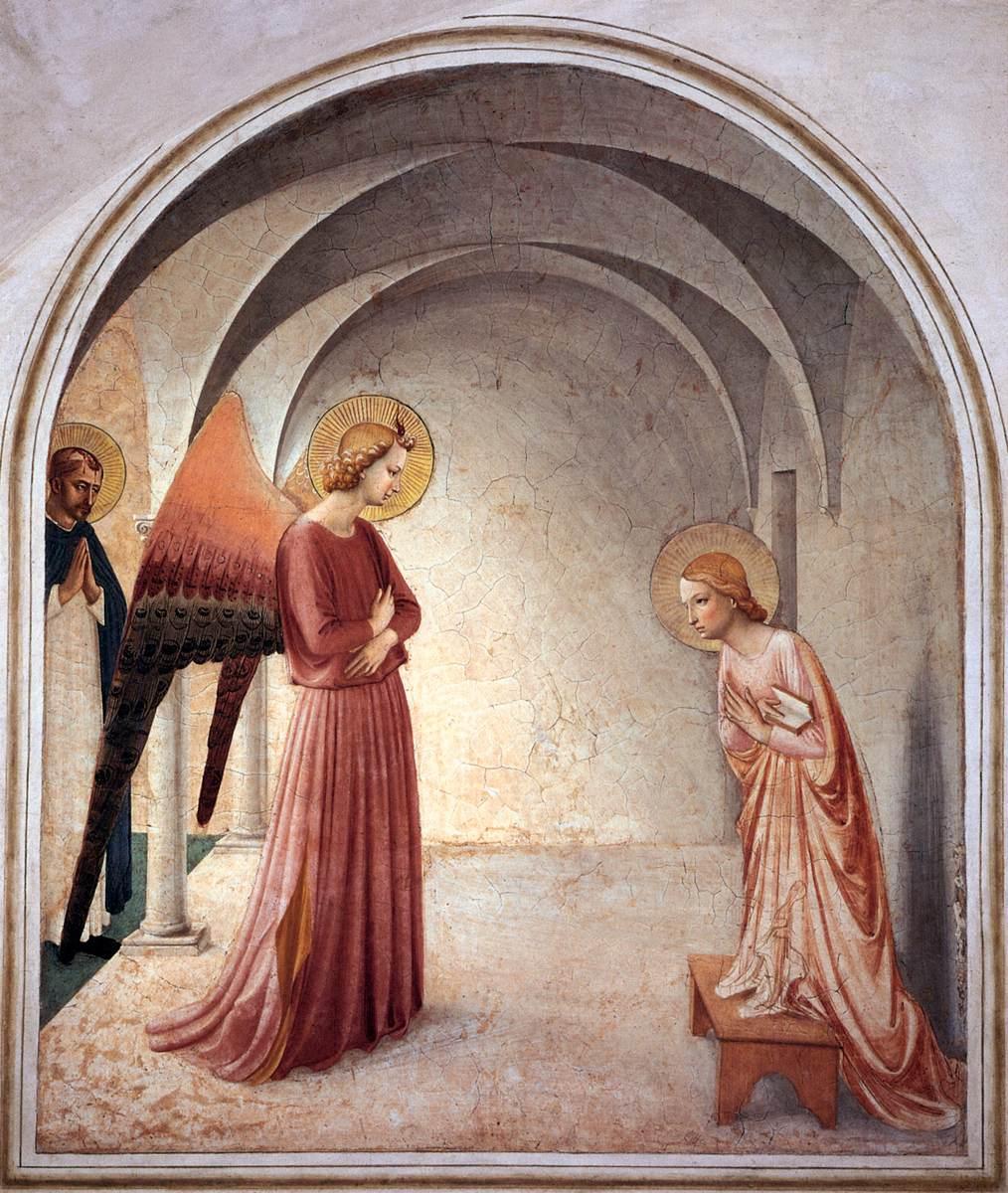
Gabriel
Messenger of the Annunciation
The herald of the Incarnation. Interprets Daniel's visions, announces the birth of John the Baptist to Zechariah, and announces the conception of Christ to Mary.
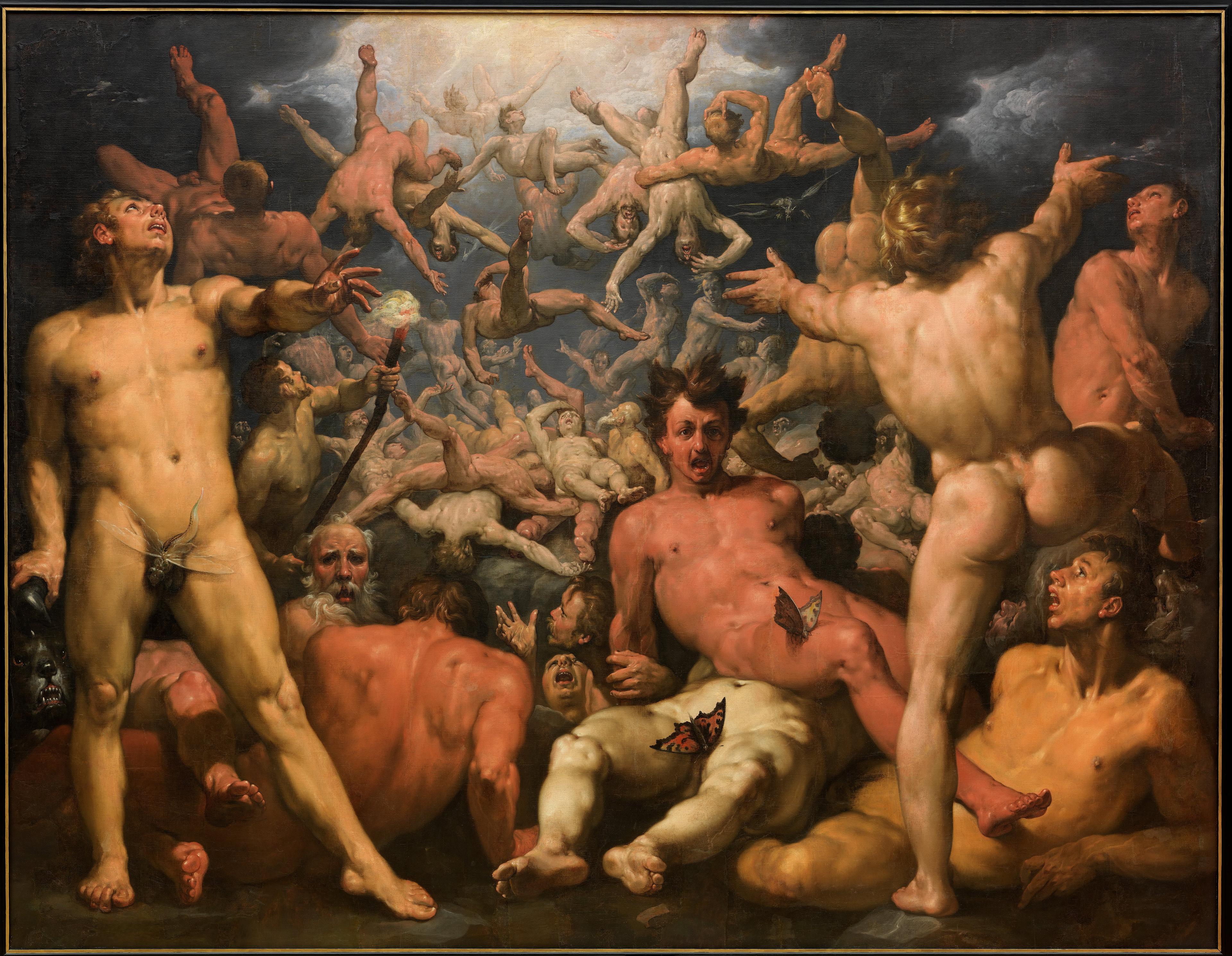
The Nephilim
The Fallen / The Giants
The hybrid offspring of the Watchers and human women — the giants of Genesis 6 and Numbers 13. Their death, according to 1 Enoch, produced the disembodied evil spirits that haunt the world.
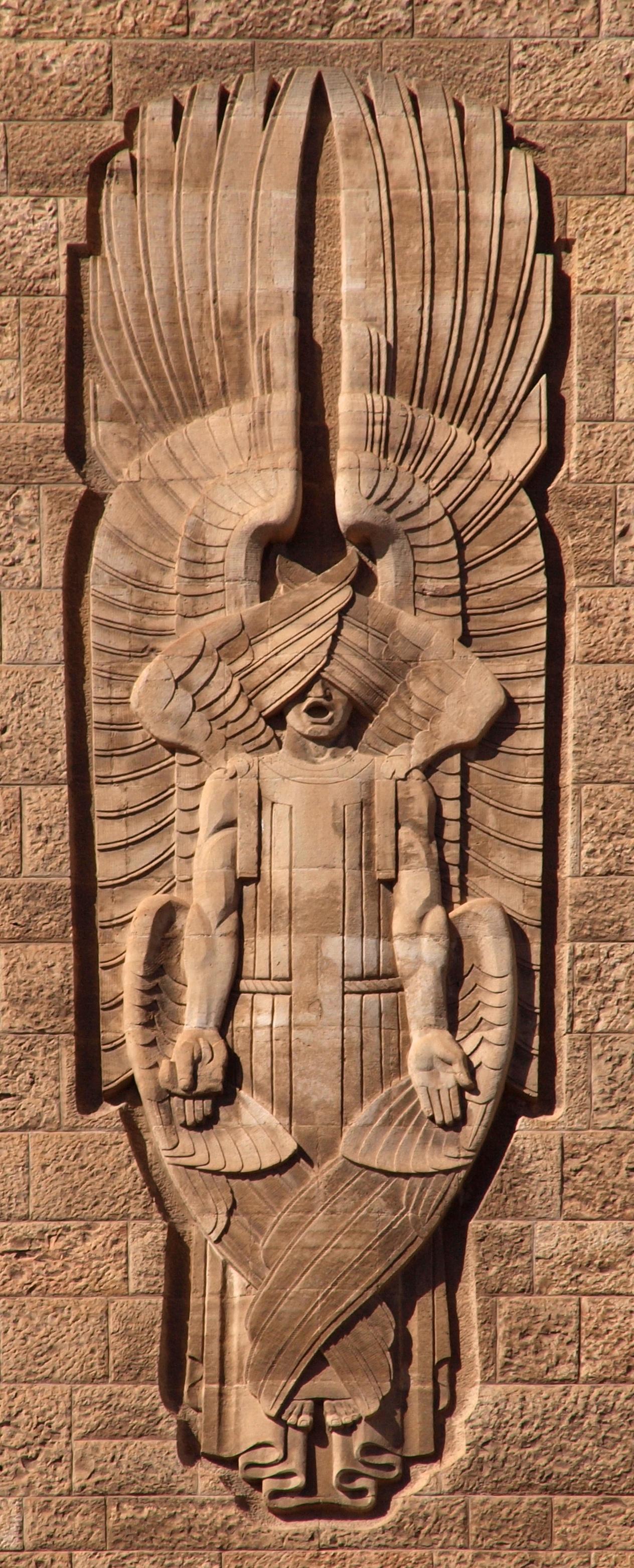
The Seraphim
The Burning Ones
The six-winged burning beings of Isaiah 6, who stand above the throne and cry 'Holy, Holy, Holy.' The highest order in the celestial hierarchy.
The Cherubim
Guardians of the Throne
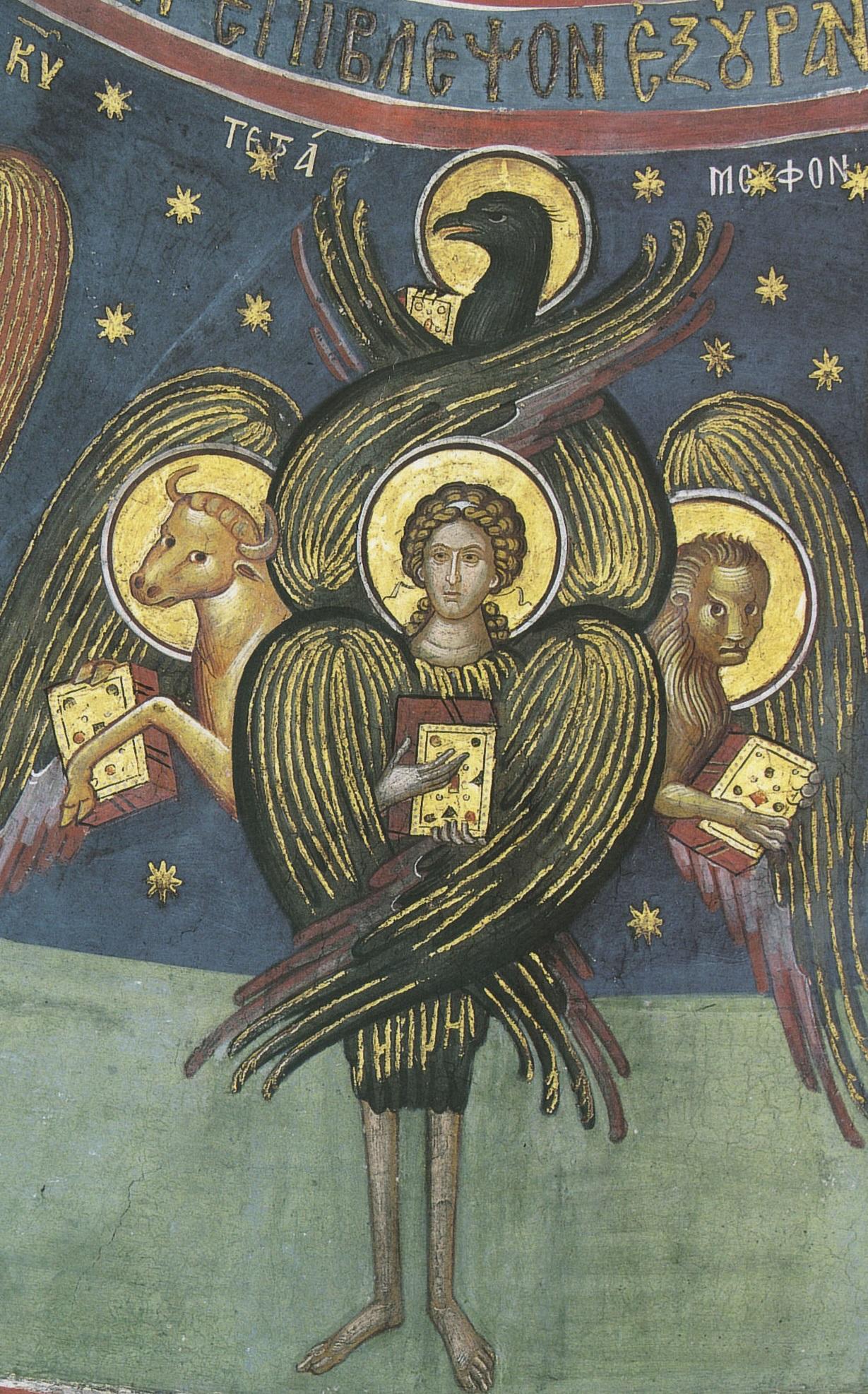
The four-faced living creatures of Ezekiel's vision, guardians of Eden and bearers of the throne of God. Not the chubby baby angels of Renaissance art — those are putti.
The Ophanim
Wheels Within Wheels / The Thrones
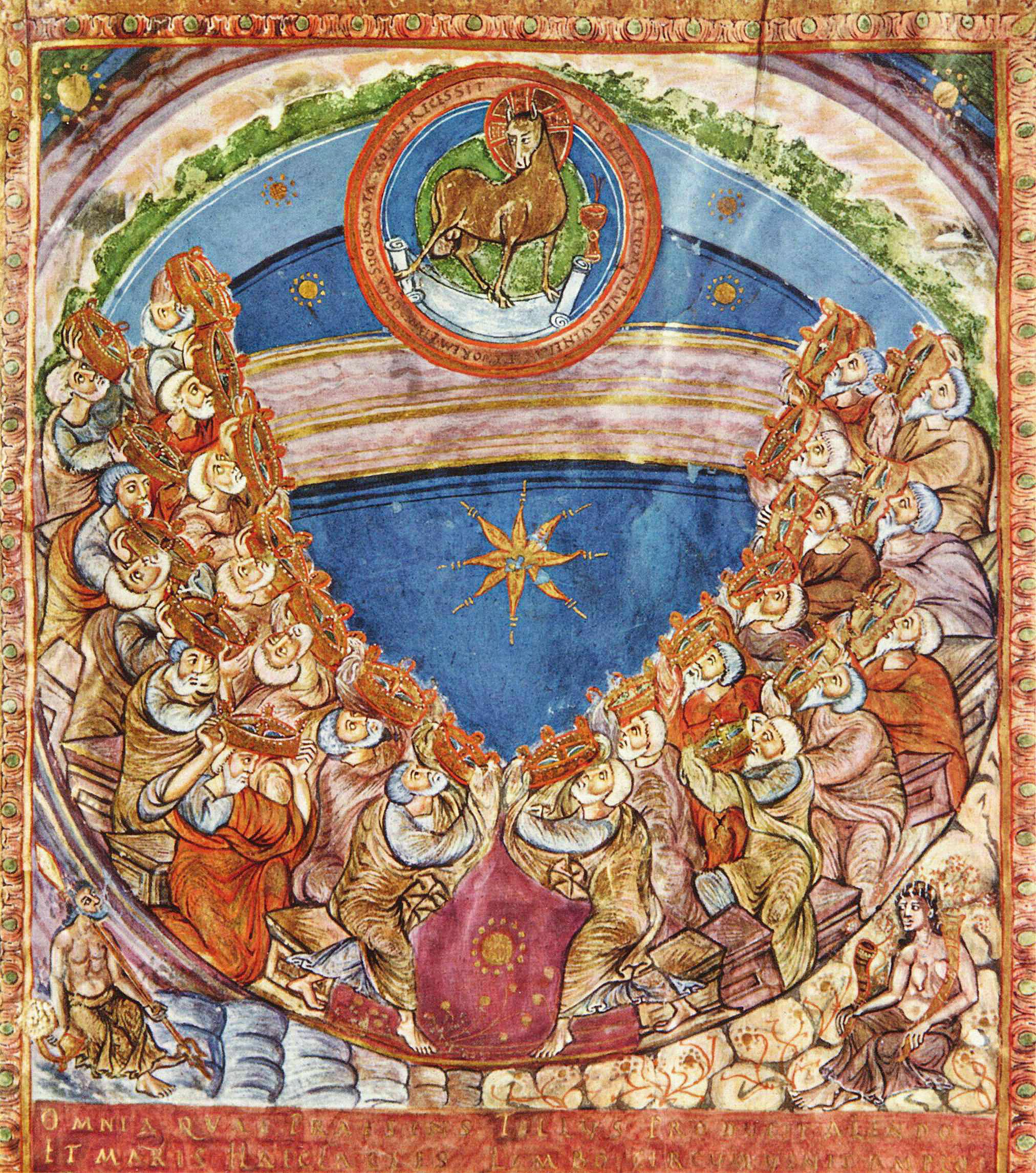
The wheels-within-wheels of Ezekiel's throne vision — eyed, burning, perpetually in motion alongside the Cherubim. Equated in patristic theology with the Thrones, the third highest order of the celestial hierarchy.

The Powers
Guardians of the Order
Third order of the second sphere. Angels who defend the cosmic order against the rebellion of the fallen powers — the principal warriors of the spiritual war.

The Principalities
Guardians of Nations and Provinces
First order of the third sphere. Angels assigned over nations and earthly governance. The fallen members of this order are the principalities Paul names in Ephesians 6.
The Angels (the Order)
Messengers to Mankind
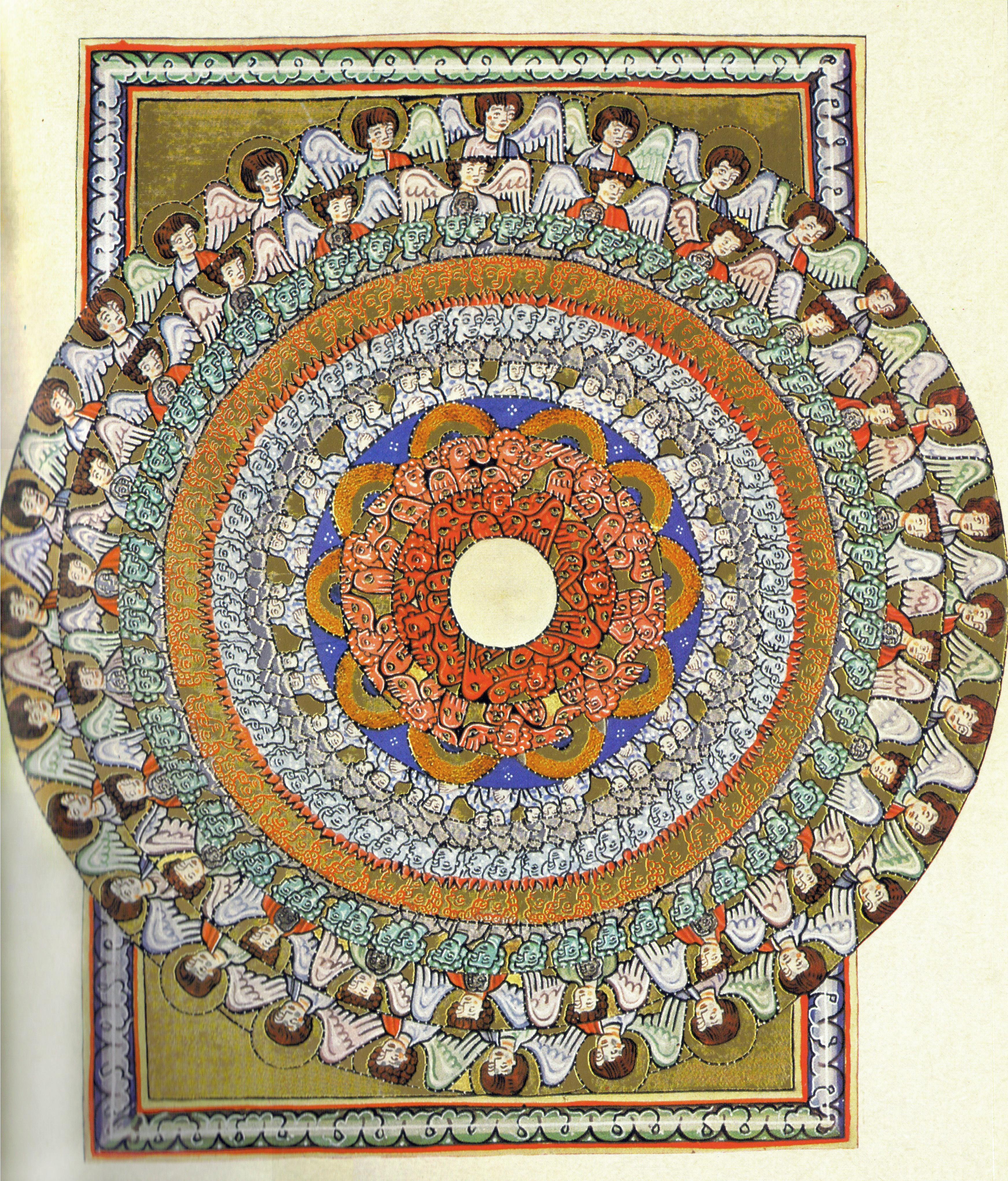
The lowest and most numerous order — the angels nearest to humanity. Guardians, messengers, and the rank that most often appears in the daily life of the saints.
The Angel of the Lord
The Theophanic Presence
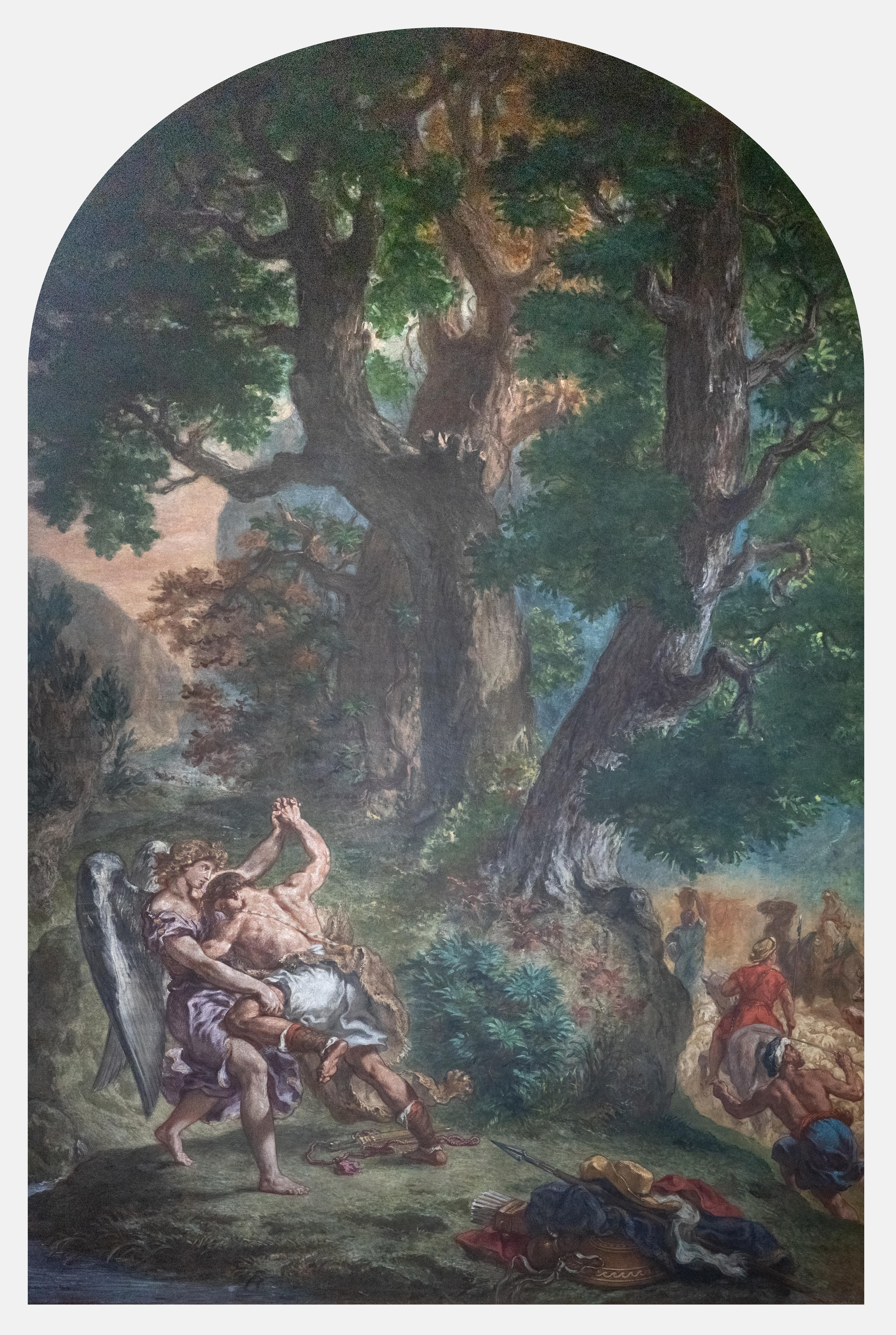
Not one of the angels but the most freighted angelic figure in the Old Testament. The Angel of the Lord speaks as God, receives worship as God, and is identified with God himself — a foreshadowing of Christ that the Fathers read as pre-incarnate appearances of the Son.
Deuterocanonical
1 figure
Ecumenical Tradition
8 figures
Uriel
Fire of God
The fourth named archangel of Christian tradition. Appears in 2 Esdras and 1 Enoch but not in any biblical canon — venerated by Eastern Orthodox, Anglican, and Coptic Christians.
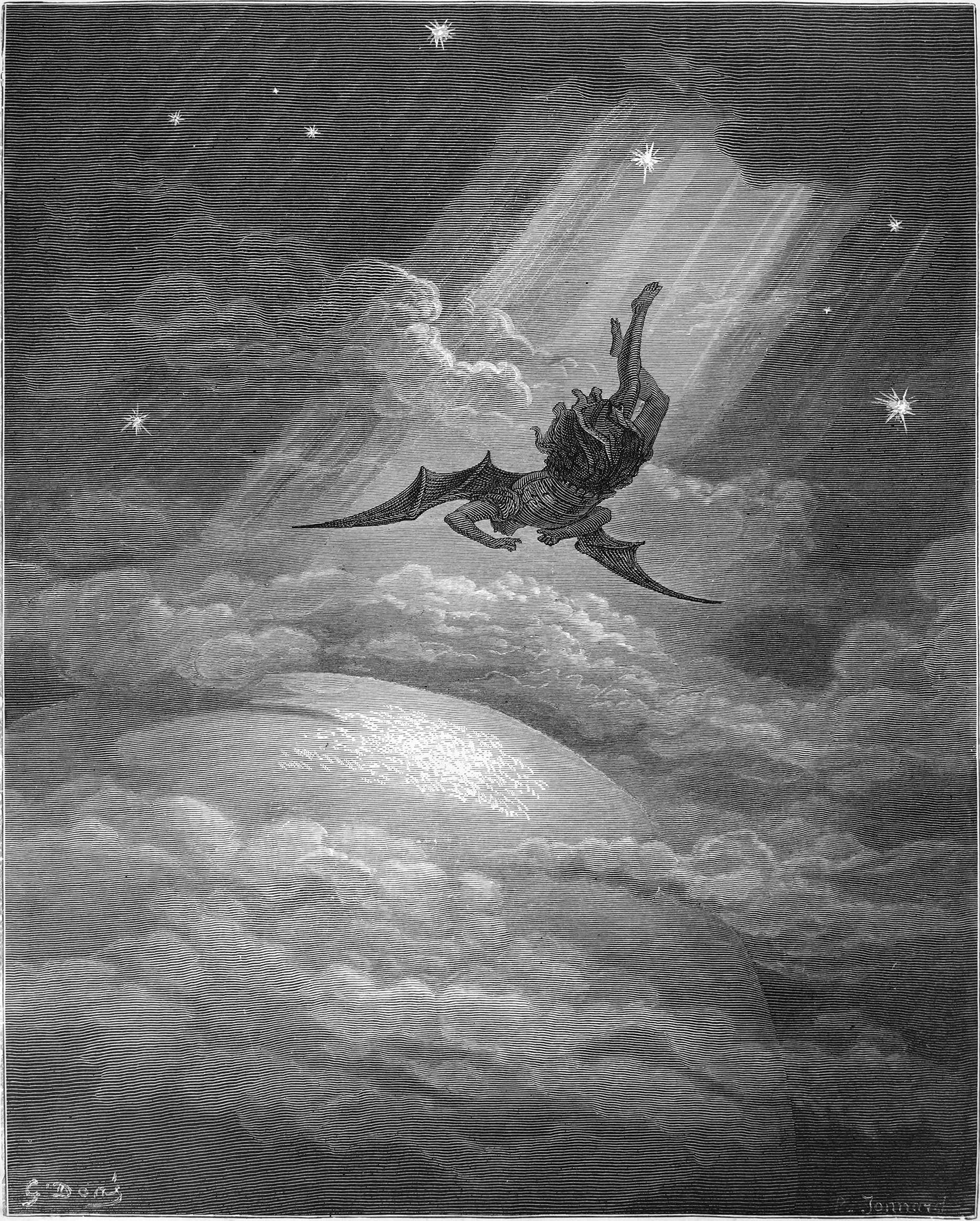
Lucifer
The Lightbringer (Latin Vulgate)
The traditional name for Satan before his fall. The identification with Isaiah 14 is patristic, not original to the Hebrew text — but the broader figure of the fallen 'anointed cherub' has scriptural roots in Ezekiel 28.
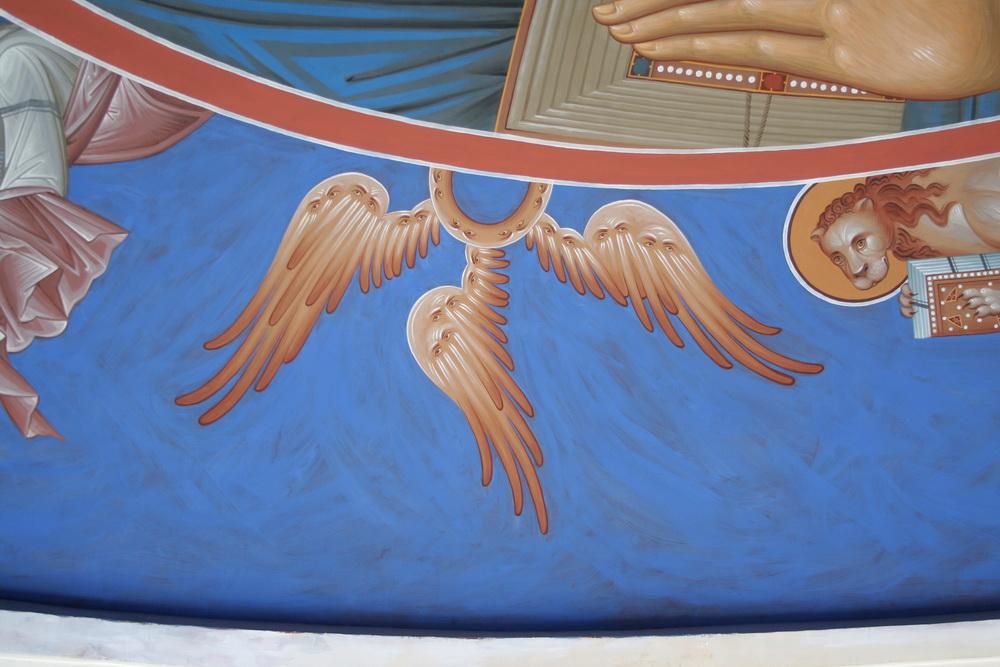
The Thrones
Bearers of the Divine Seat
The third order of the first sphere. Stations of divine judgment, where the seat of God rests over creation. Often equated with the Ophanim of Ezekiel.
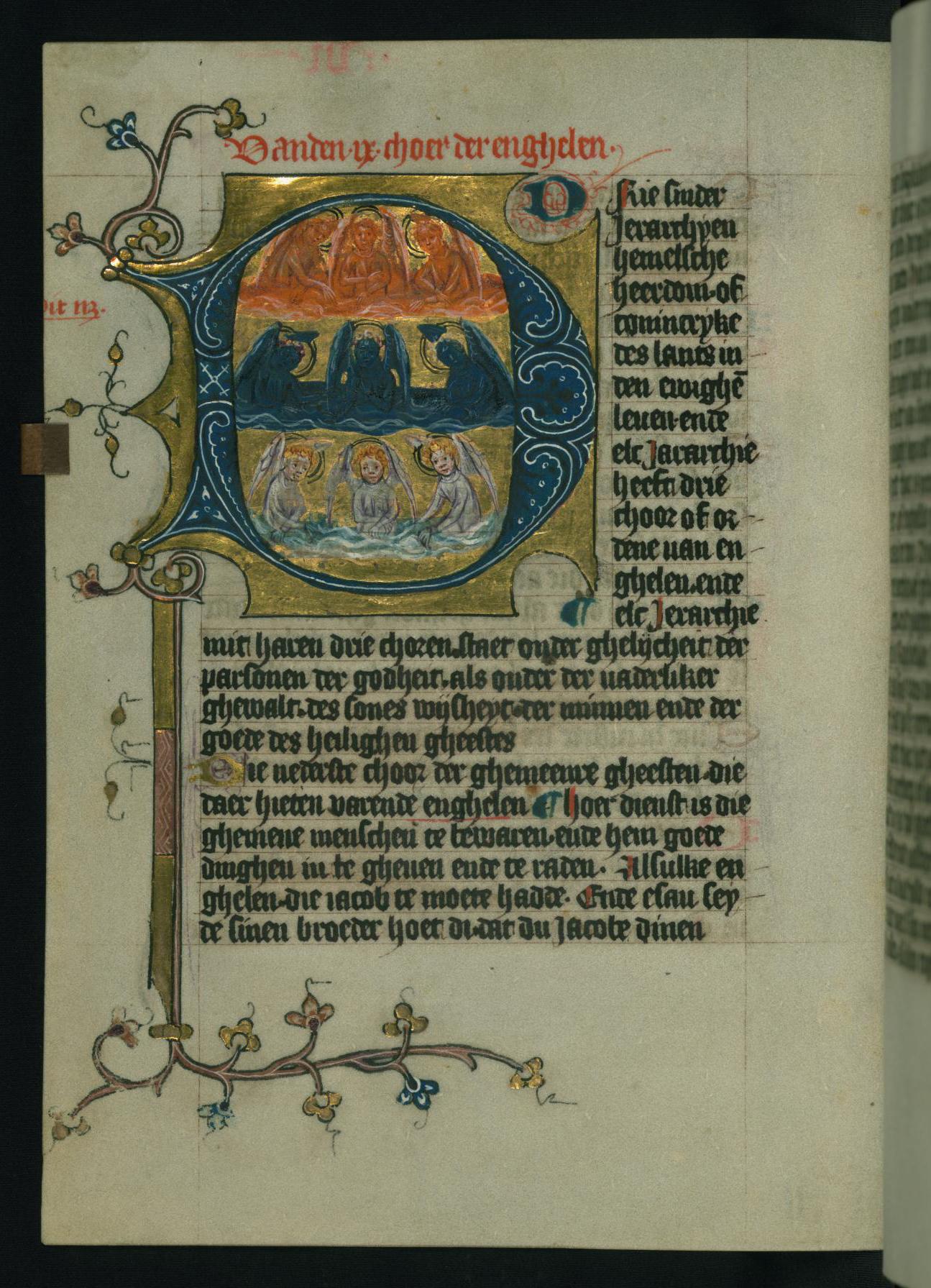
The Dominions
Lords of the Heavenly Governance
First order of the second sphere. Heavenly governors who regulate the duties of lower angels and reflect the order of divine providence.

The Virtues
Channels of Divine Power
Second order of the second sphere. Angels of miracles and grace through which divine strength is channeled into the created order.
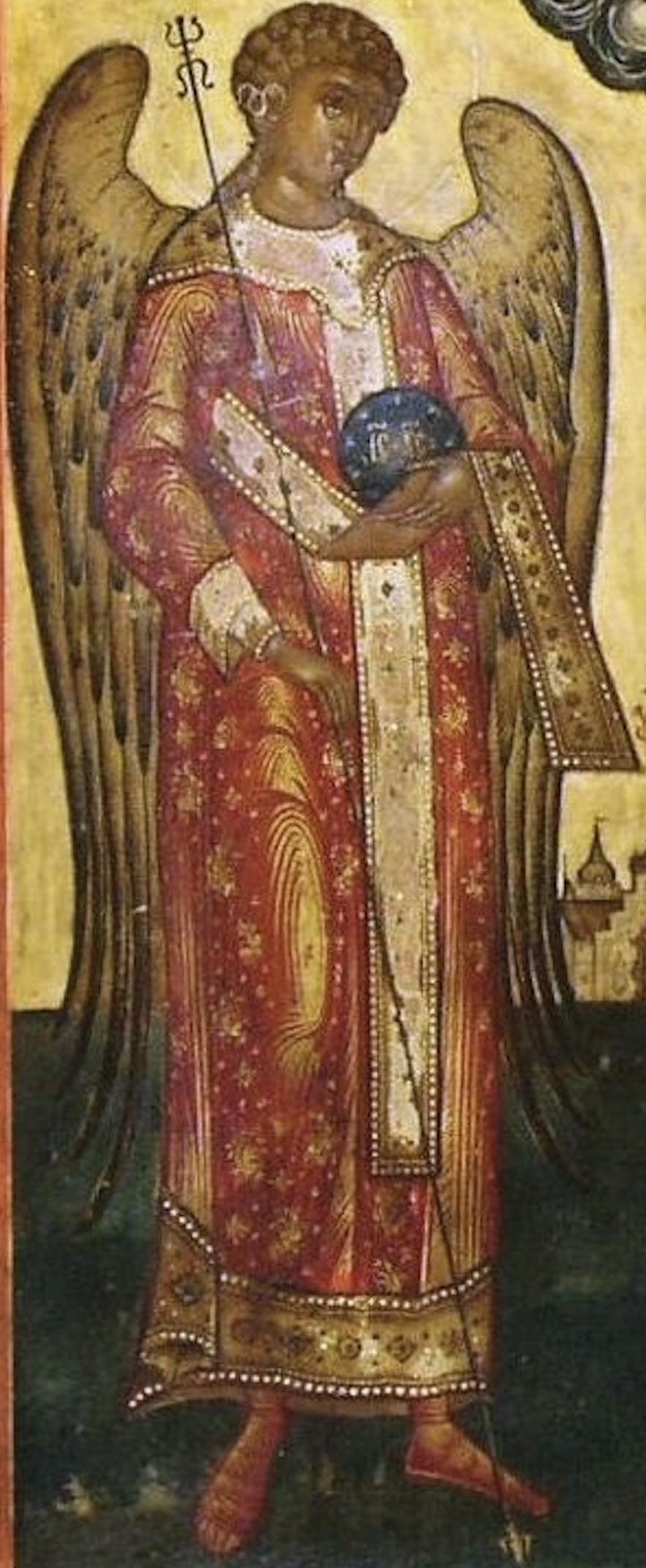
Selaphiel
The Archangel of Prayer
One of the seven archangels of Eastern Orthodox and Coptic tradition. The archangel of prayer and intercession — pictured with face bowed and hands crossed at the chest.
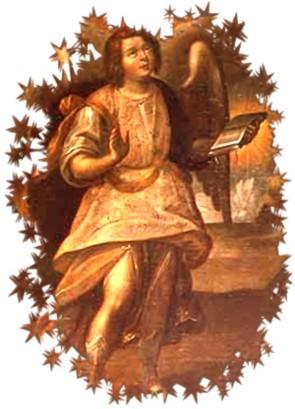
Jegudiel
The Archangel of Labor and Reward
One of the seven archangels. His name means 'Praise of God.' Patron of those who labor faithfully in their calling — pictured holding a golden crown and a three-thonged whip.
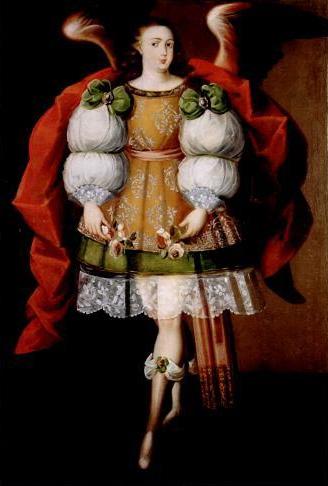
Barachiel
The Archangel of Blessings
One of the seven archangels. His name means 'Blessing of God.' The archangel through whom God's blessings are distributed to the saints — pictured with white roses falling from his garment.
Apocryphal
5 figures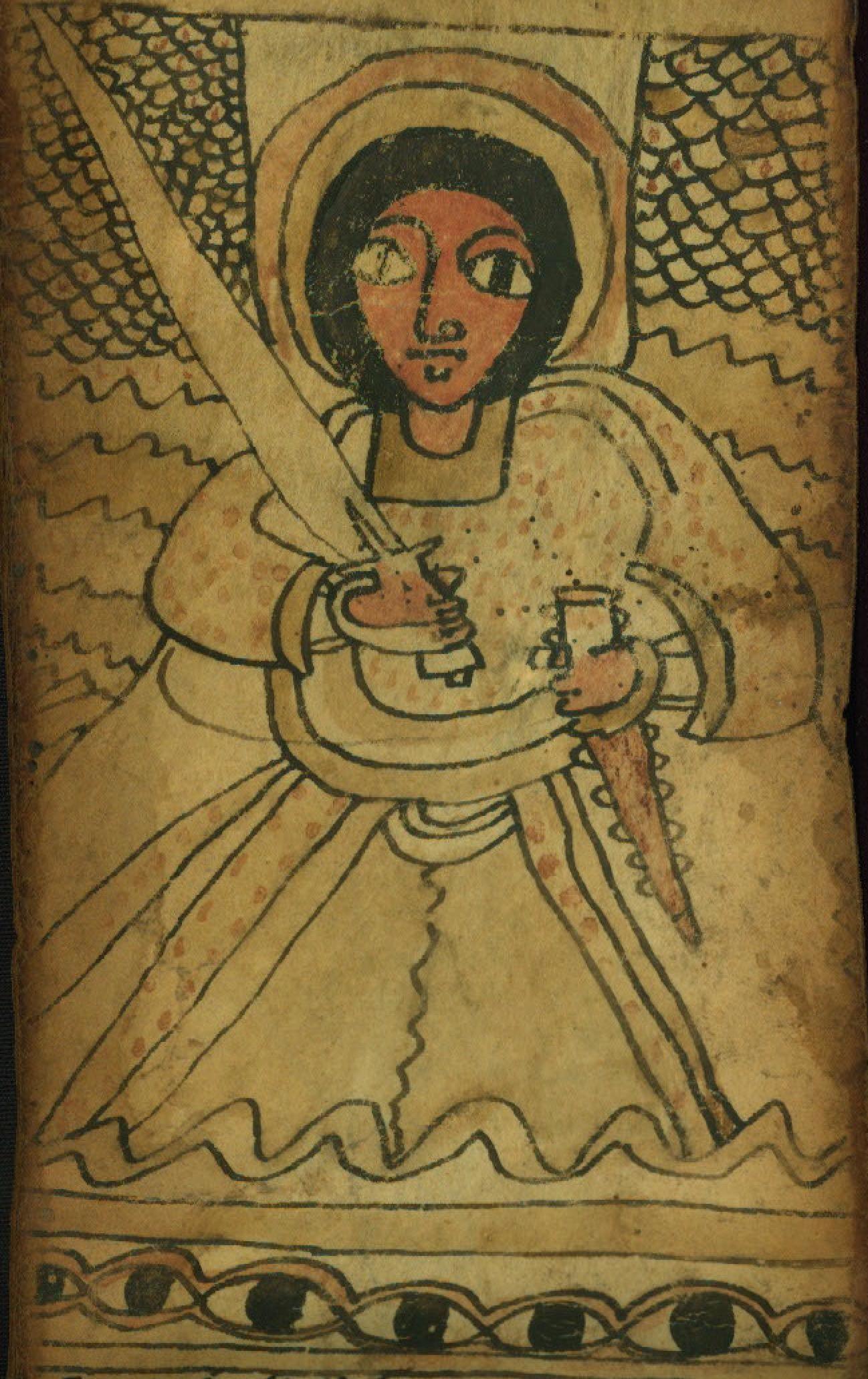
Phanuel
Face of God
The fourth archangel named in 1 Enoch — set over repentance and the inheritance of eternal life. Often equated with Uriel in later tradition.

The Watchers
The Fallen Sons of God
The class of angelic beings who descended in Genesis 6, took human wives, taught humanity forbidden knowledge, and were bound in the earth until judgment. The most influential apocryphal angelology in Christianity.

Samyaza
Leader of the Two Hundred
The chief leader of the rebel Watchers in 1 Enoch — the angel who proposed the descent at Mount Hermon and bound his companions by oath. Imprisoned by Michael under the earth until the day of judgment.
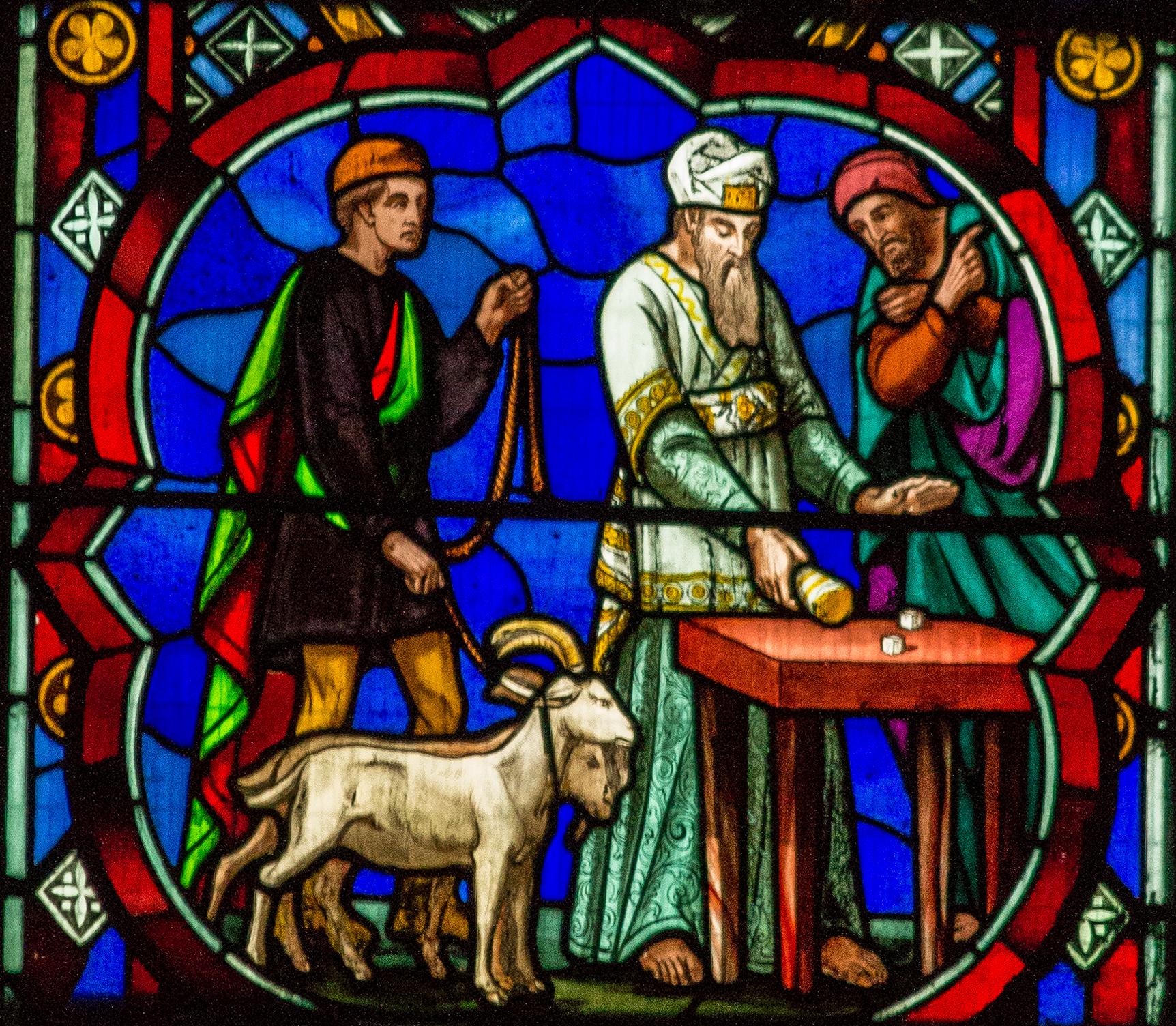
Azazel
The Scapegoat-Bearer
Named in the Day of Atonement ritual of Leviticus 16. In 1 Enoch, the Watcher who taught the making of weapons and cosmetics — bound by Raphael in the desert until the day of judgment.
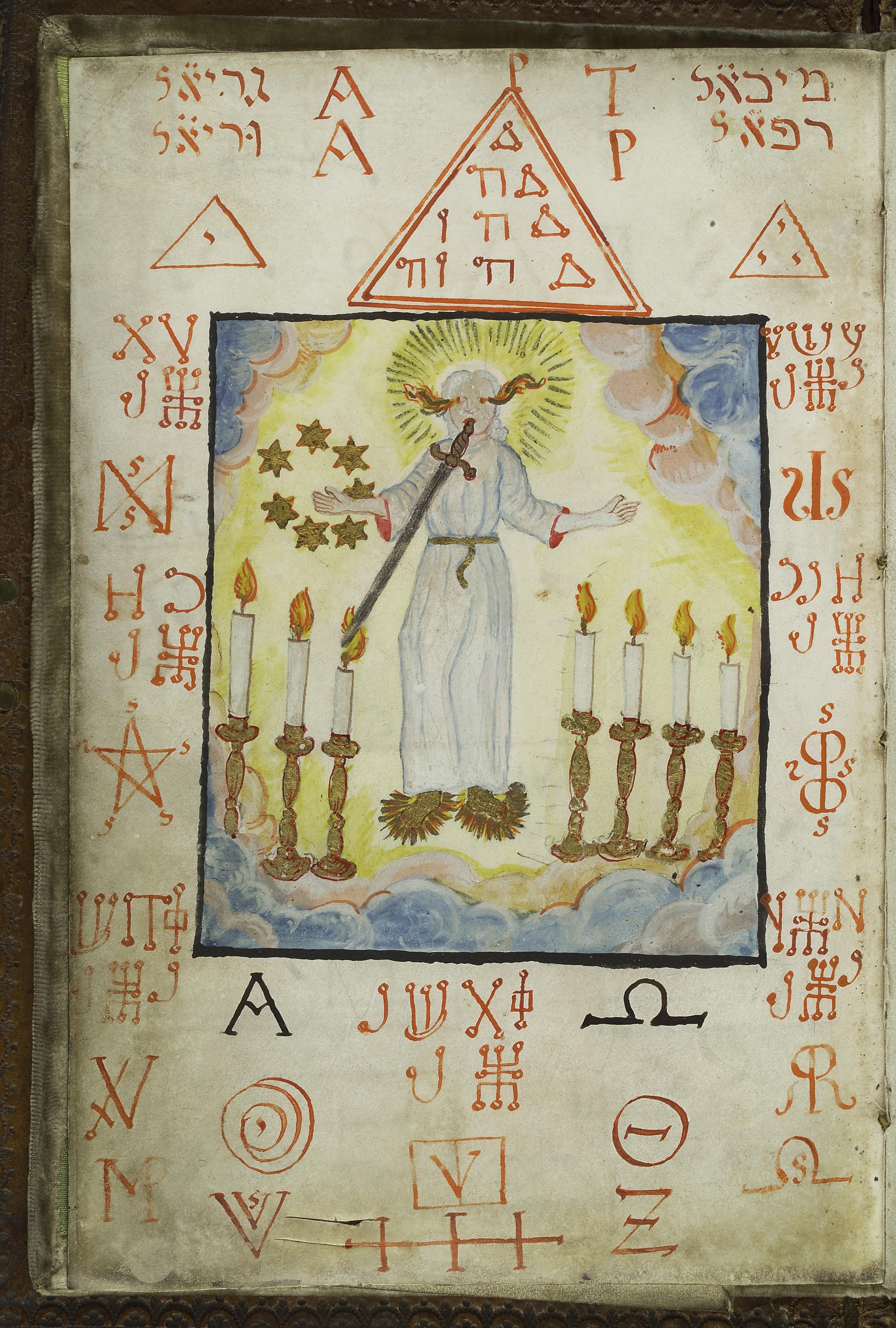
Metatron
The Voice of the Almighty
An exalted angelic figure of Jewish mysticism, identified in some Second Temple traditions with the transformed Enoch. Christianity has never venerated him, but he illuminates the angelology of the world the New Testament writers inherited.