Reformers
The figures who reshaped Western Christianity between 1517 and 1791. Theologians, preachers, and pastors whose primary sources still drive Protestant theology today.
Lutheran
2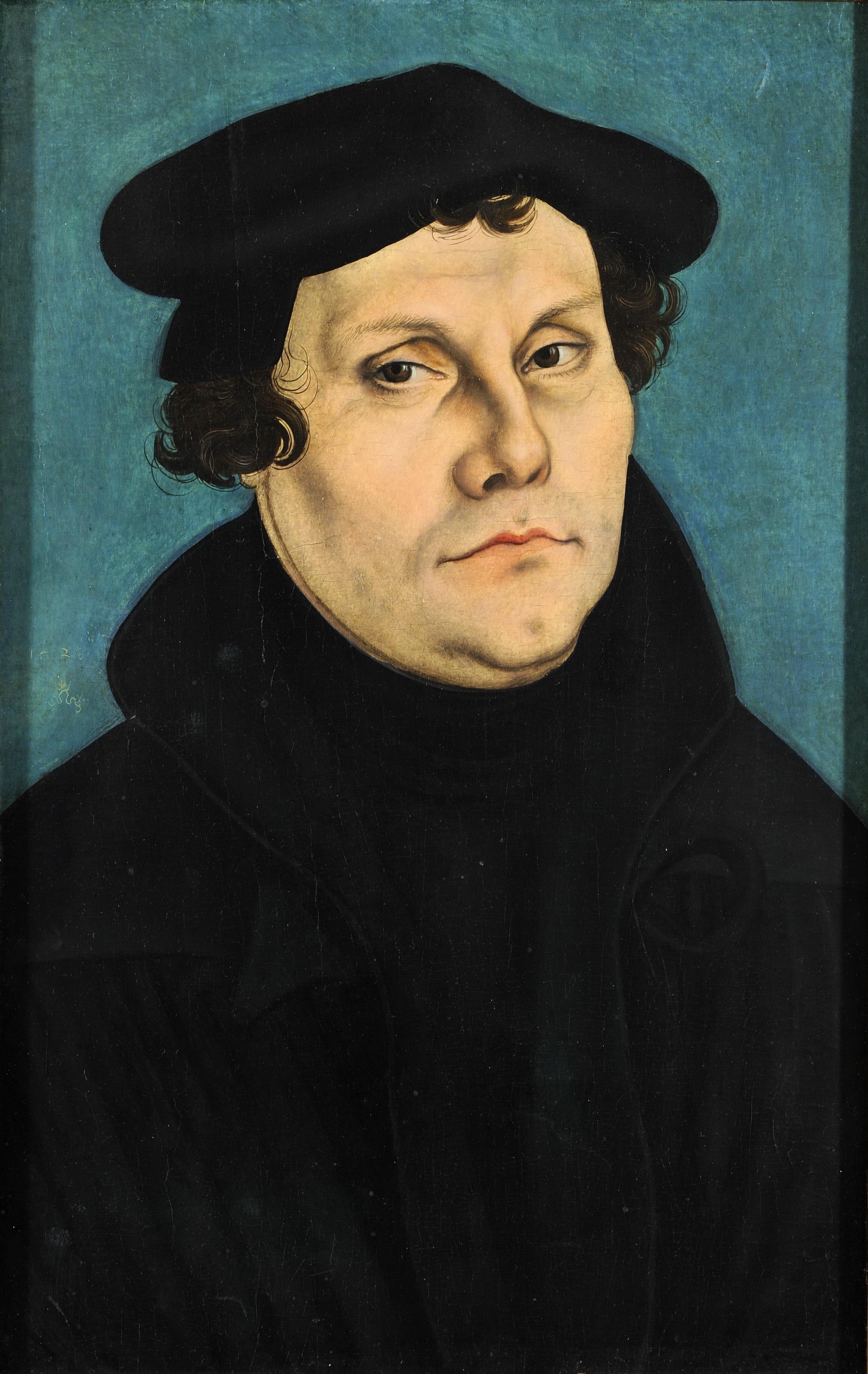 1483–1546
Martin Luther
Father of the Reformation
An Augustinian monk who lit the match. The 95 Theses, the Diet of Worms, Bible translation into German, the doctrine of justification by faith alone — Luther's intellectual fingerprints are on the whole Protestant world.
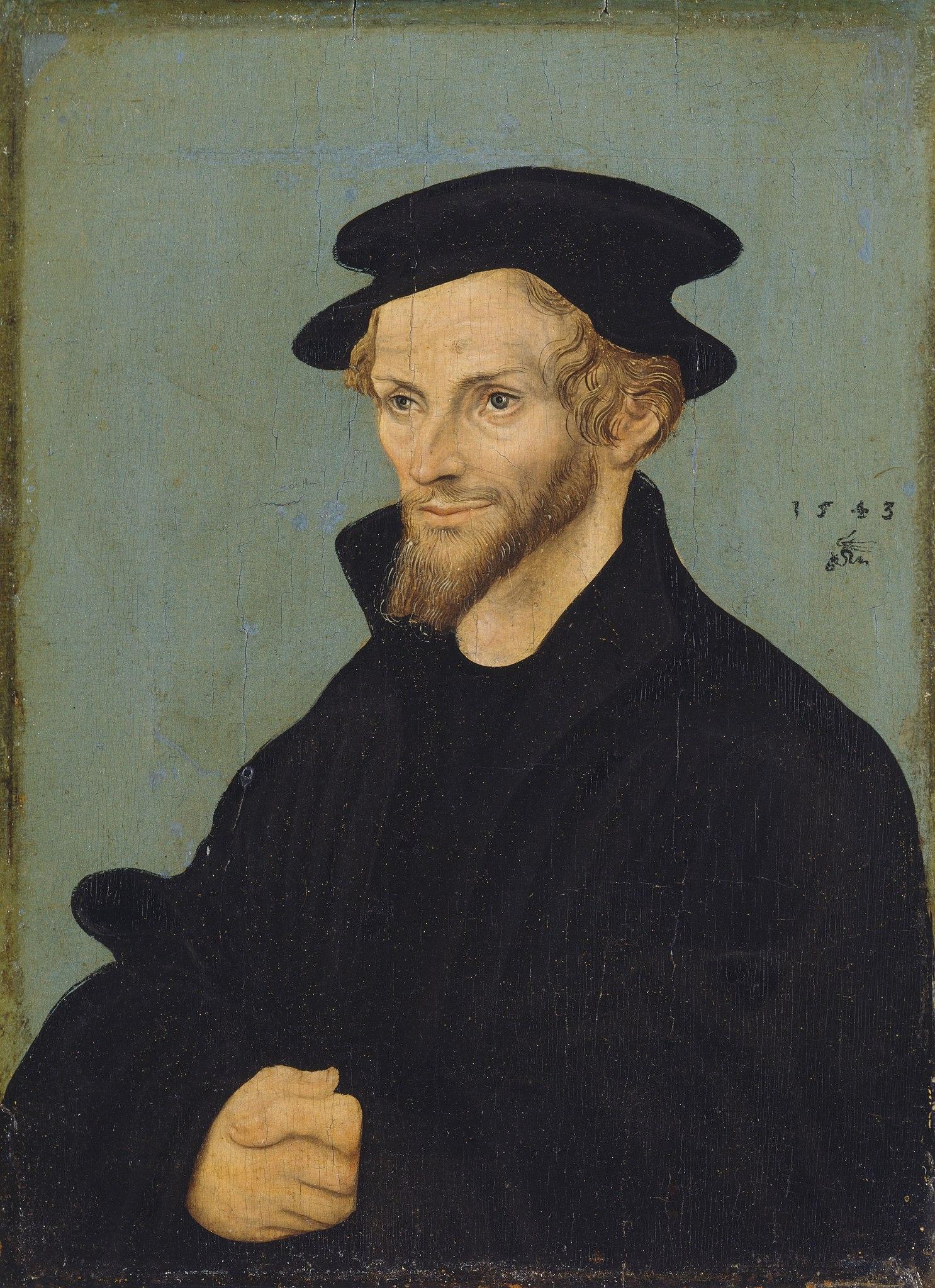 1497–1560
Philip Melanchthon
Praeceptor Germaniae — Teacher of Germany
Luther's right hand and the intellectual architect of confessional Lutheranism. A Greek prodigy at twenty-one, he drafted the Augsburg Confession, wrote the first Protestant systematic theology, and shaped German Protestant education for a century.
Reformed
8 1509–1564
John Calvin
Theologian of Geneva
The systematic theologian of the Reformation. Made Geneva a pattern city of Reformed church order. Wrote the Institutes — the most influential single work of Protestant theology — at twenty-six and revised it for the rest of his life.
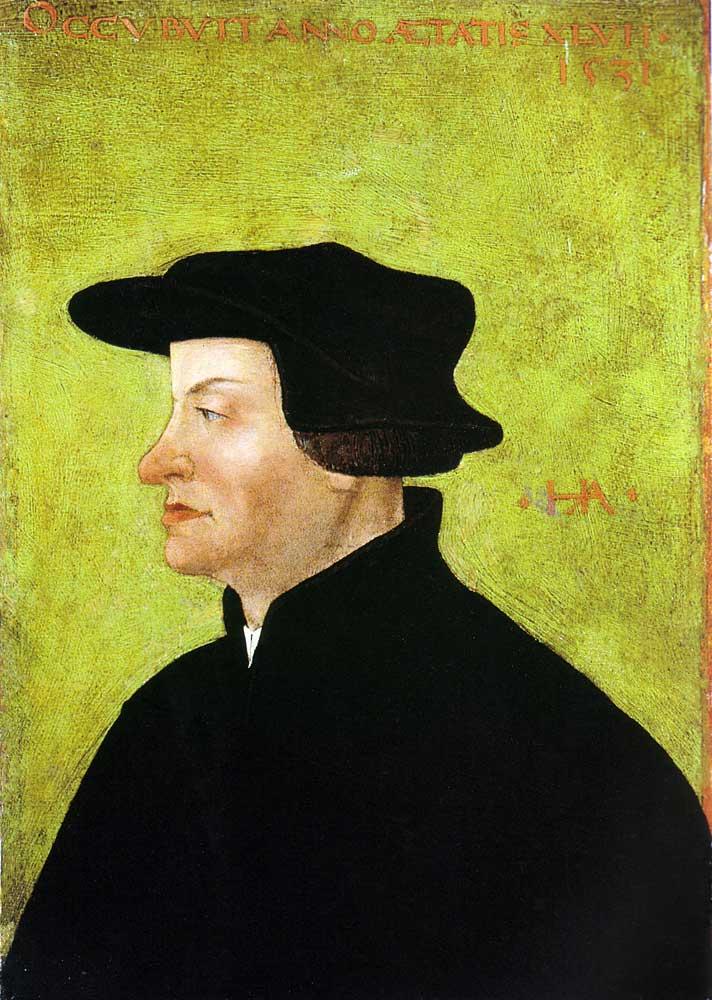 1484–1531
Huldrych Zwingli
The Swiss Reformer
The Reformer of Zürich. An independent witness, parallel to Luther but theologically distinct — especially on the Lord's Supper, where his memorial view diverged from Luther's bodily presence and produced the Marburg Colloquy of 1529.
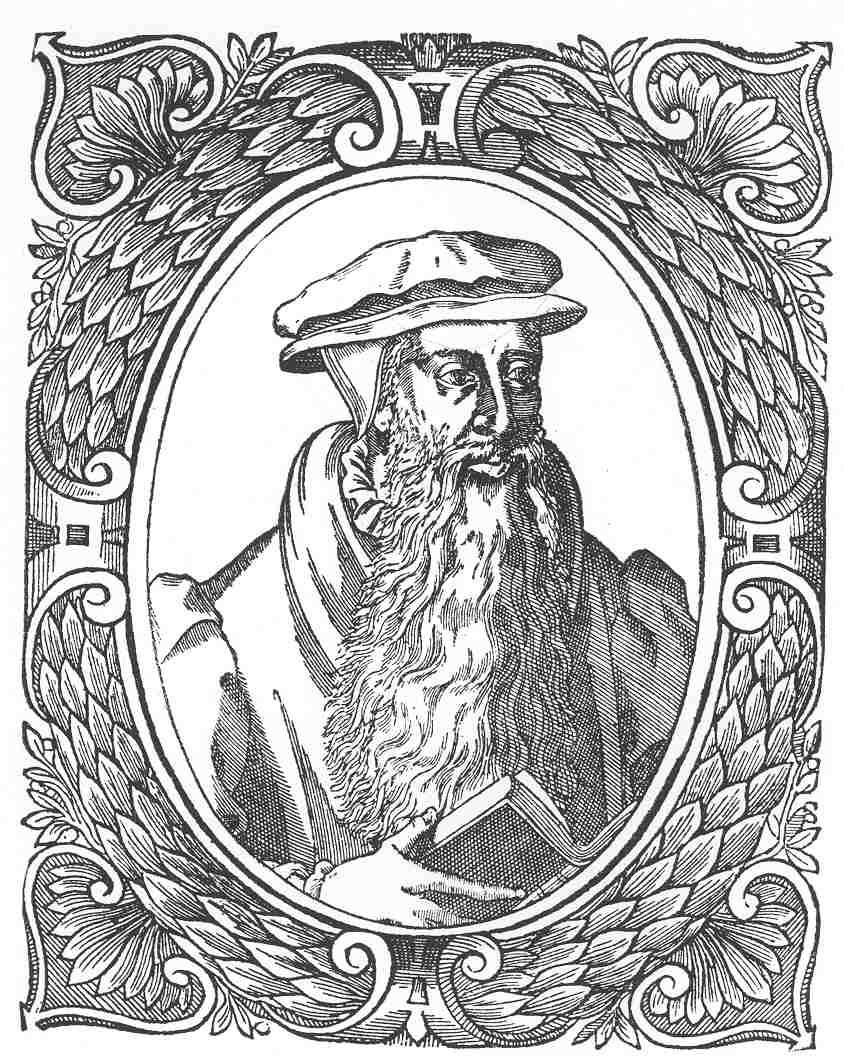 c. 1514–1572
John Knox
Founder of Scottish Presbyterianism
The fiery preacher who Reformed Scotland. Galley slave, refugee, Geneva exile, then chief architect of the Scots Confession and the First Book of Discipline — the foundations of Presbyterian church order.
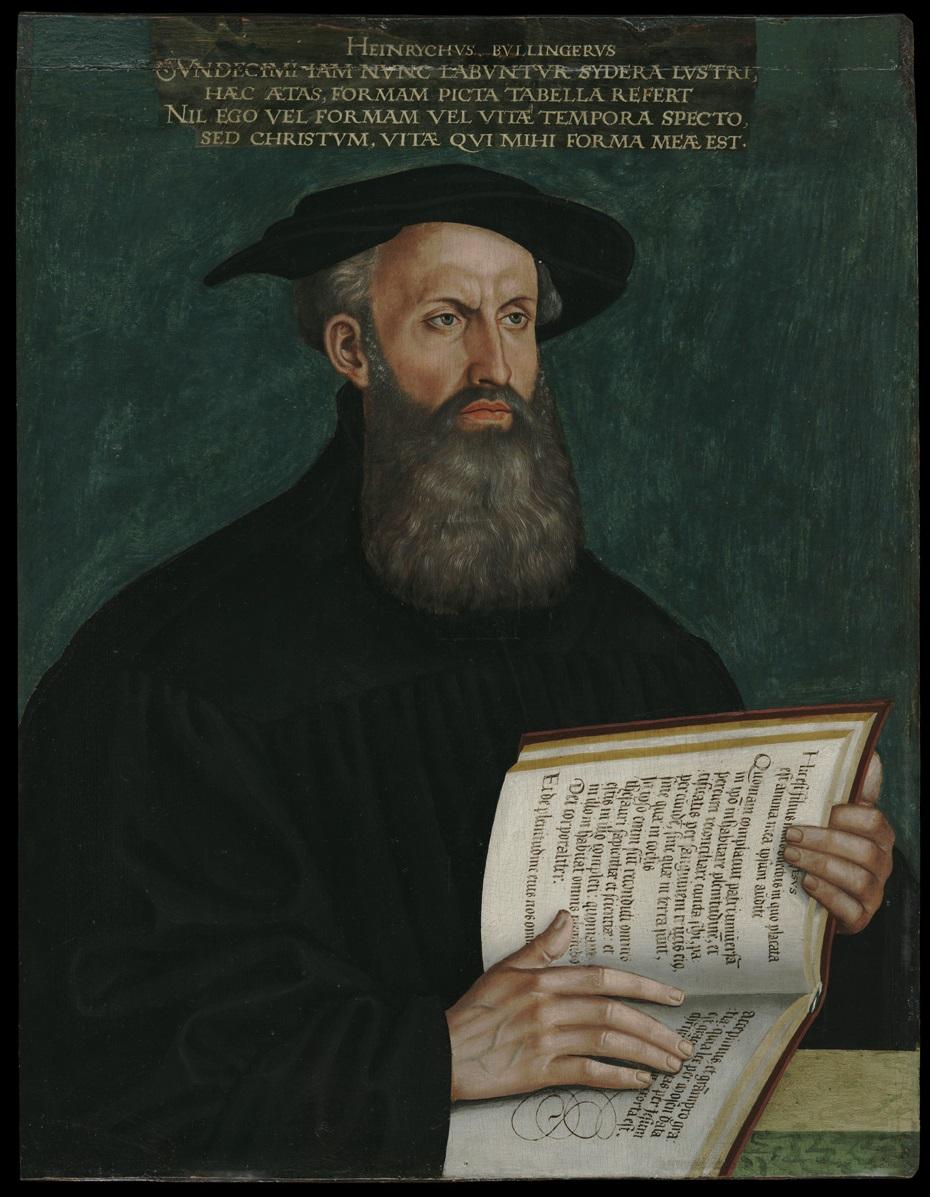 1504–1575
Heinrich Bullinger
Antistes of Zürich
Zwingli's successor and the longest-serving leader of the Reformed cause anywhere. For forty-four years he presided over Zürich, wrote the Second Helvetic Confession, and made the Reformed church a coherent international body through tens of thousands of letters.
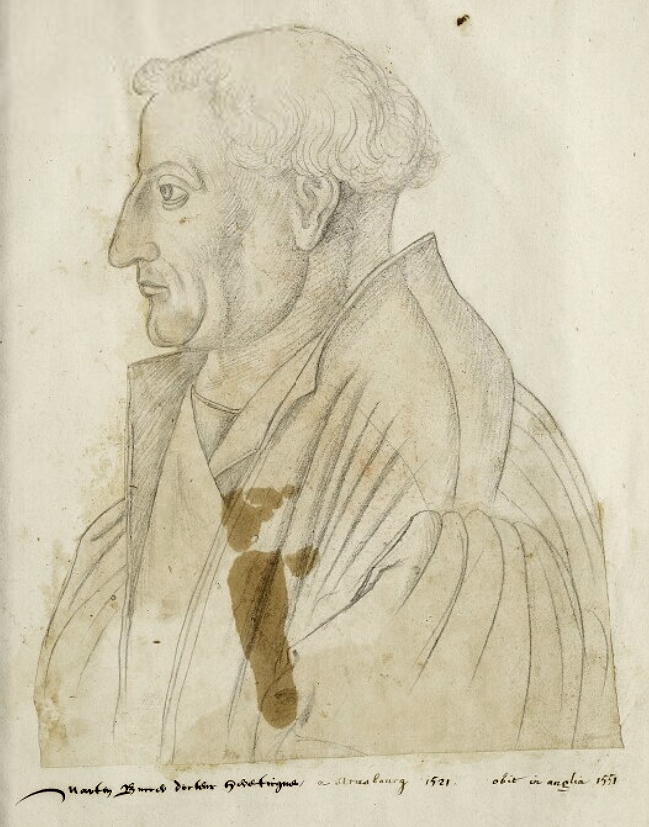 1491–1551
Martin Bucer
The Bridge-Builder of Strasbourg
A former Dominican who became the leader of the Reformation in Strasbourg for 25 years. He spent his career trying to reconcile Luther and Zwingli on the Lord's Supper, mentored Calvin during his Strasbourg years, and shaped the English Reformation from his Cambridge chair.
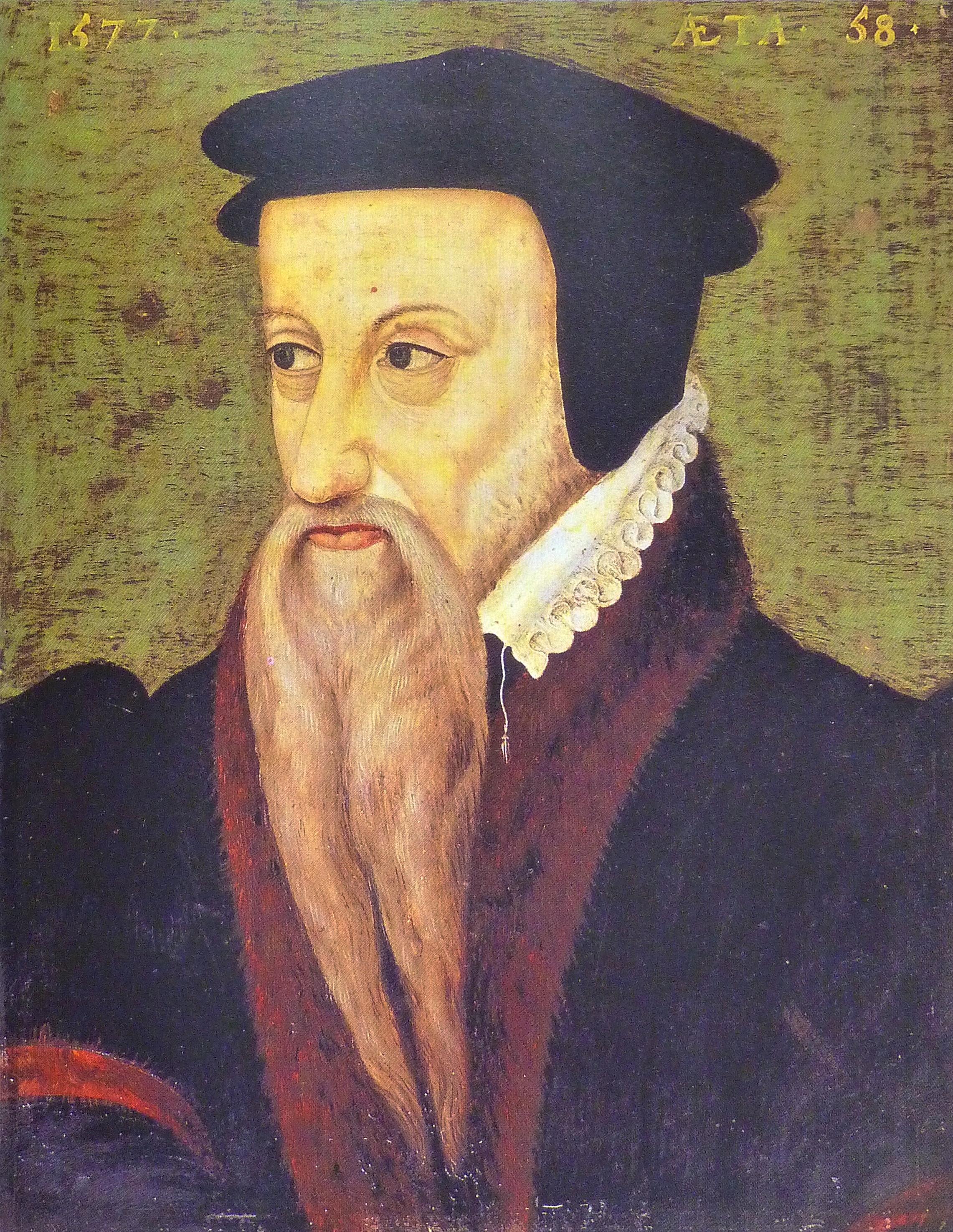 1519–1605
Theodore Beza
Calvin's Successor
Calvin's chosen successor at Geneva and the institutional architect of international Calvinism. Rector of the Genevan Academy, leader of the French Huguenots at Poissy, and the theologian who systematized Reformed predestinarian theology into the form later codified at Dort.
 c. 1494–1536
William Tyndale
Father of the English Bible
The Oxford-trained linguist who first translated the New Testament into printed English from the original Greek. Hunted across Europe for it, strangled and burned at Vilvoorde in 1536. Eighty percent of the King James Bible is, word for word, his.
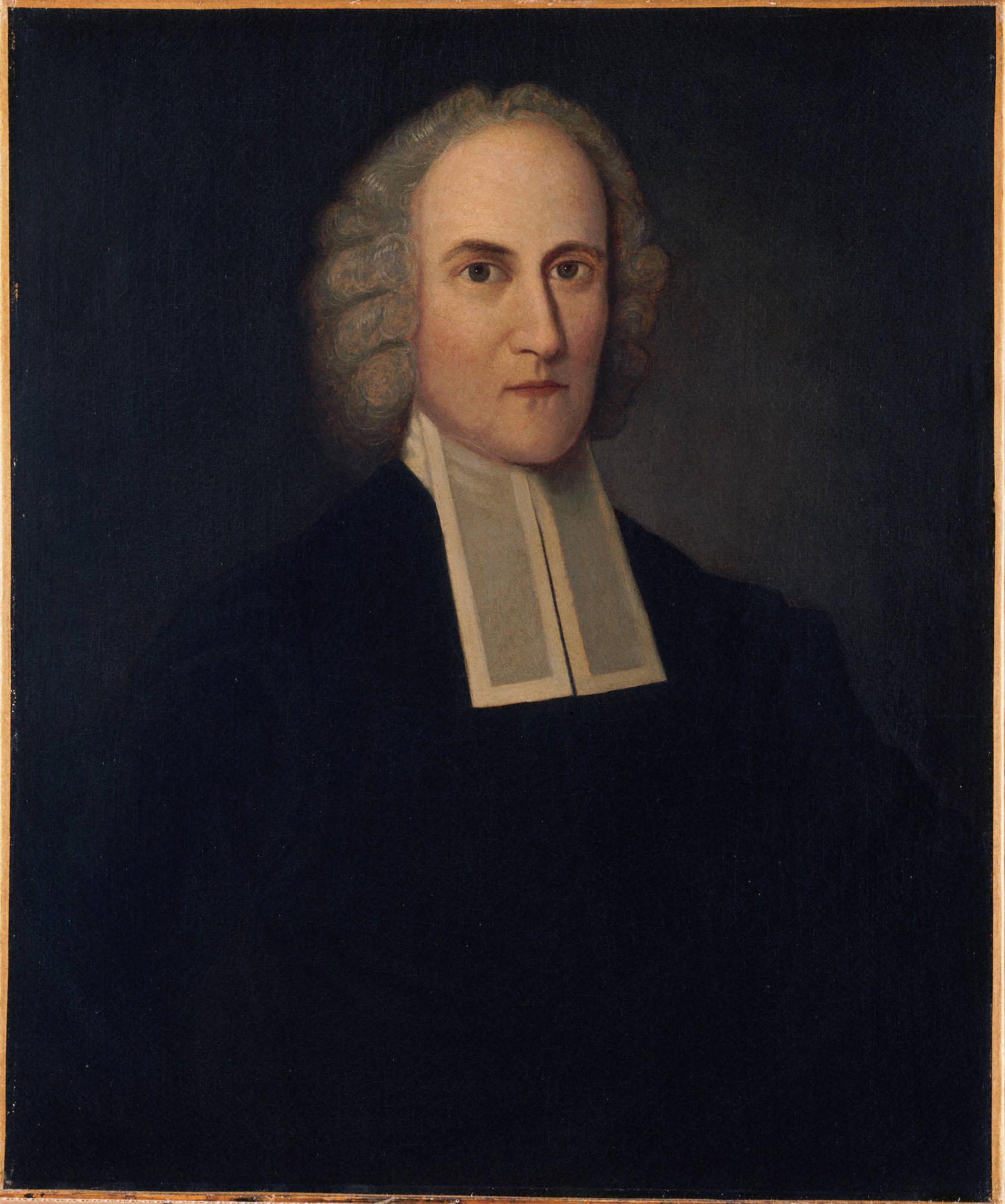 1703–1758
Jonathan Edwards
Theologian of the Great Awakening
The greatest theological mind colonial America produced. Pastor of Northampton during the Great Awakening of 1740–1742, philosophical defender of Reformed doctrine, missionary to the Mohicans at Stockbridge, and dead of a smallpox inoculation five weeks into his Princeton presidency.
Anglican
1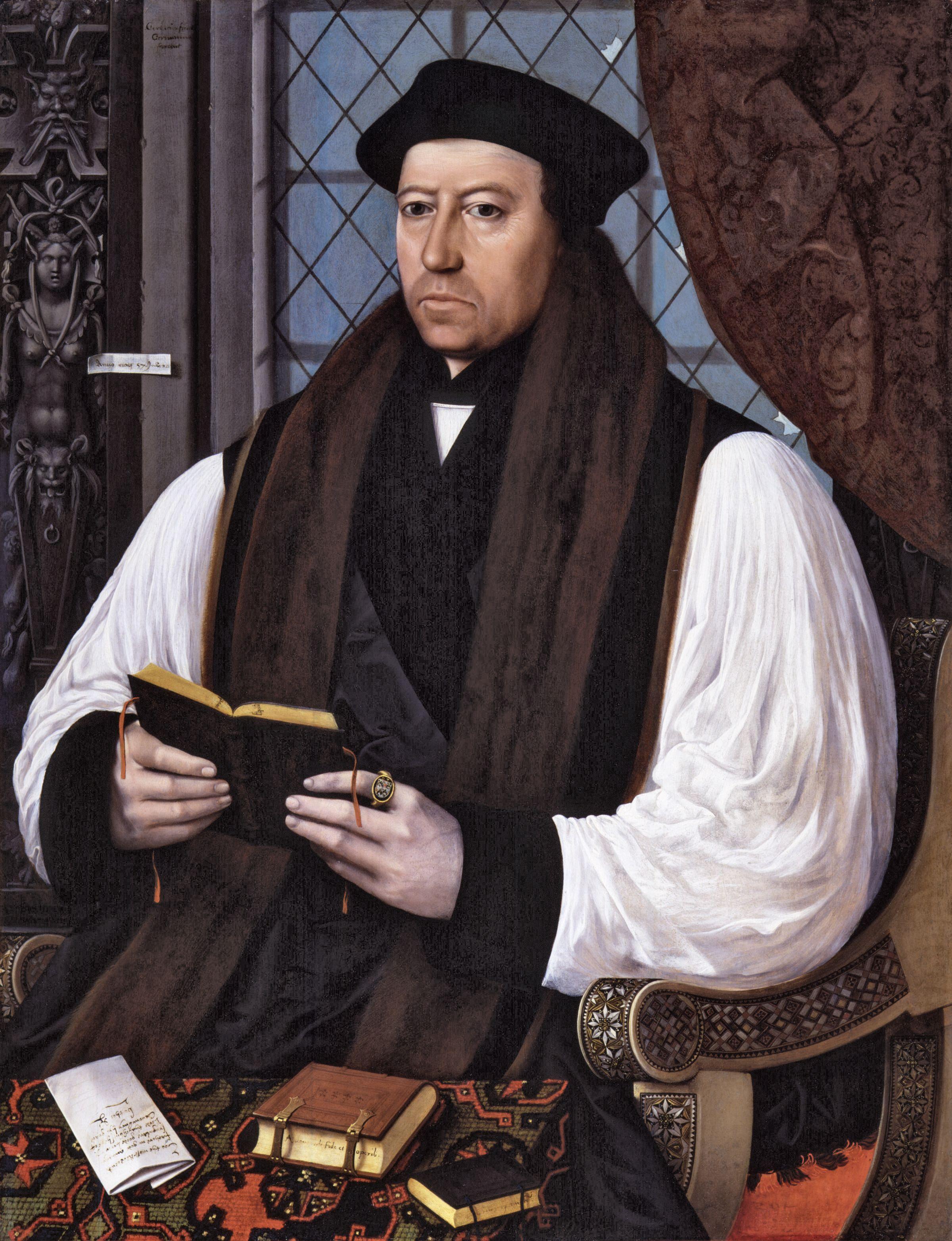
Wesleyan / Methodist
1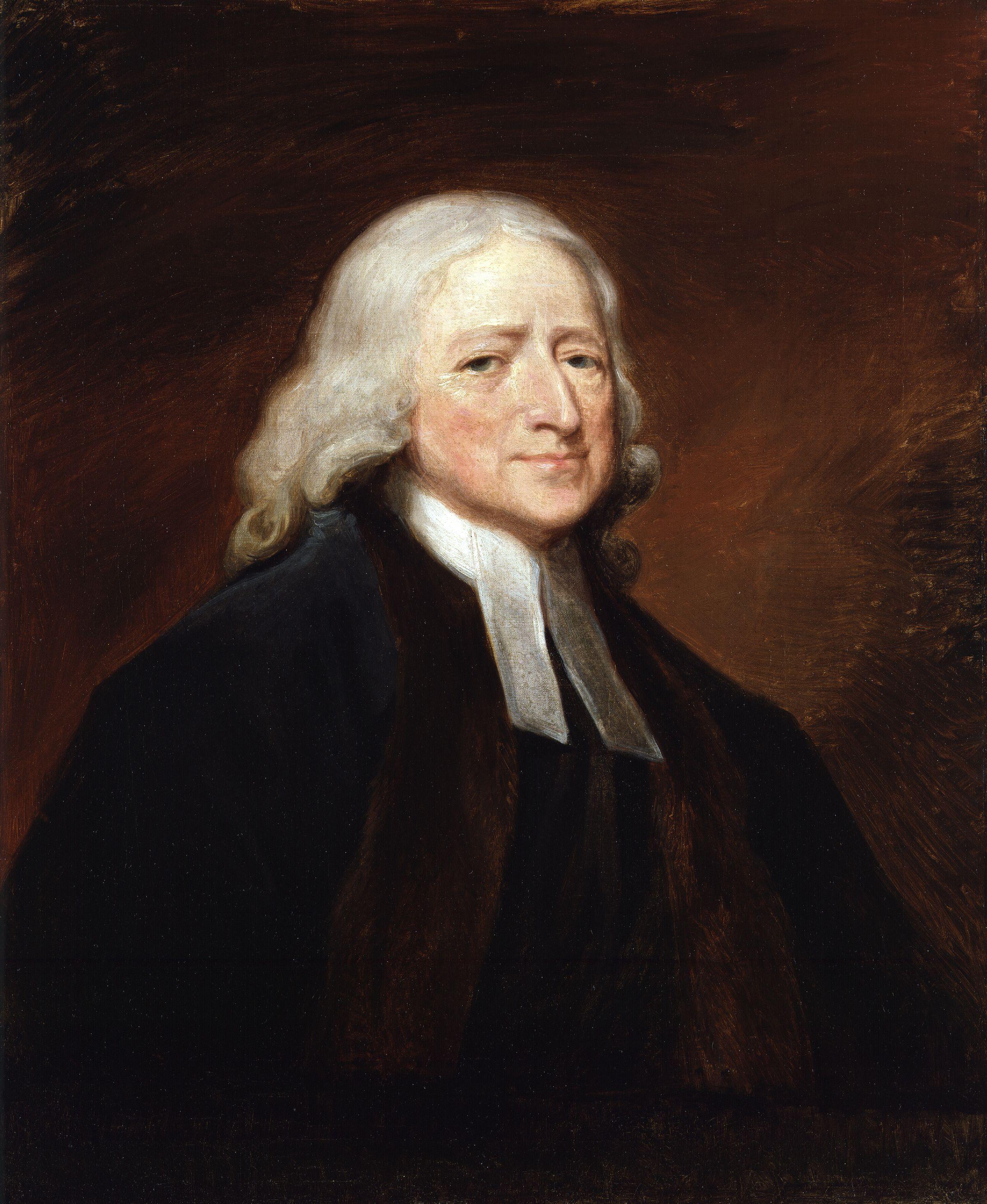
Pentecostal / Charismatic
3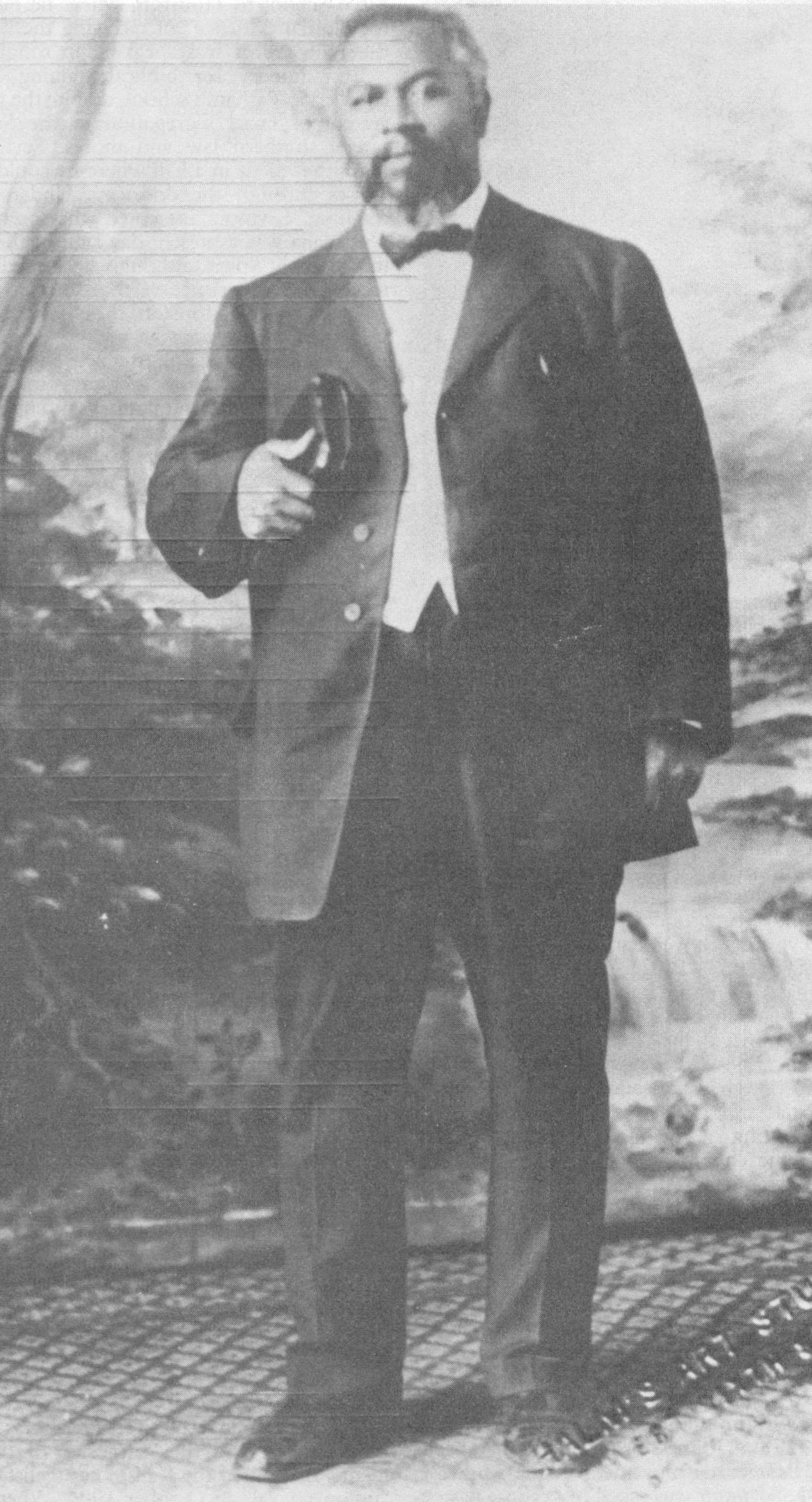 1870–1922
William J. Seymour
Apostle of Azusa Street
The African-American son of former slaves who led the Azusa Street Revival from 1906 to 1915 — the founding event of modern Pentecostalism. He preached racial integration as a Spirit-baptized fact at the height of Jim Crow America.
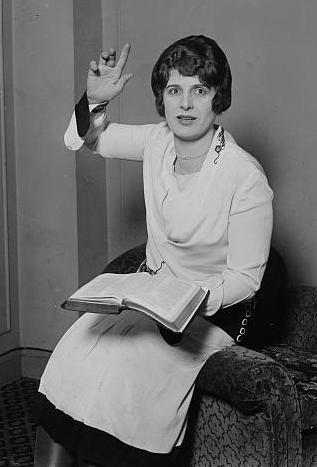 1890–1944
Aimee Semple McPherson
Sister Aimee, Foursquare Founder
Canadian farm girl who became the first major woman evangelist of the radio age. Founded the Foursquare Gospel Church in 1923, built the 5,300-seat Angelus Temple in Los Angeles, and made Pentecostal Christianity a feature of American mass culture.
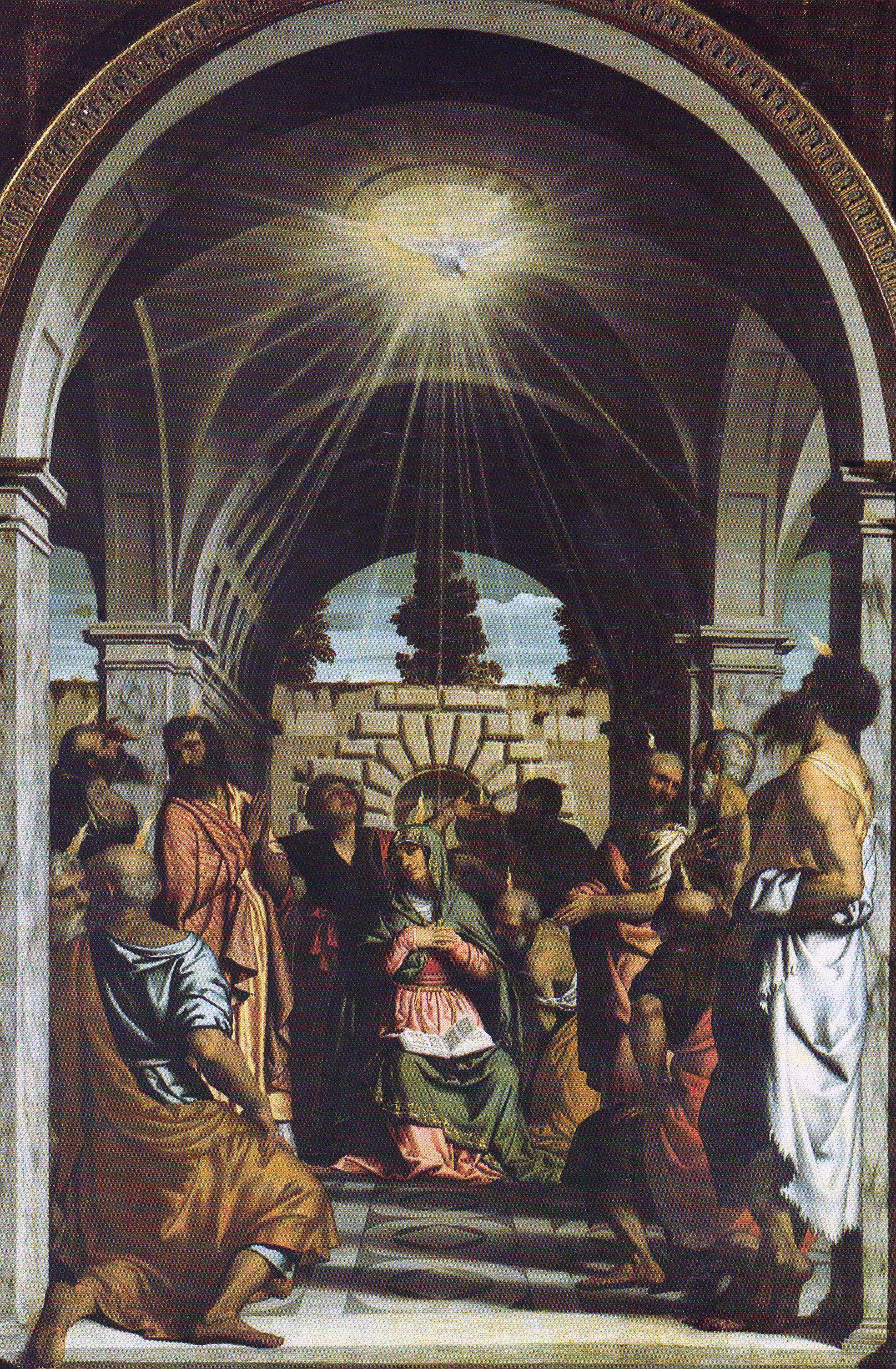 1917–1991
Dennis Bennett
The Episcopal Trigger of the Charismatic Renewal
The Episcopal priest whose April 3, 1960 announcement to his Van Nuys congregation that he had received the baptism of the Holy Spirit and spoken in tongues opened the door of the Charismatic Renewal in the historic denominations.
Adventist
2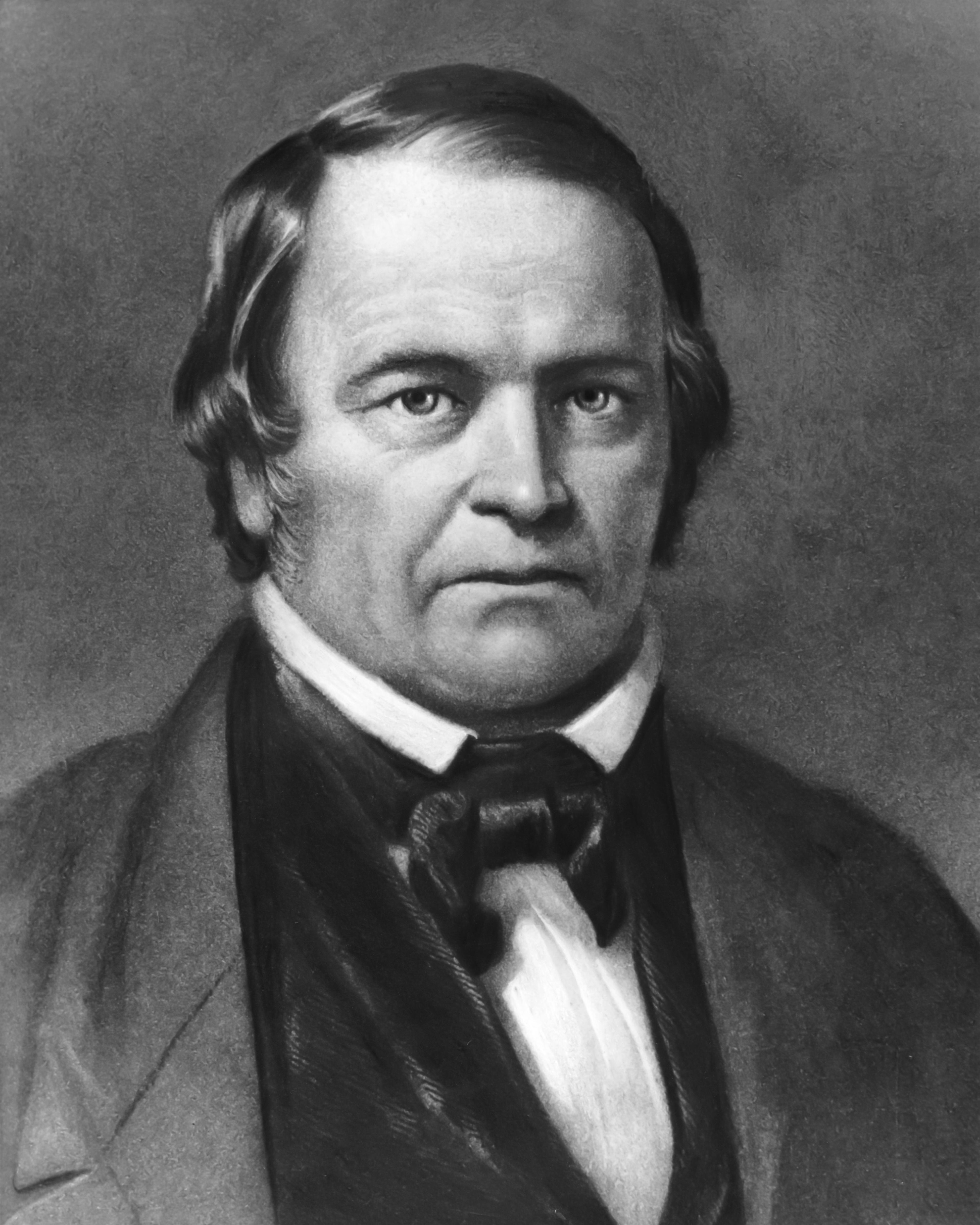 1782–1849
William Miller
The Preacher of 1844
Baptist farmer-preacher of upstate New York who used historicist prophetic interpretation to predict the return of Christ on October 22, 1844. The "Great Disappointment" of that day shattered his followers — but a remnant reinterpreted the date as the start of Christ's heavenly sanctuary ministry, becoming the seed of Adventism.
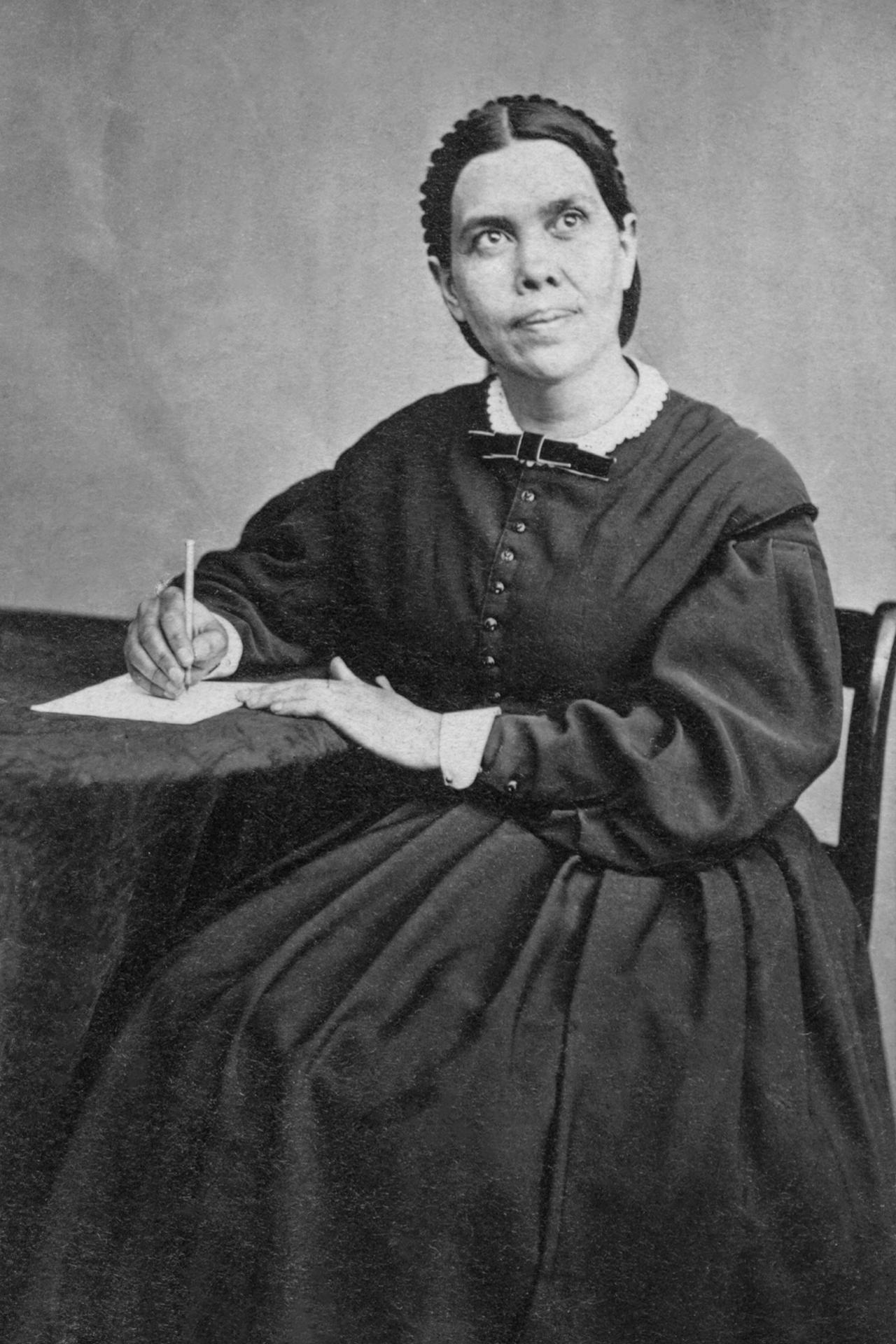 1827–1915
Ellen G. White
Prophetess of the Adventist Movement
The visionary and primary theological architect of the Seventh-day Adventist Church. Across seventy years she received ~2,000 visions, wrote 40+ books and roughly 5,000 articles, and shaped the church's distinctive doctrines on the Sabbath, the heavenly sanctuary, health reform, and education.