Royal
Family
The Holy Family, the forerunner's house, the brothers of the Lord, the Davidic line, and the witnesses who received Christ at the Presentation. Seventeen profiles, one household.
The Holy Family3
Jesus, Mary, and Joseph — the household of the Incarnation.
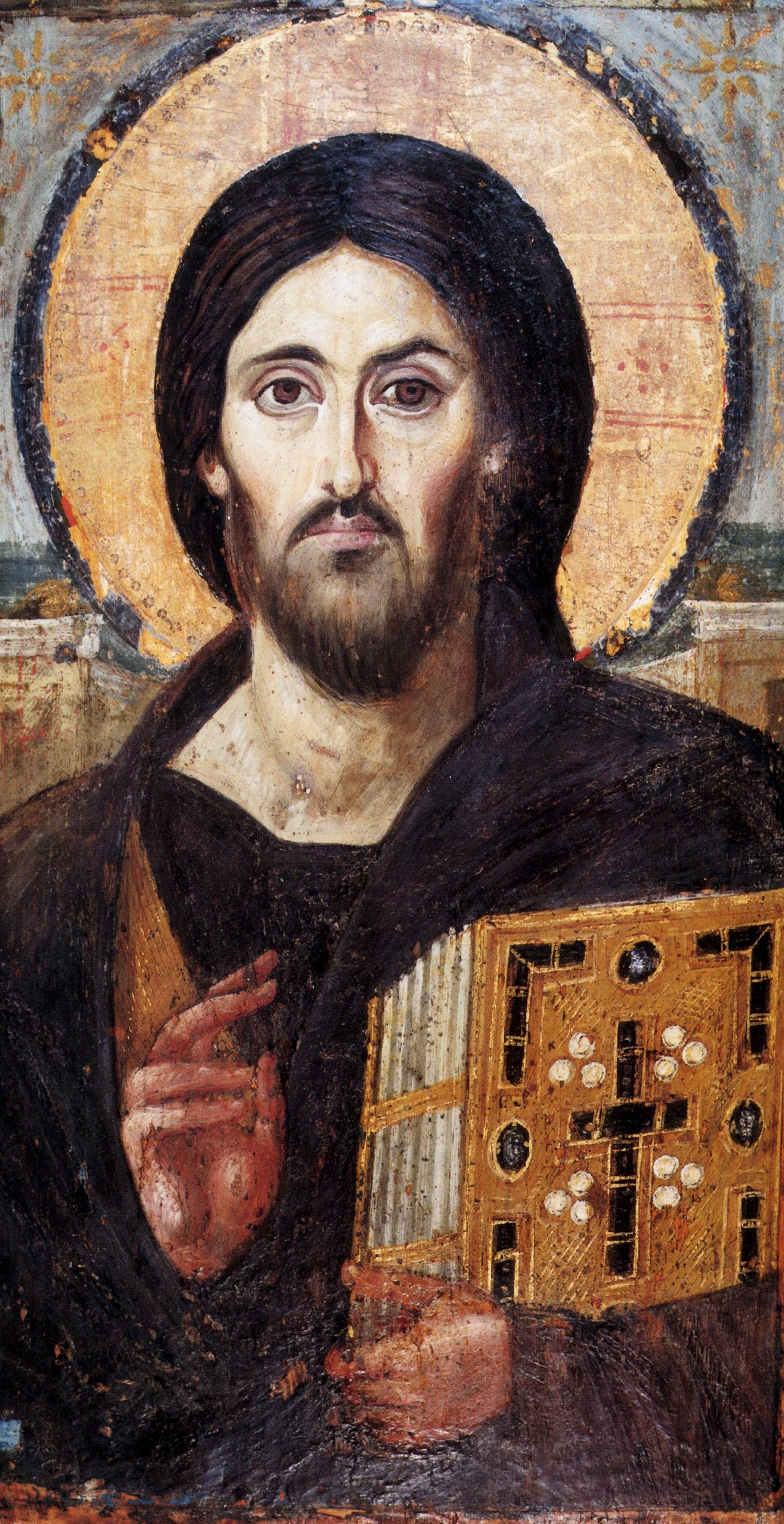 c. 4 BC – 33 AD (incarnate); eternal Son
Jesus of Nazareth
The Christ, Son of David, Son of God
The eternal Son of God, born of the Virgin Mary, crucified under Pontius Pilate, risen on the third day. The center of the entire archive — every other figure here exists in relation to Him.
 c. 18 BC – c. 50 AD (traditional)
Mary
Theotokos — Mother of God
The mother of Jesus. The fiat mihi ("let it be done to me") of the Annunciation. The Council of Ephesus in 431 defined her as Theotokos — God-bearer — to protect the unity of Christ's person.
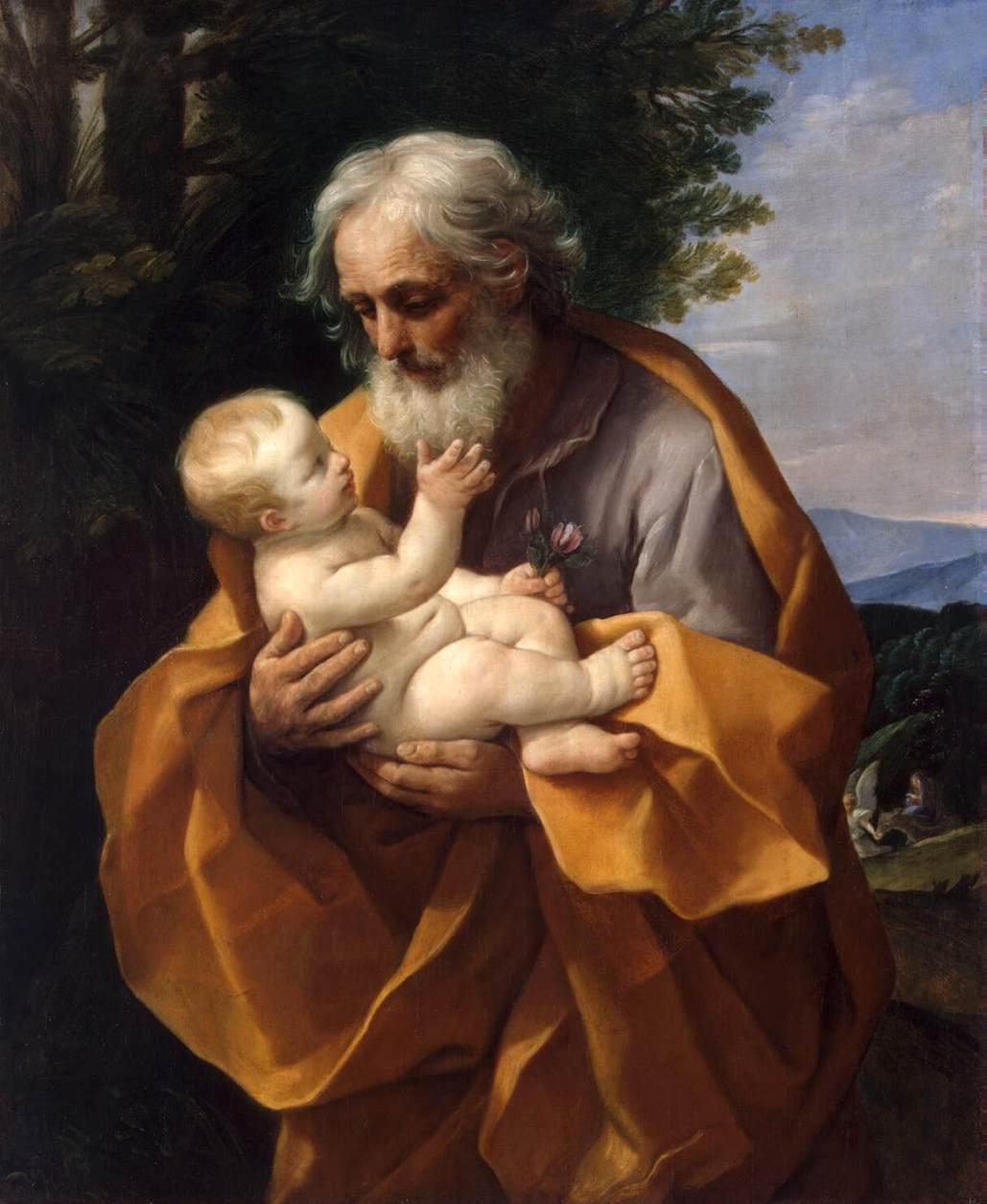 c. 30 BC – c. 18 AD (traditional, before Jesus's ministry)
Joseph of Nazareth
Just Man, Foster-Father of the Lord
The husband of Mary, legal father of Jesus, of the house of David. A carpenter (tekton) of Nazareth. The just man whose dreams the angel of the Lord used to protect the Holy Family.
The Forerunner's House5
Anne, Joachim, Zechariah, Elizabeth, John the Baptist — the family of the forerunner.
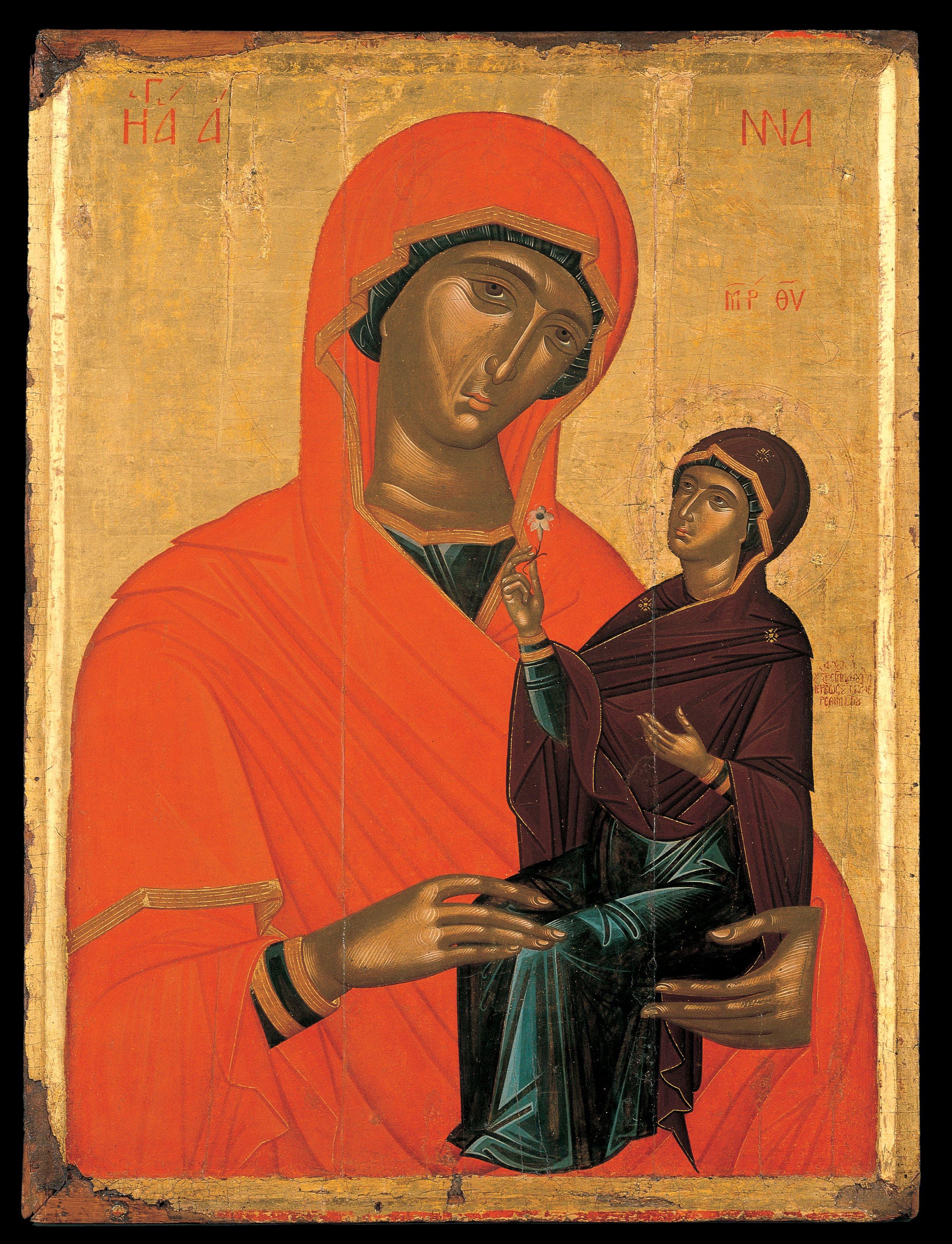 1st century BC (traditional)
Anne
Mother of the Theotokos
Mother of Mary, grandmother of Jesus. Her name comes not from the canonical Gospels but from the 2nd-century Protoevangelium of James — a tradition the Church has honored for nearly two thousand years.
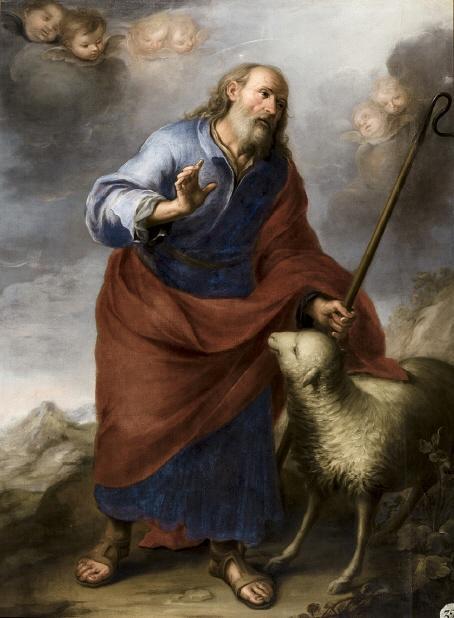 1st century BC (traditional)
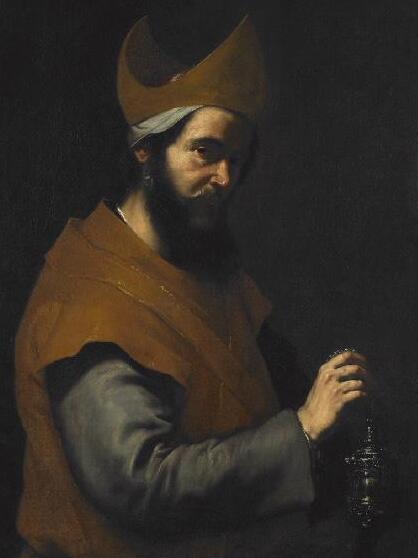
Joachim
Father of the Theotokos
Father of Mary, husband of Anne. Named in the 2nd-century Protoevangelium of James as the elderly man whose offering was once refused at the Temple — then accepted when his daughter was born.
 1st century BC – early 1st century AD
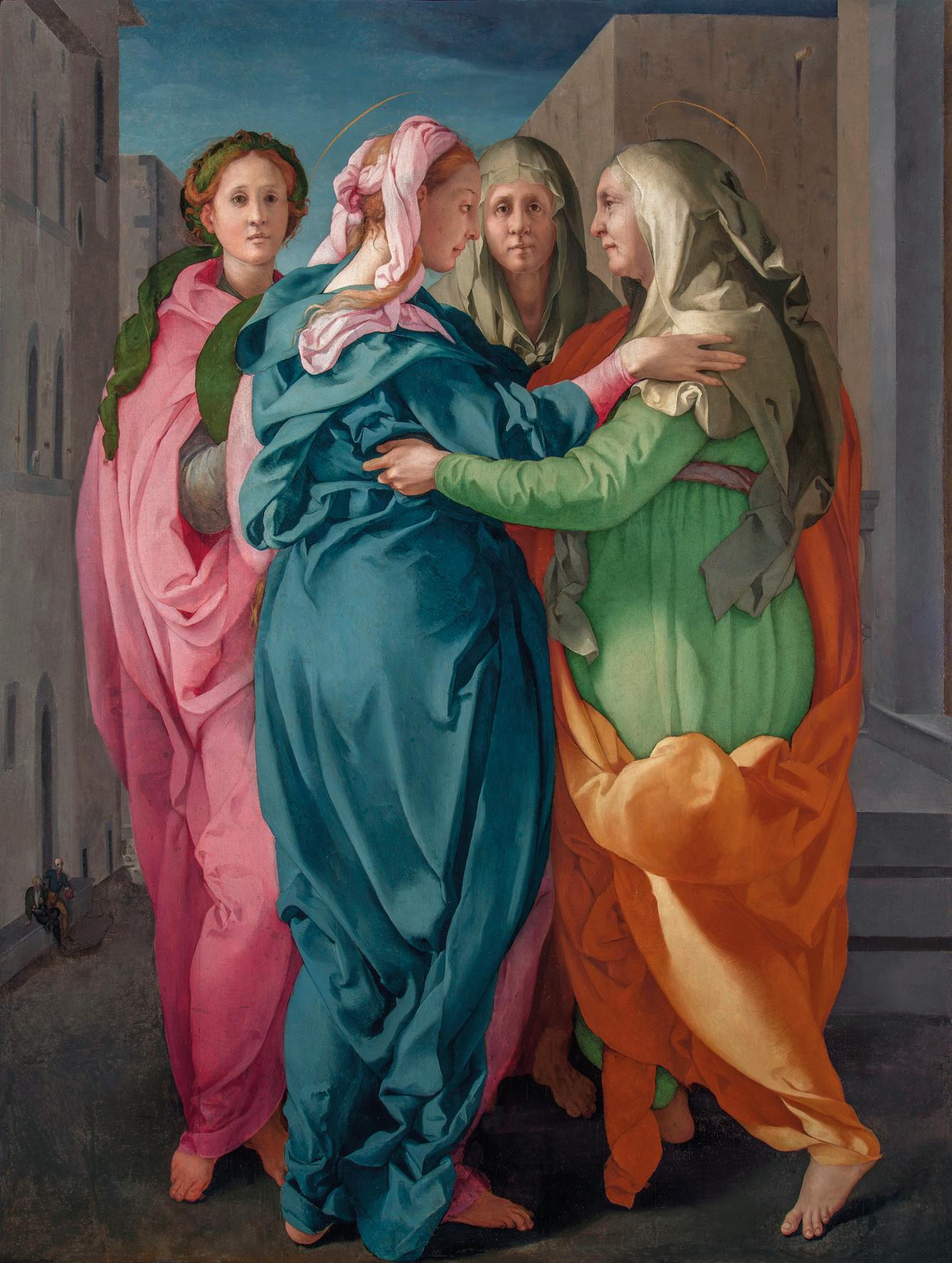
Zechariah
Priest of the Eighth Course
Priest of the course of Abijah. Saw the angel Gabriel in the Holy Place while burning incense, was struck mute for his unbelief, and at his son's birth sang the Benedictus — the second of Luke's three great canticles.
 1st century BC – early 1st century AD
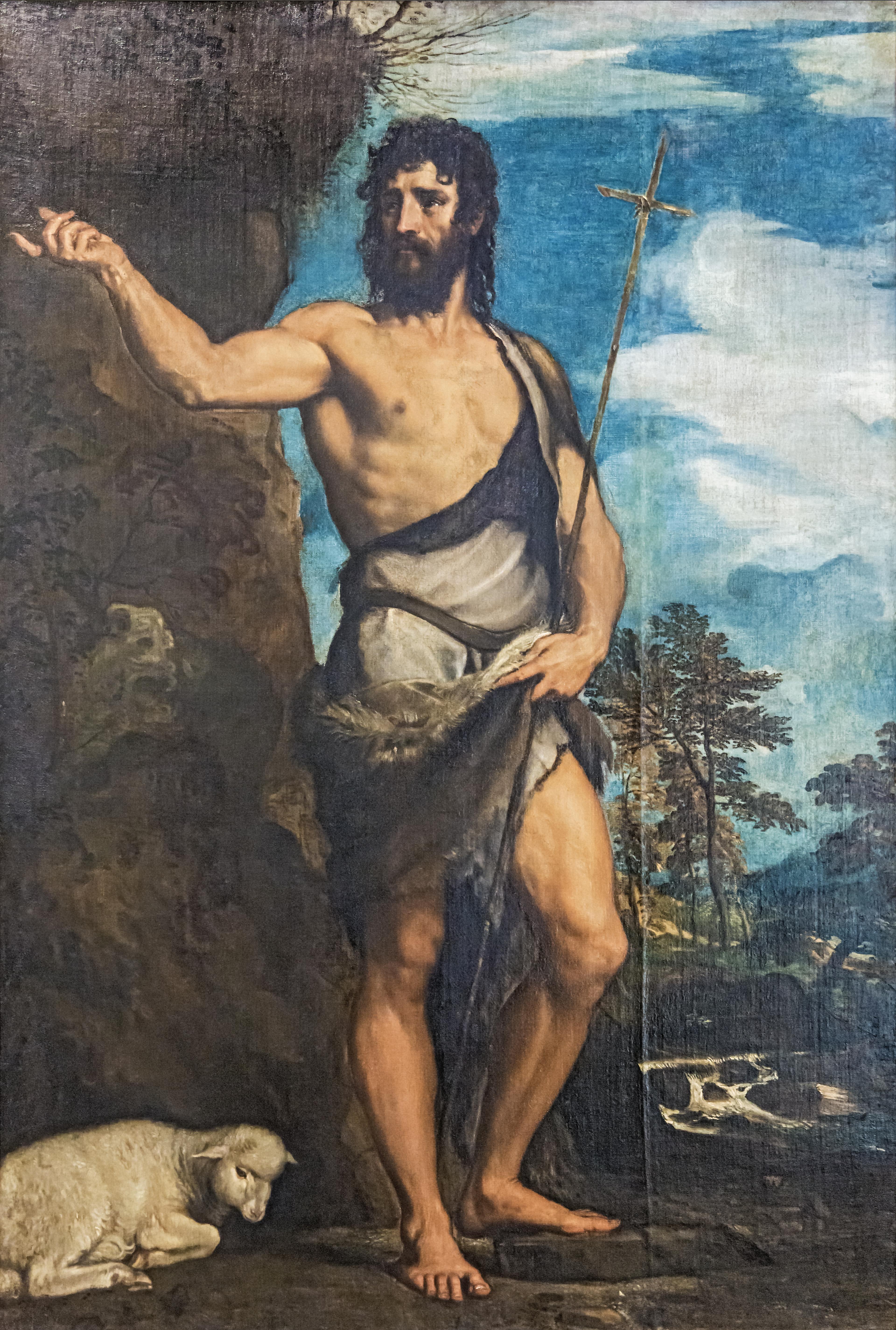
Elizabeth
Mother of the Forerunner
Mother of John the Baptist, relative of the Virgin Mary. Spoke the first half of the Hail Mary (Luke 1:42), greeted Mary's voice as the cause of John's leap in her womb — the Visitation.
 c. 6 BC – c. 28/30 AD
John the Baptist
The Forerunner; Greatest Born of Women
The forerunner of the Messiah. Lived in the Judean wilderness, preached repentance and baptized in the Jordan, identified Jesus as the Lamb of God, and was beheaded by Herod Antipas around 28 AD.
Brothers of the Lord4
James the Just, Jude, Joses, Simon — the brothers (or kinsmen) of Jesus.
 1st century AD (died c. 62 AD)
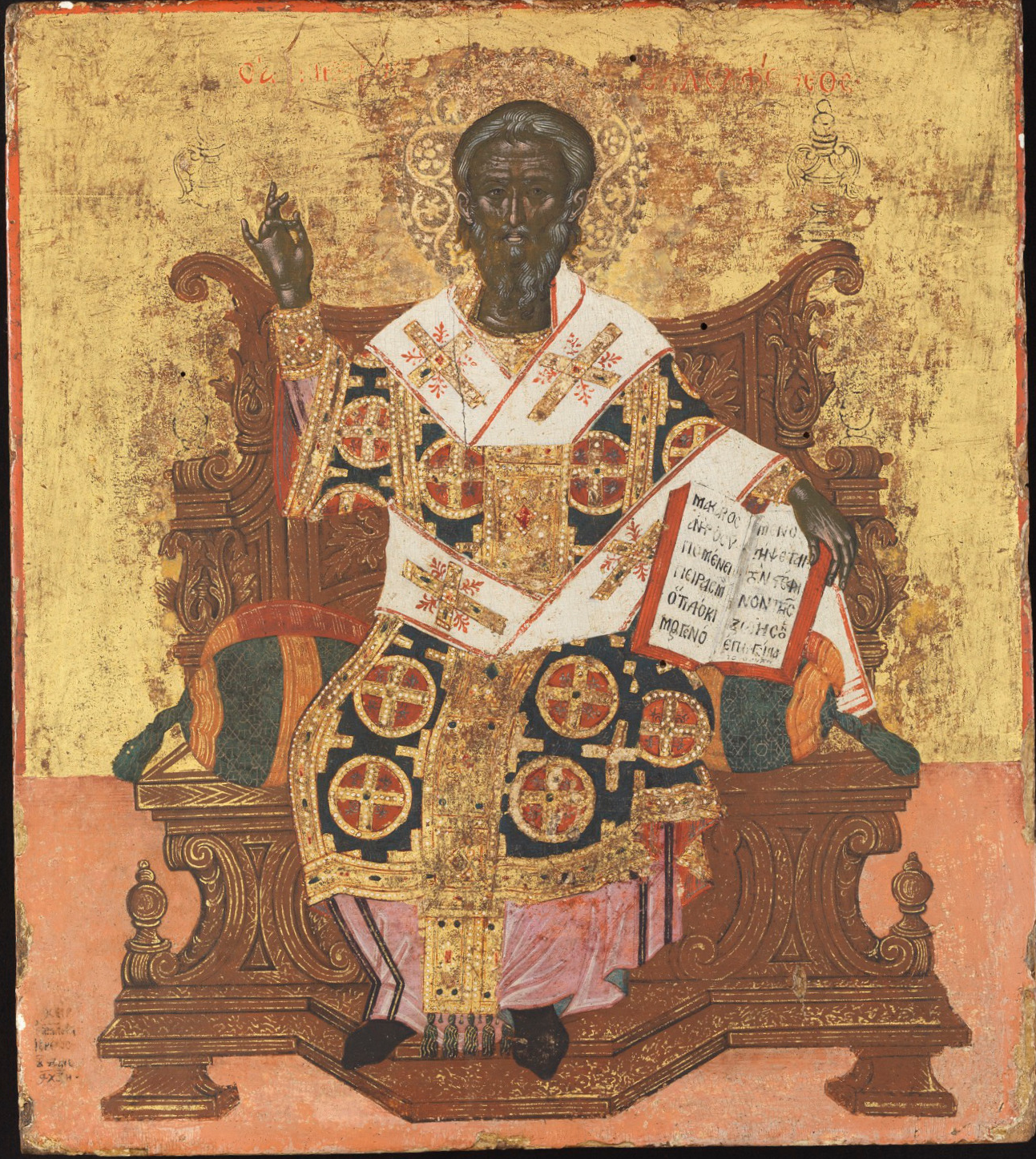
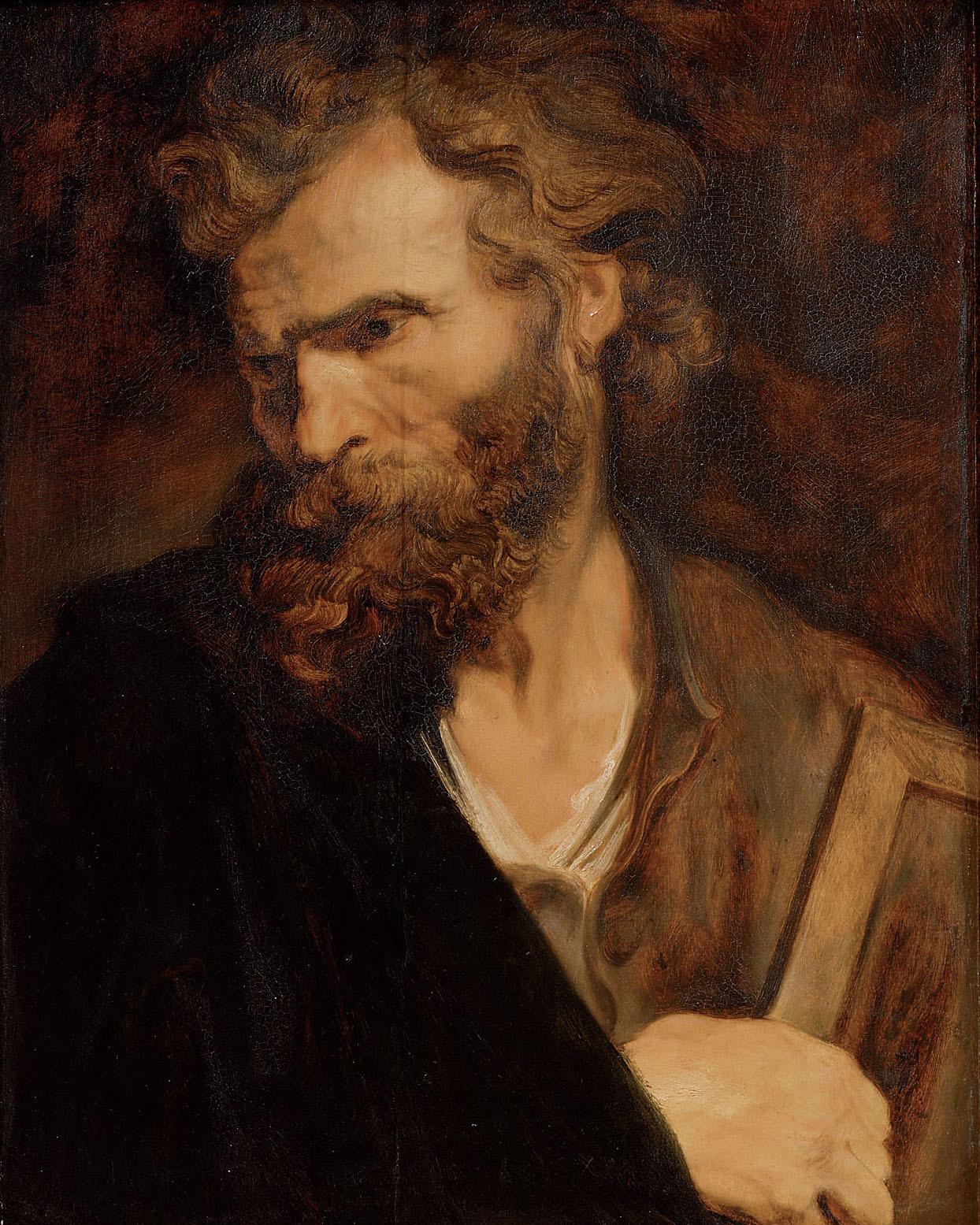
James the Just
Brother of the Lord; First Bishop of Jerusalem
Brother of the Lord. First Bishop of Jerusalem. Presided over the Jerusalem Council in Acts 15. Author of the Epistle of James. Stoned to death in 62 AD by order of the high priest Ananus.
 1st century AD
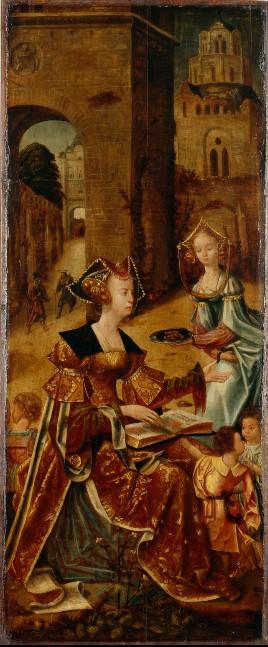
Jude (Thaddaeus)
Brother of James; Patron of Desperate Causes
Brother of the Lord and brother of James the Just. Author of the brief but theologically charged Epistle of Jude. Traditional patron of "lost" or impossible causes in Western Catholic devotion.
 1st century AD
Joses (Joseph)
Brother of the Lord
Brother of the Lord. Named in the Gospel lists of Jesus's brothers (Matthew 13:55, Mark 6:3). No epistles attributed to him; no New Testament narrative beyond the family lists.
 1st century AD (died c. 107 AD by tradition)
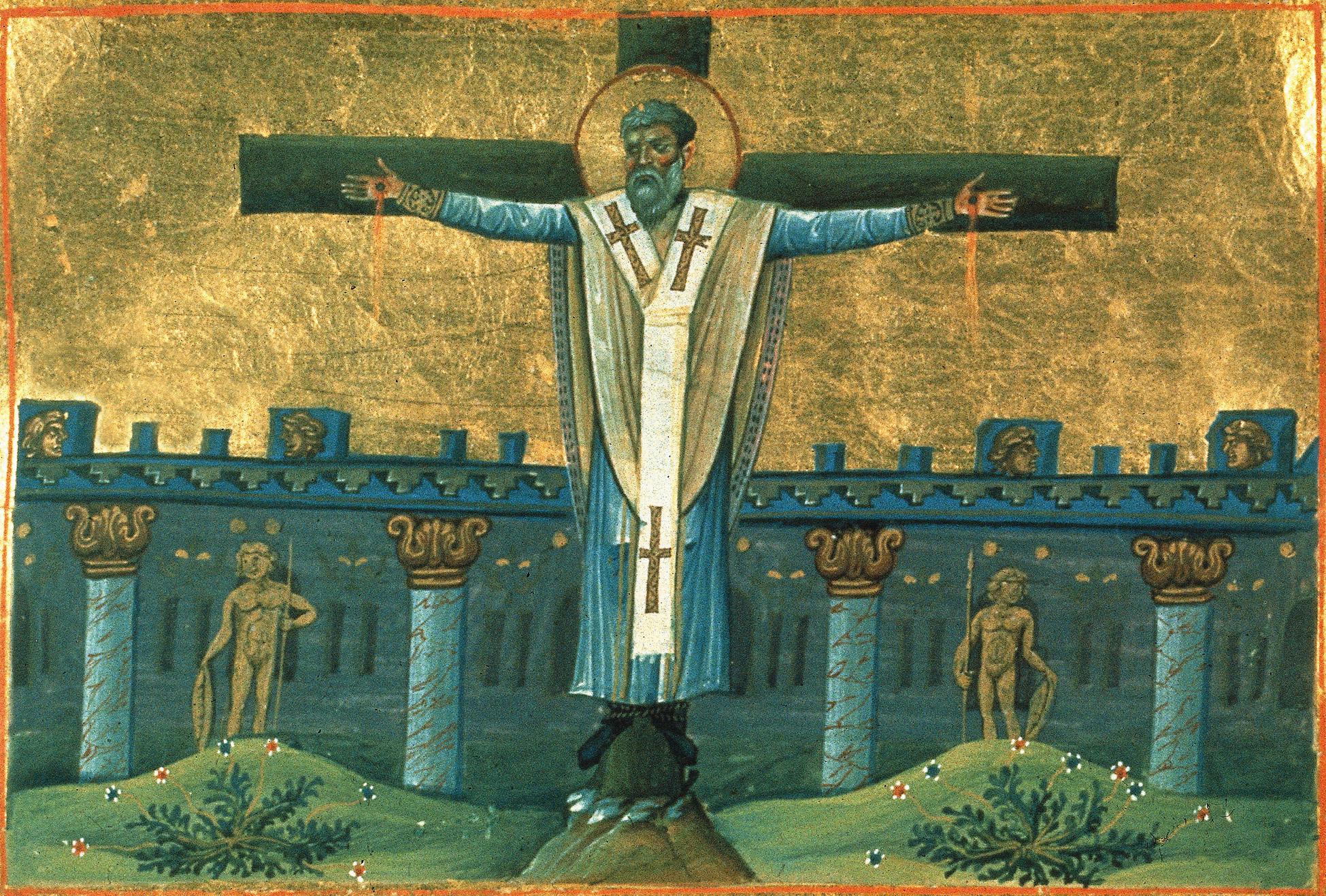
Simon (Simeon)
Brother of the Lord; Second Bishop of Jerusalem
Brother (or cousin) of the Lord. According to Eusebius, succeeded James the Just as Bishop of Jerusalem after the death of James in 62 AD. Martyred by crucifixion in his old age, traditionally around 107 AD.
The Davidic Line3
David, Solomon, Bathsheba — the messianic line from which Christ was born.
 c. 1040 – 970 BC (traditional)
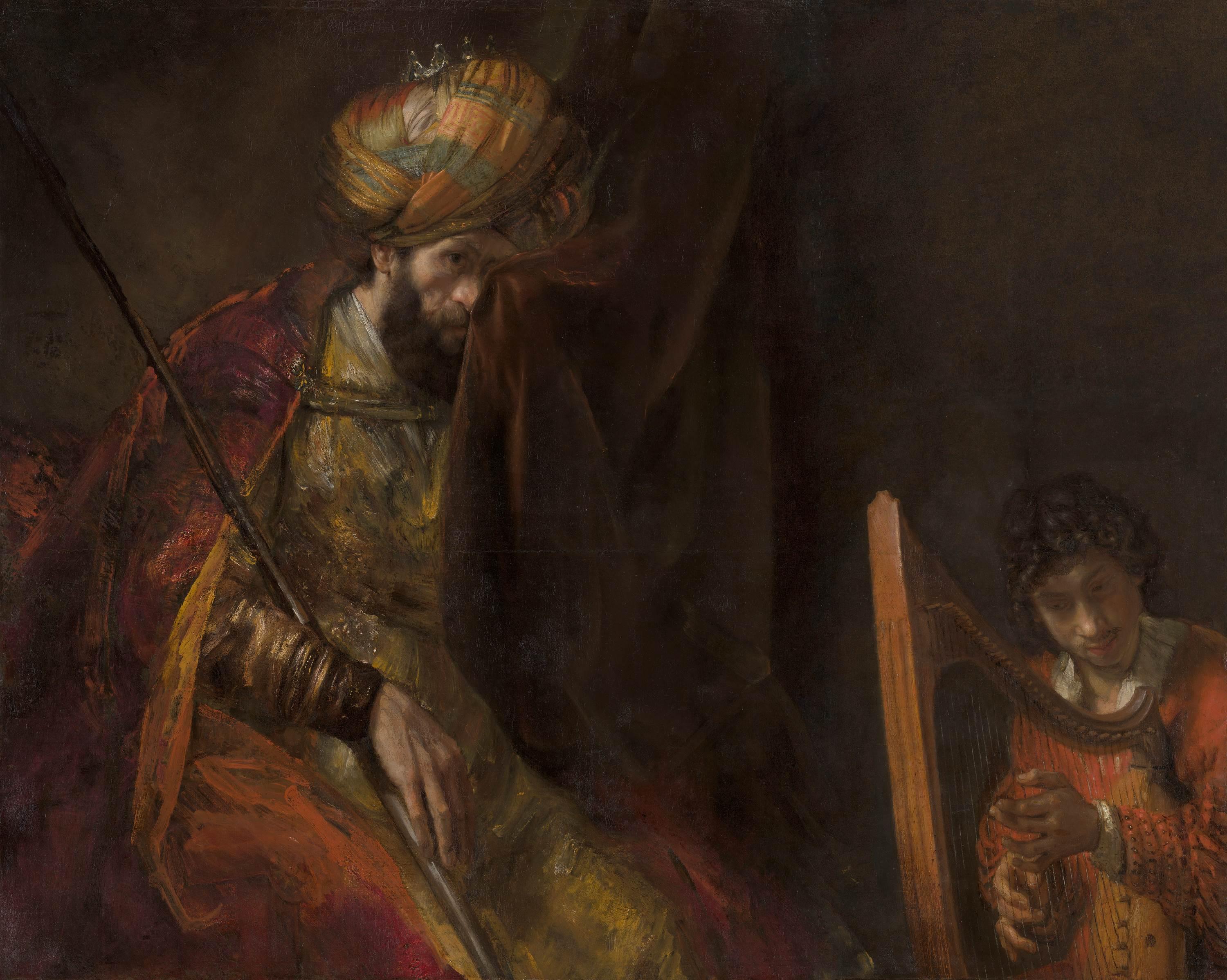
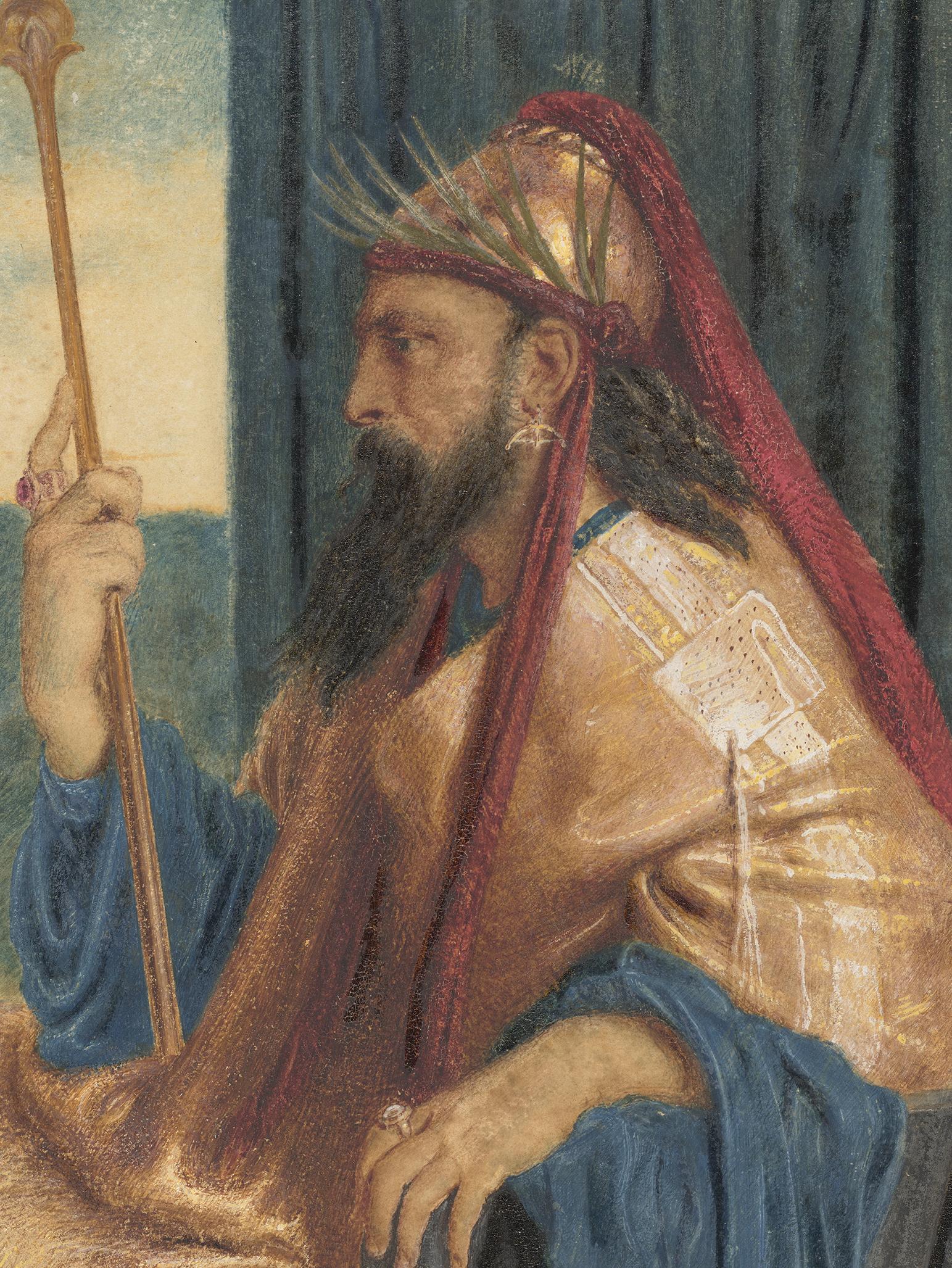
David
King of Israel; Sweet Psalmist; Forefather of the Messiah
The shepherd-king of Israel. Slew Goliath, united the tribes, made Jerusalem his capital, brought the Ark of the Covenant home, and received the covenant of an eternal throne — the messianic promise the Gospels open by tracing to Jesus.
 c. 970 – 931 BC (traditional)
Solomon
King of Wisdom; Builder of the First Temple
Son of David and Bathsheba. Built the First Temple in Jerusalem. Asked for wisdom rather than wealth and was granted both. The Wisdom literature is traditionally attributed to him.
 c. 1000 BC
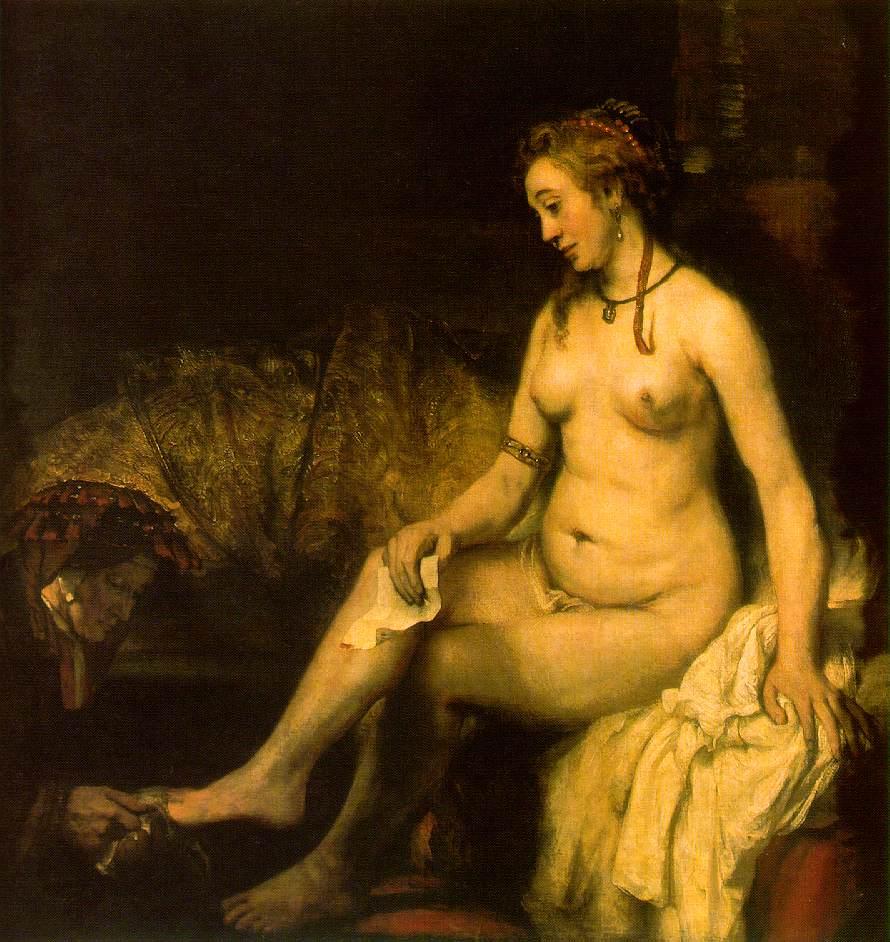
Bathsheba
Mother of Solomon; Queen Mother of Israel
Wife of Uriah the Hittite, then of David. Mother of Solomon and grandmother of the entire Davidic line. The New Testament genealogy of Jesus names her by the title "her that had been the wife of Urias."
Witnesses at the Birth2
Simeon and Anna — the two who received the Christ in the Temple.
 Late 1st century BC – c. 4 BC (traditional)
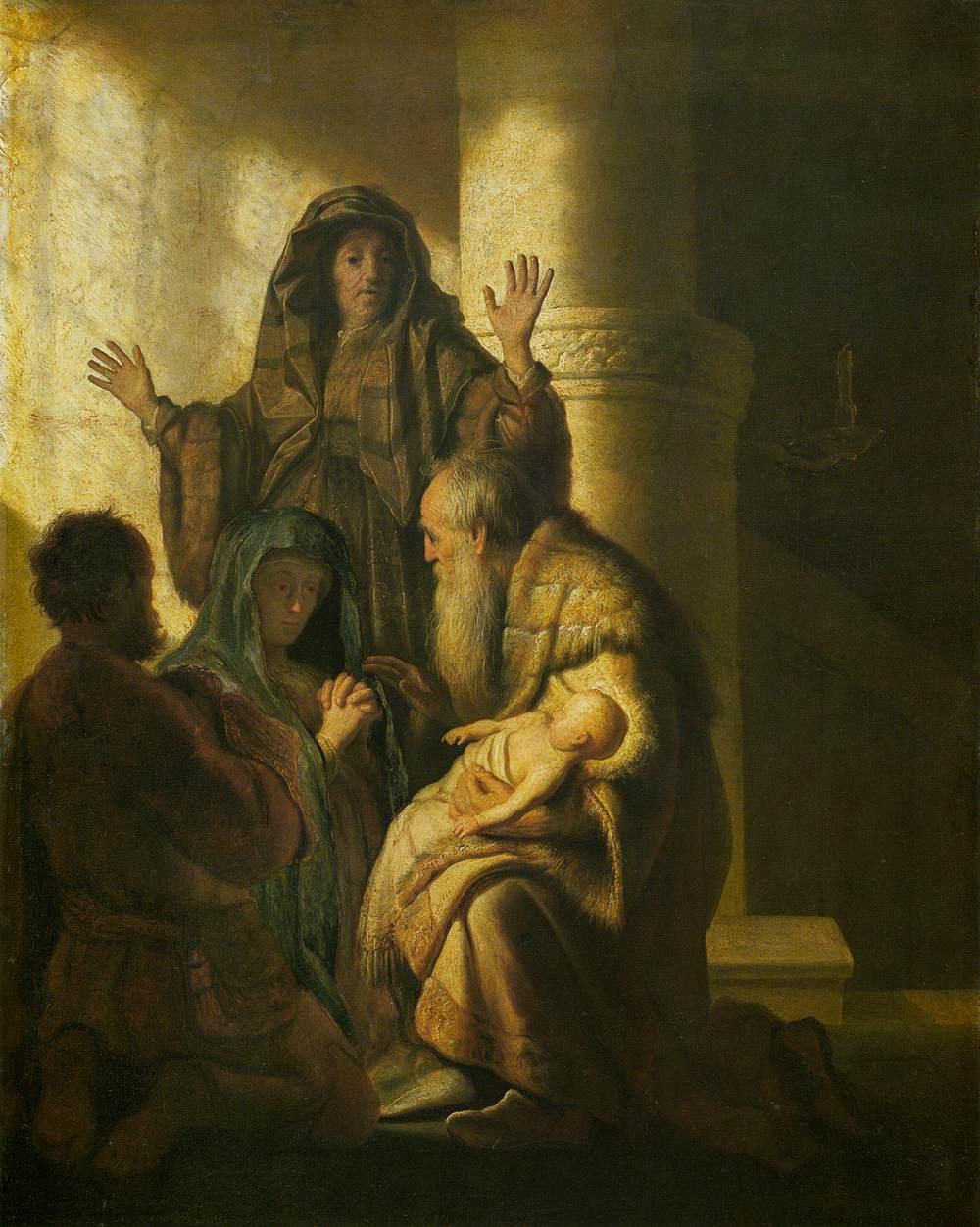
Simeon the Righteous
The Righteous One; God-Receiver
A righteous and devout man waiting for the consolation of Israel. He took the infant Jesus in his arms at the Presentation and sang the Nunc Dimittis — the third of Luke's three great canticles.
 Late 1st century BC – c. 4 BC (traditional)
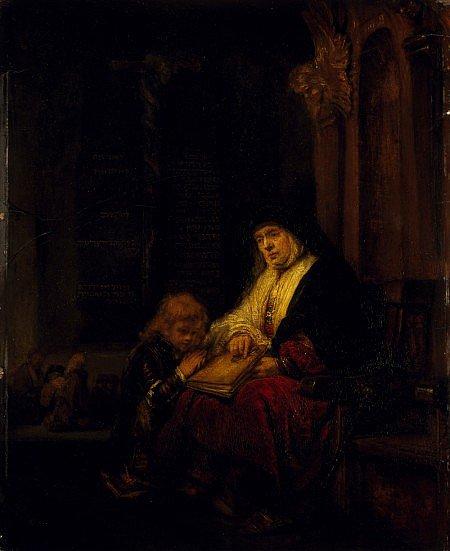
Anna the Prophetess
Daughter of Phanuel of the Tribe of Asher
An aged widow, daughter of Phanuel of the tribe of Asher. Lived in the Temple, fasting and praying day and night. Recognized the infant Jesus alongside Simeon and went to speak of him to all who were looking for the redemption of Jerusalem.