Desert
Fathers
The monastics of the Egyptian, Syrian, and Sinai deserts — the men and women who shaped Christian asceticism, spirituality, and the analysis of the inner life from the 3rd century onward.
The Pioneers
6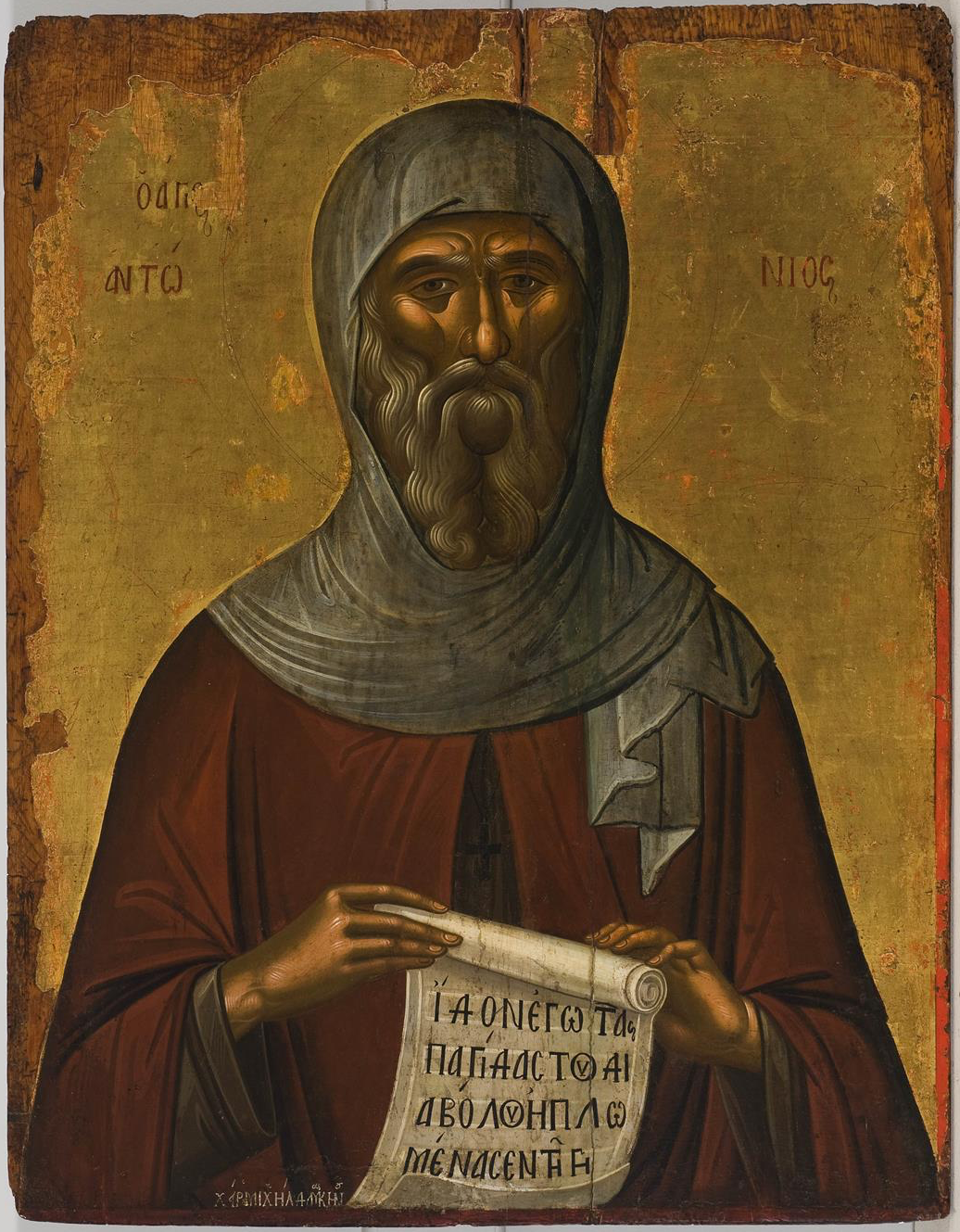 c. 251–356
Antony the Great
Father of Monasticism
The father of monasticism. Heard the Gospel read in church, sold everything, walked into the Egyptian desert at age 20, and lived there in solitude for nearly 80 years. Athanasius's Life of Antony shaped every monastic tradition that followed.
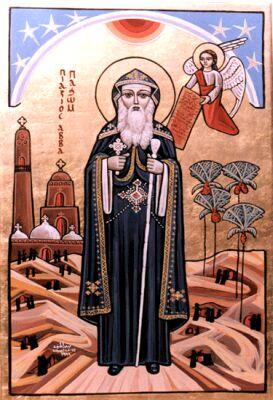 c. 292–348
Pachomius the Great
Father of Cenobitic Monasticism
Father of cenobitic monasticism. Where Antony lived alone, Pachomius gathered men into community under a written rule. The first Christian monastery — the template for Benedict, the Rule of the Master, and every later religious community.
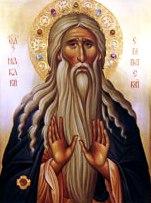 c. 300–391
Macarius the Great
The Lamp of the Desert
Founder of the monastic settlements at Scetis — the desert valley that produced more of the Apophthegmata than any other place. A pastor of monks who balanced solitude with weekly common life and shaped Eastern spirituality for centuries.
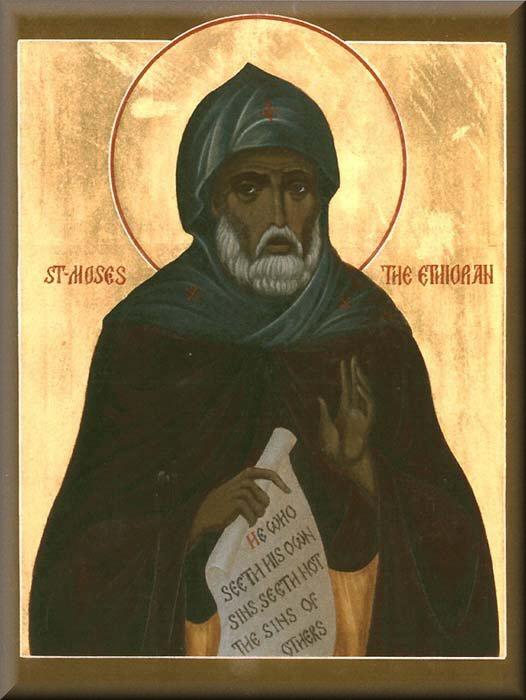 c. 330–c. 405
Moses the Black
Moses the Ethiopian
An Ethiopian slave who became a murderous bandit chief, then a desert monk at Scetis, then one of its most beloved abbas. Martyred at seventy-five in a Berber raid he forbade his brothers to defend against — "all who take up the sword shall die by the sword."
 c. 354–c. 449
Arsenius the Great
Father of the Emperors, Father of the Desert
A Roman senator and tutor to the future emperors Arcadius and Honorius, who heard a voice tell him "Arsenius, flee, be silent, dwell in stillness" — and walked out of the imperial palace into the Egyptian desert. He lived in Scetis for forty years.
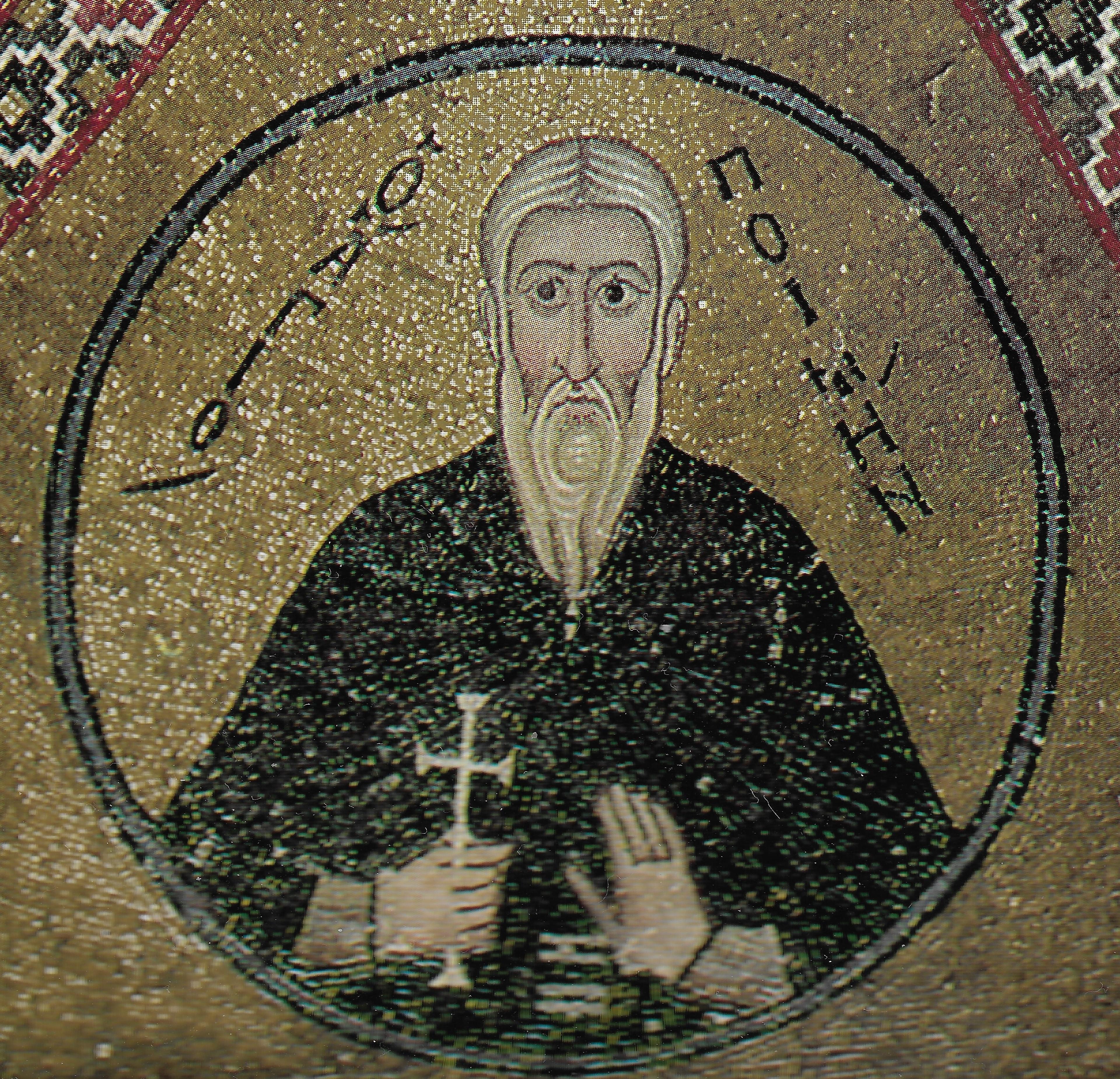 c. 340–c. 450
Poemen the Great
The Shepherd
The shepherd-abba ("Poemen" means shepherd in Greek). His apophthegmata fill nearly 25% of the entire Sayings of the Desert Fathers — more than any other monk. Pastoral wisdom for the inner life from one of the longest-lived of the Scetiote elders.
Theologian-Monks
3 345–399
Evagrius Ponticus
The Theologian of the Desert
The theologian of the desert. A trained intellectual who left the bishop's court in Constantinople for the cells of Nitria and Kellia. Mapped the inner life as a battle with eight thoughts — the lineage that would become the seven deadly sins.
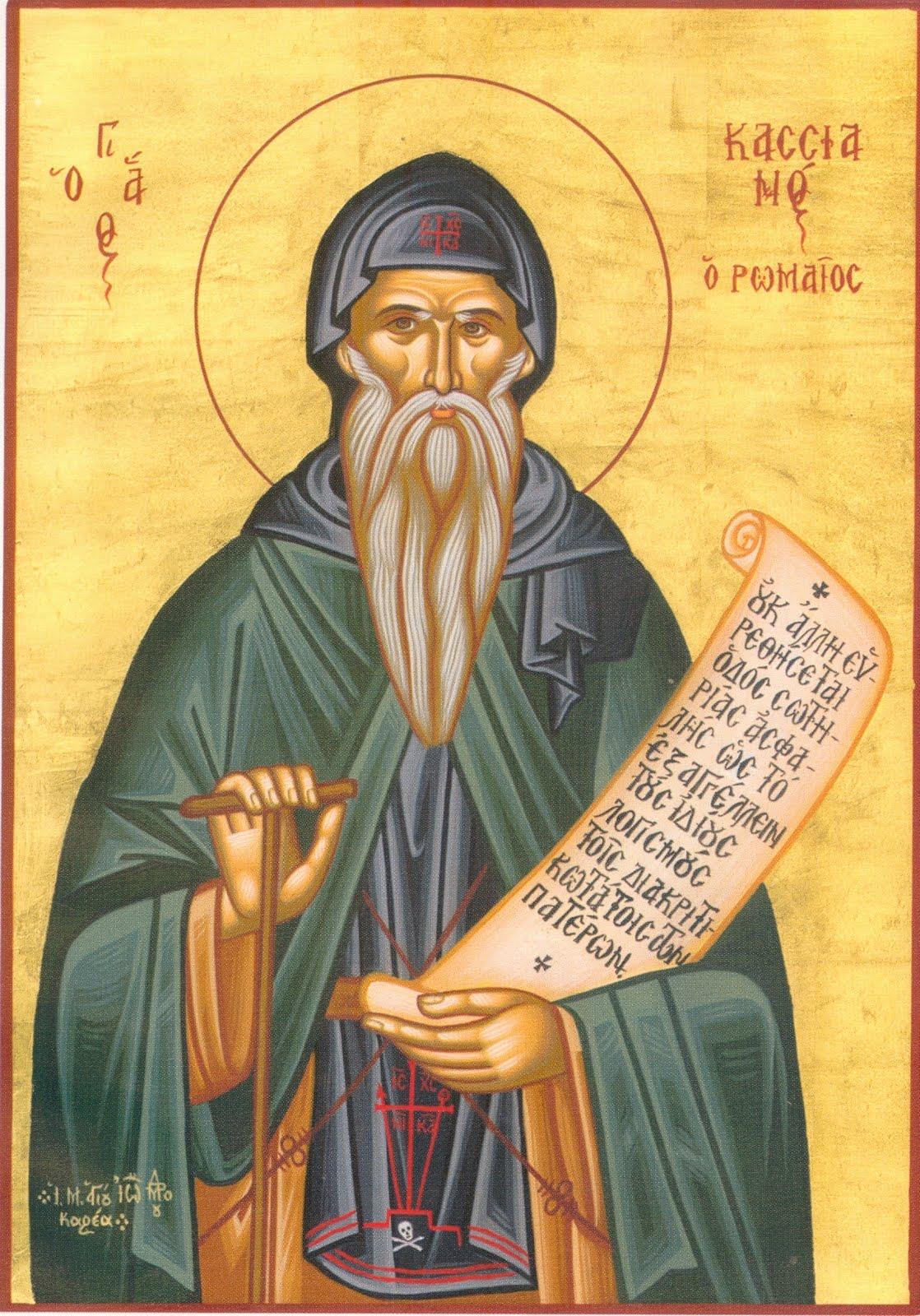 c. 360–c. 435
John Cassian
Bridge from the Desert to the West
The bridge from the Egyptian desert to the Latin West. Spent fifteen years among the abbas of Nitria and Scetis, then wrote the Institutes and Conferences — the books Benedict commanded his monks to read.
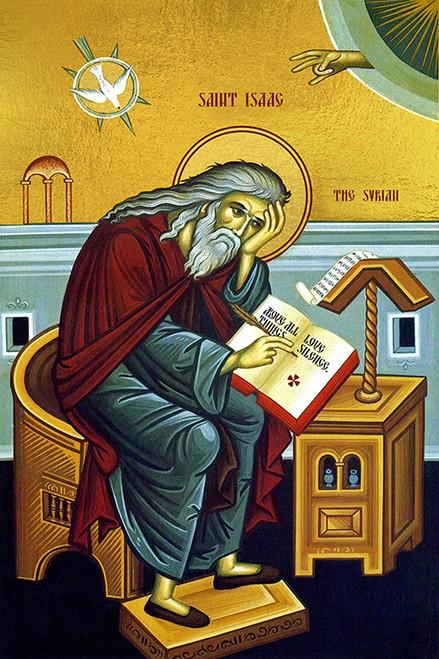 c. 613–c. 700
Isaac the Syrian
Isaac of Nineveh
A 7th-century Church of the East monk-bishop who resigned his see after five months to live alone in the Persian mountains. His mystical homilies in Syriac were read by Coptic, Greek, Russian, and Ethiopian monks — and Dostoyevsky kept a copy beside his bed.