Shavuot
Shavuot (שָׁבוּעוֹת — "Weeks")
Shavuot — "Weeks" — the Jewish feast of harvest, firstfruits, and (in rabbinic interpretation) the giving of the Torah at Sinai. Fifty days after Passover. The all-night Torah study of Tikkun Leil Shavuot, the reading of Ruth, and the agricultural offering that became, after 70 CE, a feast of revelation.
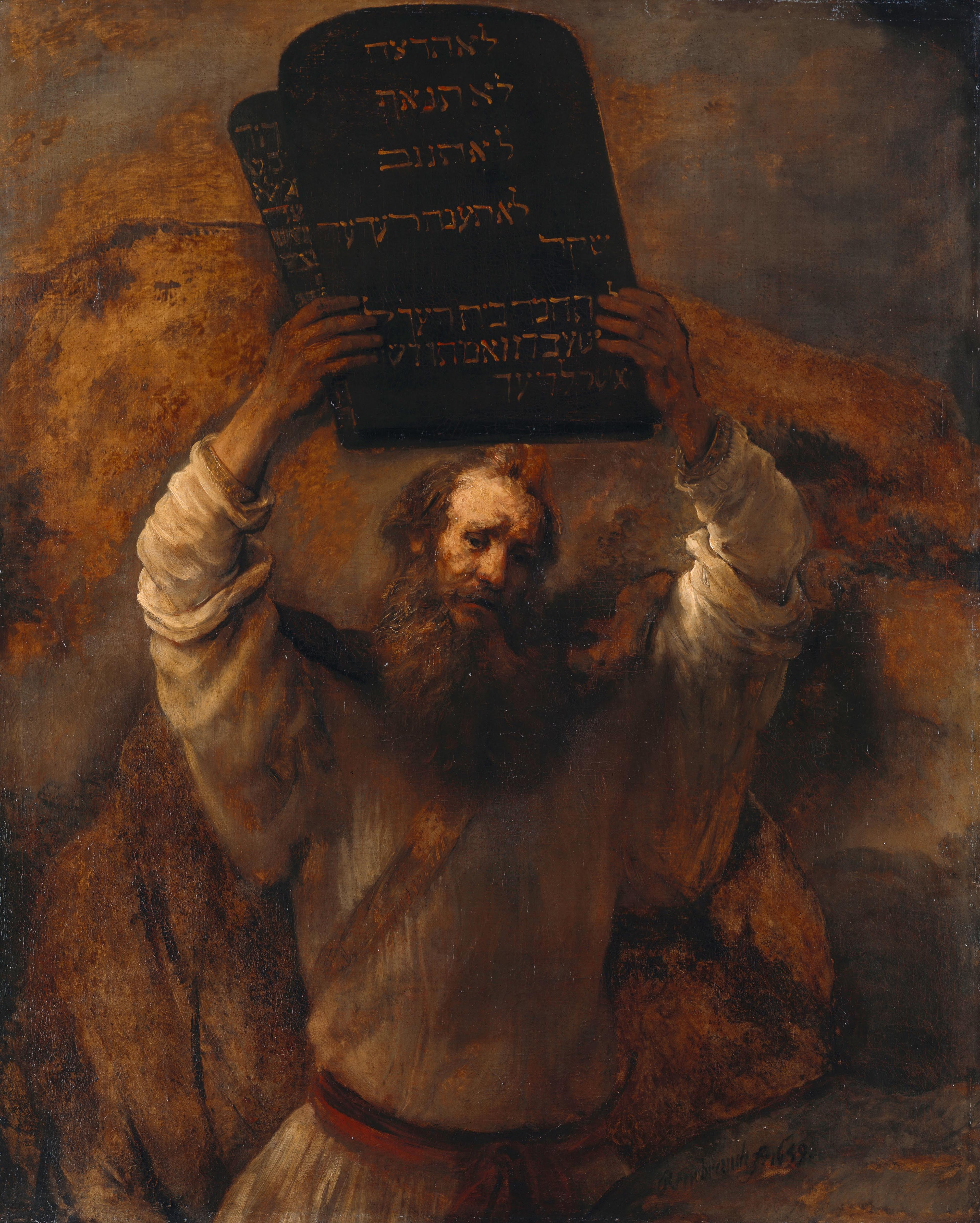
Shavuot — "Weeks" — is the second of the three Jewish pilgrimage festivals (after Pesach in spring and before Sukkot in autumn). Its name and its date come from the counting commanded in Leviticus 23: "From the day after the Sabbath, from the day that you brought the sheaf of the wave offering, you shall count seven full weeks. You shall count fifty days... and you shall present a grain offering of new grain to the Lord" (Leviticus 23:15–16). The fifty days are the Counting of the Omer (Sefirat haOmer), still observed daily in Jewish tradition. The fiftieth day is Shavuot.
The Torah itself presents the feast in agricultural terms. Exodus 23:16 and 34:22 call it the Feast of Harvest and the Feast of Firstfruits of the Wheat. In Temple times, every Israelite household brought the first ripe produce of their fields to Jerusalem in baskets — figs, dates, pomegranates, olives, grapes, and the seven species of the land — and the offering was made with the recital of Deuteronomy 26:5–10 ("A wandering Aramean was my father..."). The Mishnah's Tractate Bikkurim describes the scene in vivid detail: the procession into Jerusalem, the music of flutes, the priests coming out to meet the pilgrims, the king (in the days of the monarchy) lifting the basket onto his shoulder.
After the destruction of the Temple in 70 CE, the agricultural rite could no longer be performed — there was no Temple to bring firstfruits to. Rabbinic Judaism therefore developed the feast's other dimension, already implicit in the biblical date and the Sinai chronology: Shavuot as the commemoration of the giving of the Torah. The Babylonian Talmud (Shabbat 86b–88a) calculates that the Israelites arrived at Sinai exactly fifty days after the Exodus, and that the Torah was given there on what would later be called 6 Sivan — the date of Shavuot. The feast accordingly became known as Zeman Mattan Torateinu — "the Time of the Giving of Our Torah." The all-night Torah study of Tikkun Leil Shavuot, developed by the Lurianic kabbalists of sixteenth-century Safed, expresses this re-orientation: the people of Israel stay awake to receive the Torah, repairing (the Hebrew tikkun means "repair") the sin of their ancestors who had to be woken up at Sinai on the morning of the giving.
The Book of Ruth is read in the synagogue at Shavuot. The connections are multiple. The story is set at the spring harvest. Ruth, a Moabite woman, chooses Israel and Israel's God ("Your people shall be my people, and your God my God," Ruth 1:16); the rabbis read her decision as a kind of personal Sinai. She becomes the great-grandmother of King David, and so an ancestor of the messianic line. The agricultural and the covenantal dimensions of Shavuot are both present in her story.
For Christian readers, Shavuot is the Old Testament feast that Acts 2 fulfills. The Greek word pentekoste ("fiftieth") that Luke uses for the day is the direct Septuagint translation of Hebrew Shavuot, with the same numerical reference. The fire that descended on Sinai — "the Lord descended on it in fire, and its smoke went up like the smoke of a kiln" (Exodus 19:18) — descended now on the apostles. The voice that, in rabbinic midrash, went out at Sinai in seventy languages of the nations (Exodus Rabbah 5:9) became at Pentecost the gift of tongues, "and how is it that we hear, each of us in our own native language?" (Acts 2:8). The Christian Pentecost is the same feast as Jewish Shavuot, fifty days after the same Passover, and the early Christians who were gathered in Jerusalem when the Spirit fell were keeping their ancestral pilgrimage festival. The interpretation that followed — that this was the eschatological universalization of Sinai — is the church's reading. The Jewish observance of the feast did not stop. The Torah is still given to Israel every year on 6 Sivan, and the dairy meals and the all-night learning and the reading of Ruth still happen wherever Jewish communities live.
Scriptural Basis
- Exodus 19–20 — the giving of the Torah at Sinai (the rabbinic re-reading of the date)
- Exodus 23:16 — "the Feast of Harvest, the firstfruits of your labor"
- Exodus 34:22 — "the Feast of Weeks, the firstfruits of wheat harvest"
- Leviticus 23:15–22 — the counting of the omer and the offering of two loaves of leavened bread
- Numbers 28:26–31 — the festal sacrifices
- Deuteronomy 16:9–12 — the pilgrimage and joy of the feast
- Book of Ruth (read at Shavuot — the Moabite woman who chose Israel and Israel's God)
Observance
- All-night Torah study (Tikkun Leil Shavuot) on the eve of the feast — a custom developed by the kabbalists of Safed in the sixteenth century
- Reading of the Ten Commandments in synagogue on the morning of Shavuot
- Reading of the Book of Ruth — its story of harvest and covenant choice
- Decoration of synagogues and homes with greenery and flowers (commemorating the green slopes of Sinai)
- Eating of dairy foods (the various explanations include the Song of Songs 4:11 — "honey and milk are under your tongue" — and the Torah being compared to milk)
- In Temple times: the offering of two loaves of leavened bread (Leviticus 23:17), the only leavened offering in the Temple cult; pilgrimage to Jerusalem with the firstfruits in baskets adorned with gold and silver (Mishnah Bikkurim 3)
Citations & Further Reading
- Leviticus 23:15–22, Deuteronomy 16:9–12 (the Pentateuchal legislation)
- Mishnah, Tractate Bikkurim (the firstfruits pilgrimage)
- Babylonian Talmud, Tractate Shabbat 86b–88a (the chronology of Sinai)
- Exodus Rabbah 5:9 (the seventy languages at Sinai)
- Maimonides, Mishneh Torah, Hilkhot Bikkurim
- Mitchell First, "The Origins of Tikkun Leil Shavuot," Hakirah 8 (2009)
- Daniel Boyarin, A Radical Jew: Paul and the Politics of Identity (UC Press, 1994) — on Pauline readings of Sinai and Pentecost