Icon EngineCategory
Sacred Art
Icons, manuscripts, stained glass, and visual theology for modern attention.
Explore This Theme
A Curated Path Through the Archive
A curated path through films, essays, sacred art, and primary sources connected to this doctrine. Begin with the featured study, then move deeper through related articles and archive entries.
In This Category
Browse Archive 2026-05-22
Film
The Apostolic Fire
Memory, martyrdom, and the visual language of witness.
1 min readRead
 2026-05-16
Essay
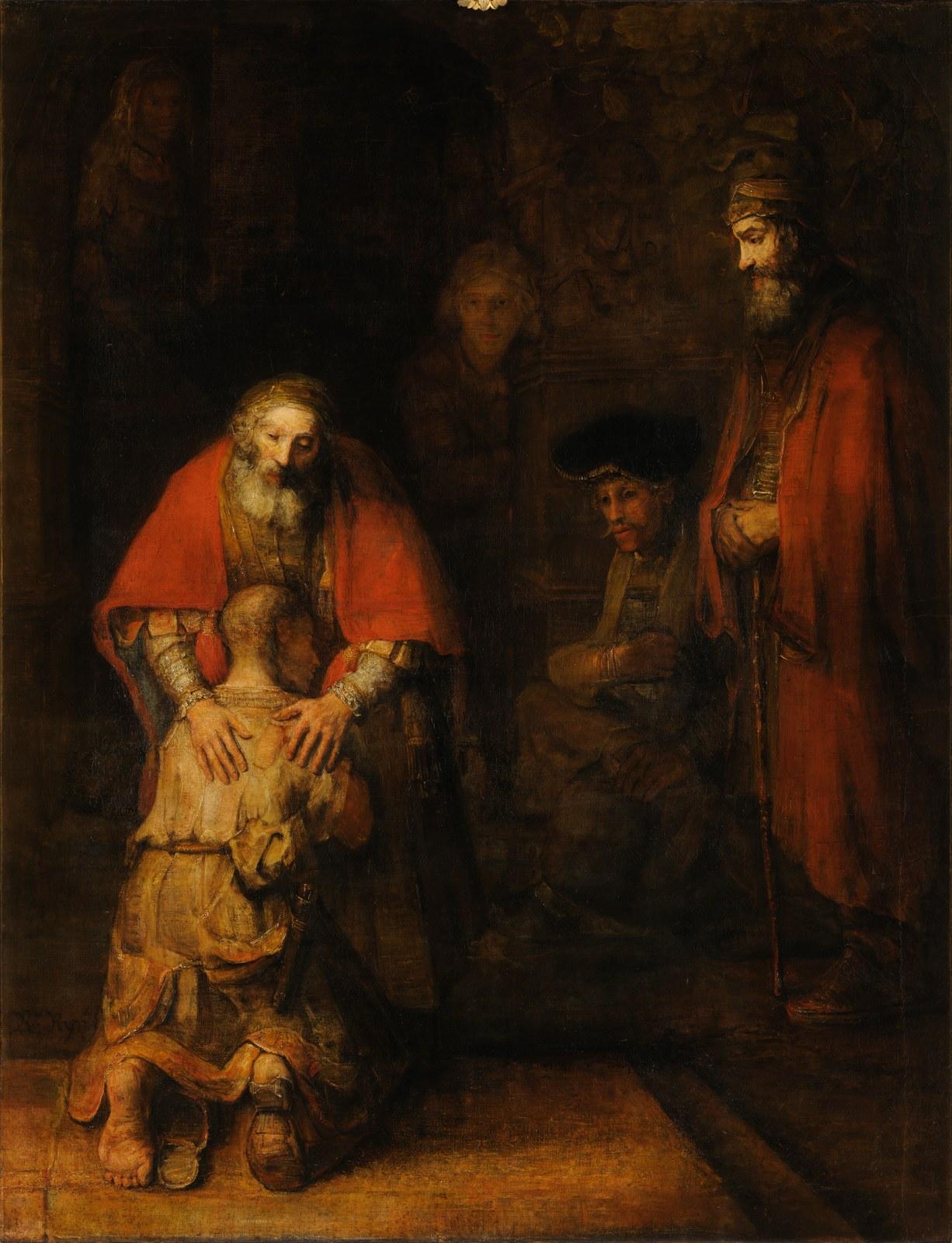
Rembrandt's Prodigal: The Father's Hands
Rembrandt painted The Return of the Prodigal Son near the end of his life, in poverty. He painted a father who has already begun running before we arrive at the scene. The hands tell the whole story.
4 min readRead
 2026-05-15
Film
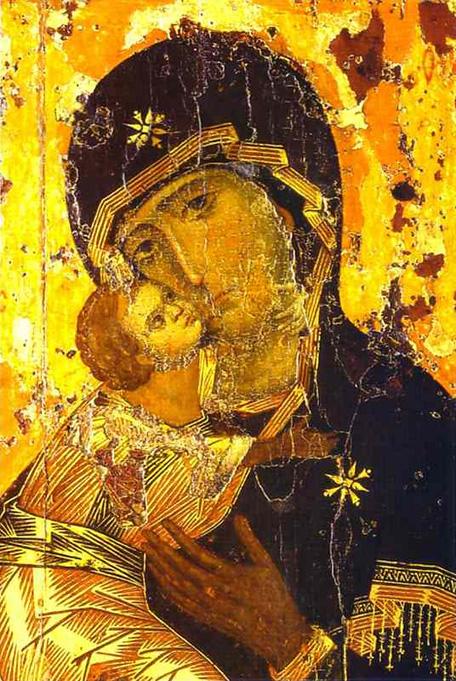
Icon of the King
Early member preview on why sacred images feel more futuristic than the future.
1 min readMembersRead
 2026-05-15
Essay
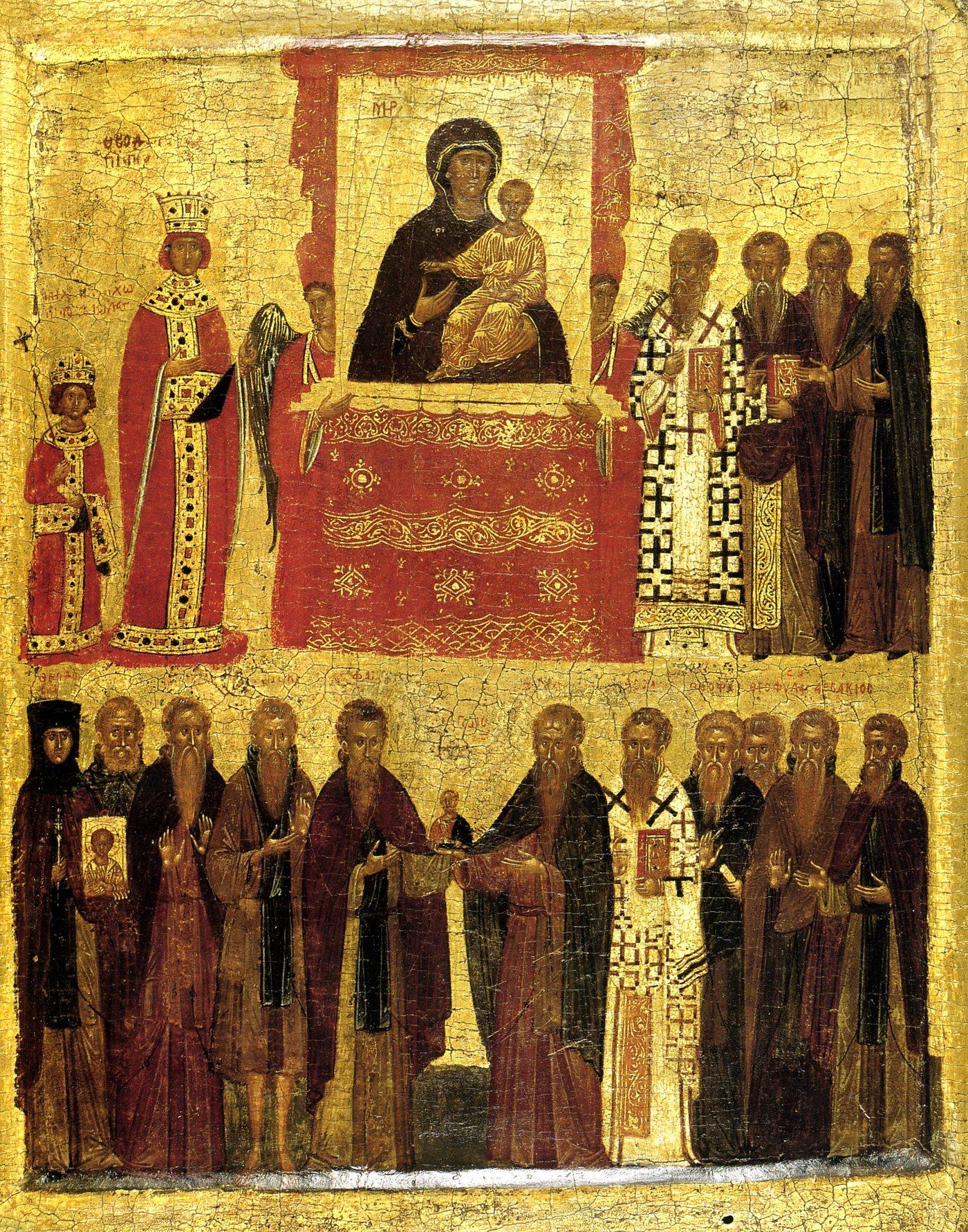
The Theotokos: Why Mary's Title Is a Claim About Christ
The title 'Theotokos' — God-bearer — was not primarily a statement about Mary. It was a statement about the identity of her son. Nestorius refused it. The Council of Ephesus defined it.
2 min readRead
 2026-05-15
Essay
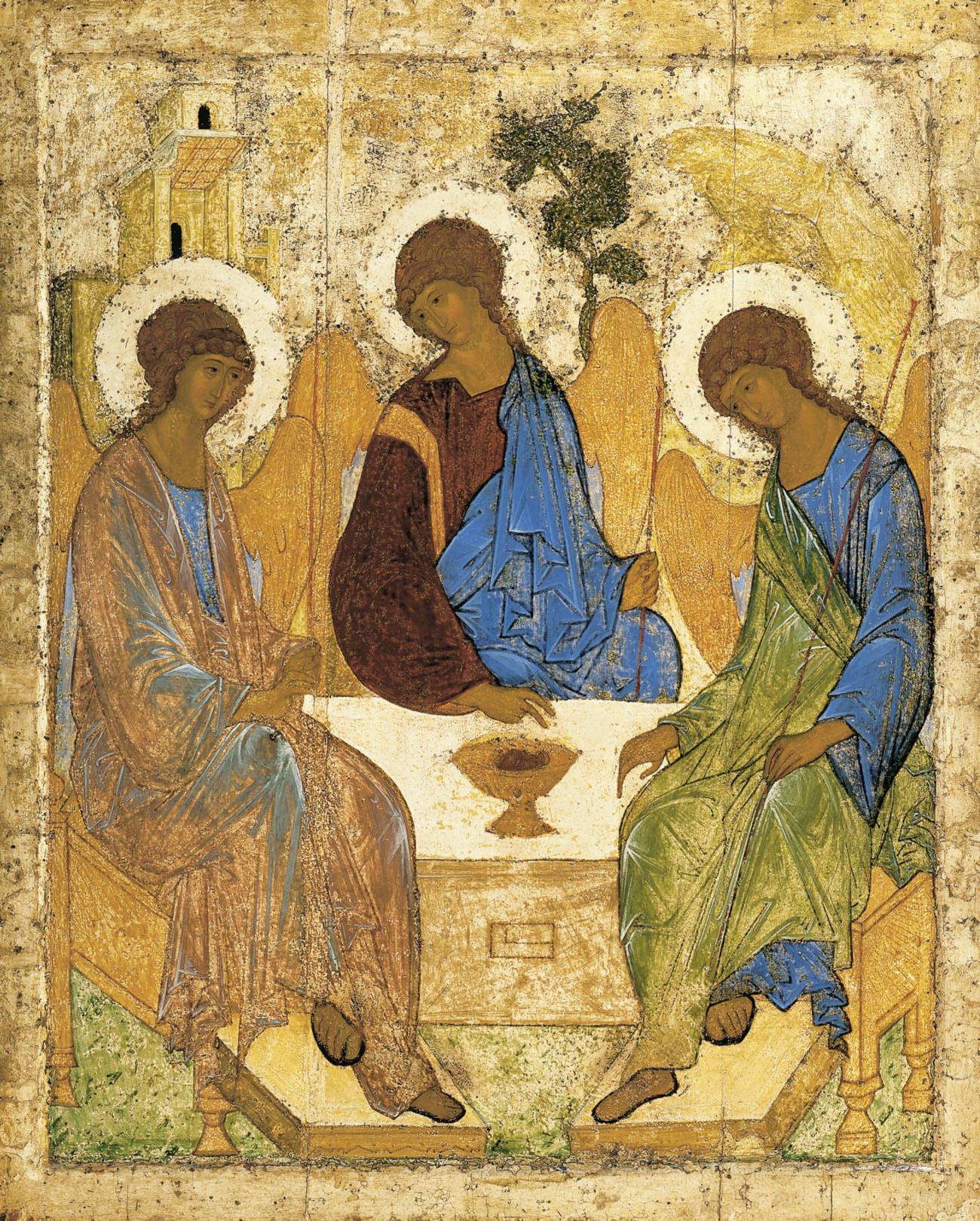
Icons Are Not Idols: The Theology of the Seventh Ecumenical Council
The Iconoclast controversy was not about whether Christians were attached to paintings. It was about whether the Incarnation was real.
2 min readRead
 2026-05-15
Essay
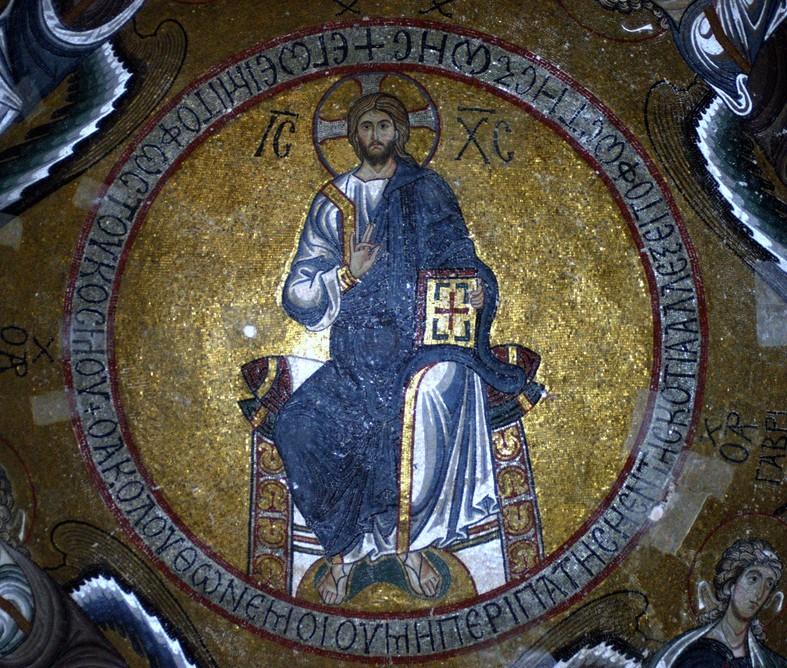
Rublev's Trinity: The Icon That Stopped the Theologians
Andrei Rublev painted the Trinity around 1425 AD. Theologians have been unable to exhaust it since. This is not a compliment to the art. It is a statement about the subject.
3 min readRead
 2026-05-15
Essay
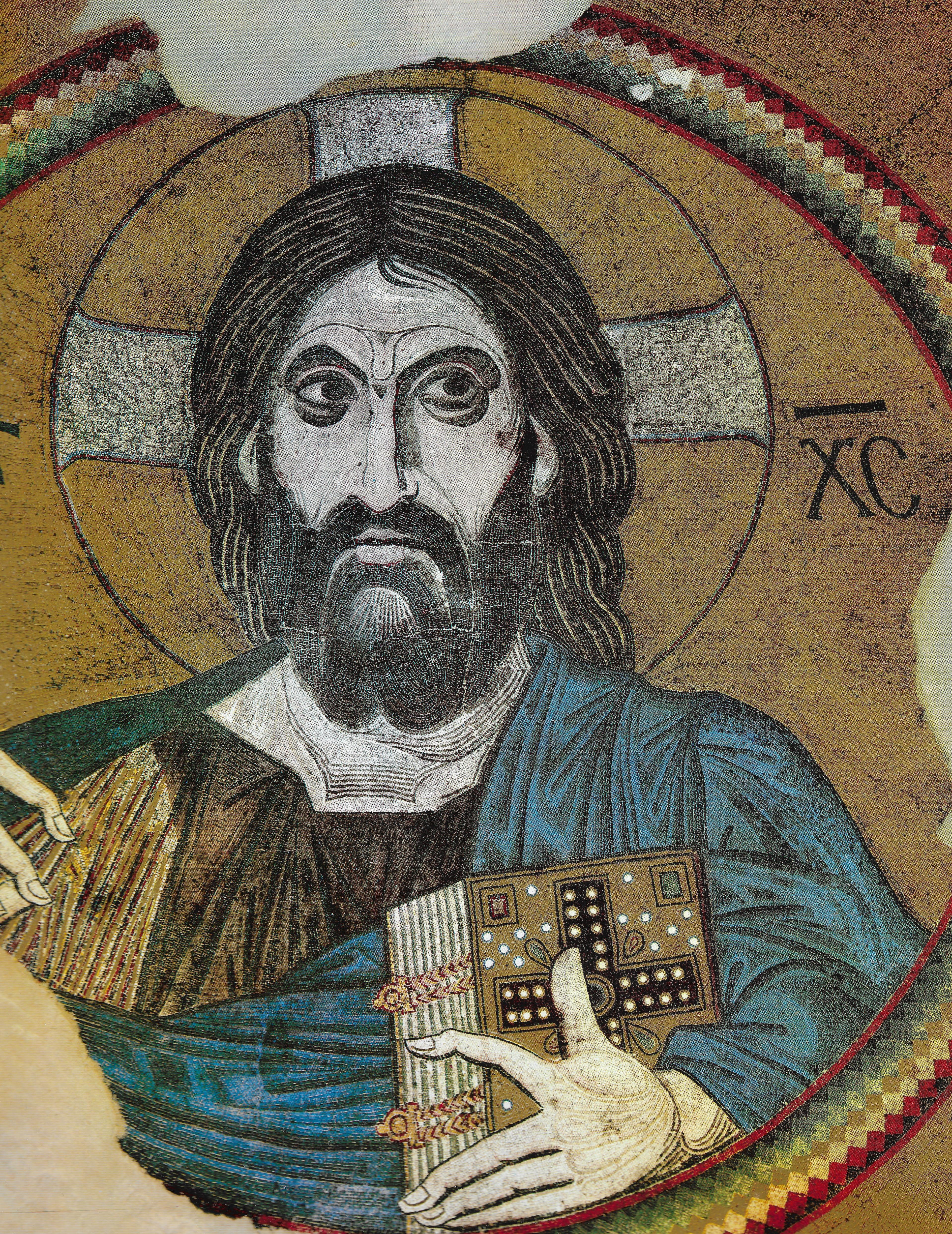
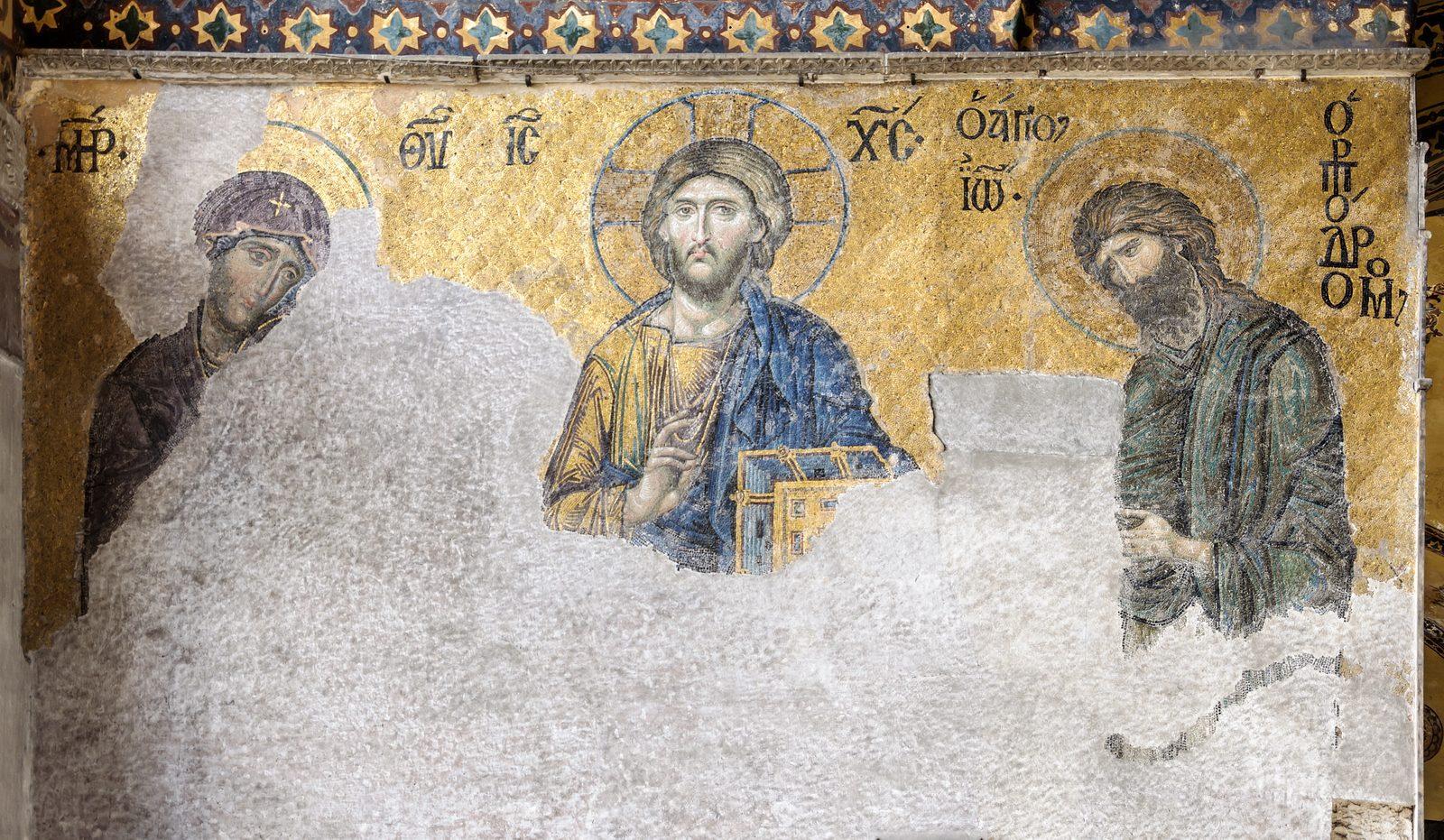
Christ Pantocrator: The Face That Refuses to Flatter
The Pantocrator mosaic at Daphni is the most unsettling image in Byzantine art. That is entirely the point. It depicts not the Jesus of modern devotional imagination but the Judge of the living and the dead.
3 min readRead
 2026-05-15
Essay
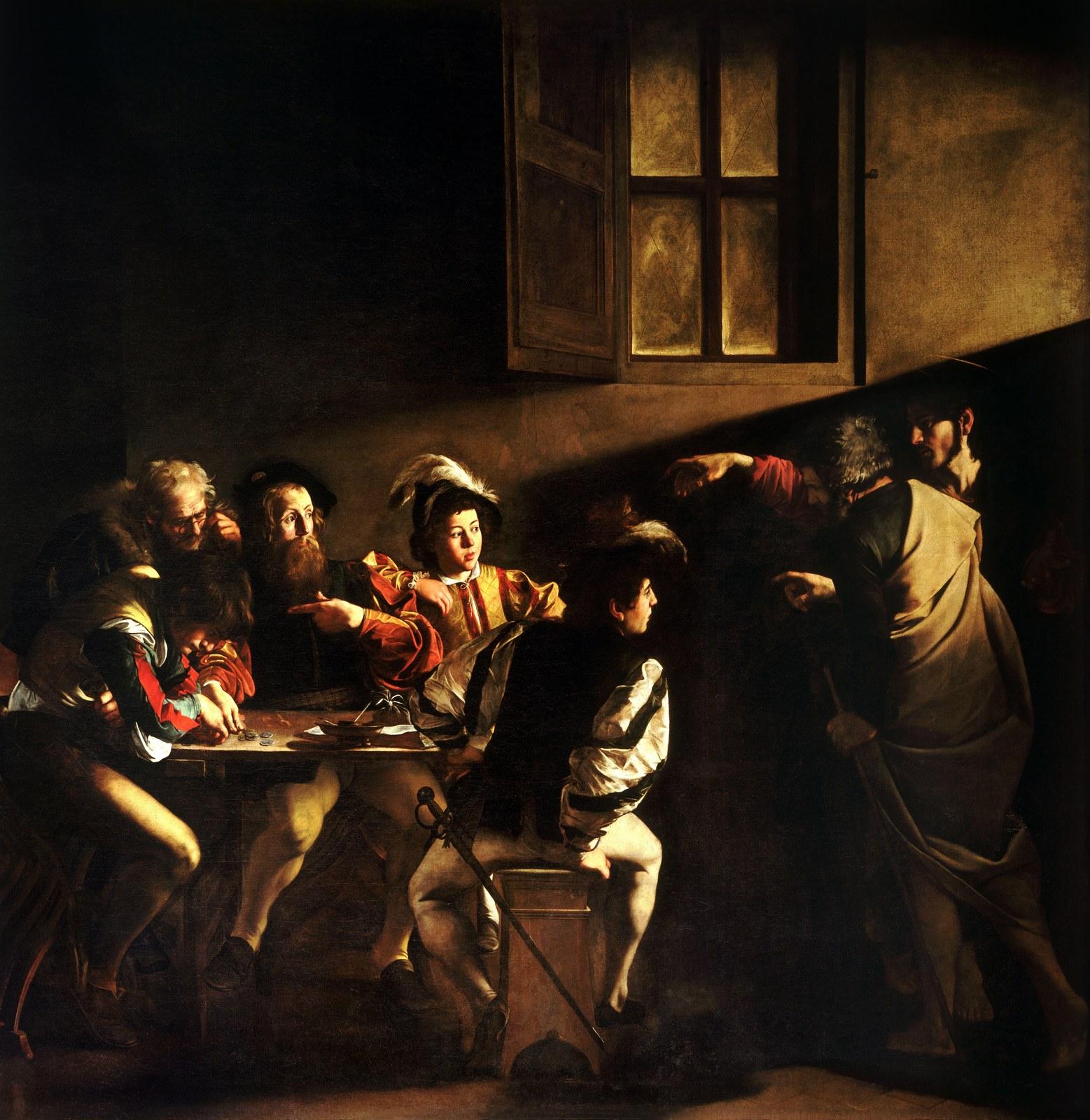
Caravaggio's Calling: The Moment Before Yes
Caravaggio painted The Calling of Saint Matthew in 1600. He hid the miracle inside an ordinary room, in ordinary light, with ordinary men — and that is the point.
4 min readRead
 2026-05-15
Essay
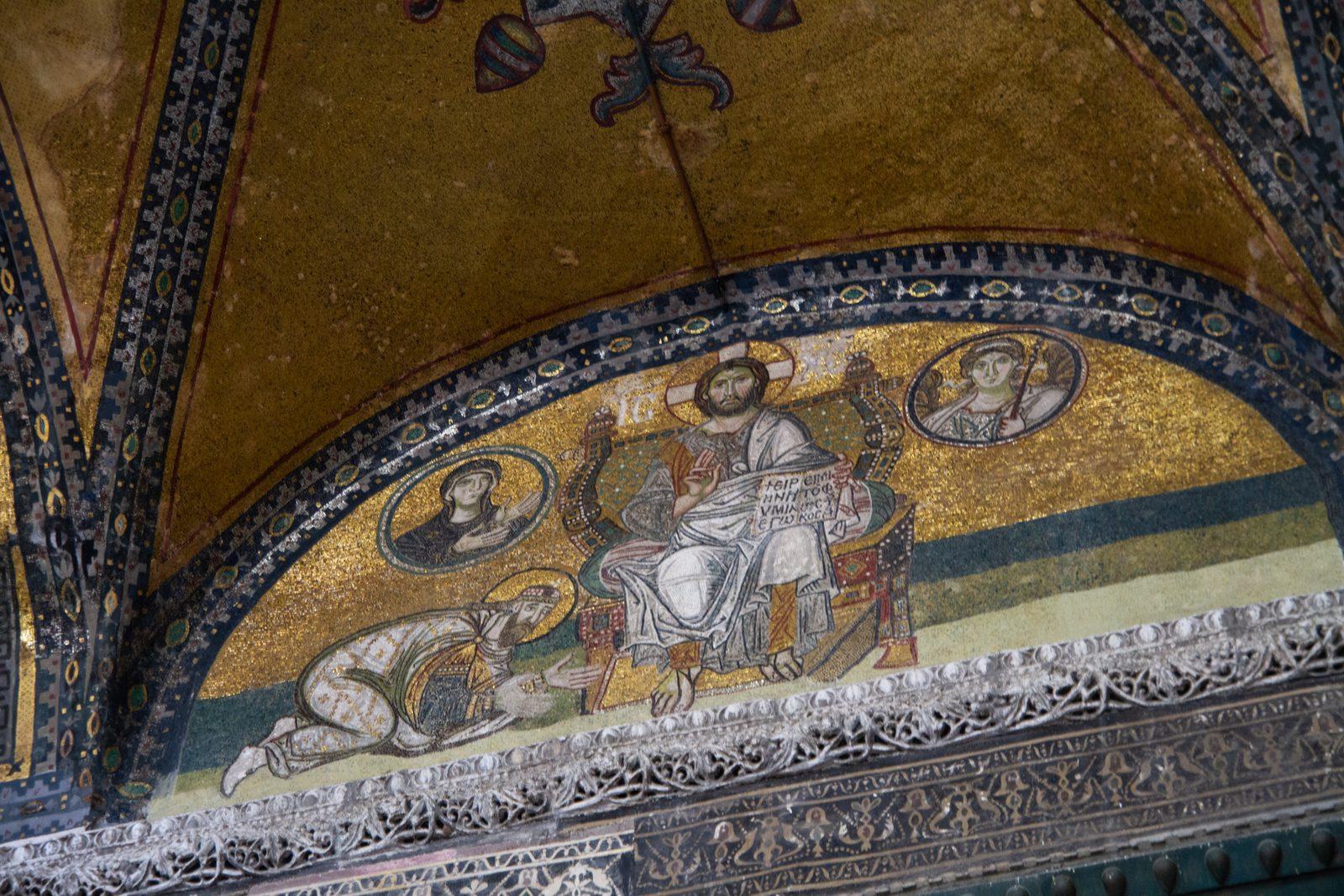
Hagia Sophia: When Architecture Became Theology
Justinian's architects solved a problem no one had solved before: how to suspend a dome weightlessly above a vast rectangular nave. The result was a building that did not illustrate Christian theology. It enacted it.
3 min readRead
 2026-05-08
Essay
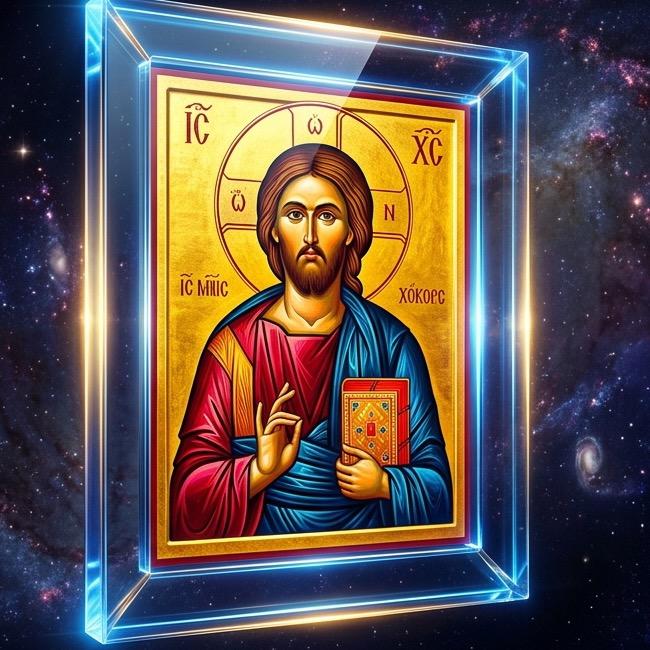
How to Read Icons Without Flattening Them
A practical guide to icons as theological language rather than religious decoration.
1 min readRead
 2026-05-08
Essay
King Belshazzar - Daniel 5
Early member preview on why sacred images feel more futuristic than the future.
1 min readMembersRead