Primary TextsCategory
Manuscripts
Source texts, codices, marginalia, and the written memory of the Church.
Explore This Theme
A Curated Path Through the Archive
A curated path through films, essays, sacred art, and primary sources connected to this doctrine. Begin with the featured study, then move deeper through related articles and archive entries.
In This Category
Browse Archive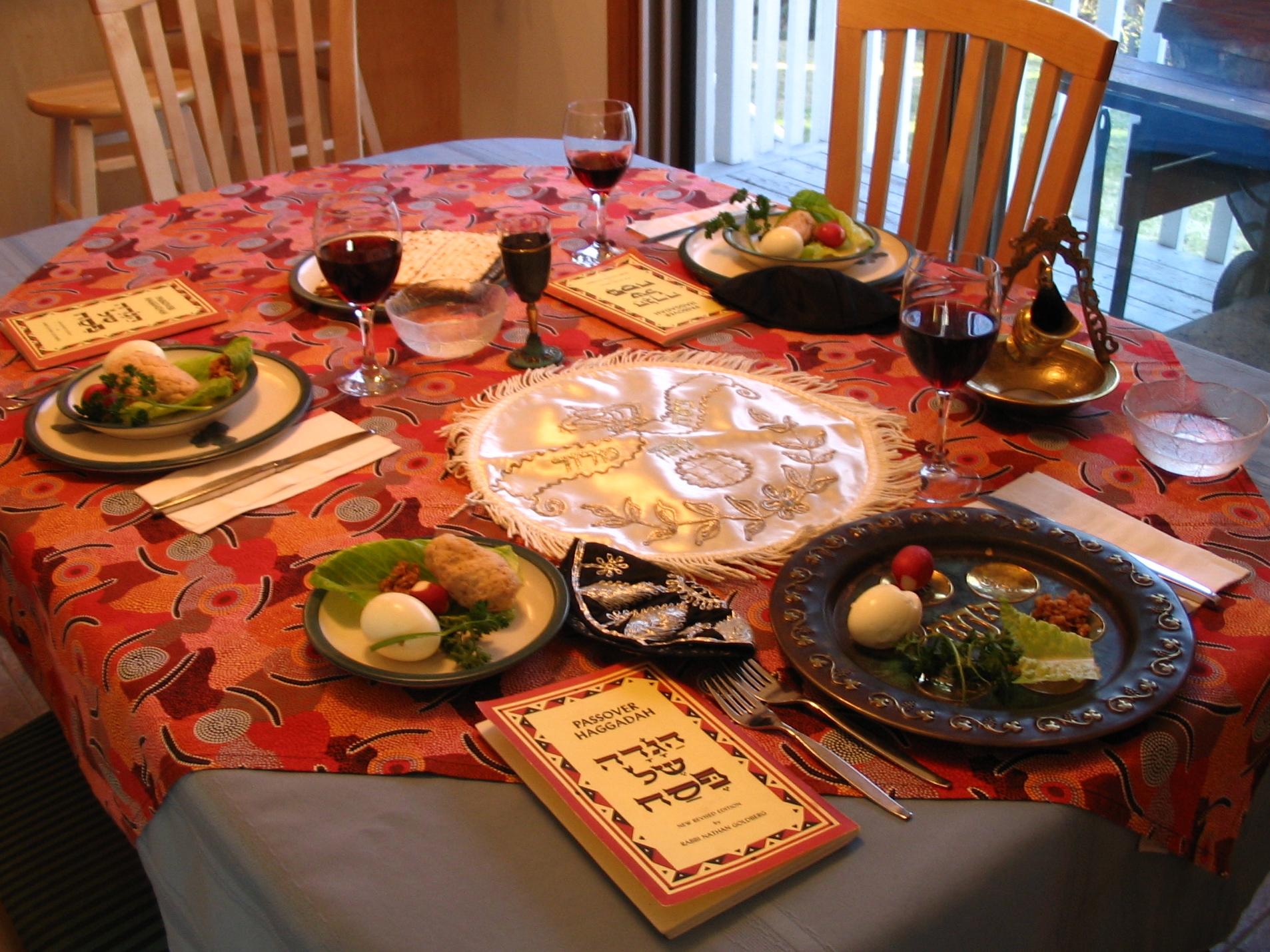 2026-05-17
Essay
The Jewish Roots of Christian Easter
Easter is not a Christian appropriation of pagan spring rites. It is the Christian fulfillment of the Jewish Passover — and the New Testament insists on this from its earliest layer.
11 min readRead
 2026-05-15
Essay
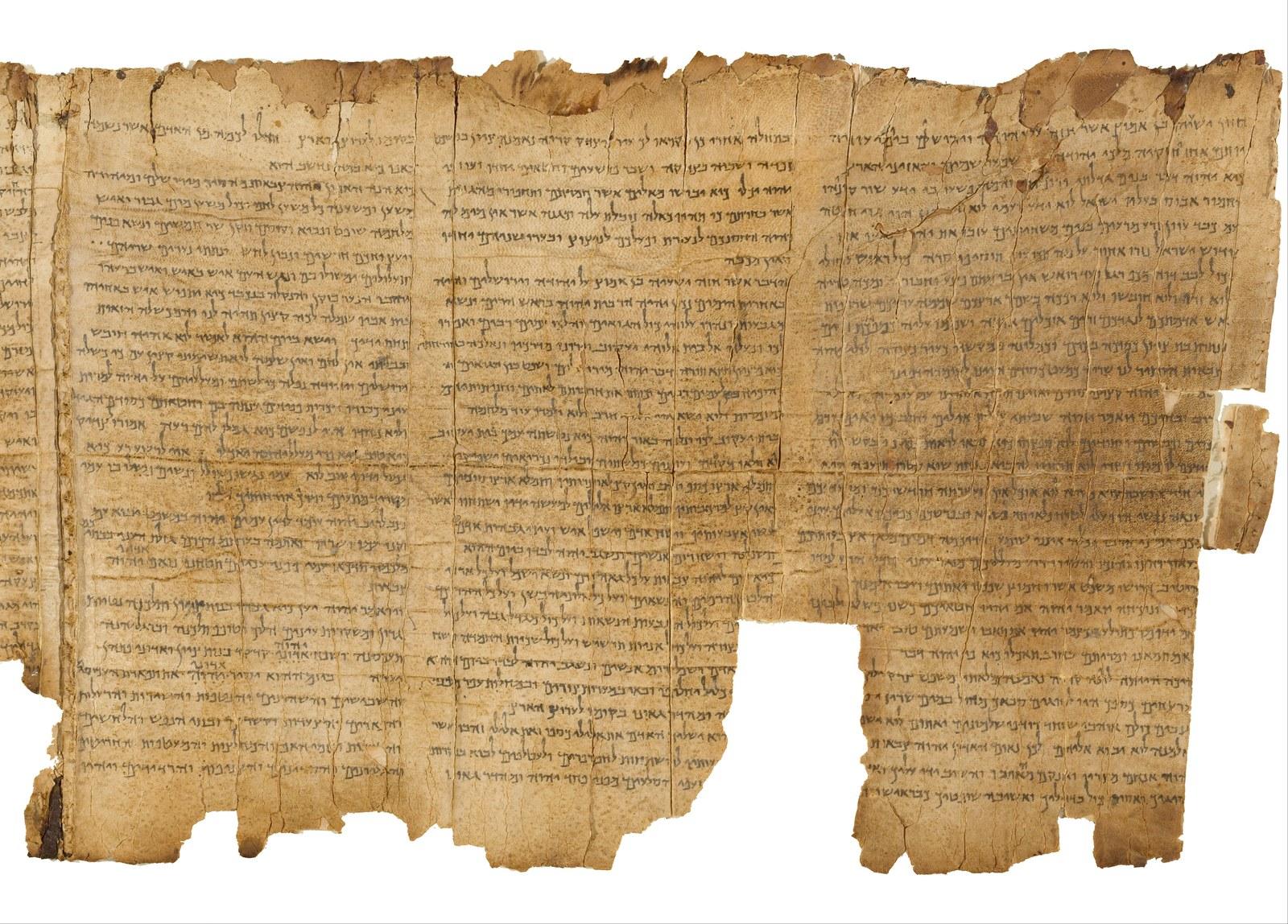
What Second Temple Jews Believed About the Universe
The New Testament was written by people who believed in a multi-tiered universe populated by divine beings, angelic hierarchies, and cosmic powers. Understanding this cosmology is not optional for understanding what the text says.
4 min readRead
 2026-05-15
Essay
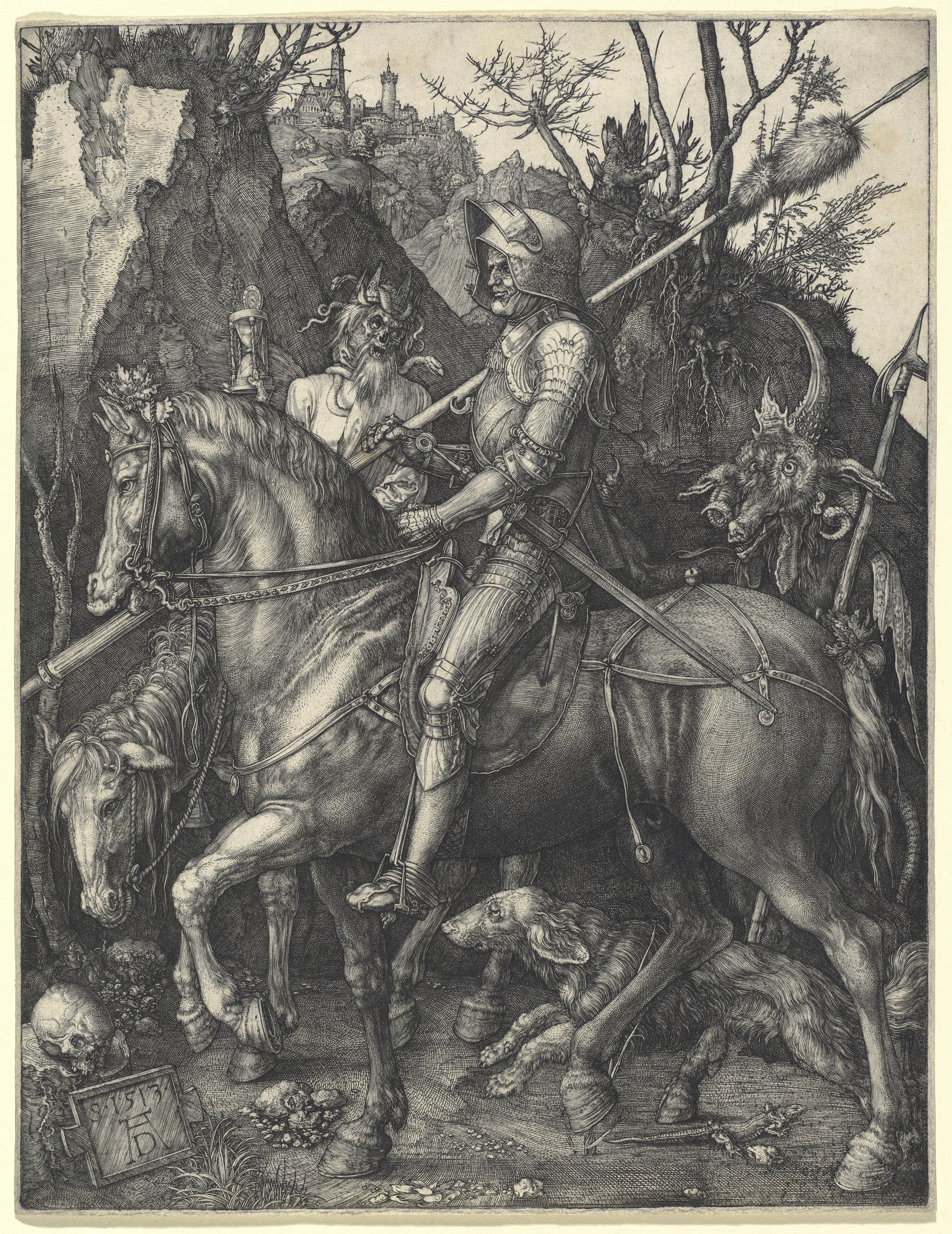
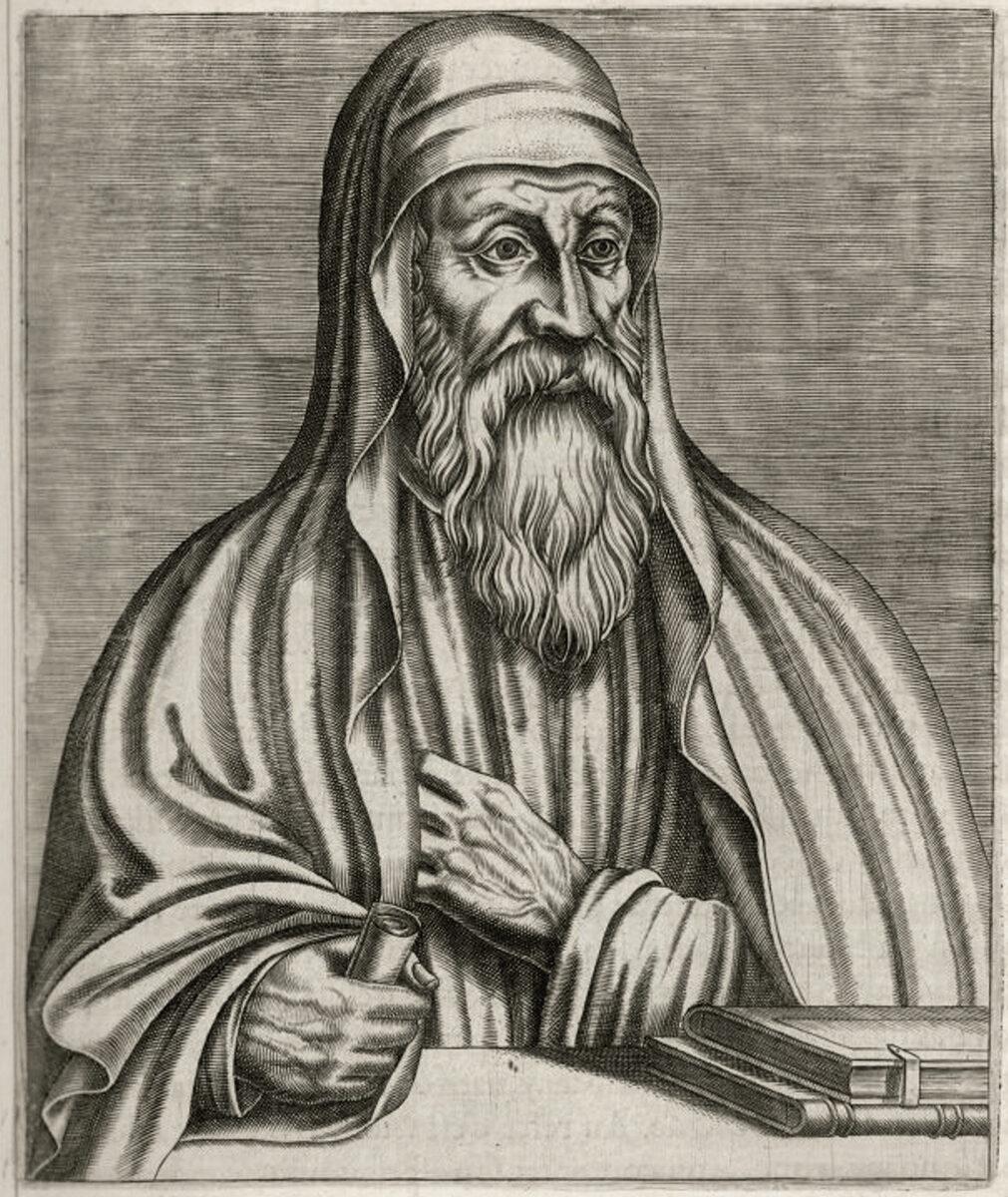
The Armor of God: What Ephesians 6 Actually Describes
Ephesians 6 is not a metaphor for moral self-improvement. It is a combat manual for people Paul believes are fighting a real war against real adversaries in real heavenly places.
4 min readRead
 2026-05-15
Essay
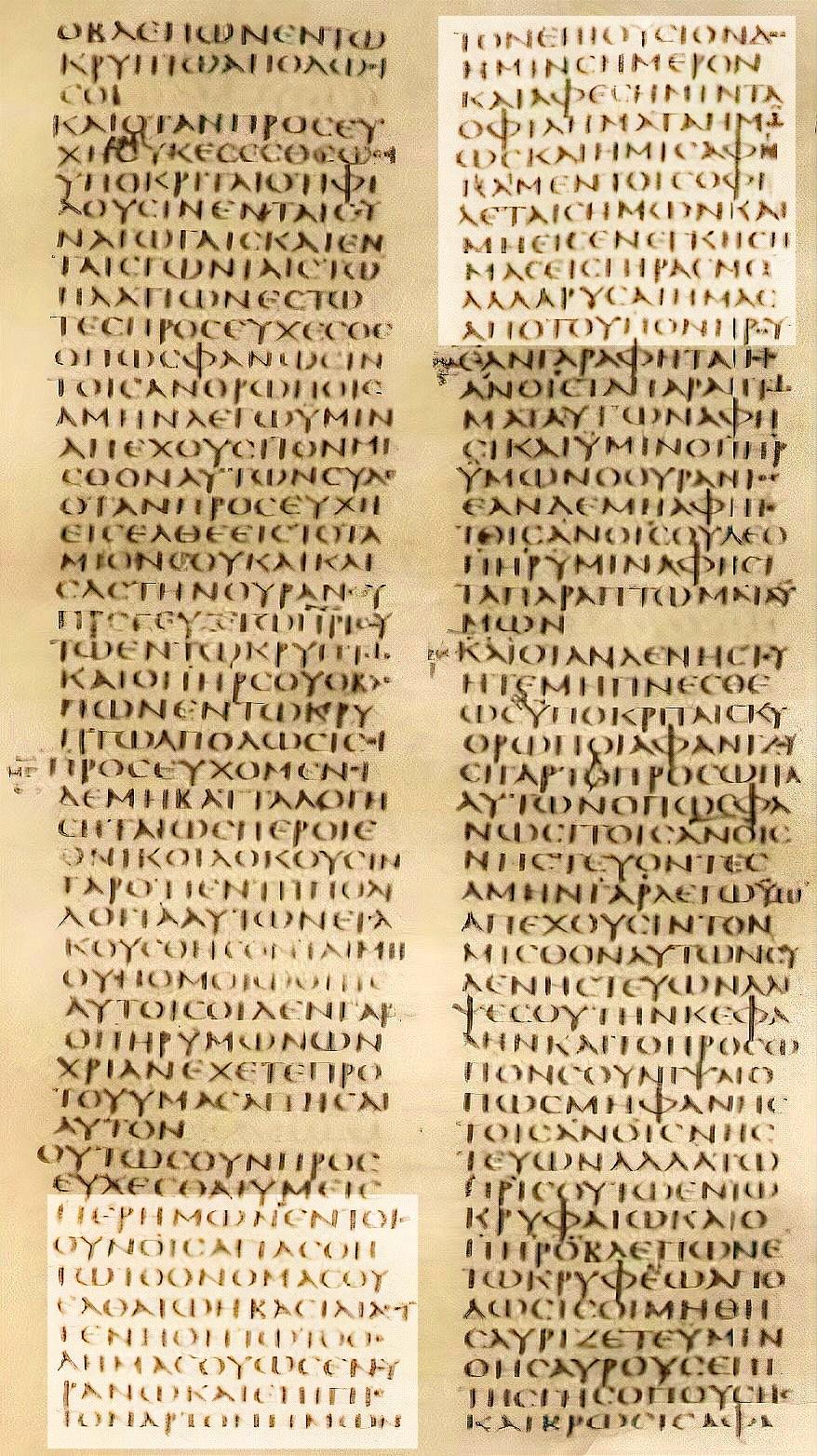
The Septuagint: How the Greek Old Testament Shaped Christianity
Before the New Testament existed, Jesus, Paul, and the apostles quoted Scripture from a Greek translation made in Alexandria. The Septuagint was not a translation the Church adopted — it was the Bible the Church was born reading.
4 min readRead
 2026-05-15
Essay
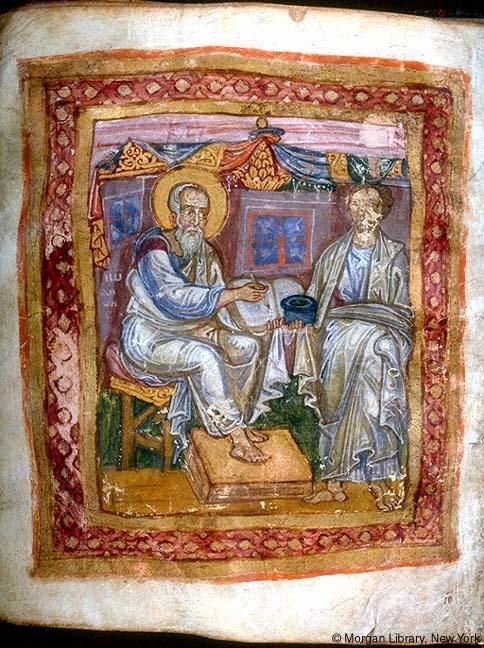
The Codex Sinaiticus: The Manuscript That Shaped the Bible
Discovered in a monastery on Mount Sinai in the 1840s, the Codex Sinaiticus is the oldest complete manuscript of the New Testament. Its story is one of survival, controversy, and the providential transmission of the faith.
4 min readRead
 2026-05-14
Essay
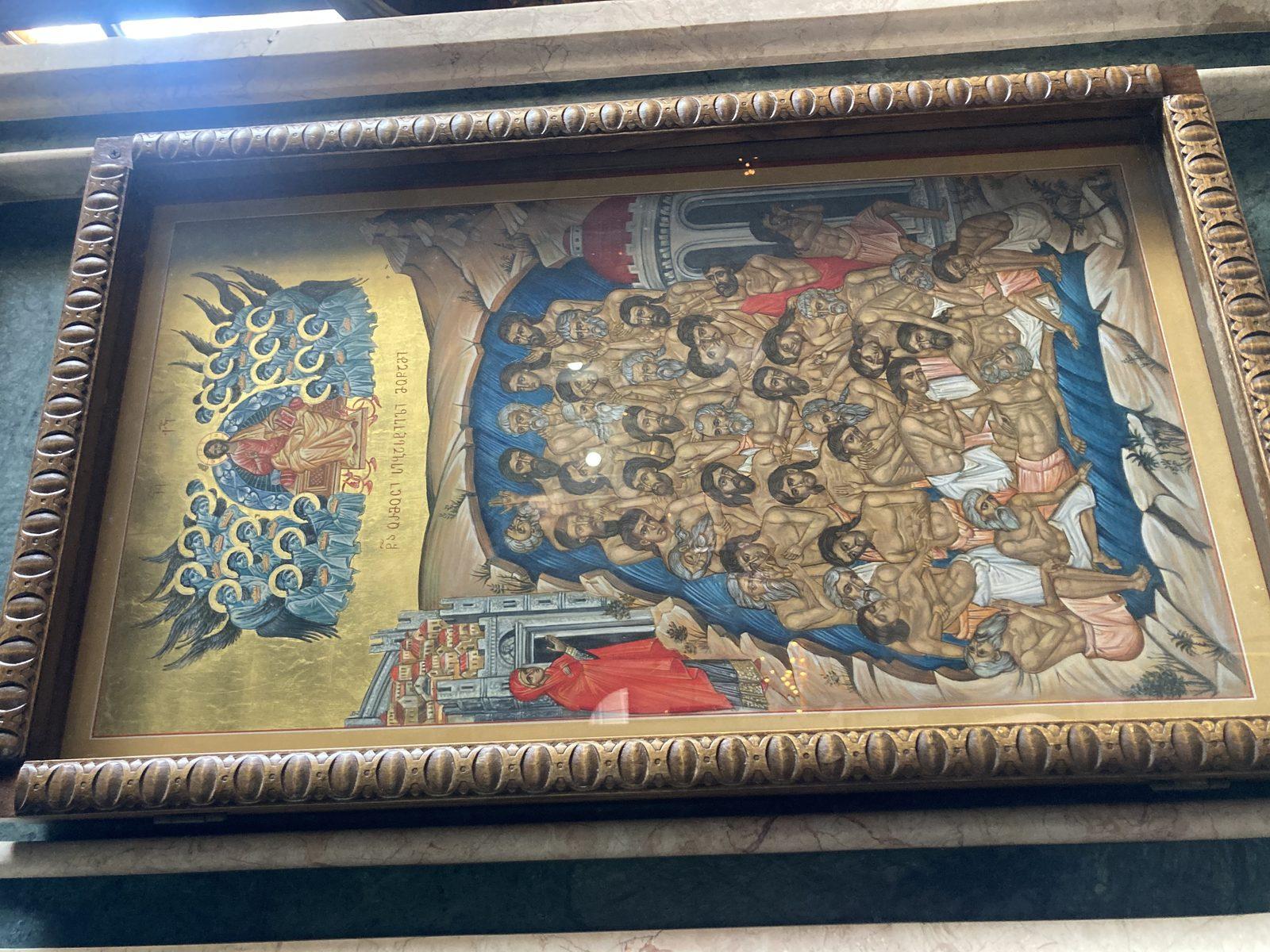
Marcion and the God He Refused to Accept
Marcion of Sinope believed the God of the Old Testament was a different — and lesser — deity than the Father of Jesus Christ. His solution was a Bible without the Old Testament.
2 min readRead
 2026-05-08
Film
The Silent Witnesses
A candlelit descent into the Fathers, councils, and the cost of guarding the faith.
1 min readRead