HeterodoxyCategory
Wolves & False Doctrine
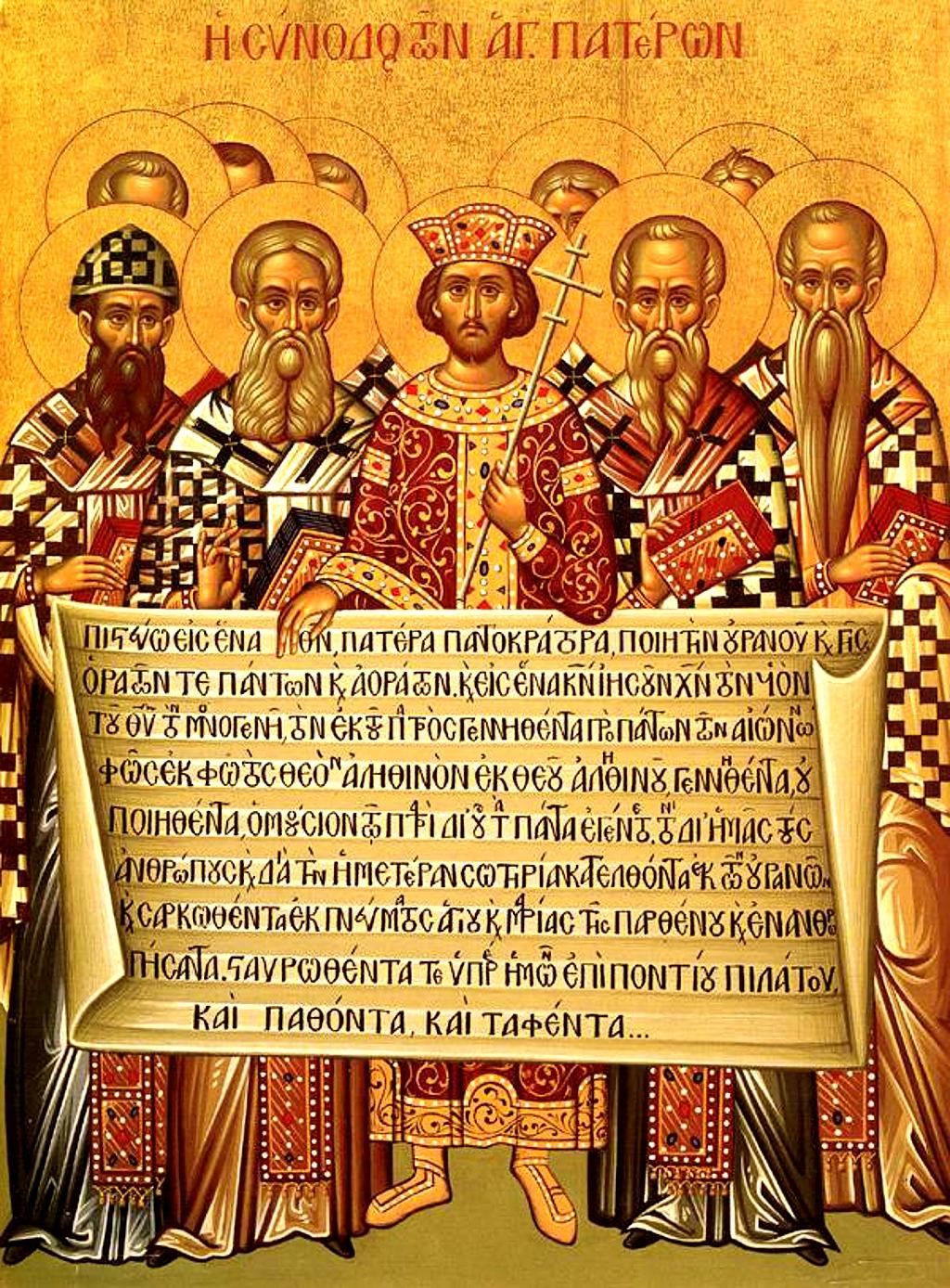
Arianism, Gnosticism, Pelagianism, Marcionism — and the councils that answered them. Every major heresy forced the Church to speak with greater precision. These are the controversies that produced orthodoxy.
Explore This Theme
A Curated Path Through the Archive
A curated path through films, essays, sacred art, and primary sources connected to this doctrine. Begin with the featured study, then move deeper through related articles and archive entries.
In This Category
Browse Archive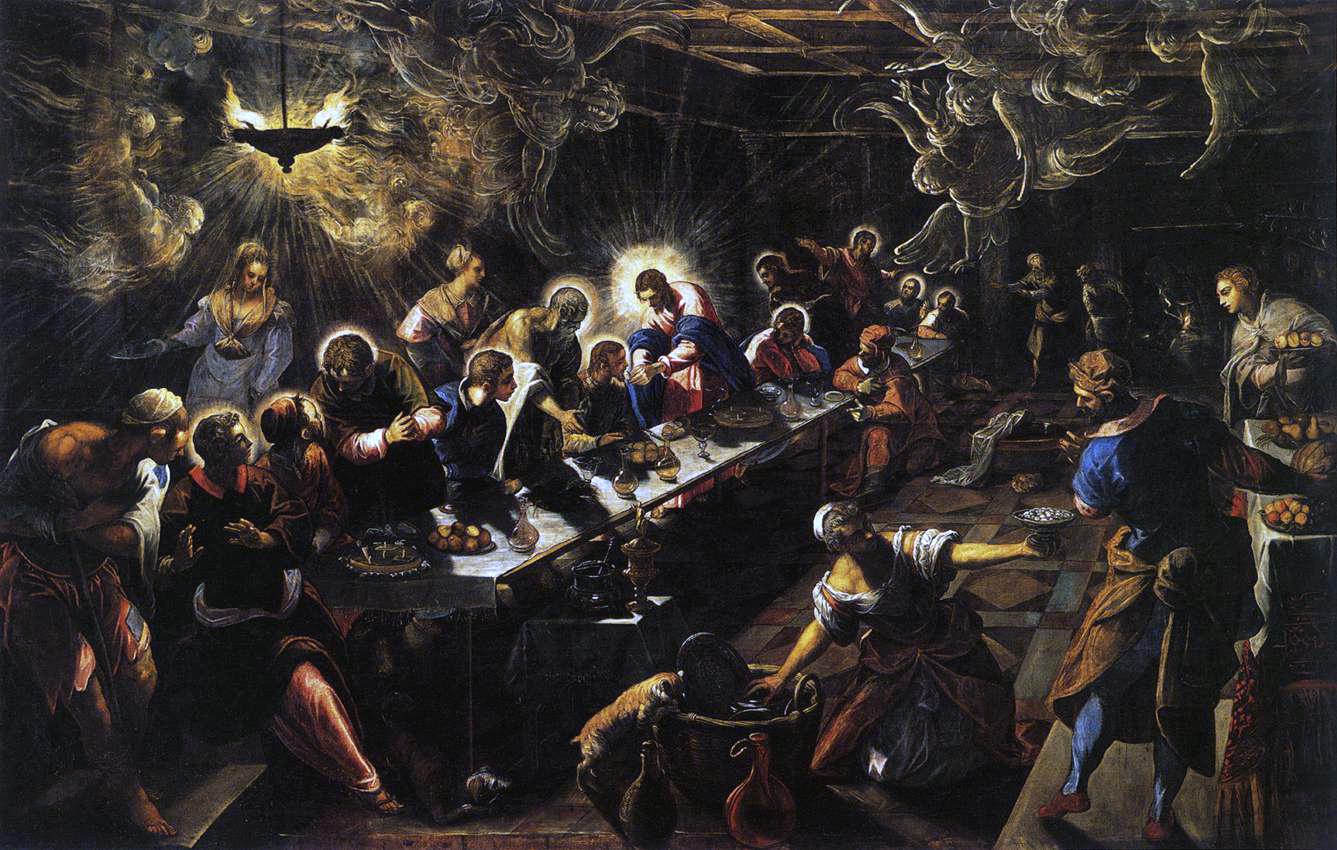 2026-05-17
Essay
Why the Lord's Supper Divides Christians
The Eucharist is the most thoroughly attested practice of the earliest Church — and the single sacrament that has done the most to keep Christians apart. The reason is not pettiness. It is Christology.
12 min readRead
 2026-05-15
Essay
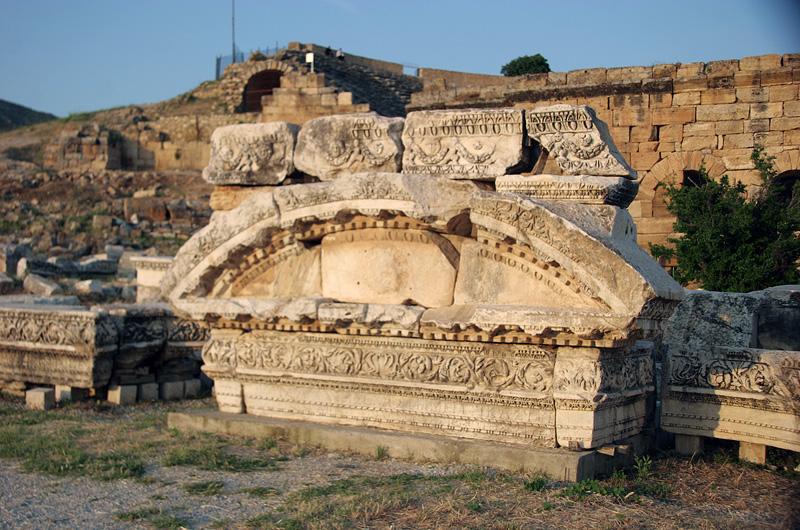
Montanism: When Prophecy Claimed to Exceed the Apostles
Montanus claimed the Holy Spirit was speaking through him with a new and final revelation that completed what the apostles had left unfinished. The Church's rejection of his movement defined something essential about how Christian authority works.
4 min readRead
 2026-05-14
Essay
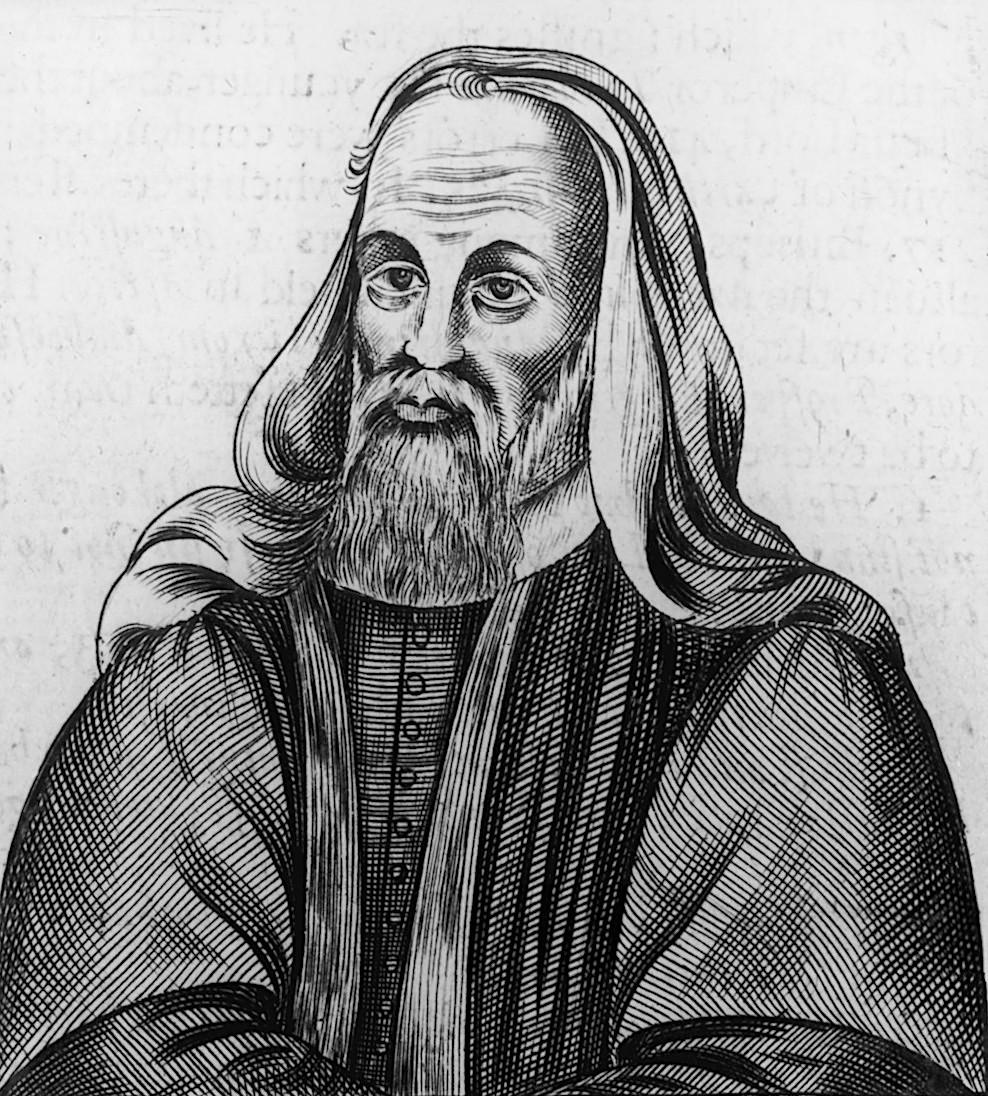
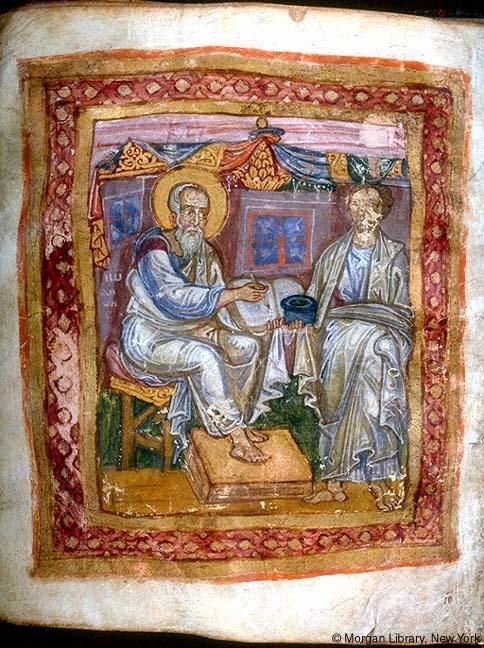
Pelagius vs. Augustine: The War Over Grace
Pelagianism is the theology of human capability. Augustine's response is still the most precise account of grace, sin, and freedom that Christian theology has produced.
6 min readRead
 2026-05-14
Essay
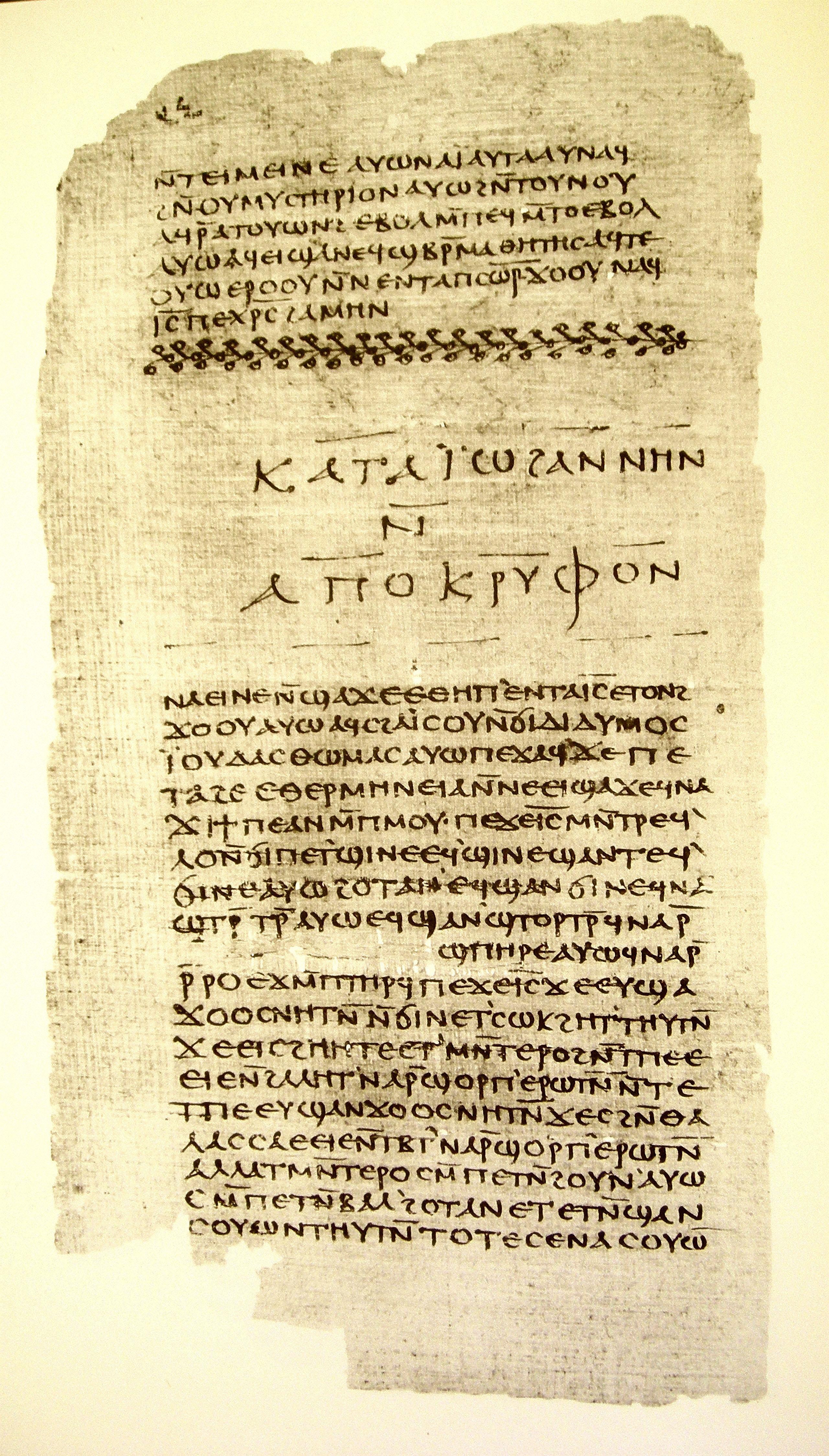
Marcion and the God He Refused to Accept
Marcion of Sinope believed the God of the Old Testament was a different — and lesser — deity than the Father of Jesus Christ. His solution was a Bible without the Old Testament.
2 min readRead
 2026-05-13
Essay
The Gnostic Jesus: What Irenaeus Understood and We Have Forgotten
Gnosticism offered a Jesus who escaped the material world. Irenaeus spent twenty years explaining why that Jesus cannot save anyone.
2 min readRead
 2026-05-12
Essay
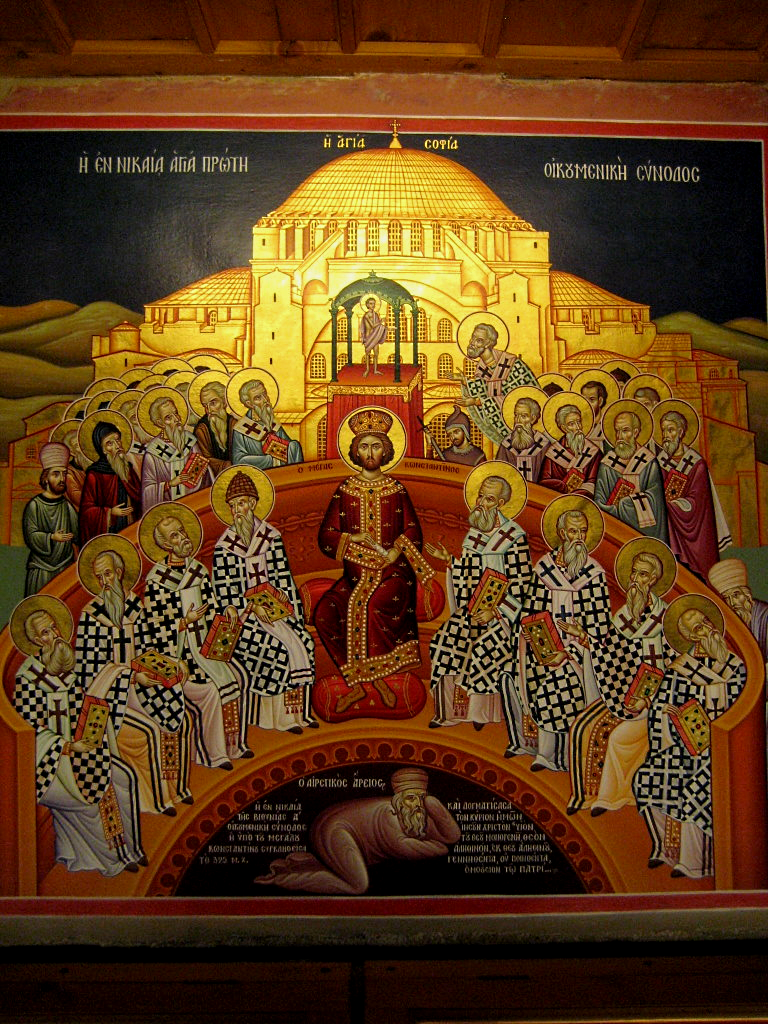
Arianism: The Heresy That Almost Won
Arianism was not a fringe position. For decades it controlled the Church's institutions, filled the episcopal sees, and nearly became Christianity's permanent confession.
2 min readRead