Sukkot
Sukkot (סֻכּוֹת — "Booths" / "Tabernacles")
Sukkot — the Feast of Booths. Seven days of dwelling in temporary huts at the harvest's end, the waving of the four species, the great water-drawing ceremony at the Temple, and the eschatological hope that in the messianic age all the nations will come up to Jerusalem to keep the feast (Zechariah 14).
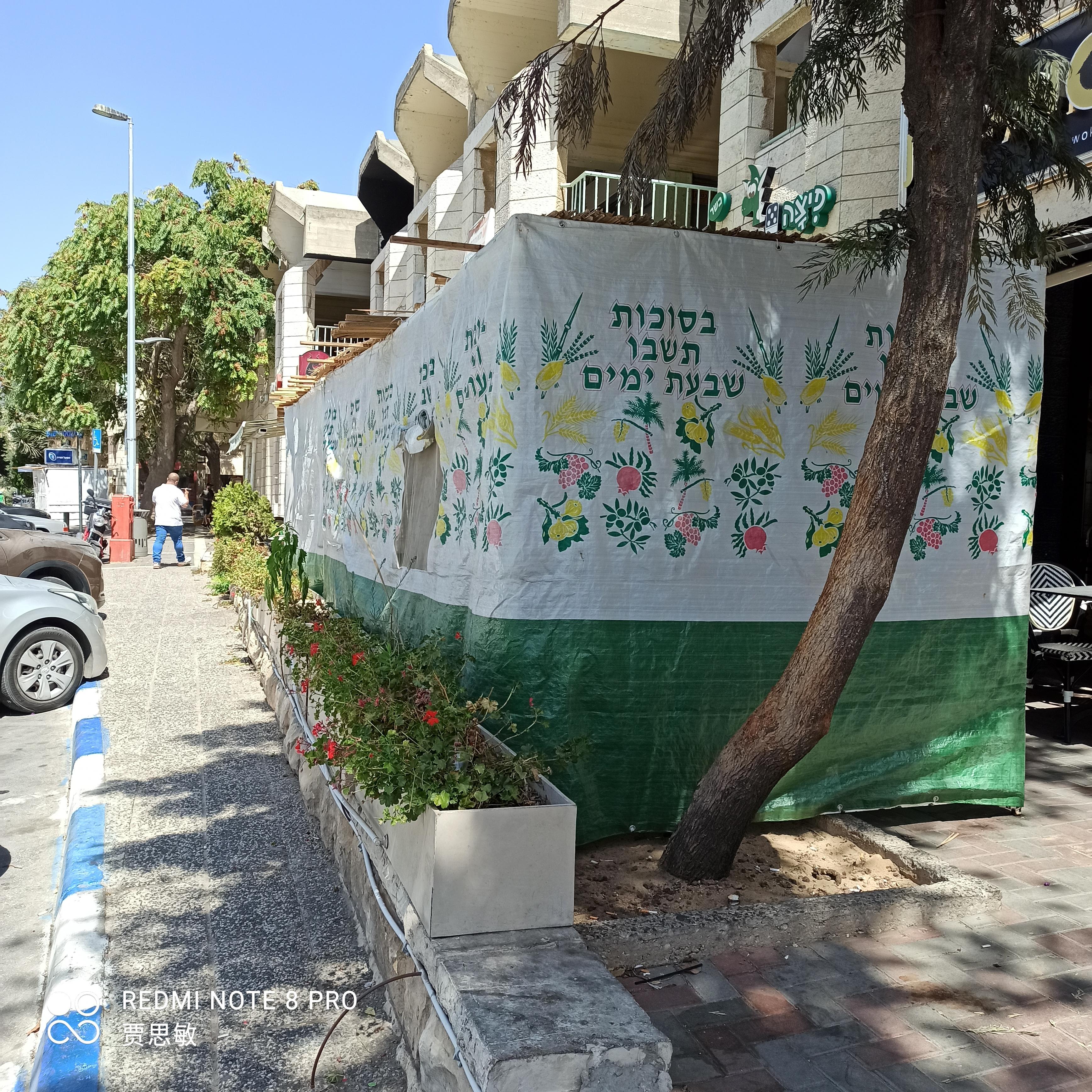
Sukkot — "Booths" or "Tabernacles" — is the third of the three pilgrimage festivals and was, in the biblical period, the greatest of them. The Torah calls it simply "the feast" (Hechag, Leviticus 23:39) when no qualification is needed, and 1 Kings 8 has Solomon dedicating the Temple at Sukkot before all Israel. The feast falls five days after Yom Kippur, at the end of the agricultural year and the beginning of the rainy season in the land of Israel. The harvest is gathered. The wine is in the vats. The work of the year is done. Now, before the rains begin and the winter sets in, the people of Israel celebrate.
The feast is the most physically embodied in the Jewish year. For seven days every household is commanded to leave its permanent dwelling and live in a sukkah — a temporary hut built specifically for the feast, with at least three walls and a roof of cut branches (s'chach) loose enough that the stars are visible through it. The sukkah is meant to be insubstantial. Its roof must not be more shade than light. Its walls can be canvas or fabric. The commandment is to dwell in it, eat in it, sleep in it (where the climate and circumstances allow) for the duration of the feast. Two biblical reasons are given. The first is historical: "that your generations may know that I made the people of Israel dwell in booths when I brought them out of the land of Egypt" (Leviticus 23:43) — the wilderness wandering remembered through experience. The second is agricultural: the booths of the harvesters that dotted the fields at vintage and ingathering time.
The four species (arba'at haminim) — palm branch, citron, myrtle, willow — are taken in hand and waved in six directions (east, south, west, north, up, down) during the Hallel psalms. The rabbinic tradition associates each species with a category of Jews (Leviticus Rabbah 30:12): the etrog with taste and fragrance is the learned and observant, the lulav with taste but no fragrance is the learned but not observant, the myrtle with fragrance but no taste is the observant but not learned, the willow with neither is the neither — and all four are bound together, because the people of Israel is one. The Hoshanot processions of the seventh day (Hoshana Rabbah) move around the synagogue seven times with the cry "Hosha na — please save us," a cry that Christian readers will recognize from Palm Sunday (Mark 11:9), where the crowds wave palm branches and shout "Hosanna." The Gospel scene is staged in the iconography of Sukkot, transposed onto Pesach.
Sukkot has a powerful eschatological dimension that distinguishes it from the other pilgrimage feasts. Pesach looks backward to the Exodus. Shavuot stands at the giving of the Torah. Sukkot looks forward. Zechariah 14:16–19 prophesies that in the messianic age, the survivors of all the nations that came against Jerusalem will go up year by year to Jerusalem to keep the Feast of Sukkot. The seventy bull offerings prescribed for the seven days (Numbers 29:12–34, in descending numbers: thirteen, twelve, eleven, ten, nine, eight, seven) were interpreted by the rabbis (Sukkah 55b) as offered for the seventy nations of the world. Sukkot is the feast in which Israel celebrates not only its own redemption but the eschatological hope of universal redemption — the world made fit for the Lord's dwelling, the booths of the wilderness becoming the booths of the messianic age.
For Christian readers, Sukkot is the feast that frames John 7. "Now the Jews' Feast of Booths was at hand" (John 7:2). Jesus goes up to the feast secretly, then teaches openly in the Temple. "On the last day of the feast, the great day" — Hoshana Rabbah, the seventh day on which the water libation reached its climax in the Temple's water-drawing ceremony — "Jesus stood up and cried out, 'If anyone thirsts, let him come to me and drink. Whoever believes in me, as the Scripture has said, out of his heart will flow rivers of living water'" (John 7:37–38). The setting is precise: the day of the water ceremony, the prayer for rain, the eschatological cry of Sukkot. The light of the menorot that burned all night in the Court of the Women during the feast (Mishnah Sukkah 5:2) is the iconographic backdrop for "I am the light of the world" the next chapter (John 8:12). Revelation 7:9, the great Sukkot vision — "a great multitude... standing before the throne and before the Lamb, clothed in white robes, with palm branches in their hands" — completes the eschatological arc that Zechariah began. Sukkot is the Jewish feast that points most directly toward the gathered nations of the kingdom.
Scriptural Basis
- Leviticus 23:33–43 — the seven-day feast, the four species, the booths
- Deuteronomy 16:13–17 — the pilgrimage and joy of the feast
- Numbers 29:12–38 — the sacrificial schedule (a diminishing daily offering of bulls — seventy in total, read in rabbinic tradition as for the seventy nations)
- 1 Kings 8 — Solomon's dedication of the Temple at Sukkot
- Nehemiah 8:13–18 — the post-exilic restoration of the feast
- Zechariah 14:16–19 — the eschatological Sukkot at which all the nations come up to Jerusalem
- John 7 — the Gospel narrative set at Sukkot, including "if anyone thirsts, let him come to me and drink" (John 7:37–38), spoken "on the last day of the feast, the great day"
Observance
- Building and dwelling in the sukkah — a temporary hut with a roof of branches (s'chach) through which the sky must be visible, lived in or at least eaten in for seven days
- The four species (arba'at haminim): the lulav (palm branch), etrog (citron), hadassim (myrtle), and aravot (willow), held together and waved in six directions during the Hallel
- Hoshanot — processions around the sanctuary holding the four species, with the cry "Hosha na!" ("Save us!"); on Hoshana Rabbah (the seventh day), seven circuits with the recital of psalms
- In Temple times: the water-drawing ceremony (Simchat Beit haShoeivah), with torch-lit dancing in the Court of the Women and the procession to the pool of Siloam (described in Mishnah Sukkah 5)
- Shemini Atzeret — the eighth-day "solemn assembly" — and Simchat Torah, the rejoicing of the Torah, with the completion and immediate restart of the annual reading cycle
- Reading of Ecclesiastes (Kohelet) during the feast — the book of the vanity of human striving, read at the harvest's end
Citations & Further Reading
- Leviticus 23:33–43, Deuteronomy 16:13–17, Numbers 29:12–38 (the Pentateuchal legislation)
- Mishnah, Tractate Sukkah (especially chapter 5 on the water-drawing ceremony)
- Babylonian Talmud, Tractate Sukkah
- 1 Kings 8; Nehemiah 8:13–18 (the great biblical Sukkots)
- Leviticus Rabbah 30:9–14 (rabbinic homilies on the four species)
- Zechariah 14:16–19 (the eschatological Sukkot of the nations)
- Jeffrey L. Rubenstein, The History of Sukkot in the Second Temple and Rabbinic Periods (Brown Judaic Studies, 1995)