Roman Catholicism
The Church of Rome
The largest Christian body in the world. The bishop of Rome as visible head, seven sacraments, the magisterium, Scripture-and-Tradition, and a continuous institutional life from the apostles to today.
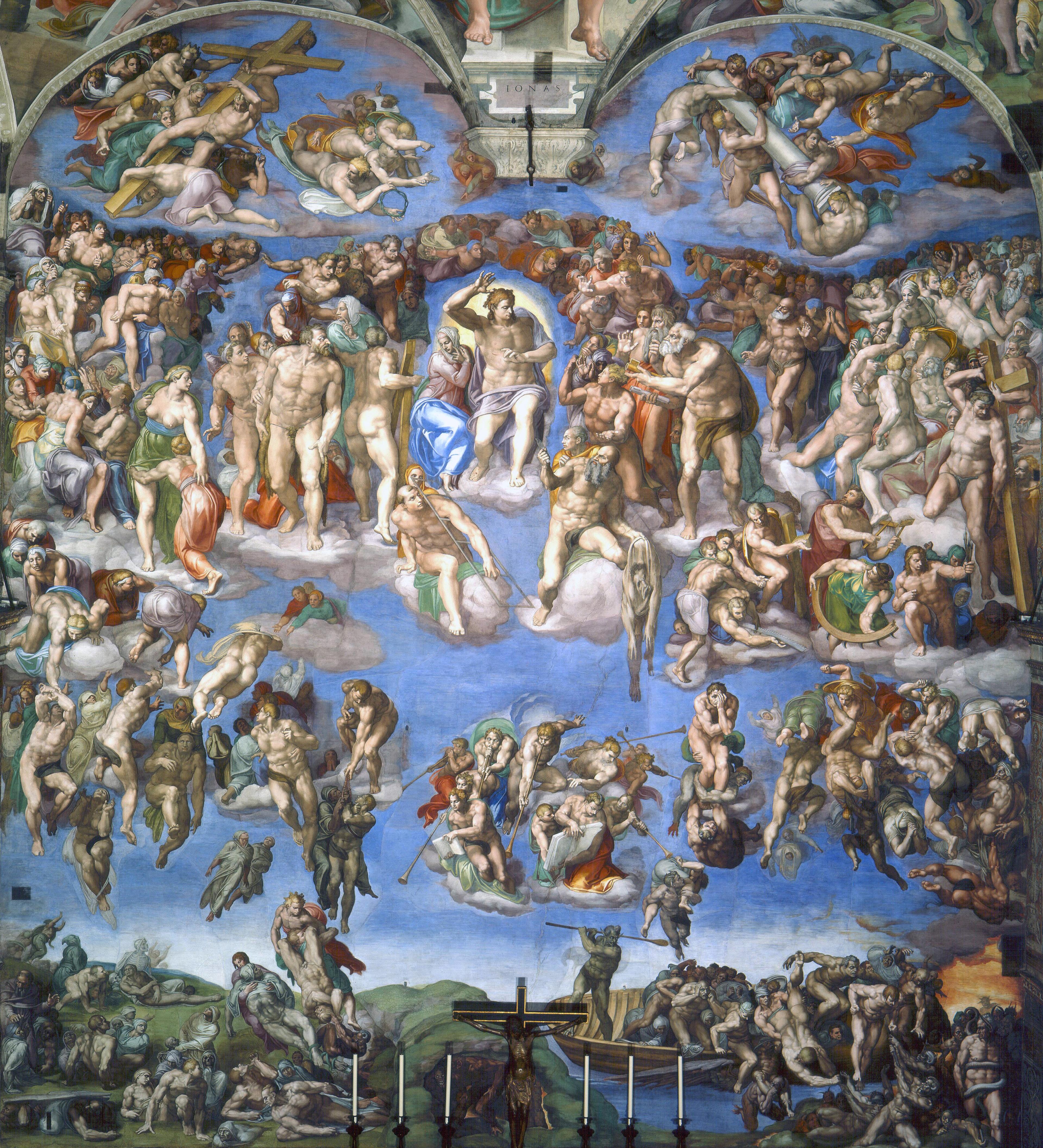
Roman Catholicism is the body of Christians in communion with the Bishop of Rome. The tradition traces this communion to Christ's words to Peter in Matthew 16:18 — "Thou art Peter, and on this rock I will build my church" — and to the early belief, attested in Irenaeus's Adversus Haereses (c. 180), that the Roman see preserves the apostolic teaching with particular authority. The visible unity of Western Christianity under the Roman see was the ordinary state of Western European religion from the 4th century through the 16th.
Two great defining moments shaped modern Roman Catholic identity. The Council of Trent (1545–1563), called in response to the Protestant Reformation, defined the Catholic doctrine of justification (against Luther), reaffirmed the seven sacraments (against the Reformers' two), set the canon of Scripture (including the deuterocanonical books), and instituted the disciplinary reforms — including the standardized Roman Missal and seminary education for clergy — that shaped Catholicism for four centuries. The Second Vatican Council (1962–1965) opened Catholic worship to the vernacular, reframed the church's relationship to Scripture, to other Christian bodies ("separated brethren"), and to non-Christian religions, and produced sixteen documents that still shape Catholic theology and pastoral practice today.
The sacramental system is the bone structure of Catholic life. Baptism, Confirmation, Eucharist, Reconciliation (Confession), Anointing of the Sick, Matrimony, and Holy Orders are understood not as symbols of grace but as the means by which grace is actually communicated. The Eucharist in particular — defined at the Fourth Lateran Council (1215) and reaffirmed at Trent as involving the transubstantiation of bread and wine into the body and blood of Christ — is the center of Catholic worship and identity.
The Marian dogmas distinguish Roman Catholic teaching from both Orthodox and Protestant traditions. The Immaculate Conception (defined by Pius IX in 1854) teaches that Mary was preserved from original sin from the moment of her conception. The Assumption (defined by Pius XII in 1950) teaches that at the end of her earthly life she was taken up bodily into heaven. Both are infallible papal definitions — exercises of the magisterium articulated at Vatican I. Worldwide Roman Catholicism numbers approximately 1.4 billion, making it the largest single Christian body and roughly half of all Christians worldwide.
Distinctives
- Petrine office: the bishop of Rome as visible head of the universal Church
- Seven sacraments, with the Eucharist as the source and summit
- Magisterium: the teaching authority of pope and bishops in apostolic succession
- Scripture and Tradition as a single deposit of faith
- Marian dogmas (Immaculate Conception, Assumption)
- Purgatory and the communion of saints
Key Figures
- Peter (as first Bishop of Rome)
- Augustine of Hippo
- Thomas Aquinas
- Francis of Assisi
- Ignatius of Loyola
- John Henry Newman
Defining Documents
- The Council of Trent (1545–1563)
- The Catechism of the Catholic Church (1992)
- The First Vatican Council (1869–1870) — papal infallibility
- The Second Vatican Council (1962–1965)