Eastern Catholic Churches
Catholic in Communion, Eastern in Rite
Twenty-three particular churches in full communion with Rome that preserve the liturgy, theology, and discipline of the Christian East. The Maronites, Ukrainian Greek Catholics, Melkites, Chaldeans, Syro-Malabar, and others — Catholic in faith, Eastern in everything else.
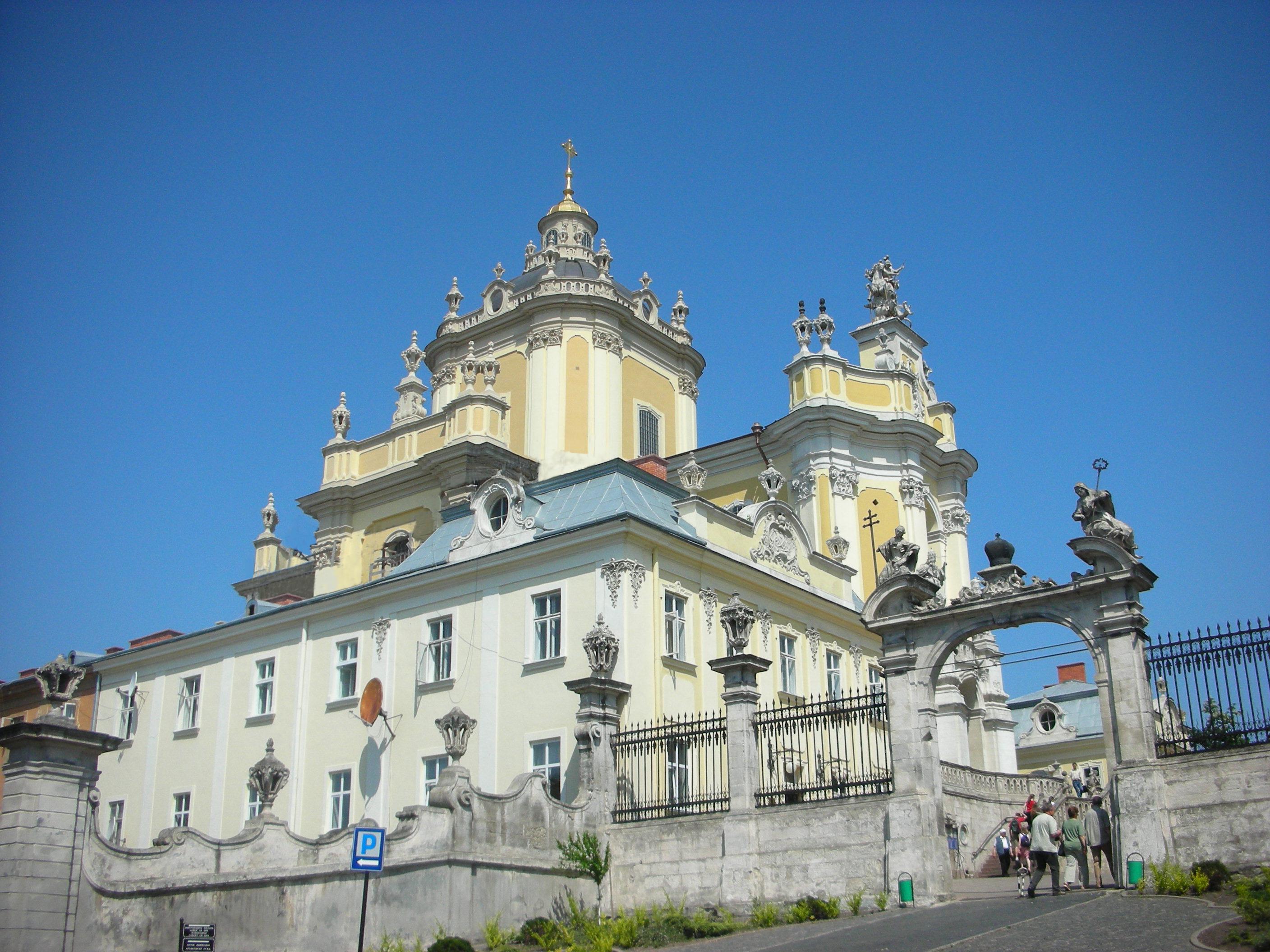
The Eastern Catholic Churches are twenty-three particular churches (the precise count occasionally varies) that are in full communion with the Bishop of Rome while preserving their distinctive Eastern liturgical, theological, spiritual, and canonical heritage. They are not Latin-rite Catholics worshipping in an Eastern style — they are properly Eastern churches, with their own bishops, patriarchs (or major archbishops), liturgies in Greek, Aramaic, Coptic, Ge'ez, Syriac, Armenian, Church Slavonic, Arabic, Malayalam, and dozens of vernaculars, and their own canonical code (the 1990 Code of Canons of the Eastern Churches). The Latin Church and the twenty-three Eastern Catholic Churches together constitute the Catholic Communion.
The Eastern Catholic Churches fall into five liturgical-theological traditions: Alexandrian (Coptic Catholic, Ethiopian Catholic, Eritrean Catholic), Antiochene/West Syrian (Maronite, Syriac Catholic, Syro-Malankara), East Syrian/Chaldean (Chaldean Catholic, Syro-Malabar), Armenian (Armenian Catholic), and Byzantine — the largest single grouping, with Ukrainian Greek Catholic, Melkite, Romanian, Ruthenian, Slovak, Hungarian, Belarusian, Russian Catholic, Italo-Albanian, and several others. The Maronite Church holds the distinctive claim never to have been out of communion with Rome; the others entered communion at various points from the 12th century forward.
The principal Eastern Catholic reunions of the early modern period took place under serious political and ecclesial pressure. The Union of Brest in 1596 brought most of the Ruthenian Orthodox bishops of the Polish-Lithuanian Commonwealth into communion with Rome, creating the church now called the Ukrainian Greek Catholic Church. The Union of Uzhhorod in 1646 did the same for the Carpathian Ruthenians under Habsburg rule. Subsequent reunions in the 18th and 19th centuries produced the Romanian Greek Catholic, Melkite Greek Catholic (1724), and various others. The reunions were always controversial: Orthodox critics regarded them as Uniate concessions to papal pressure, while Latin Catholics sometimes pressured the Eastern Catholic churches to assimilate to Latin practice (Latinization).
Vatican II decisively reversed the Latinization tendency. The decree Orientalium Ecclesiarum (1964) declared that the Eastern Catholic Churches "have the right and the duty to govern themselves according to their own particular disciplines," called on them to recover any genuinely Eastern practices they had lost under Latin influence, and affirmed that they exist as living witnesses to the catholic and universal character of the Church — not as a transitional stage on the way to Rome. The Code of Canons of the Eastern Churches (1990) codified this autonomy in canonical form. Recent popes — John Paul II in particular, who maintained warm relations with Sviatoslav Shevchuk's predecessors — have repeatedly affirmed that the Catholic Church must "breathe with both lungs," East and West.
The 20th century brought catastrophic persecution to several Eastern Catholic Churches. The Ukrainian Greek Catholic Church was formally suppressed by Stalin in 1946 — its bishops imprisoned or executed, its faithful forced underground for forty-three years. The church survived in clandestine liturgy, in Gulag prison cells (where Josyf Slipyj led the church in exile from his imprisonment), and in the Ukrainian diaspora. With Ukrainian independence in 1991 it returned to public life and is now the largest Eastern Catholic Church, with approximately 4 to 5 million members. The Maronite Church in Lebanon (approximately 3 million) and the Syro-Malabar Church in India (approximately 4 million) are similarly major bodies. Total Eastern Catholic membership worldwide is approximately 18 million.
Distinctives
- Full communion with the Bishop of Rome while preserving Eastern liturgical, theological, and disciplinary heritage
- Married priesthood (in most Eastern Catholic churches) — bishops drawn from monastics, as in the Orthodox tradition
- Use of the Byzantine, Antiochene, Alexandrian, Armenian, East Syrian, or West Syrian liturgical rites in vernacular and ancient languages
- Recognition of seven sacraments (often called holy mysteries), administered with Eastern rites and theology
- Acceptance of the ecumenical councils up to Vatican II, with Eastern interpretive traditions on filioque, purgatory, papal primacy
- Distinct canonical code (the Code of Canons of the Eastern Churches, 1990)
Key Figures
- John Maron (7th c.) — traditional founder of the Maronite Church
- Metropolitan Mykhailo Rohoza & the bishops of the Union of Brest (1596)
- Andrew Sheptytsky (1865–1944) — Ukrainian Greek Catholic Major Archbishop of Lviv
- Josyf Slipyj (1892–1984) — Soviet-imprisoned Major Archbishop, Confessor of the Faith
- Sviatoslav Shevchuk (b. 1970) — current Major Archbishop of Kyiv-Halych
Defining Documents
- Union of Brest (1596) — the principal Slavic reunion document
- Union of Uzhhorod (1646) — Ruthenian/Carpathian reunion
- Vatican II, Orientalium Ecclesiarum (Decree on the Catholic Eastern Churches, 1964)
- Code of Canons of the Eastern Churches (Codex Canonum Ecclesiarum Orientalium, 1990)