Oriental Orthodoxy
The Non-Chalcedonian Churches
The six ancient churches that rejected the Council of Chalcedon in 451 — Coptic, Ethiopian, Eritrean, Armenian, Syriac, and Malankara. Heirs of Cyril of Alexandria, the desert monastic tradition, and the oldest continuous Christian liturgies in the world.
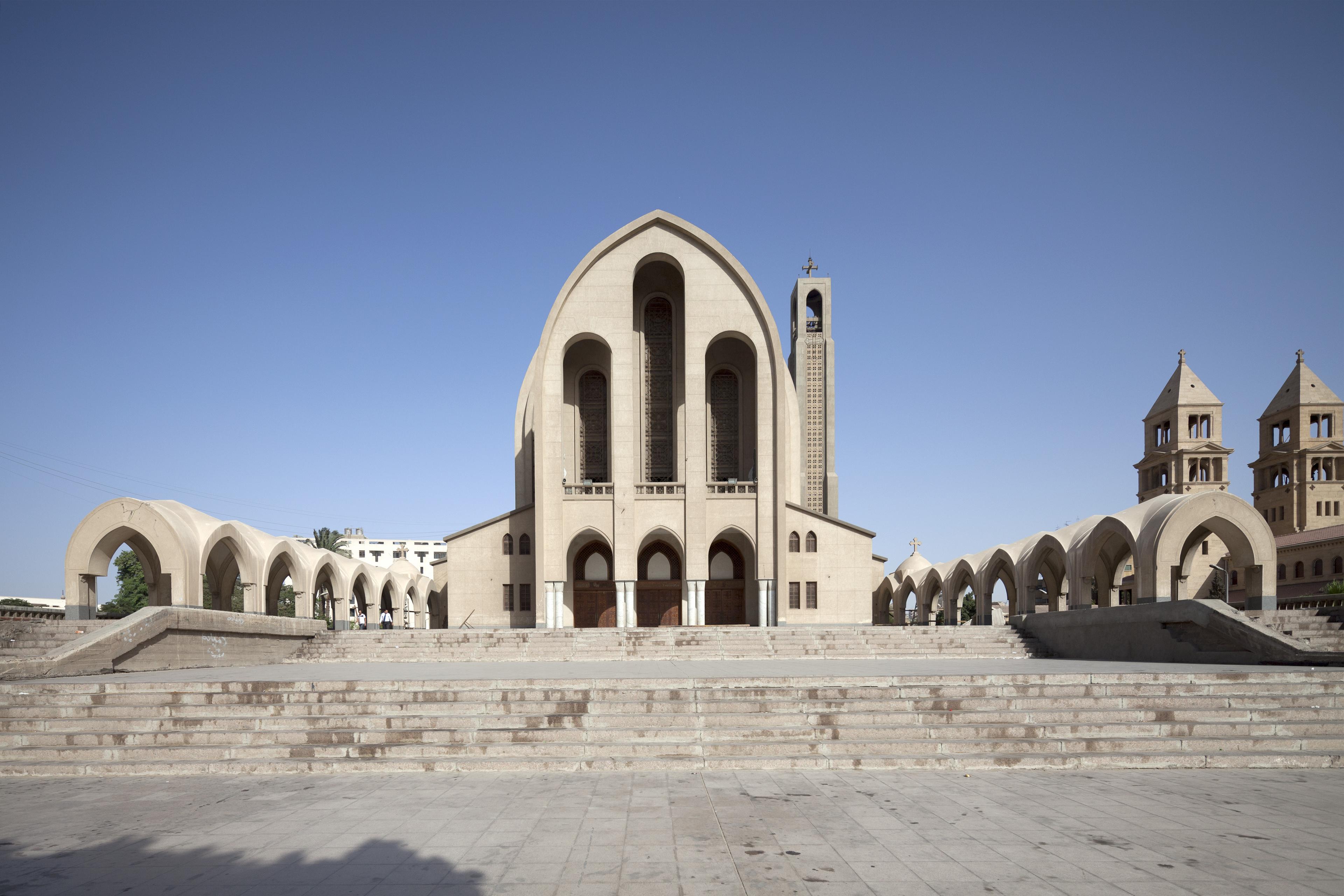
Oriental Orthodoxy comprises the six autocephalous churches that did not receive the Christological definition of the Fourth Ecumenical Council at Chalcedon in 451: the Coptic Orthodox Church of Alexandria, the Ethiopian Orthodox Tewahedo Church, the Eritrean Orthodox Tewahedo Church, the Armenian Apostolic Church, the Syriac Orthodox Church (sometimes called Syrian Orthodox or Jacobite), and the Malankara Orthodox Syrian Church of India. The communion sometimes also includes the Indian Syrian Orthodox Church under the Syriac patriarchate. Together they number approximately 60 million adherents — a significant but often overlooked branch of historic apostolic Christianity.
The theological substance of the Oriental Orthodox position is Miaphysitism — the doctrine that after the Incarnation there is one united nature (mia physis) of the Word incarnate, formed from the divine and the human "without confusion, without change, without division, without separation" (the Chalcedonian formula itself, in fact, on substantially the same matter). The Oriental Orthodox follow Cyril of Alexandria's classic phrase mia physis tou theou logou sesarkomene — "one nature of God the Word, incarnate." They have always rejected the charge of Eutychian monophysitism (the heresy that the human nature was absorbed into the divine), and modern ecumenical dialogue beginning in the 1960s has established broad theological consensus between Eastern Orthodox and Oriental Orthodox Christology — the disagreement is now widely recognized as semantic rather than substantive, though formal communion has not yet been restored.
The break with the Chalcedonian churches came in stages. The Council of Ephesus (431) had condemned Nestorius and affirmed Cyril of Alexandria's theology under the leadership of Cyril himself. The Council of Chalcedon twenty years later, under Pope Leo I's influence (the Tome of Leo), defined the union of natures in a way that the Alexandrian and Syrian churches read as a return to Nestorianism. Dioscorus of Alexandria was deposed at Chalcedon; Egyptian and Syrian Christianity refused to receive the council. Emperor Zeno's Henotikon of 482 was an attempt to paper over the difference and almost succeeded. The Council of Constantinople II in 553 reaffirmed Chalcedon with neo-Chalcedonian glosses, but by then the Coptic, Armenian, Syriac, and Ethiopian churches had developed independent hierarchies and liturgies and remained outside imperial Byzantine communion permanently.
Each of the six churches has preserved a distinctive liturgical heritage. The Coptic Church worships in the Coptic and Arabic languages with the Liturgies of Saints Basil, Gregory, and Cyril. The Ethiopian Church uses Ge'ez and Amharic with a liturgical tradition that includes the Ark of the Covenant theology of the Kebra Nagast and the unique Ethiopian Old Testament canon (which includes Enoch and Jubilees). The Armenian Church worships in Classical Armenian with the Divine Liturgy of Saint Gregory. The Syriac and Malankara Churches use the West Syriac Rite, with parts of the liturgy in Aramaic — the language Christ himself spoke. The monastic tradition is the deep cultural memory of Oriental Orthodoxy: every Oriental Orthodox bishop is drawn from a monastery, and the desert tradition of Antony, Pachomius, Macarius, and the Coptic abbas is the living spiritual inheritance of the Egyptian and Ethiopian churches in particular.
Modern Oriental Orthodoxy has been marked by repeated experiences of severe persecution — the Armenian Genocide of 1915, the Assyrian/Syriac massacres of the same period, the Coptic experience of intermittent persecution in Egypt from the Arab conquest through the present, and the destruction of Syriac Christian communities in Iraq and Syria during the wars of the early 21st century. The Ethiopian Church, which numbered around 36 million adherents in 2010, is the largest single Oriental Orthodox body and one of the fastest-growing Christian churches in the world.
Distinctives
- Miaphysite Christology — one united nature (mia physis) of the incarnate Word, against Nestorius and the perceived Nestorianism of Chalcedon
- Acceptance of the first three ecumenical councils only (Nicaea I, Constantinople I, Ephesus)
- Continuous apostolic succession and ancient liturgies (Coptic, Syriac, Armenian, Ge'ez)
- Veneration of saints, icons, and the Theotokos in the patristic tradition
- Monasticism as a central spiritual discipline — the desert tradition of Antony and Pachomius
- Strong eucharistic ecclesiology centered in the local diocese
Key Figures
- Cyril of Alexandria (defended the term Theotokos at Ephesus 431)
- Dioscorus of Alexandria (deposed at Chalcedon 451)
- Severus of Antioch (Syriac Orthodox theological architect)
- Gregory the Illuminator (founder of the Armenian Apostolic Church)
- Frumentius (first bishop of Aksum, 4th c. — Ethiopian Orthodoxy)
- Pope Shenouda III of Alexandria (1923–2012) and Pope Tawadros II (Coptic patriarchs)
Defining Documents
- Cyril of Alexandria, Twelve Anathemas (430) and Letters to Nestorius
- The decrees of the first three ecumenical councils (Nicaea 325, Constantinople 381, Ephesus 431)
- The Henotikon of Emperor Zeno (482) — a failed reconciliation document still treated as significant
- The Anaphora of Saint Basil (Coptic recension) and the Divine Liturgy of Saint Cyril