Seventh-day Adventists
The Sabbath and the Soon-Coming King
The Sabbath-keeping, premillennial body that emerged from the Great Disappointment of 1844. Ellen G. White's visions, the heavenly-sanctuary doctrine, health reform, and one of the fastest-growing Protestant denominations in the world.
Seventh-day Adventism is the largest surviving body to emerge from the great American millennial expectation of the 1840s. Its prehistory begins with William Miller, a Baptist farmer-preacher from upstate New York, whose careful study of Daniel 8:14's prophecy of "two thousand and three hundred days" led him to predict — through the historicist day-for-a-year reading and a starting point in 457 BC — that Christ would return in 1843 or 1844. By the late 1830s Miller's lectures had drawn thousands; by 1843 perhaps 50,000 to 100,000 Americans were watching the skies. When Christ did not return on October 22, 1844, the Millerite movement collapsed into what its survivors called the Great Disappointment.
A small remnant — including the young Ellen Harmon (who became Ellen G. White after her marriage to James White in 1846) and the Seventh Day Baptist Joseph Bates — reinterpreted the disappointment rather than abandon it. The October 22 date, they concluded, was correct, but the event was not Christ's return to earth. Rather, on that day Christ had entered the heavenly sanctuary for a new ministry of investigative judgment (a reading drawn from Daniel 8:14, Hebrews 9, and Leviticus 16). Joseph Bates added the Saturday Sabbath. Ellen Harmon — who began receiving visions in December 1844, at age seventeen — supplied the prophetic confirmation. The combination of these three elements (the heavenly-sanctuary doctrine, the seventh-day Sabbath, and the visions of Ellen White) became the distinctive substance of the new movement.
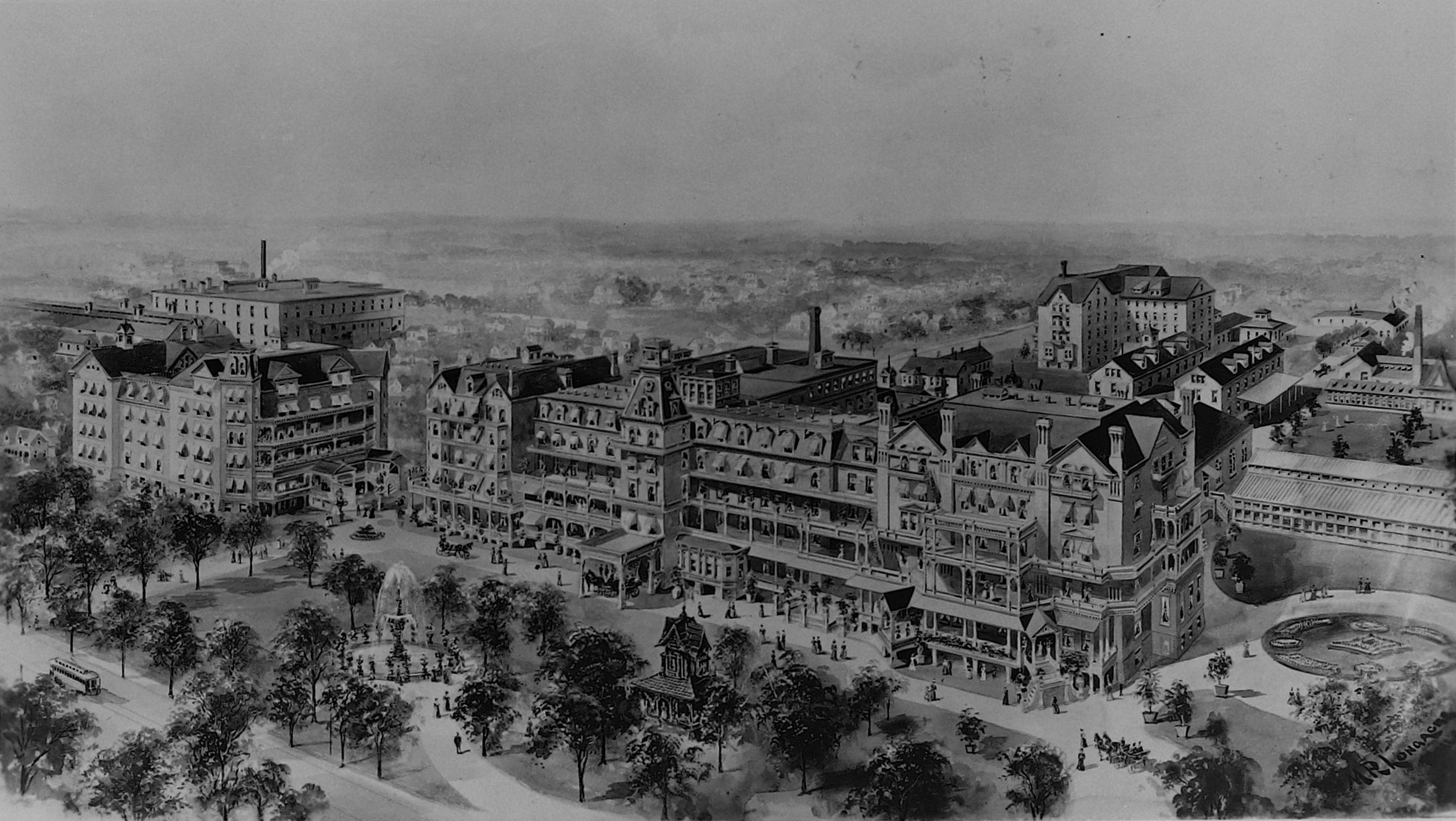
Formal organization came in stages: the publication of the Advent Review and Sabbath Herald from 1850, the gathering of the believers in Battle Creek, Michigan from 1855, the adoption of the name Seventh-day Adventist in 1860, and the organization of the General Conference in 1863. By the 1870s the church had established Battle Creek College (the first Adventist institution of higher education) and the Western Health Reform Institute (later the Battle Creek Sanitarium under John Harvey Kellogg, whose innovations included corn flakes and granola — Adventist health reform's gift to the world). By 1903 the General Conference had moved to Takoma Park, Maryland, and Adventism had become a globally-organized denomination with significant missionary work in Europe, South America, and the Pacific.
Theologically, Seventh-day Adventists are conservative Protestants who affirm the Trinity, the deity of Christ, salvation by grace through faith, the inspiration and authority of Scripture, and the bodily resurrection. They differ from mainstream evangelicalism on a small number of distinctive points. The seventh-day Sabbath is binding moral law, not Mosaic ceremony. The dead are not immediately conscious in heaven or hell but sleep until the resurrection (conditional immortality); the wicked are ultimately annihilated rather than eternally tormented. The investigative judgment — Christ's pre-advent review of the records of the professed people of God since 1844 — is a distinctively Adventist doctrine without parallel in the broader Protestant tradition. Ellen G. White's writings (approximately 2,000 visions over 70 years, producing over 40 books and roughly 5,000 articles) are held as a "lesser light" — a genuine but subordinate prophetic authority that leads to the greater light of Scripture.
Adventism has been one of Protestantism's fastest-growing global denominations through the 20th and 21st centuries. The 1980 General Conference reported approximately 3.5 million baptized members; the 2023 report records 22 million, with the highest concentrations in sub-Saharan Africa, the Philippines, Brazil, and Inter-America. The church operates one of the largest Protestant educational networks in the world (over 9,000 schools, including Loma Linda University Medical Center and Andrews University), an extensive hospital system, and the Adventist Development and Relief Agency (ADRA). The doctrinal core remains the 28 Fundamental Beliefs, last revised in 2015, which set out the Sabbath, the Second Coming, the heavenly sanctuary, conditional immortality, the prophetic gift of Ellen G. White, and the historical Protestant confession alongside them.
Distinctives
- Saturday Sabbath observance (Friday sunset to Saturday sunset)
- Premillennial, imminent Second Coming of Christ
- Conditional immortality / soul sleep — the dead are unconscious until the resurrection
- The investigative judgment — Christ's heavenly-sanctuary ministry from October 22, 1844
- Health reform — vegetarianism, abstinence from alcohol, tobacco, and unclean meats
- The prophetic gift of Ellen G. White as a "lesser light" subordinate to Scripture
Key Figures
- William Miller (founder of Millerism, 1830s–1840s)
- Ellen G. White (prophetess and primary theological architect)
- James White (organizer, publisher, husband of Ellen)
- Joseph Bates (Sabbath emphasis from the Seventh Day Baptists)
- John Harvey Kellogg (Battle Creek Sanitarium, health reform)
Defining Documents
- Ellen G. White, The Great Controversy (1888) — the magnum opus of Adventist prophetic history
- Ellen G. White, Steps to Christ (1892)
- The 28 Fundamental Beliefs of Seventh-day Adventists (revised 2015)
- Ellen G. White, Testimonies for the Church (9 vols., 1855–1909)