Martin Chemnitz
the Second Martin
The theologian who saved the Reformation after Luther's death — consolidating a fractured Lutheranism and answering the Council of Trent point for point. 'If the second Martin had not come, the first would scarcely have stood.'
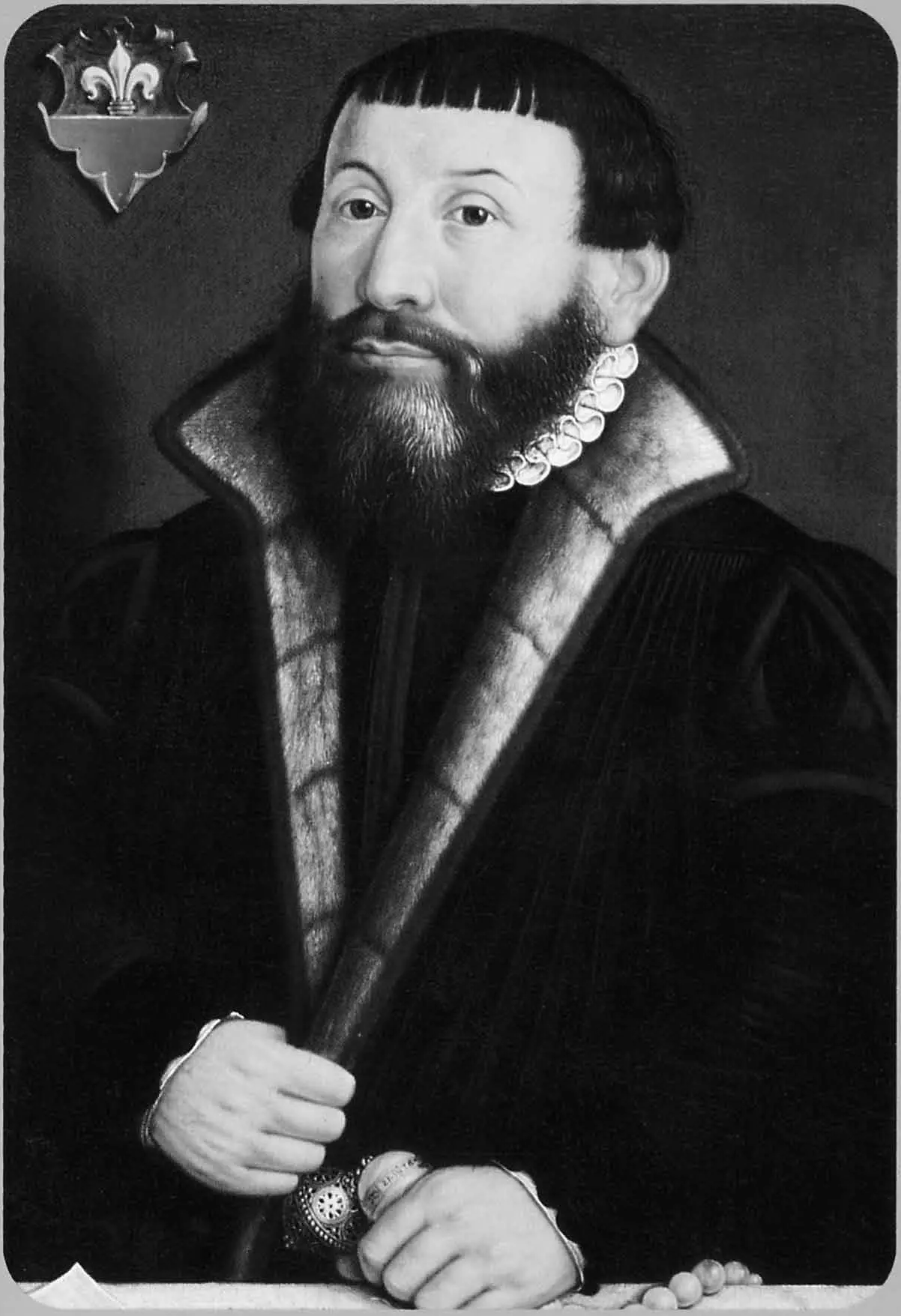
When Luther died in 1546, the movement he had begun nearly tore itself apart. Bitter disputes broke out among his followers over the will, the law and gospel, and the Lord's Supper, and the Catholic Counter-Reformation was gathering its forces at the Council of Trent. The man who held Lutheranism together was Martin Chemnitz — a former librarian and astronomer turned theologian, so important to the cause that a proverb arose: 'If the second Martin had not come, the first Martin would scarcely have stood.'
Chemnitz's monumental Examination of the Council of Trent worked through Trent's decrees one by one, defending justification by faith and the authority of Scripture with such learning and fairness that it remained the standard Protestant response for centuries. His treatise on the two natures of Christ brought patristic precision to the Lutheran understanding of the incarnation and the Supper.
His greatest service was peace. Chemnitz was the driving force behind the Formula of Concord (1577) and the Book of Concord (1580), which settled the internal Lutheran disputes and gave the churches a common confession they could sign together. Where Luther was the prophet who began the Reformation, Chemnitz was the patient architect who kept it from collapsing — proof that movements need builders as much as founders.
Key Works
- Examination of the Council of Trent (1565–1573)
- The Two Natures in Christ (1570)
- The Lord's Supper (1561)
- Loci Theologici (posthumous)
- Formula of Concord (co-author, 1577)
Further Reading
- Justification by faith defended against the Council of Trent
- The two natures of Christ and the Lord's Supper
- Scripture and the genuine consensus of the fathers
- The unity of the Lutheran churches in the Book of Concord
Frequently Asked Questions
Who was Martin Chemnitz?
The theologian who saved the Reformation after Luther's death — consolidating a fractured Lutheranism and answering the Council of Trent point for point. 'If the second Martin had not come, the first would scarcely have stood.'
When did Martin Chemnitz live?
Martin Chemnitz lived 1522 – 1586 in Germany (Brunswick).
What tradition is Martin Chemnitz part of?
Martin Chemnitz is associated with the Lutheran tradition.
What did Martin Chemnitz write?
Key works include Examination of the Council of Trent (1565–1573), The Two Natures in Christ (1570), The Lord's Supper (1561), Loci Theologici (posthumous), and Formula of Concord (co-author, 1577).