James the Just
Brother of the Lord; First Bishop of Jerusalem
Brother of the Lord (Galatians 1:19); first Bishop of Jerusalem
Brother of the Lord. First Bishop of Jerusalem. Presided over the Jerusalem Council in Acts 15. Author of the Epistle of James. Stoned to death in 62 AD by order of the high priest Ananus.
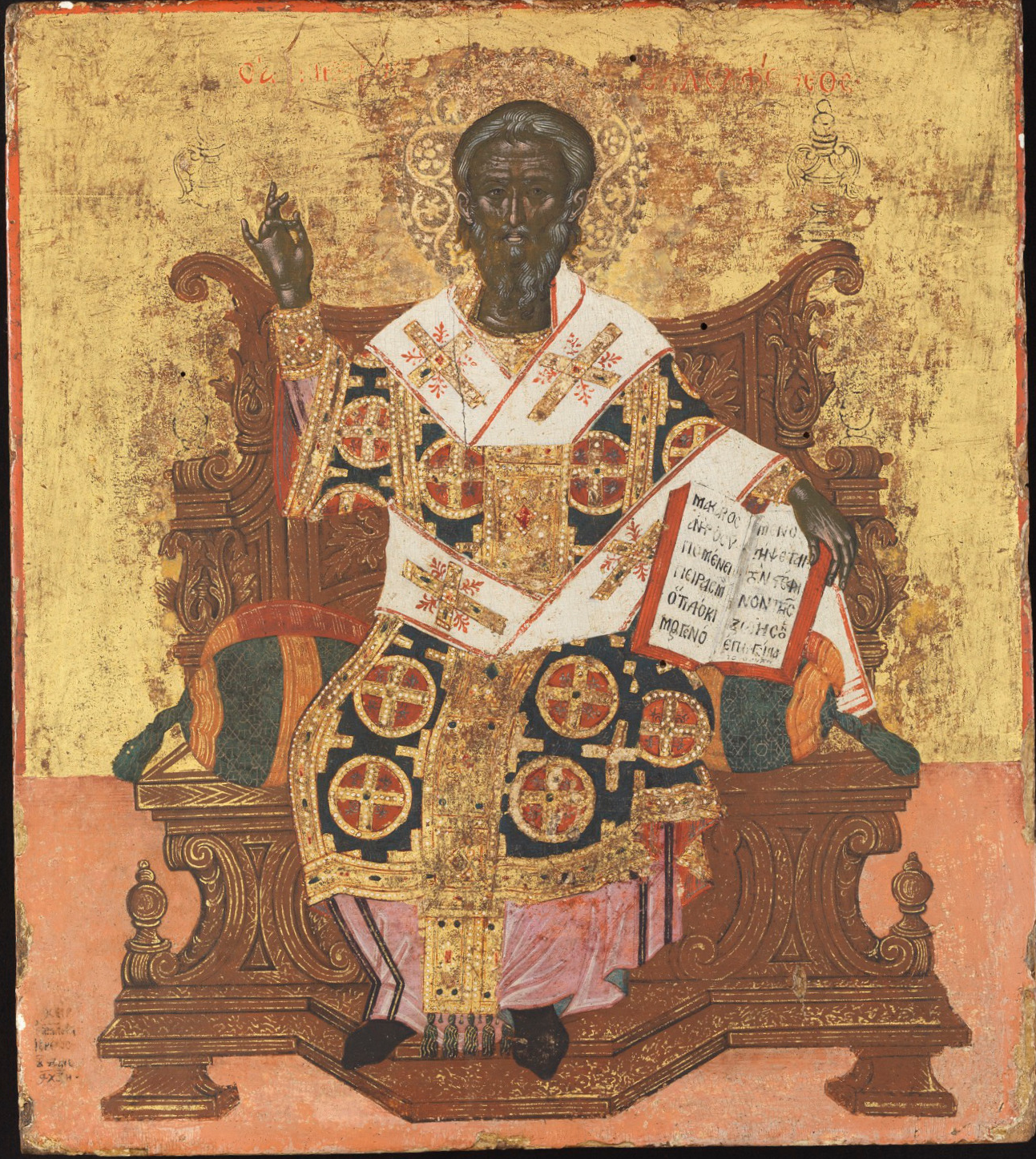
James called "the Just" or "the Brother of the Lord" is one of the most important early Christian figures and one of the most theologically contested. Paul names him in Galatians 1:19 as "James, the Lord's brother" — Greek adelphos, "brother" — and at Galatians 2:9 identifies him alongside Peter and John as the three "pillars" of the Jerusalem church. Acts 15 records James as the figure who presided over the Council of Jerusalem and delivered the decision that Gentile converts were not required to be circumcised. Acts 21:18 records James as the leader of the Jerusalem elders who received Paul on his last visit before the arrest.
The exact relationship of James to Jesus has been disputed in the Christian tradition. The Eastern Orthodox view, reflected in the Protoevangelium of James, holds that James was the son of Joseph by a previous marriage — a stepbrother to Jesus, not a uterine half-brother. The Roman Catholic view, going back to Jerome, holds that James was a cousin (the Greek adelphos covers a wider range of relationships than the modern English "brother"). Most modern Protestant scholarship reads adelphos in its straightforward sense and concludes that James was Mary's son, a younger half-brother of Jesus born after Jesus.
James's distinctive theological emphasis in the Epistle of James is the inseparability of faith and works: "What doth it profit, my brethren, though a man say he hath faith, and have not works? can faith save him?" (James 2:14). Luther famously called the Epistle of James "a right strawy epistle" because he could not square it with his reading of Paul on justification. The contemporary consensus is that James and Paul are not in contradiction but are speaking against different misunderstandings: Paul opposes a Judaizing tendency to ground salvation in Torah-observance; James opposes a cheap-grace tendency to suppose that intellectual affirmation of doctrine is sufficient without transformed life.
James's death is independently attested by Josephus. In Antiquities 20.9.1 (written c. 93 AD), Josephus records that the high priest Ananus the Younger, taking advantage of the interval between the death of the Roman procurator Festus and the arrival of his successor, convened a Sanhedrin and condemned James to be stoned to death — almost certainly in 62 AD. Hegesippus (preserved in Eusebius, Historia Ecclesiastica II.23) adds the detail that James was first thrown from the pinnacle of the temple, then stoned, then clubbed by a fuller. The death of James is the moment when the Jerusalem church lost its founding leader; within eight years the city itself would be destroyed by Rome, and the church scattered.
Sources & Citations
- Galatians 1:18–19; 2:9 (James as "pillar" and "the Lord's brother")
- Acts 12:17; 15; 21:18 — James presiding at the Jerusalem Council and receiving Paul
- The Epistle of James (canonical New Testament book)
- Josephus, Antiquities 20.9.1 — James's death by stoning, c. 62 AD
- Hegesippus, in Eusebius, Historia Ecclesiastica II.23