Jesus of Nazareth
The Christ, Son of David, Son of God
Son of God incarnate; son of Mary and (legally) Joseph
The eternal Son of God, born of the Virgin Mary, crucified under Pontius Pilate, risen on the third day. The center of the entire archive — every other figure here exists in relation to Him.
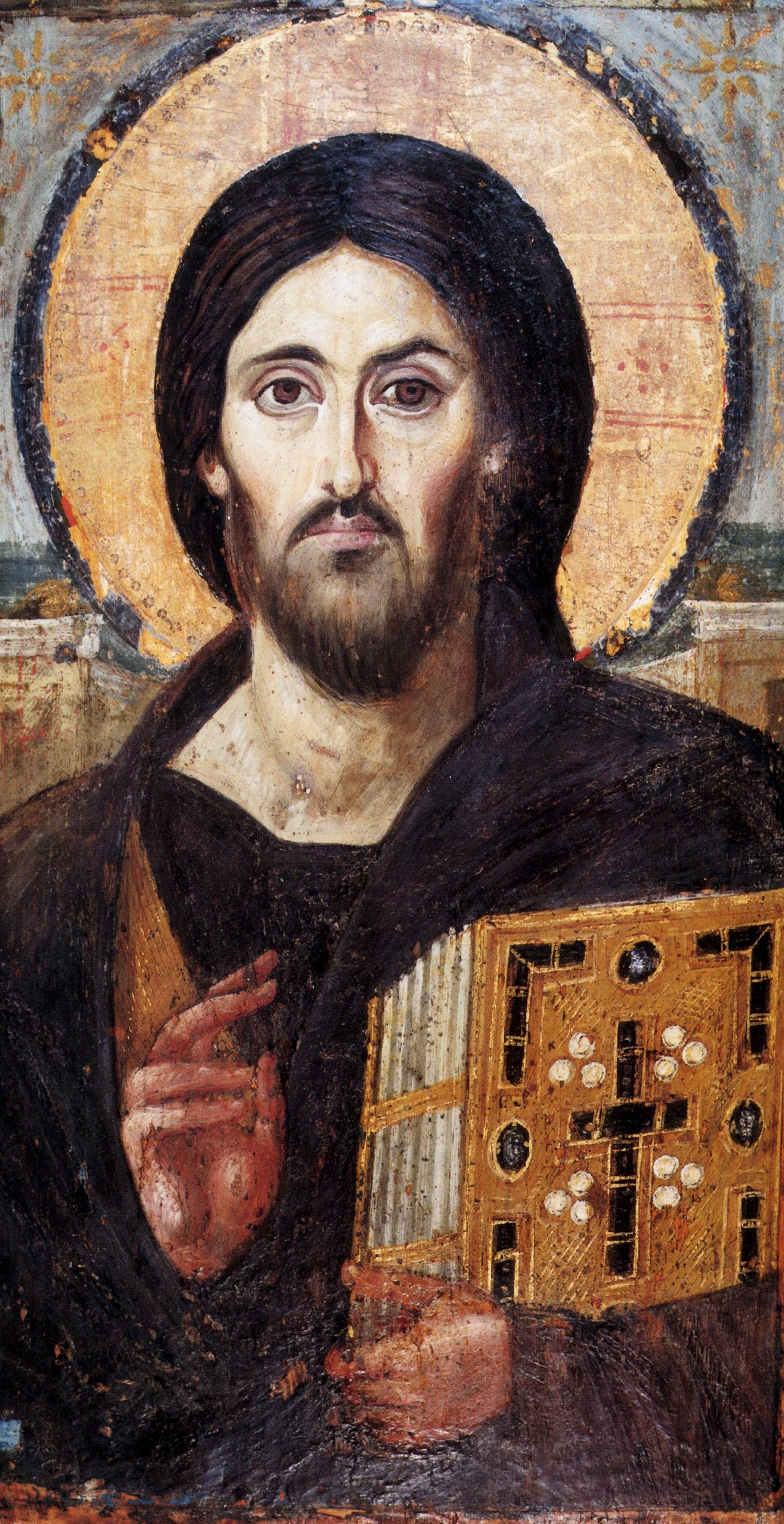
Jesus of Nazareth is the historical man who is, the Church confesses, the eternal Son of God incarnate. Born in Bethlehem of Judea during the reign of Herod the Great (c. 4 BC by the conventional reckoning), raised in Nazareth in Galilee, baptized by John in the Jordan around AD 29, and crucified under Pontius Pilate in Jerusalem at the Passover of AD 33. On the third day his tomb was found empty; his disciples, who had scattered at his arrest, returned within weeks proclaiming that they had seen him alive. From that proclamation came the Church.
The Christological controversies of the 4th and 5th centuries — Arian, Apollinarian, Nestorian, Monophysite — were the long work of articulating what the New Testament had already confessed: that Jesus is genuinely, fully God and genuinely, fully man, and that these two natures are united in a single person without confusion, change, division, or separation. The Nicene Creed of 325 (revised at Constantinople in 381) defined his full divinity against Arianism. The Chalcedonian Definition of 451 defined the two-natures-in-one-person against the Monophysites. The Church's later theological reflection — through Maximus the Confessor's articulation of two wills, through Aquinas's metaphysics of the hypostatic union, through the Reformers' insistence that the man Christ Jesus is the only mediator — has been a long meditation on these definitions, not a departure from them.
What the Gospels record of Jesus's three-year public ministry is dense and concrete: he preached the kingdom of God in Aramaic and was teaching with authority that puzzled both his enemies and his disciples. He healed the sick, raised the dead (Lazarus, Jairus's daughter, the widow of Nain's son), forgave sins on his own authority, called twelve apostles, ate with sinners and tax collectors, drove out demons, and entered Jerusalem on a donkey to fulfill Zechariah 9:9. He instituted a meal of bread and wine as his memorial body and blood on the night of his arrest. He was crucified between two criminals at the place called Golgotha and buried in a borrowed tomb. He rose, appeared to his disciples for forty days, and ascended.
The center of the Theologos archive is the confession that everything else in the Christian tradition — the apostles, the Fathers, the councils, the schisms, the angels and martyrs, the Reformers and the desert ascetics — exists in relation to this one Person. The figures around him in this Royal Family library are his family by blood (Mary, Joseph, the brothers of the Lord), his family by extended kin (Anne, Joachim, Elizabeth, Zechariah), his Davidic ancestry (David, Solomon, Bathsheba), and the witnesses who first received him in the Temple (Simeon, Anna). They are who they are because of who he is. He is who he is independently of any of them.
Sources & Citations
- The four canonical Gospels (Matthew, Mark, Luke, John)
- The Pauline corpus and the Catholic Epistles
- Athanasius, On the Incarnation (c. 318 AD)
- The Nicene Creed (325 / 381)
- The Chalcedonian Definition (451)