Jude (Thaddaeus)
Brother of James; Patron of Desperate Causes
Brother of the Lord (Jude 1; Matthew 13:55); apostle in some lists
Brother of the Lord and brother of James the Just. Author of the brief but theologically charged Epistle of Jude. Traditional patron of "lost" or impossible causes in Western Catholic devotion.
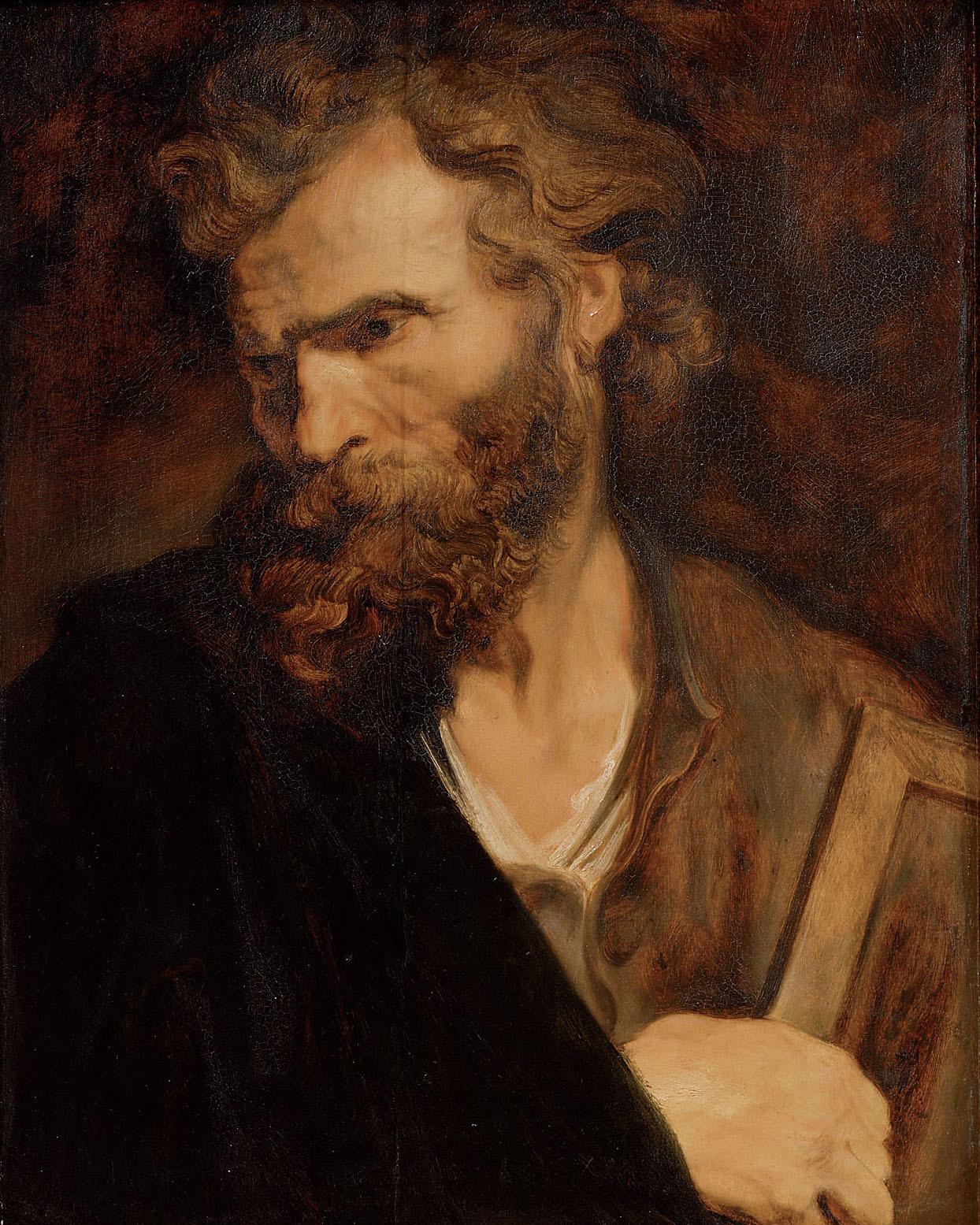
Jude — sometimes called Judas (his Hebrew name) or Thaddaeus (a possible alternate name; the question of whether Jude the brother of James and Thaddaeus the apostle are the same figure is a long-disputed issue in New Testament scholarship) — is named in Matthew 13:55 and Mark 6:3 as one of the brothers of Jesus, alongside James, Joses, and Simon. The opening of his short epistle (Jude 1) identifies him as "Jude, the servant of Jesus Christ, and brother of James" — the same James who led the Jerusalem church.
The Epistle of Jude is one of the shortest books in the New Testament (twenty-five verses) and one of the most theologically dense. Its central argument is an urgent warning against false teachers who have crept into the church and turned the grace of God into licentiousness. The most famous feature of the letter is its citation of non-canonical Jewish texts: Jude 9 paraphrases what appears to be the Assumption of Moses (a now-lost Jewish work), and Jude 14–15 quotes 1 Enoch directly. The letter's strict canonical inclusion in the early Christian Bible despite citing extra-canonical Jewish sources has been a touchstone for the entire question of what counts as Scripture and what counts as recognized but uninspired tradition.
Eusebius (Historia Ecclesiastica III.20) preserves a remarkable detail from Hegesippus: that two grandsons of Jude — Davidic descendants and therefore potential messianic claimants — were brought before the emperor Domitian (reigned 81–96 AD) on suspicion of being Davidides. They showed the emperor their callused hands and explained that they were poor farmers; Domitian dismissed them. They returned to Galilee and served as leaders of churches there. The detail is one of the rare glimpses we have of the post-apostolic generation of the Jewish-Christian family of Jesus continuing in obscure rural ministry.
Western Catholic devotion has cultivated Jude as the patron saint of lost or impossible causes — a tradition that emerged primarily in late medieval Europe, with one common explanation being that Jude's name (Judas) so closely resembled that of Judas Iscariot that he was seldom invoked, and therefore became the saint to turn to when no other intercession seemed to be working. The devotion expanded enormously in the 20th century, particularly through Claretian preaching in the United States. Jude's feast is October 28 (Western) or June 19 (Eastern).
Sources & Citations
- Matthew 13:55; Mark 6:3 — "his brethren, James, and Joses, and Simon, and Judas"
- The Epistle of Jude (canonical New Testament book)
- Eusebius, Historia Ecclesiastica III.20 — the grandsons of Jude before Domitian