Augustine of Hippo
The towering intellect of Western Christianity — his Confessions, City of God, and On the Trinity shaped a thousand years of European thought.
“Thou madest us for Thyself, and our heart is restless, until it repose in Thee.”
— Confessions, Book I
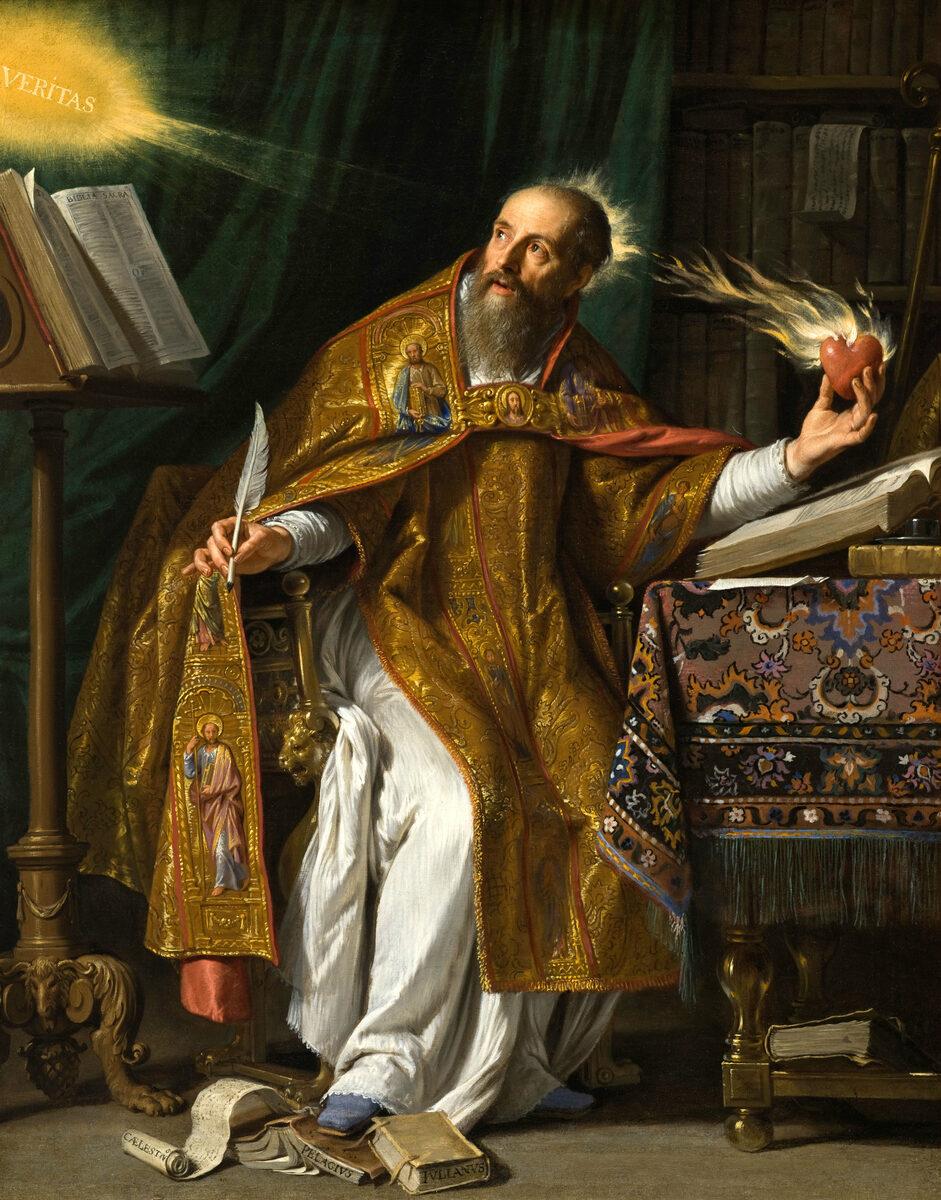
Augustine of Hippo is the most influential theologian in the history of Western Christianity. Born in 354 in Thagaste, North Africa, to a pagan father (Patricius) and a devout Christian mother (Monica), his conversion story — told with devastating honesty in the Confessions — remains one of the most read books in history.
Before his conversion, Augustine pursued academic brilliance and sensual pleasure in equal measure. He passed through Manichaeism, skepticism, and Neoplatonism before hearing Ambrose of Milan preach. The famous garden scene in Milan in 386 — 'Take up and read' — marked his conversion.
As Bishop of Hippo from 395, Augustine engaged every major controversy of his day: Donatism (on the nature of the Church), Pelagianism (on grace and free will), and paganism (in the aftermath of Rome's sack in 410). The City of God, written over 15 years, is his monumental response to the last.
Augustine's thought — on original sin, predestination, just war, the sacraments, Trinitarian psychology, and the nature of time — became the bedrock of medieval Western theology and remains inescapable for Catholic, Reformed, and Anglican traditions alike.
- Original sin as a universal condition inherited from Adam
- Salvation by grace alone — against Pelagian self-sufficiency
- The two cities — of God and of man — as the framework of history
- Psychological analogy for the Trinity: memory, understanding, will
Born in Thagaste, North Africa
Studies rhetoric in Carthage
Moves to Rome, then Milan
Conversion in the garden at Milan
Baptized by Ambrose of Milan at Easter
Becomes Bishop of Hippo
Rome sacked by Visigoths; begins writing City of God
Dies in Hippo as Vandals besiege the city
The first great autobiography in Western literature — a sustained prayer narrating Augustine's journey from sin to conversion.
A monumental 22-book work distinguishing the earthly city (ordered by self-love) from the City of God (ordered by love of God).
15 books on the Trinity, including the famous psychological analogies for the three Persons in the human mind.
Augustine's mature defense of sovereign grace against Pelagius — decisive for all subsequent Western theology of salvation.