Gregory of Nazianzus
The only Church Father known simply as 'the Theologian' — his Five Theological Orations defined the doctrine of the Trinity for all of subsequent Christian thought.
“That which He has not assumed He has not healed; but that which is united to His Godhead is also saved.”
— Epistle 101
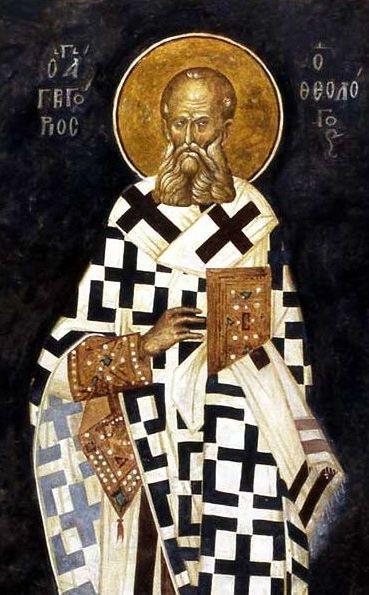
Gregory of Nazianzus is the only figure in Christian history besides John the Evangelist to be given the title 'the Theologian.' He earned it with the Five Theological Orations, delivered in Constantinople in 380 — the most precise and beautiful statements of Trinitarian theology ever composed.
Born around 329 in Cappadocia to a bishop father and a fiercely devout mother (Nonna), Gregory studied in Caesarea, Alexandria, and Athens, where he met Basil the Great. The two became closest friends and collaborated on the Philokalia — an anthology of Origen's writings.
Deeply reluctant to assume pastoral office, Gregory was essentially press-ganged into service by his father and later by Basil. In 379 he was sent to Constantinople — then largely controlled by Arians — to restore the Nicene community. Preaching in a small chapel called Anastasia ('Resurrection'), he transformed the city.
He presided over the First Council of Constantinople in 381, which confirmed the Nicene faith and the full divinity of the Spirit. Exhausted by church politics, he resigned and retired to write poetry and letters until his death in 390.
- The Trinity as three distinct Persons of one essence
- The full divinity and personhood of the Holy Spirit
- Theological language as necessarily apophatic (acknowledging limits)
- The Incarnation as the precondition of human deification
Born in Arianzus, Cappadocia
Studies in Athens; deep friendship with Basil forms
Ordained priest by his father; flees to Basil
Reluctantly made Bishop of Sasima by Basil
Arrives in Constantinople; preaches from the chapel Anastasia
Delivers the Five Theological Orations
Presides over First Council of Constantinople; resigns
Dies in Nazianzus
The definitive statement of Nicene Trinitarian theology — on the nature of theological discourse, the Father, the Son, and the Holy Spirit.
Nearly 400 poems — theological, autobiographical, and moral — making Gregory the most significant poet among the Church Fathers.
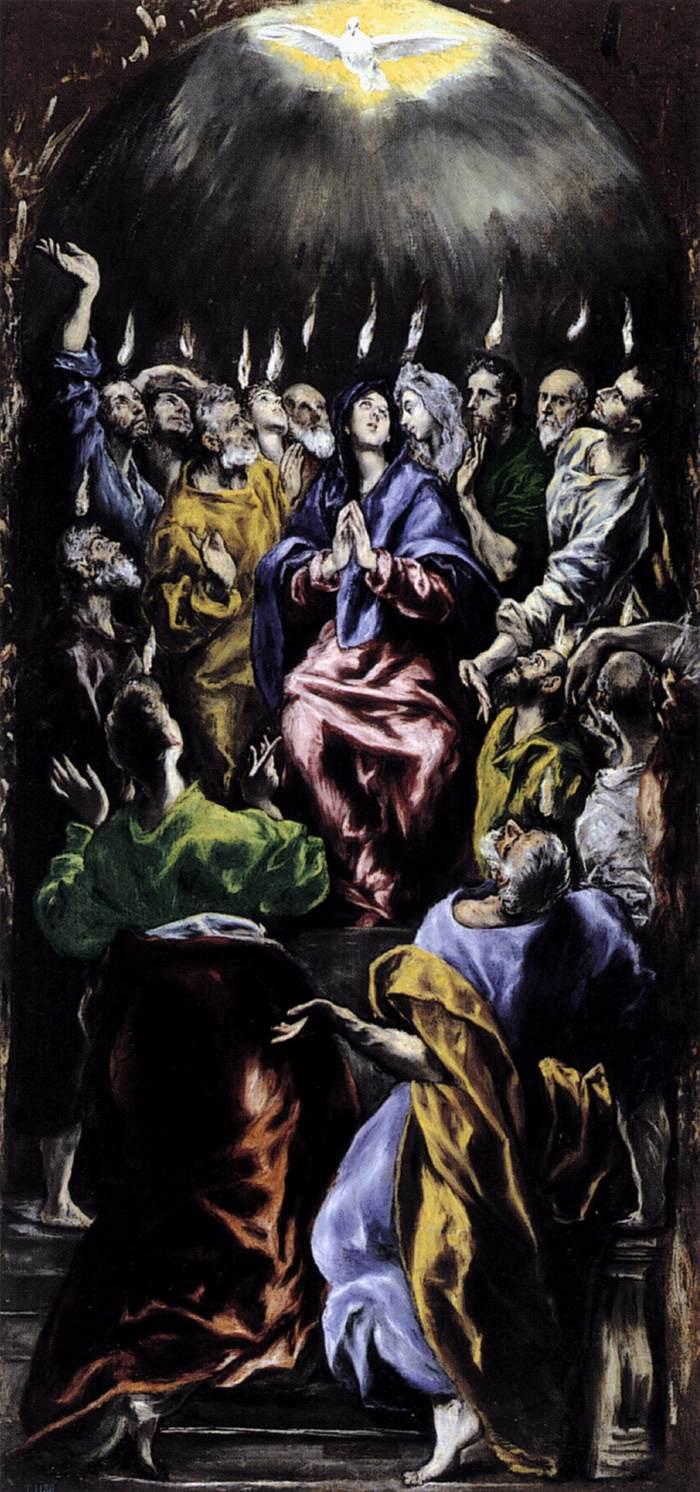
Celebrated sermons on Easter, Pentecost, Epiphany, and other feasts that shaped the theological poetry of Eastern liturgy.