Tertullian
The fierce Carthaginian lawyer who invented the theological Latin vocabulary of Trinity, Person, and Substance — and asked the most famous question in Christian history: 'What has Athens to do with Jerusalem?'
“The blood of the martyrs is the seed of the Church.”
— Apologeticus 50
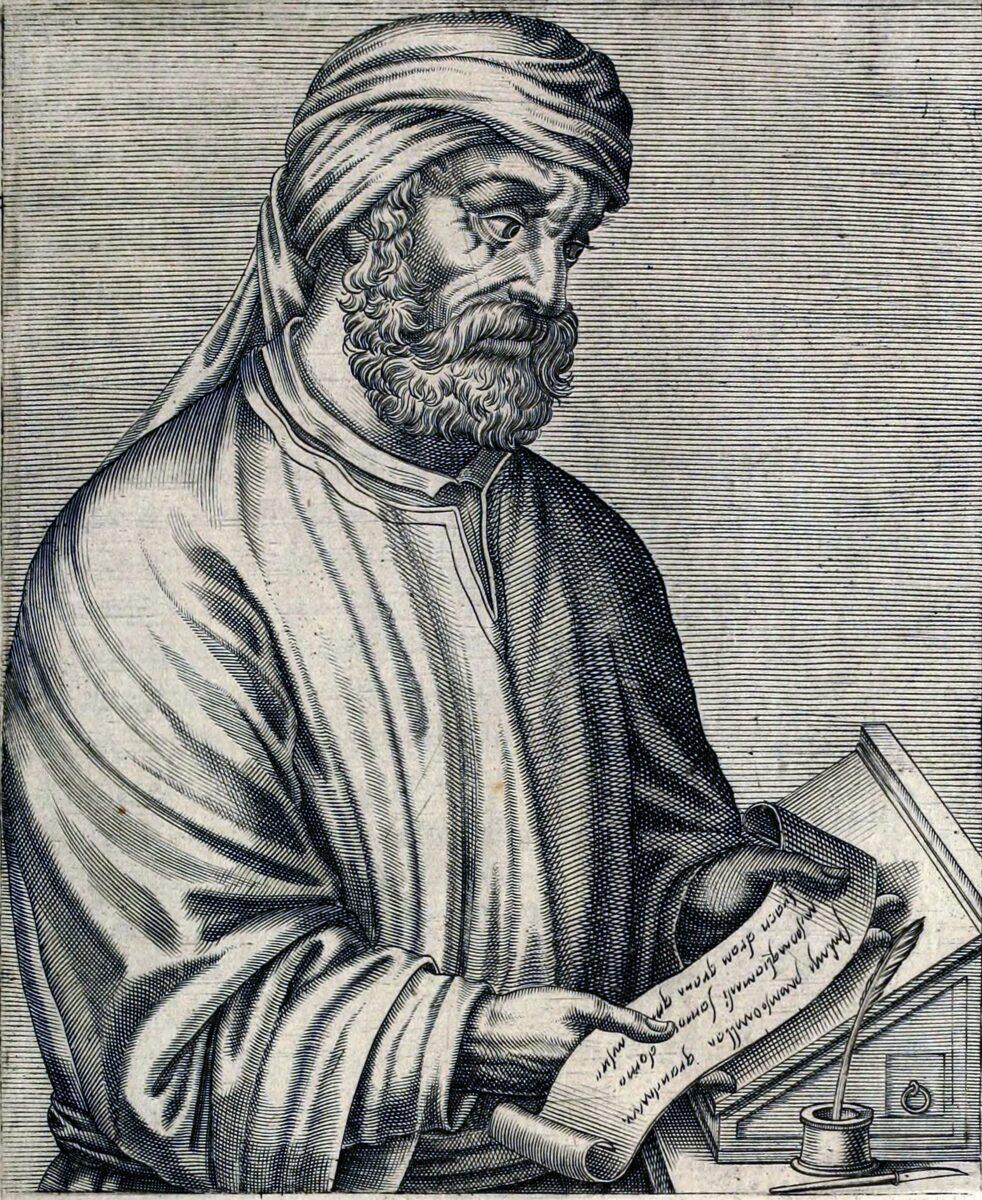
Tertullian of Carthage is one of the most brilliant, combative, and paradoxical figures in Christian history. A trained lawyer converted to Christianity around 195, he became the first major theologian to write in Latin and invented the vocabulary that all subsequent Western theology would use.
His coinages are everywhere: trinitas (Trinity), persona (Person), substantia (Substance), satisfactio (satisfaction), sacramentum, and dozens more. When Western Christians say 'one God in three Persons,' they are speaking Tertullian's language.
Yet Tertullian's spiritual trajectory ended in Montanism — a charismatic movement that claimed ongoing direct prophecy and imposed severe ascetic demands. Whether this represents a break or a development in his thinking is debated. His attacks on fellow Christians in this period are among the most savage in ancient literature.
His apologetics for the faith, his refutation of Marcion and Gnosticism, his treatises on prayer, patience, and the resurrection remain essential reading. He asked the question that became a perennial Christian challenge: 'What has Athens to do with Jerusalem? What has the Academy to do with the Church?'
- The Trinity as una substantia, tres personae — one substance, three persons
- Christ as one person in two substances (divine and human) — anticipating Chalcedon
- The soul as naturally Christian (anima naturaliter christiana)
- Rigorous asceticism and moral seriousness against laxity
Born in Carthage, North Africa
Converts to Christianity
Writes Apologeticus — defense of Christianity to the Roman authorities
Joins the Montanist movement
Writes Against Marcion — his longest work
Dies in Carthage
A legal defense of Christianity addressed to Roman magistrates, arguing that persecution of Christians is unjust and irrational.
Five books refuting Marcion's rejection of the Old Testament and the Creator God — Tertullian's longest surviving work.
The foundational treatise on Trinitarian theology in Latin — containing the classic formula of one substance, three persons.
A defense of the bodily resurrection against spiritualizing tendencies.