Articlepublished
How to Read Icons Without Flattening Them
By Christian Garces2026-05-081 min read
Release2026-05-08
Read time1 min read
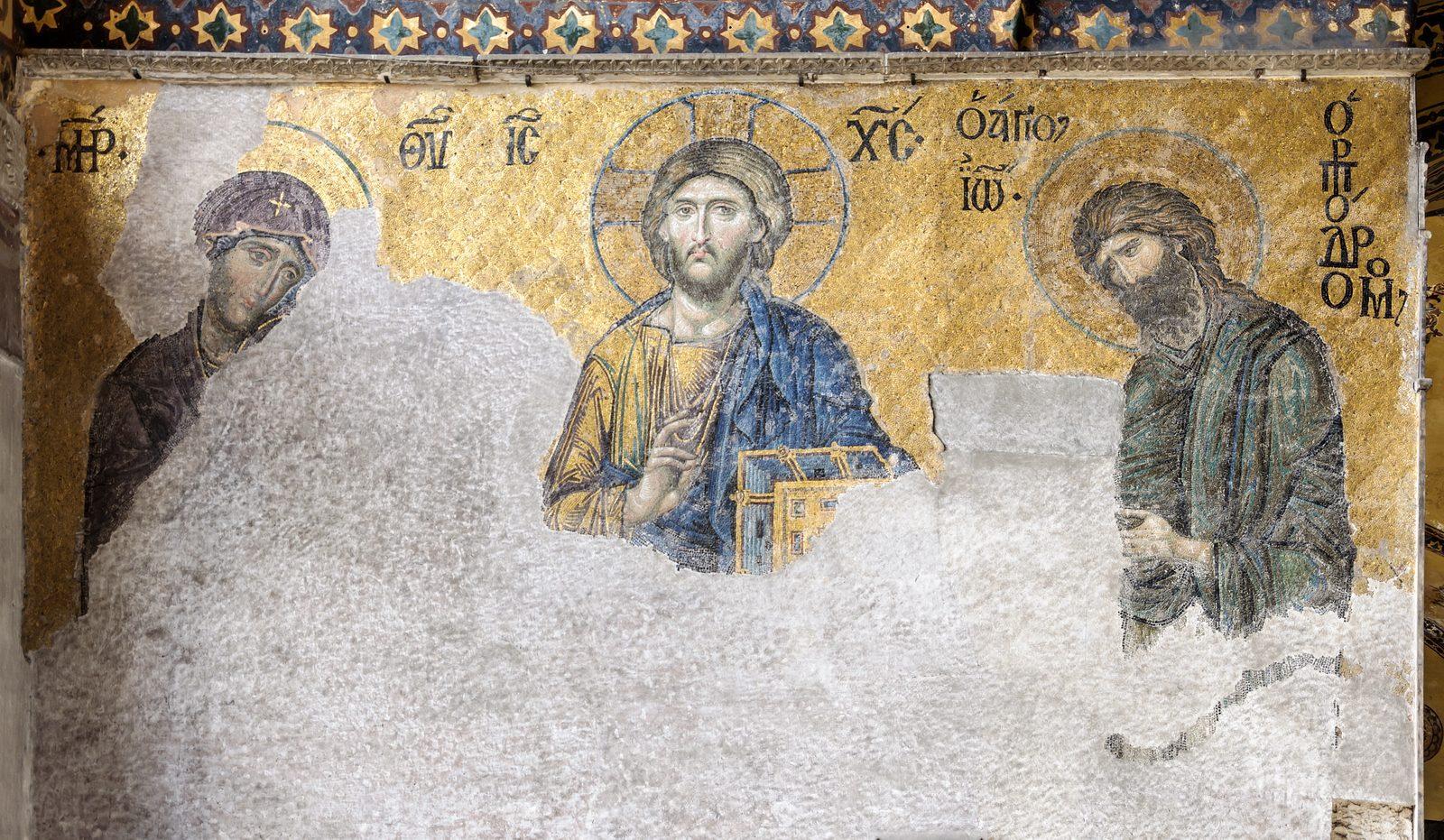
Icons are not merely art objects. They are disciplined visual theology, shaped by worship, doctrine, memory, and attention. The Eastern Church does not call icon-making 'art' — it calls it 'writing.' The iconographer writes with pigment the same way the Evangelist wrote with ink: to make the invisible visible.
Reverse perspective is not a primitive error. It is a theological decision: the vanishing point is not behind the canvas but in front of it, in the viewer. The icon is not a window into another world so much as a mirror turned toward heaven — and you are in the frame.
The gold background is not decoration. It is uncreated light — the divine energies that Gregory Palamas distinguished from the divine essence. The figures do not stand in Byzantine light; they stand in divine radiance itself.
To flatten an icon is to misread it the way you would misread a Greek verb as if it were English. The grammar is different. Learn the grammar before you evaluate the poetry.
Continue Exploring
A practical guide to icons as theological language rather than religious decoration.
The Studio Brief
Theology Delivered Weekly
Essays on the Fathers, sacred art, cosmology, and the hidden logic of Christian doctrine — sent directly to your inbox. No noise. No filler.
Weekly
Cadence
Free
Always
Patristic
Focus
Related
Browse Archive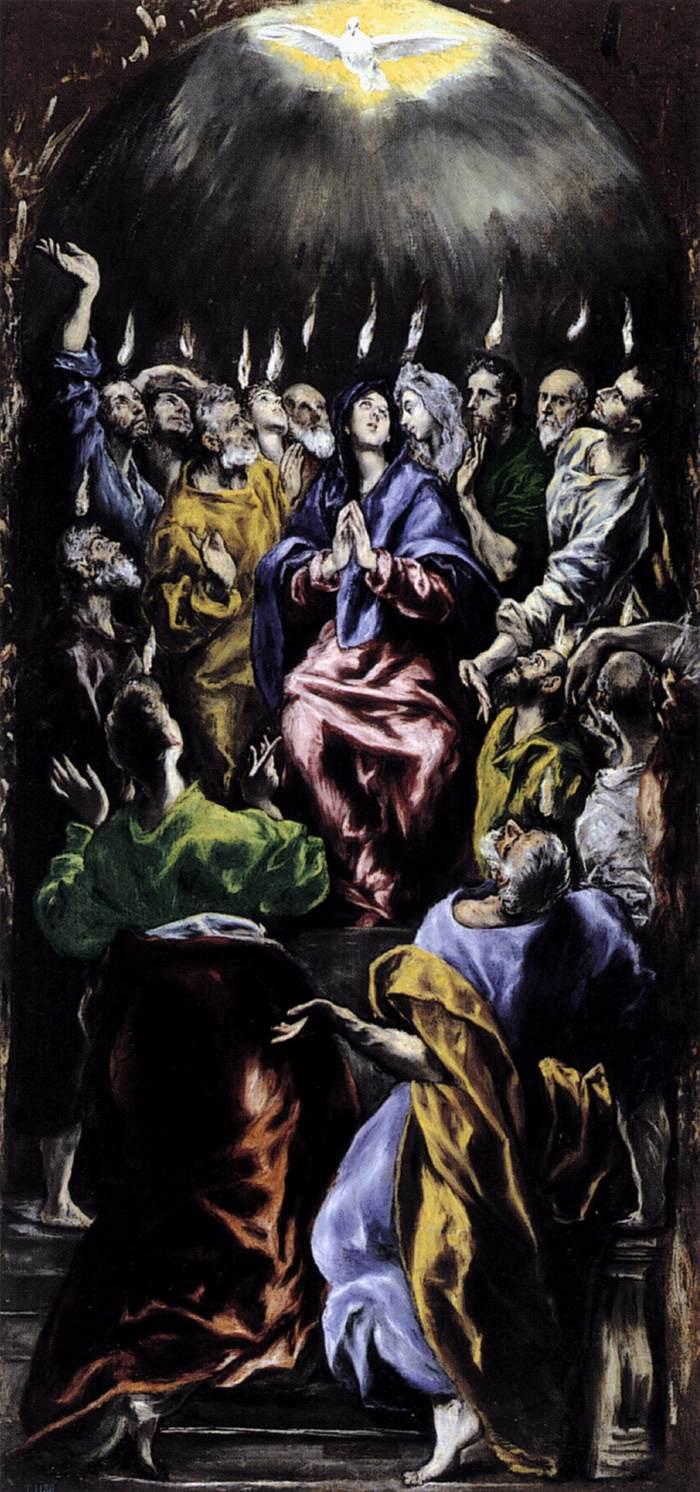
Read
Sacred Art
2026-05-22
The Apostolic Fire
Memory, martyrdom, and the visual language of witness.
Read
Christology
11 min read / 2026-05-17
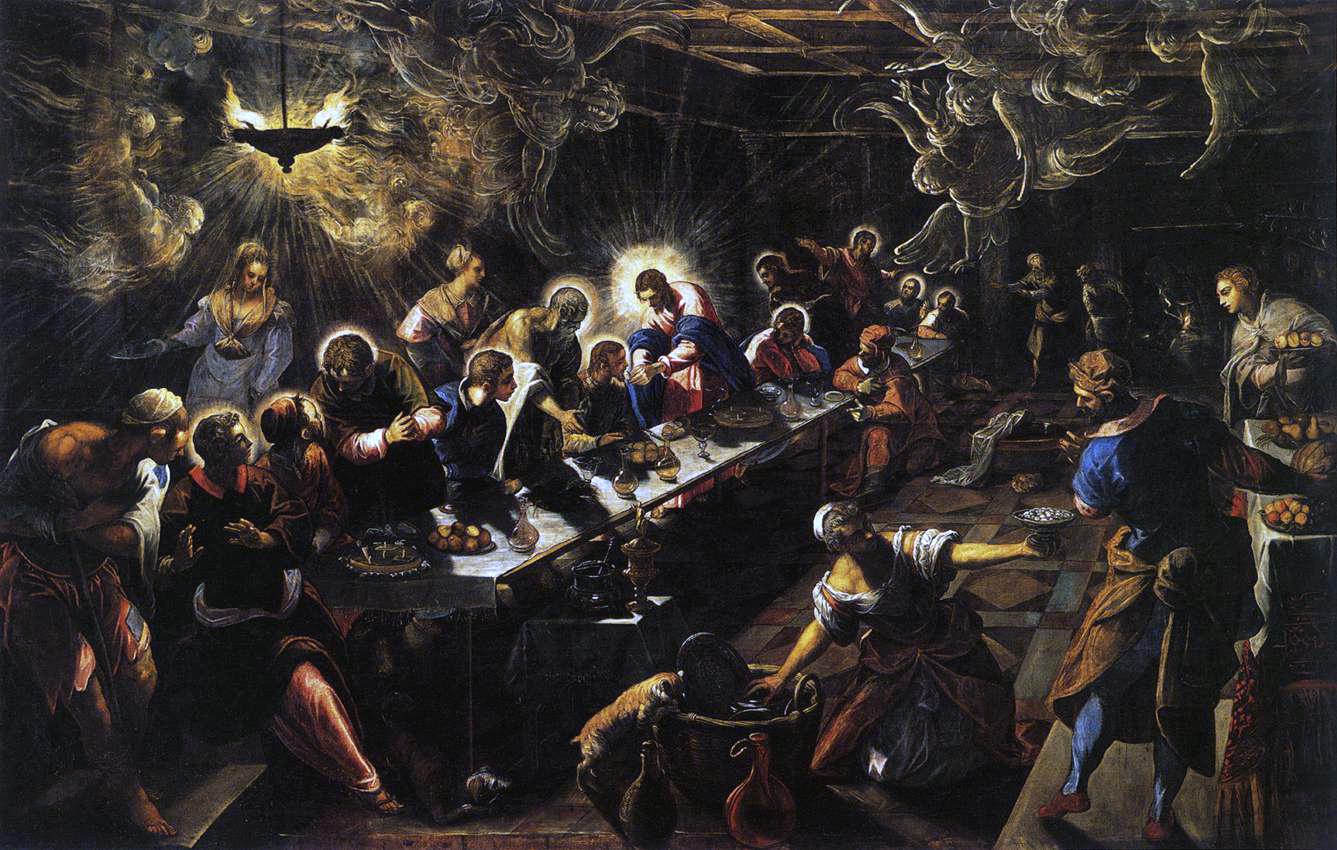
Why the Lord's Supper Divides Christians
The Eucharist is the most thoroughly attested practice of the earliest Church — and the single sacrament that has done the most to keep Christians apart. The reason is not pettiness. It is Christology.
Read
Christology
10 min read / 2026-05-17
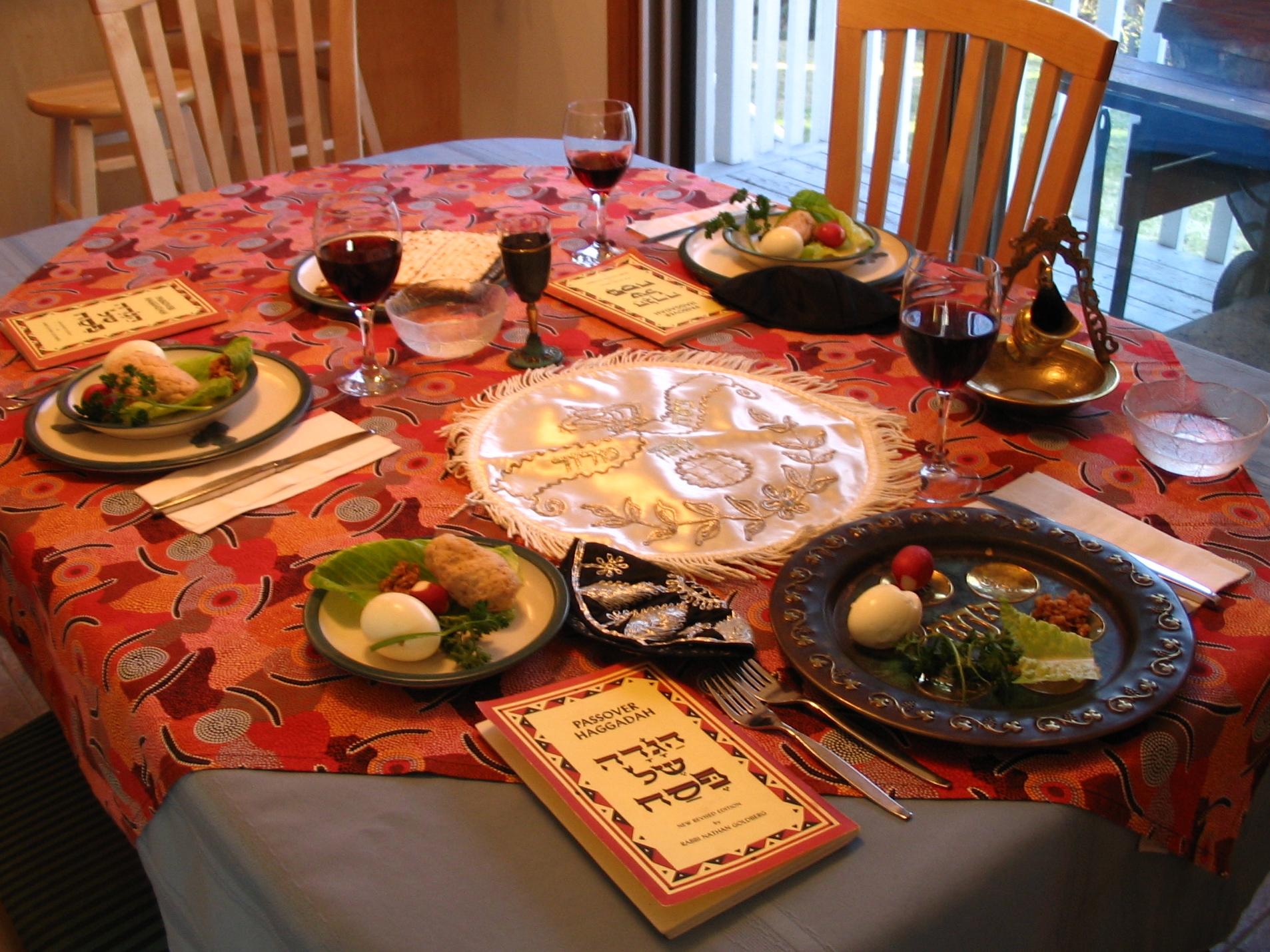
The Jewish Roots of Christian Easter
Easter is not a Christian appropriation of pagan spring rites. It is the Christian fulfillment of the Jewish Passover — and the New Testament insists on this from its earliest layer.