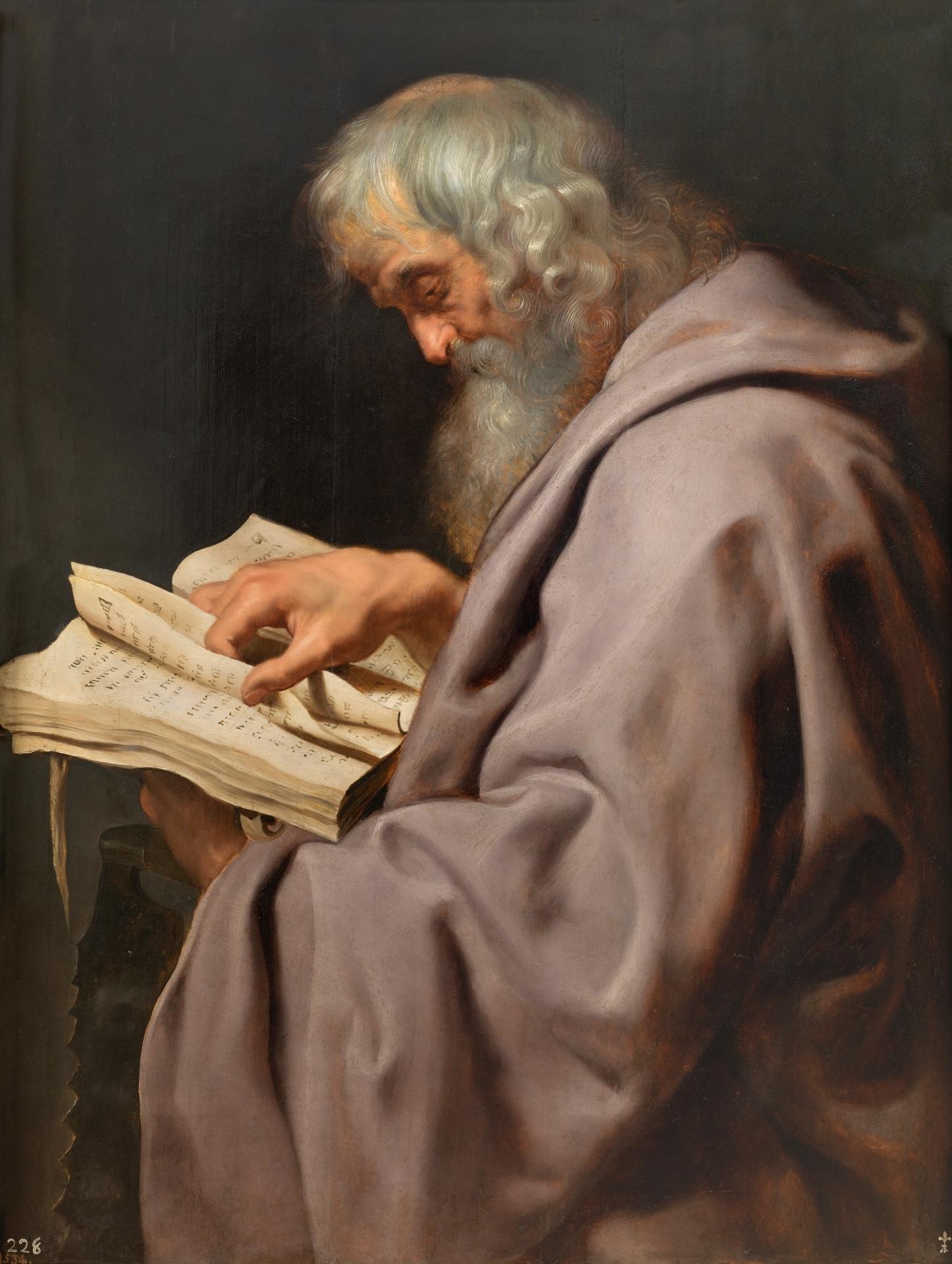
Simon the Zealot is named four times in the New Testament — once in each apostle list — and never appears in any narrative episode. Matthew and Mark call him 'the Cananite' (Greek Kananaios, which is not a place name — Cana of Galilee — but a transliteration of the Aramaic qan'ana, 'zealous one'). Luke and Acts translate the same Aramaic word into Greek as Zelotes, 'the Zealot.' The two names mean the same thing.
The 'Zealots' in first-century Judea were a political-religious party that emerged in the mid-1st century in opposition to Roman occupation. They drew their name from the biblical figure of Phinehas (Numbers 25:6–13), whose 'zeal' for the Lord killed a Hebrew man and a Midianite woman in flagrant idolatrous union and turned away the wrath of God from Israel. The first-century Zealots saw themselves as continuing that tradition: violent opposition to Gentile rule and to any Jewish accommodation with it. They were a major faction in the Jewish War of 66–73 AD that ended with the destruction of Jerusalem.
Some scholars argue that Simon could not have been a 'Zealot' in the technical political sense, because the formal Zealot party did not coalesce until shortly before the Jewish War, decades after Simon's calling by Jesus. The label is more likely retrospective — Simon was 'zealous' in a broader sense, perhaps formerly associated with the proto-Zealot tendencies that were already present in Galilean politics in the 30s AD. The point of including the epithet in the apostle lists is striking either way: Jesus called among the Twelve a man with revolutionary anti-Roman politics, together with Matthew the tax collector (who worked for the Roman occupation). The two would have been bitter political enemies before they became fellow apostles.
Post-apostolic tradition is fragmentary. The Western tradition pairs him consistently with Thaddeus in a mission to Persia, where both were martyred — Simon by being sawn in two. Eastern Orthodox tradition assigns him a mission to the Black Sea region and Caucasus. The medieval English tradition, with no early support, claimed that Simon and Thaddeus visited Britain. The saw attribute in his iconography comes from the Persian martyrdom tradition.
Simon's name belongs to the genealogy of an idea — that the kingdom of God transforms political identity. The same Jesus who called Matthew the collaborator with Rome called Simon the militant against Rome, and made them sit together at the same table. In the apostolic community of the Twelve, both political extremes were brought under one apostolate. The pattern would be repeated in the early Pauline communities — Jew and Gentile, slave and free, made one in Christ — and Simon's presence in the apostolic list is one of the most visible signs that the apostolic identity is meant to transcend, not endorse, the political identities of the surrounding world.