Polycarp of Smyrna
A living bridge to the apostles — a disciple of John who carried the faith into the second century and sealed it in martyrdom with unforgettable words.
“Eighty-six years I have served him, and he never did me any wrong. How can I blaspheme my King who saved me?”
— The Martyrdom of Polycarp
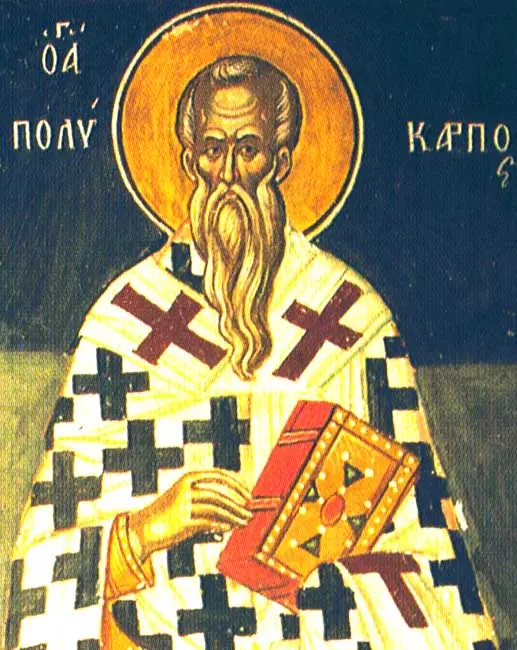
Polycarp is one of the precious links between the apostles and the later church. Irenaeus, who heard him preach as a boy, records that Polycarp had been instructed by the apostles and had conversed with 'many who had seen the Lord' — above all the apostle John, who appointed him bishop of Smyrna. In an age when eyewitness memory was fading, Polycarp was a man who could say what John himself had taught.
His one surviving letter, to the Philippians, is humble and saturated with Scripture, urging steadfastness and quoting the New Testament writings as authoritative — valuable early evidence for how quickly those books were received. Late in life he traveled to Rome to confer with its bishop over the date of Easter; the two could not agree but parted in peace, a model of charity amid disagreement.
Around 155, during a local persecution, the aged bishop was arrested. The Martyrdom of Polycarp — the earliest detailed martyrdom account outside the New Testament — records his refusal to deny Christ: 'Eighty-six years I have served him, and he never did me any wrong. How can I blaspheme my King who saved me?' He was burned at the stake (and, the account says, finished with a dagger when the flames would not consume him). His death became the template for how the church would remember its martyrs.
- A direct link to apostolic teaching, especially that of John
- Early reception of the New Testament writings as Scripture
- Martyrdom as conformity to Christ, not a death sought but a faith kept
- Charity amid disagreement (the Easter-dating dispute with Rome)
Born in Asia Minor
Appointed bishop of Smyrna; taught by the apostle John
Receives a letter from Ignatius of Antioch en route to martyrdom
Writes his Letter to the Philippians
Visits Rome to discuss the date of Easter
Martyred by fire in the stadium at Smyrna
A pastoral letter dense with New Testament quotation, urging endurance, righteousness, and fidelity to the apostolic faith.
Written by the church of Smyrna about him — the earliest church martyrdom account, shaping how Christians honored the witnesses to come.