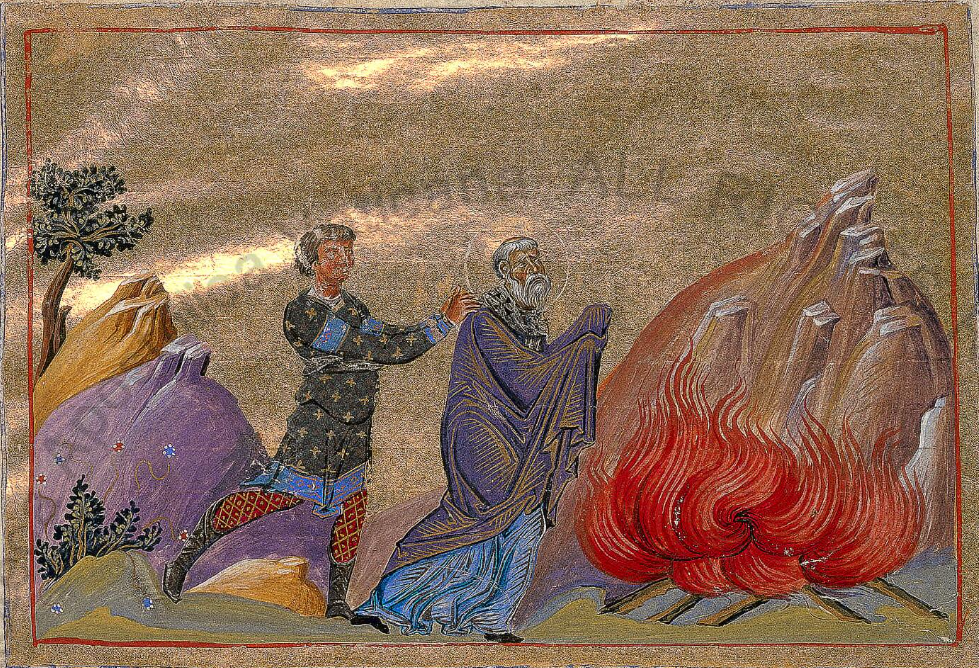
Polycarp is one of the most precious figures in early Christianity because of how directly he connects the post-apostolic Church to the apostles themselves. Irenaeus, who knew Polycarp personally as a young man, writes that Polycarp 'was not only taught by the apostles and conversed with many who had seen the Lord, but he was appointed by the apostles in Asia bishop of the Church in Smyrna.' The apostle who appointed him was, almost certainly, John — the same John who wrote the Gospel and the letters.
Polycarp's own Letter to the Philippians survives — a short, mostly pastoral document that quotes 1 Peter, 1 John, and several of Paul's letters, providing valuable evidence for the early circulation of New Testament writings. But he is remembered chiefly for the manner of his death, recorded in the Martyrdom of Polycarp — an eyewitness or near-eyewitness account composed soon after the event and the earliest surviving Christian martyrology after the New Testament itself.
The narrative is precise. During a wave of persecution in Smyrna around 155 AD, a mob demanded Polycarp's death. The Roman proconsul, when he had Polycarp before him, was reluctant to execute an elderly bishop and gave him repeated opportunities to escape. 'Swear by the genius of Caesar,' the proconsul urged. 'Curse Christ and I will release you.' Polycarp's reply is one of the most-quoted sentences in patristic literature: 'Eighty-six years I have served him, and he has done me no wrong. How can I blaspheme my King who saved me?'
They built a pyre. According to the account, the fire formed an arch around Polycarp without touching him, and an executioner was finally sent in with a dagger. The Christians of Smyrna gathered his bones — 'more valuable than precious stones and finer than refined gold' — and laid them where they could meet annually to celebrate 'the birthday of his martyrdom.' This phrase, 'birthday' (genethlia) — the martyr's death day as his birth into heaven — became the standard Christian language for martyr commemorations and the structural basis for the entire calendar of saints' days.
Polycarp embodies the apostolic continuity that the post-apostolic Church was trying to preserve. He had heard from John, who had heard from Jesus. The chain was real and recoverable. The Martyrdom is therefore not merely the account of one man's death; it is the inauguration of the cult of the martyrs — the conviction that the Church's witnesses, in dying, become a permanent presence in the worshipping life of the community.