Articlepublished
Nicaea: What Was Actually at Stake
By Christian Garces2026-05-094 min read
Release2026-05-09
Read time4 min read
The Standard Misreading
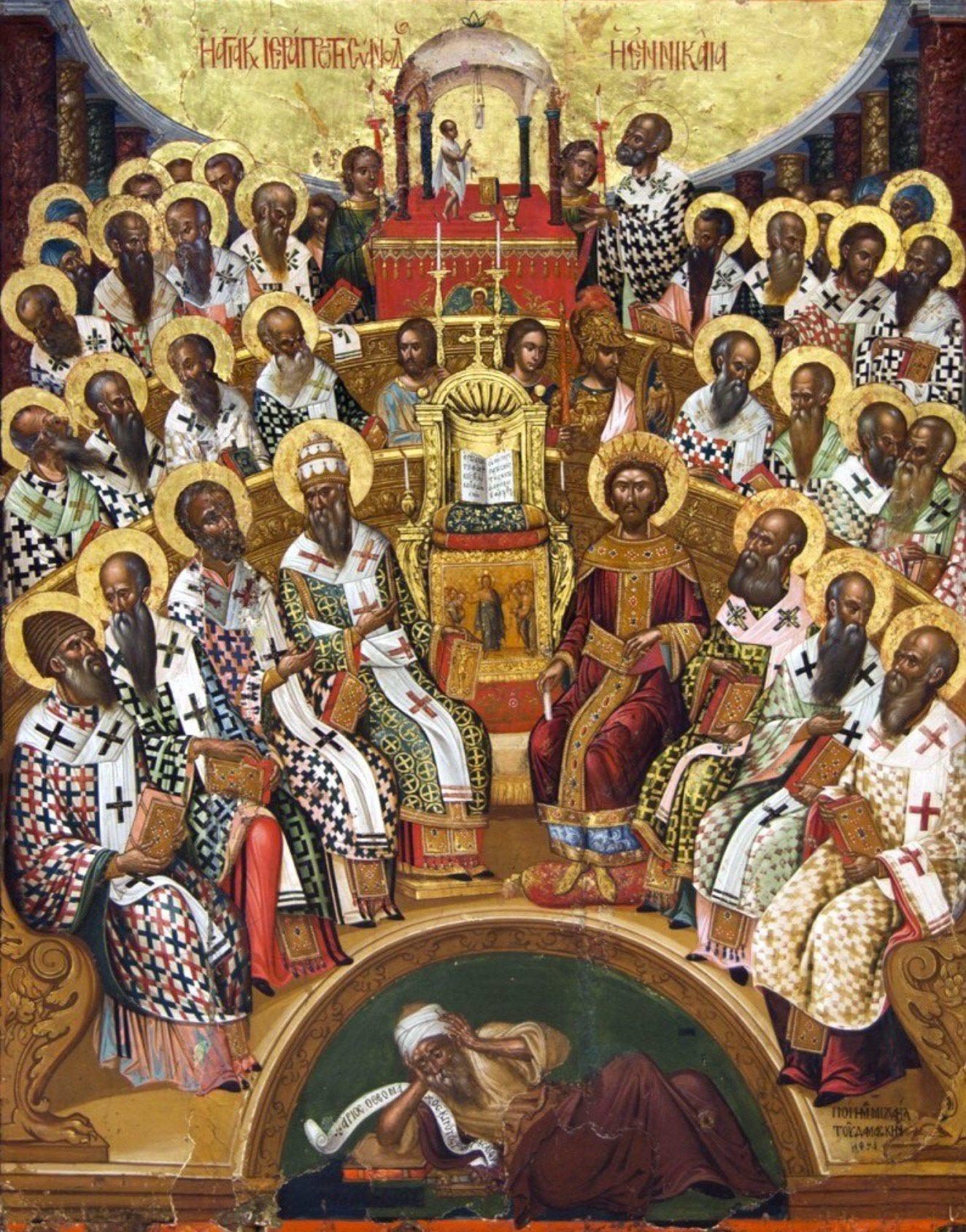
The Council of Nicaea in 325 AD is often presented as a political fight dressed up in theological language — Constantine forcing an empire to agree on a word, with bishops grudgingly compliant. This reading is almost exactly wrong. It misses what the council itself believed it was deciding, what the major participants wrote about it afterward, and what the doctrinal stakes actually were. The political pressure was real; the imperial interest was real; but the theological substance was not invented to dress up a political settlement. It was the substance that brought the bishops there in the first place.[1]
What Arius Was Actually Teaching
The word at issue was homoousios — "of the same substance" as the Father. To understand why it mattered, the position it was rejecting has to be stated precisely. Arius of Alexandria, a presbyter under Bishop Alexander, taught that the Son of God was the first and highest of all creatures — exalted above the angels, the instrument through whom God made everything else, but ultimately a creature.[2] His most famous formula, preserved in fragments by his opponents, was direct: ēn pote hote ouk ēn — "there was a time when he was not." The Son had a beginning. He was begotten in the sense of "made" rather than in the sense of "from the Father's own being."
Arius was not splitting hairs. He was making a claim with enormous consequences: if Christ is not fully divine, the gap between God and creation remains unbridged. A created mediator — however exalted — cannot bridge the infinite distance between the uncreated God and fallen humanity. Only the Creator can re-enter his creation and restore it from the inside.

What Athanasius Understood
Athanasius of Alexandria, present at Nicaea as a young deacon to Bishop Alexander and later the council's most tireless defender, understood this with absolute clarity. He returned to it for the next fifty years in writing after writing. The question was not abstract: Can God actually reach us? Has the distance been crossed? The Nicene answer — homoousios, the Son is of one substance with the Father — means yes, completely. God did not send a delegate. God came himself.[3]
The argument cuts through pious-sounding alternatives. If Christ is a "supreme creature" who imitates and reveals God, then human beings are saved by a model rather than a Savior. The Incarnation becomes inspirational rather than ontological. Athanasius's famous formula in On the Incarnation — "He became man so that we might become god" — is unthinkable inside Arius's framework, because what is at stake is whether the divine life can actually be communicated to creatures at all.
The Word the Bishops Did Not Want
The word homoousios was not the obvious choice. It does not appear in Scripture. It had been used in third-century Sabellian controversies in ways the bishops found troubling. Eusebius of Caesarea, who attended Nicaea and wrote a letter to his own diocese afterward explaining his vote, was visibly uncomfortable with the term and felt the need to justify it.[4] The bishops chose it anyway because every alternative they tried — including biblical phrases — Arius and his sympathizers could sign in good conscience by interpreting them their own way. Homoousios was the word Arians could not sign. That is what made it useful. The council was not legislating new doctrine; it was finding the word that would close the loophole the heresy had exploited.
Constantinople 381 and What Came After
The creed produced at Nicaea was not yet the creed Christians say today. That fuller version was expanded at the First Council of Constantinople in 381, which added the clauses on the Holy Spirit and clarified additional points. What is now called the Nicene Creed is properly the Niceno-Constantinopolitan Creed. Between Nicaea and Constantinople lay fifty-six years of conflict — imperial favor for Arians under Constantius II, the exile of Athanasius five times, the work of the Cappadocian Fathers (Basil the Great, Gregory of Nazianzus, Gregory of Nyssa) who restated the orthodox position with greater philosophical precision. Nicene Christianity did not win because it had the better argument in 325. It won because, over half a century of suffering and exile, its defenders did not surrender.[5]
The creed hammered out at Nicaea and expanded at Constantinople is not a political compromise. It is the most precisely worded sentence in Christian history, forged under pressure, soaked in exile, and verified by martyrdom. Every word is load-bearing — and removing any of them collapses the structure that makes salvation make sense.
Continue Exploring
The Council of Nicaea in 325 AD was not an argument about words. It was an argument about whether salvation is real.
The Studio Brief
Theology Delivered Weekly
Essays on the Fathers, sacred art, cosmology, and the hidden logic of Christian doctrine — sent directly to your inbox. No noise. No filler.
Weekly
Cadence
Free
Always
Patristic
Focus
Related
Browse Archive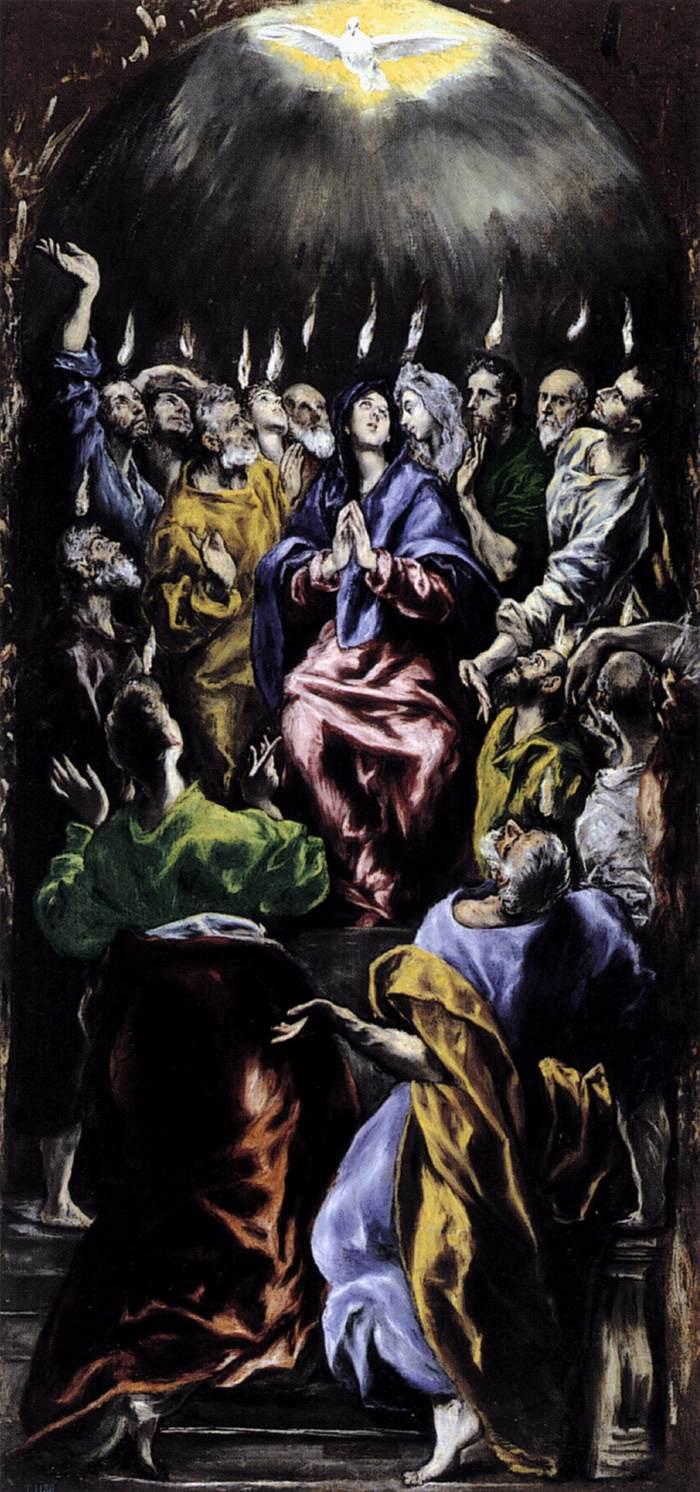
Read
Sacred Art
2026-05-22
The Apostolic Fire
Memory, martyrdom, and the visual language of witness.
Read
Christology
11 min read / 2026-05-17
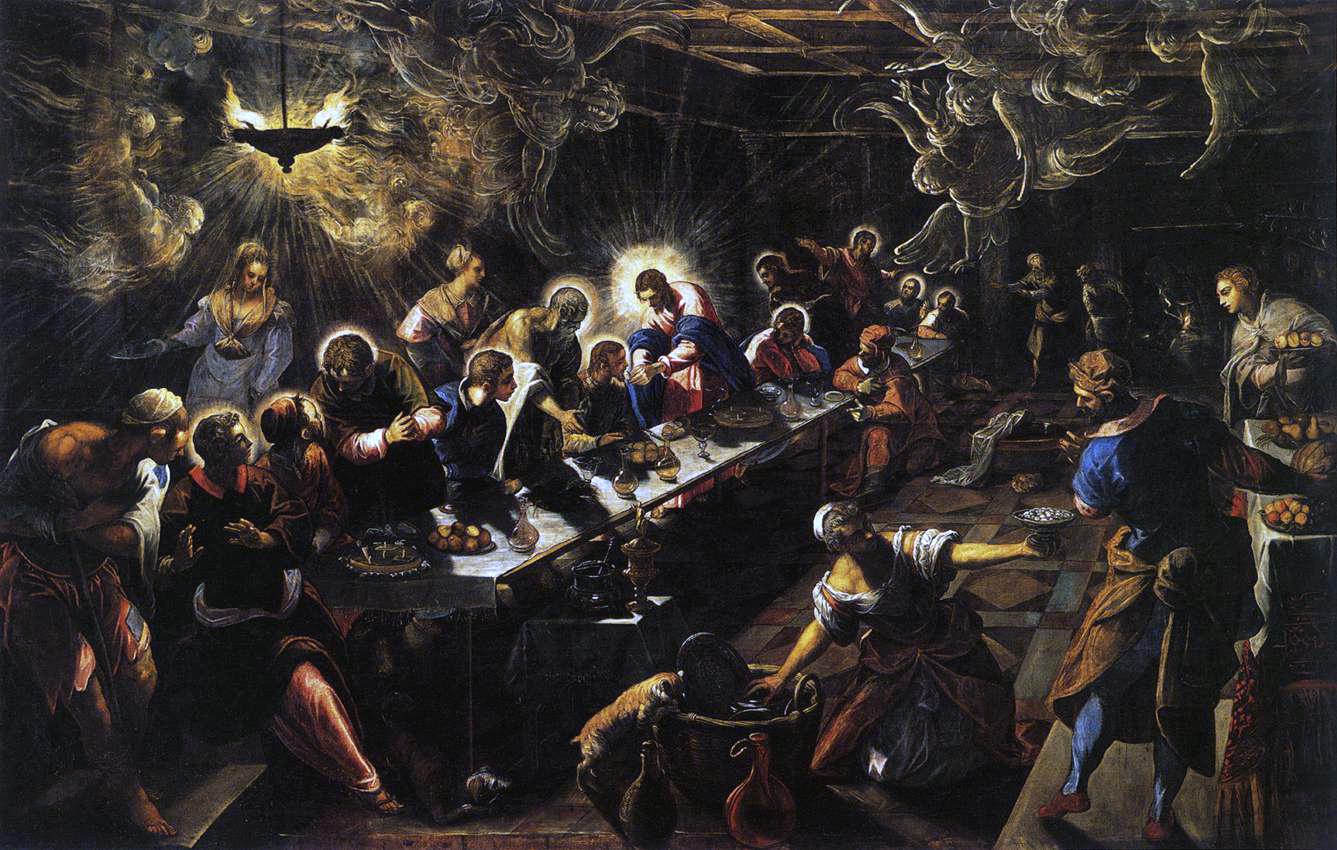
Why the Lord's Supper Divides Christians
The Eucharist is the most thoroughly attested practice of the earliest Church — and the single sacrament that has done the most to keep Christians apart. The reason is not pettiness. It is Christology.
Read
Christology
10 min read / 2026-05-17
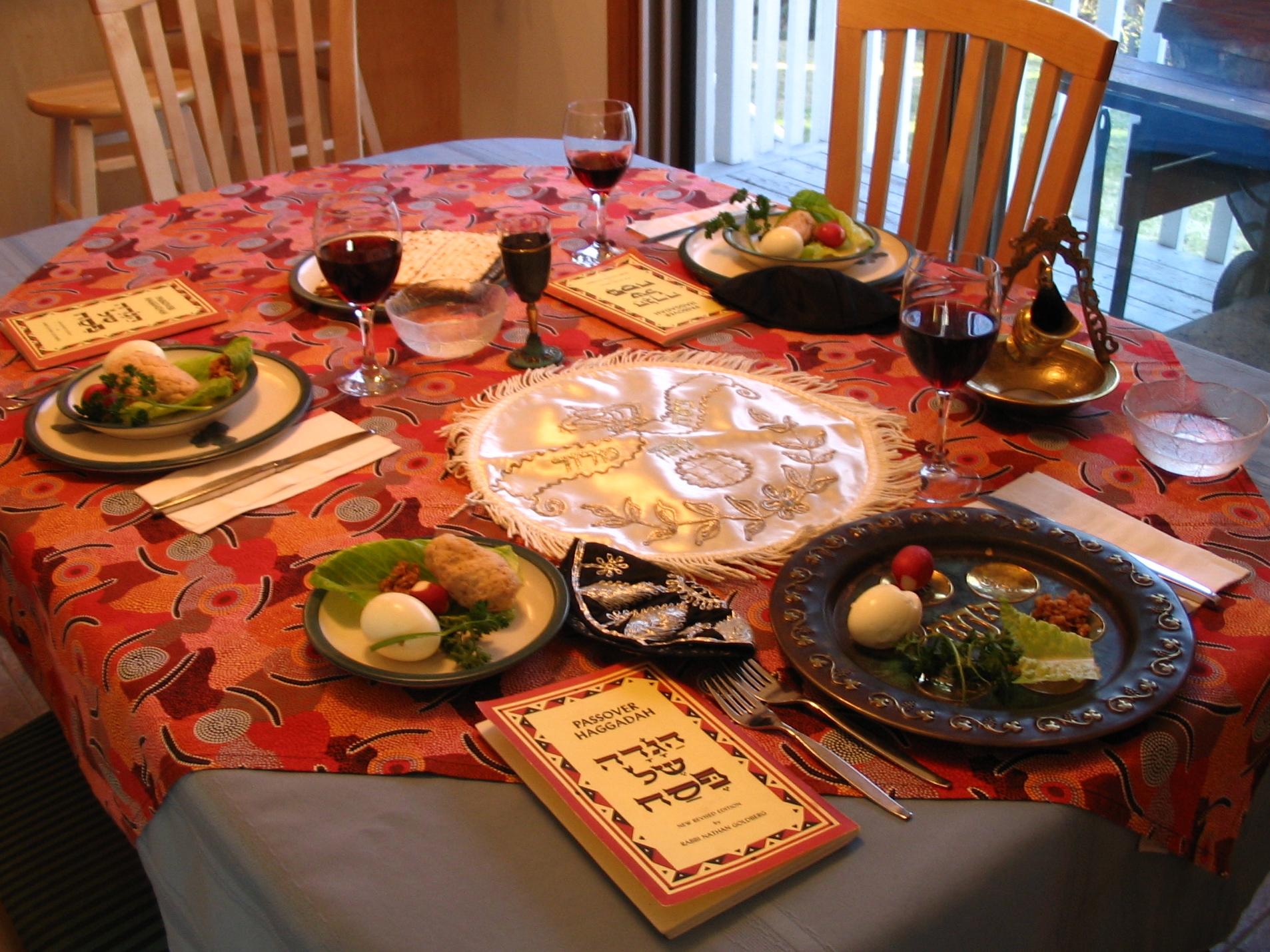
The Jewish Roots of Christian Easter
Easter is not a Christian appropriation of pagan spring rites. It is the Christian fulfillment of the Jewish Passover — and the New Testament insists on this from its earliest layer.