Articlepublished
The Logos Before Physics Knew the Word
By Christian Garces2026-05-101 min read
Release2026-05-10
Read time1 min read
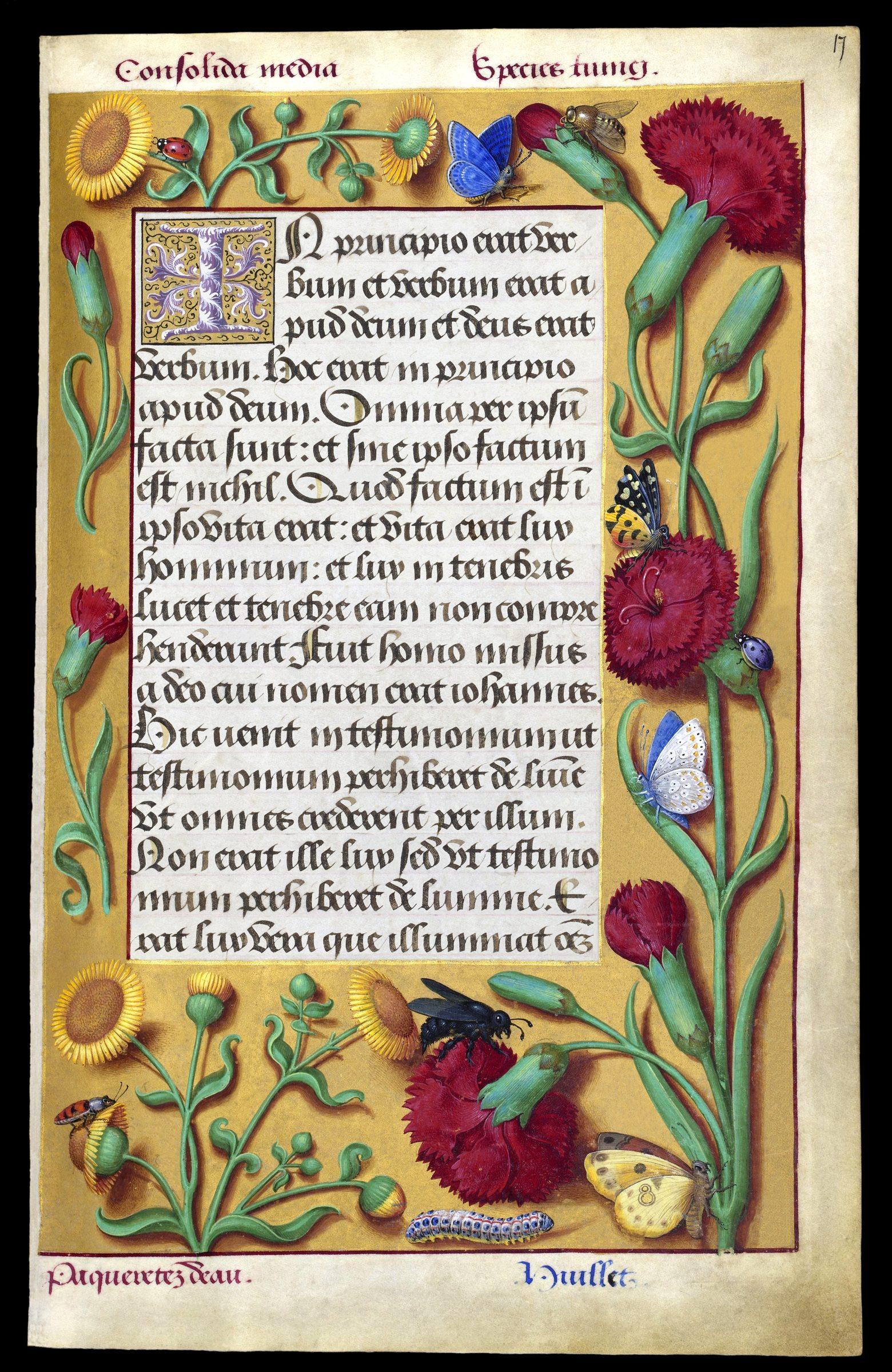
John begins his Gospel not with a birth narrative or a calling story but with a cosmological statement: 'In the beginning was the Word, and the Word was with God, and the Word was God. All things were made through him, and without him nothing was made that has been made.' This is not metaphor before physics arrived. It is a claim about the structure of reality.
The Logos in Heraclitean philosophy was already the rational principle underlying the cosmos — the reason-structure by which all things cohere. John does not borrow this term accidentally. He plants the flag of Christian revelation precisely in the territory where Greek philosophy was searching: the rational foundation of the universe has a personal name, and that name is given.
What modern physics calls the fine-tuning of constants, the anthropic principle, the unreasonable effectiveness of mathematics — the theological tradition would call the intelligibility of creation. The cosmos is legible because it was spoken. A word is always legible to a mind.
To encounter the Logos is not to retreat from science. It is to ask the question science cannot ask from within itself: why is there something rather than nothing, and why is that something written in mathematics?
Continue Exploring
John 1 is not pre-scientific poetry. It is the most precise cosmological claim in ancient literature.
The Studio Brief
Theology Delivered Weekly
Essays on the Fathers, sacred art, cosmology, and the hidden logic of Christian doctrine — sent directly to your inbox. No noise. No filler.
Weekly
Cadence
Free
Always
Patristic
Focus
Related
Browse Archive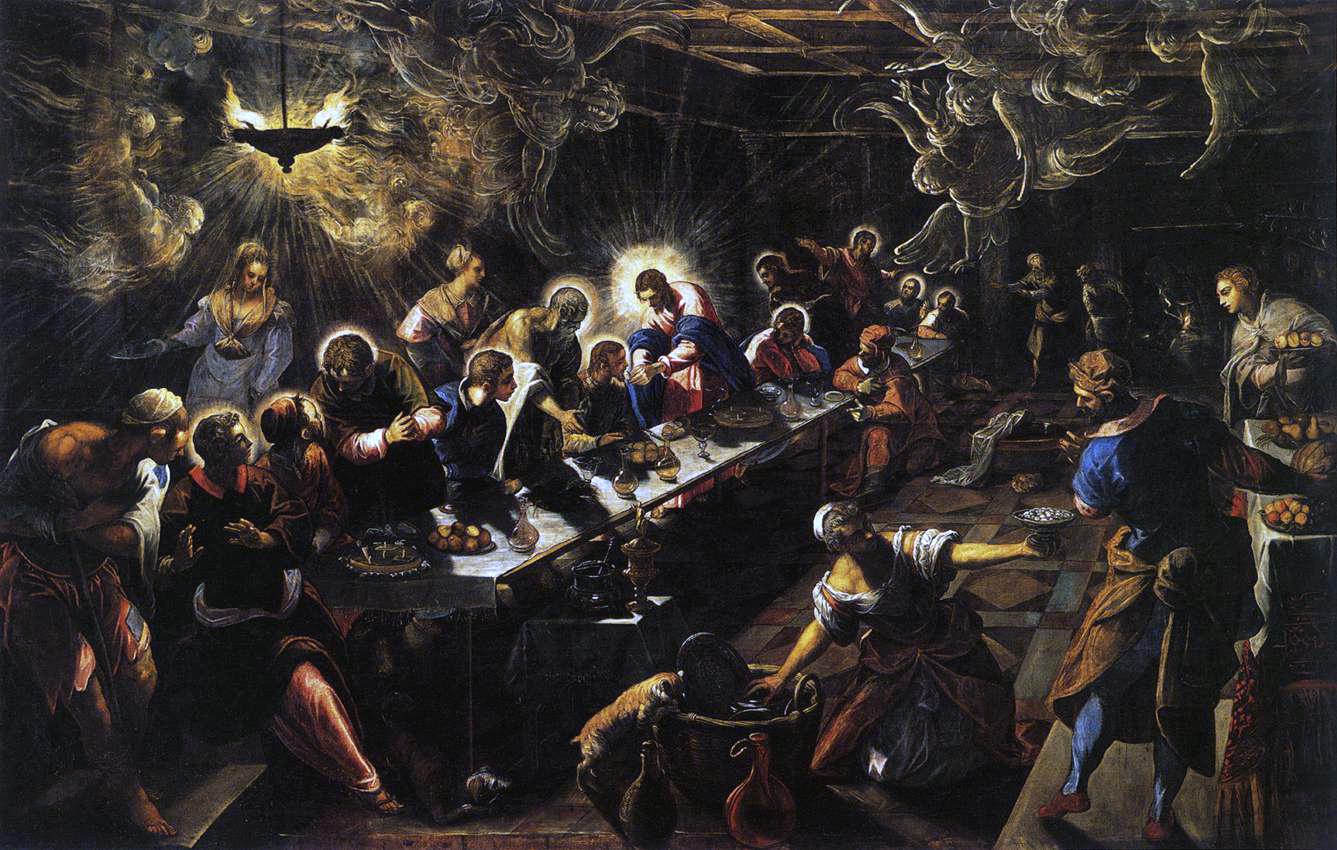
Read
Christology
11 min read / 2026-05-17
Why the Lord's Supper Divides Christians
The Eucharist is the most thoroughly attested practice of the earliest Church — and the single sacrament that has done the most to keep Christians apart. The reason is not pettiness. It is Christology.
Read
Christology
10 min read / 2026-05-17
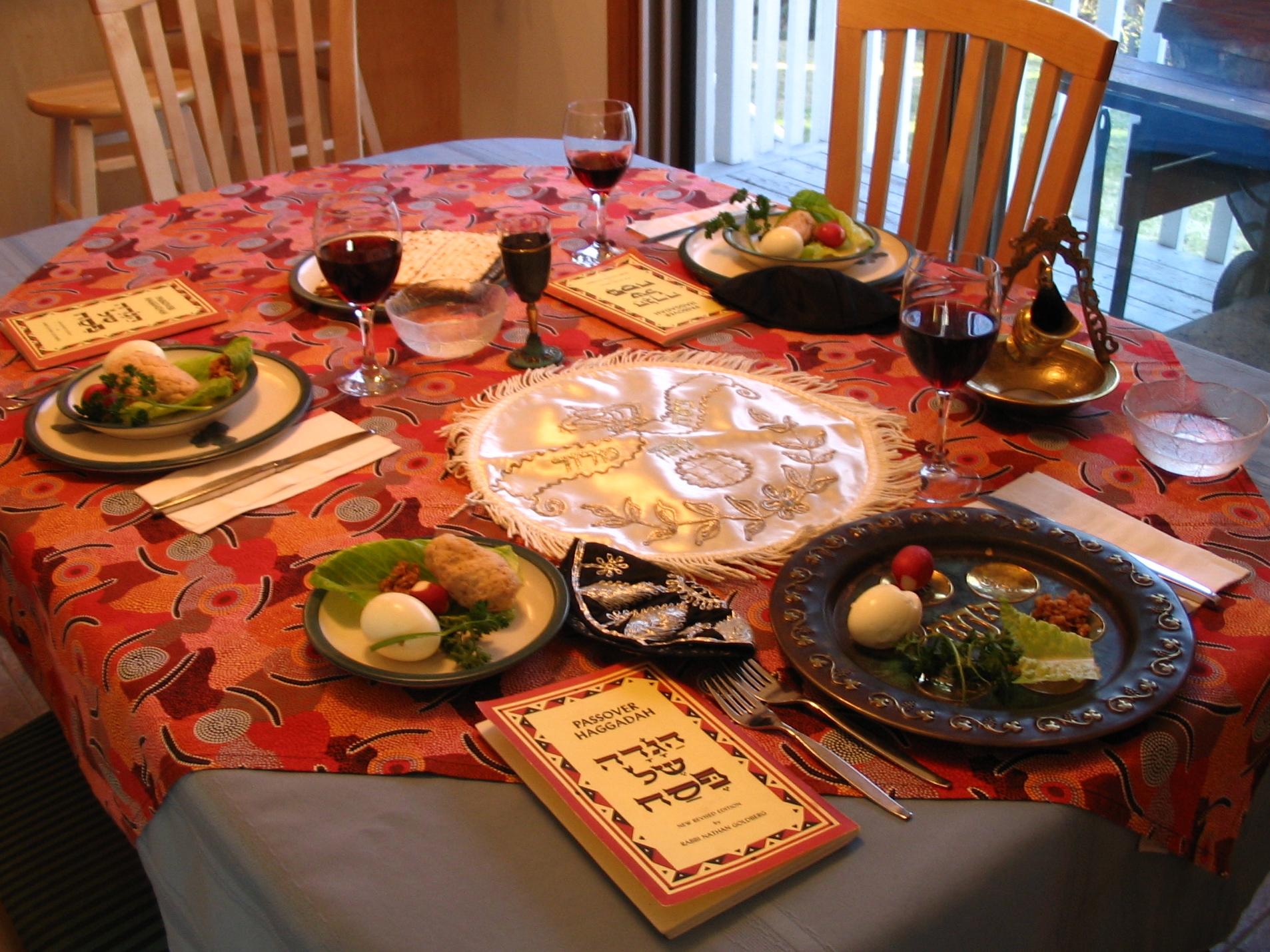
The Jewish Roots of Christian Easter
Easter is not a Christian appropriation of pagan spring rites. It is the Christian fulfillment of the Jewish Passover — and the New Testament insists on this from its earliest layer.
Read
Sacred Art
4 min read / 2026-05-16
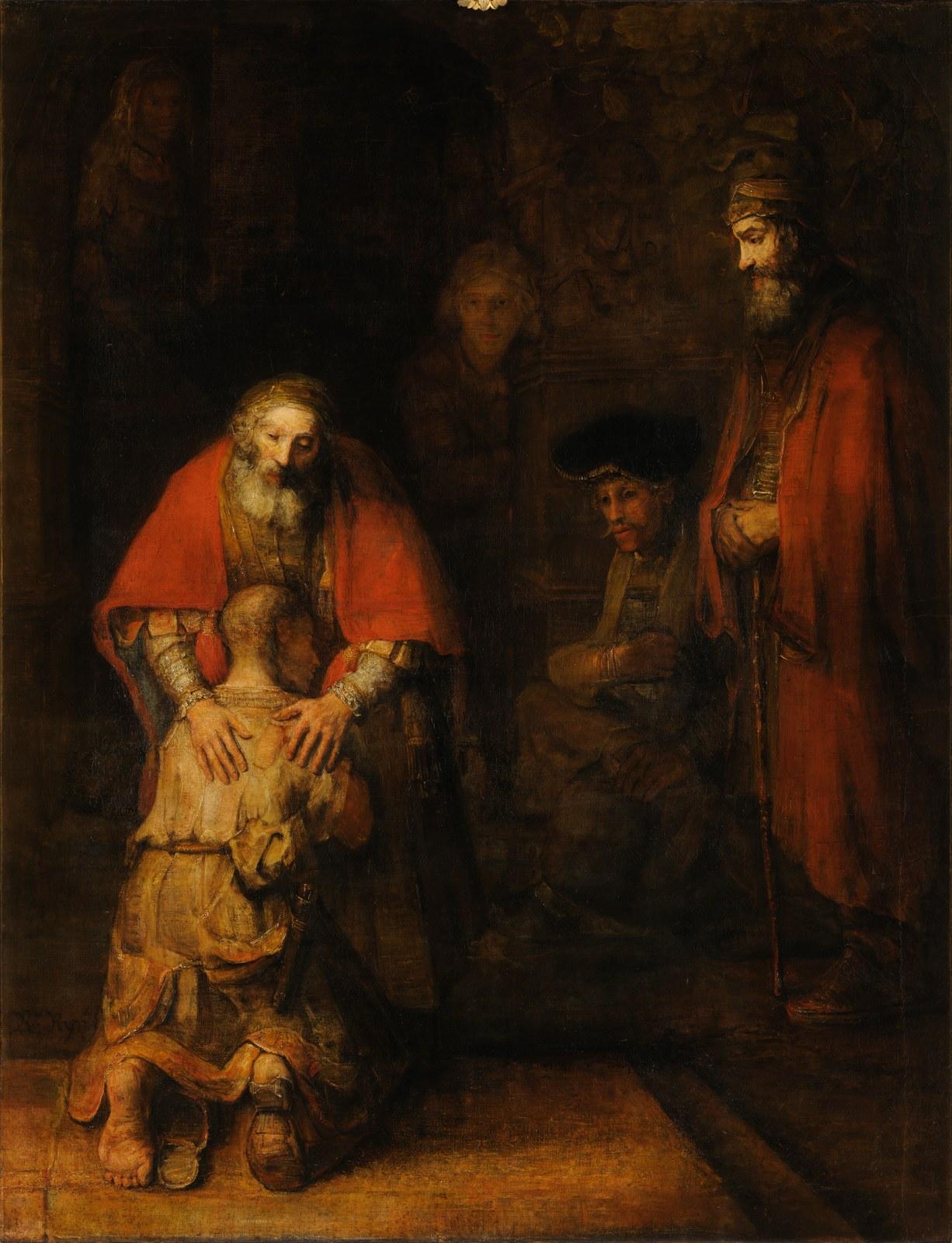
Rembrandt's Prodigal: The Father's Hands
Rembrandt painted The Return of the Prodigal Son near the end of his life, in poverty. He painted a father who has already begun running before we arrive at the scene. The hands tell the whole story.