The Angel of the Lord is the most theologically loaded angelic figure in the Hebrew Scriptures, and the figure most deserving of a careful Christian reading. The phrase appears dozens of times across the Old Testament, and in many of its appearances the Angel speaks not on behalf of God but as God: receiving worship without rebuke, accepting sacrifices, and being addressed as the LORD himself by those to whom he appears.
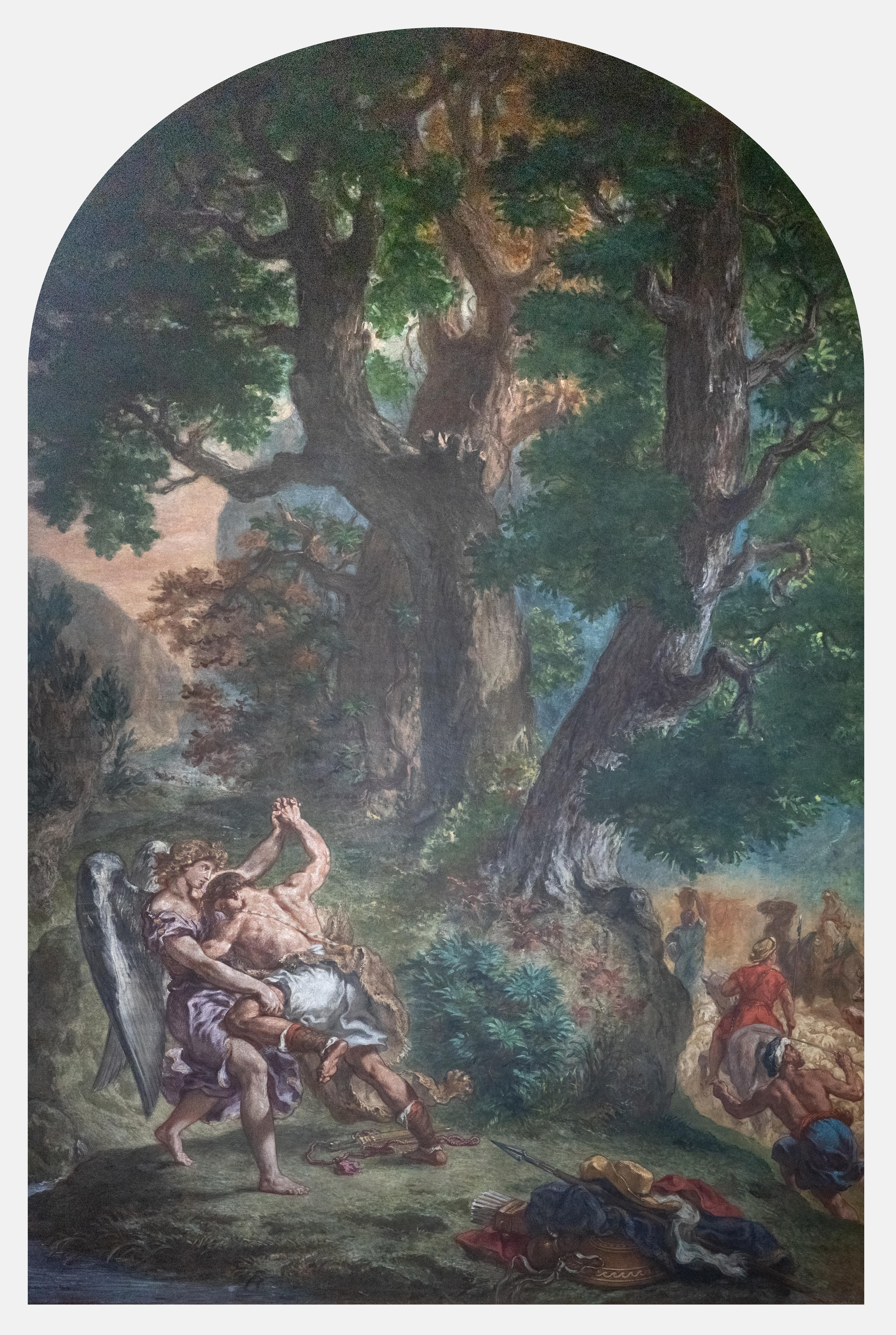
In Genesis 16, the Angel of the Lord finds Hagar in the wilderness, makes promises that only God can make, and Hagar names him 'You are the God who sees me' — Elohi Roi. In Genesis 22, the Angel of the Lord stops Abraham's hand at Moriah and then declares, in the first person, 'because thou hast not withheld thy son… from me.' In Exodus 3, the Angel of the Lord appears to Moses in the burning bush, and the text moves seamlessly to call him 'the LORD' and 'God,' who then names himself 'I AM THAT I AM.' In Judges 6, Gideon recognizes that he has seen the Angel of the Lord 'face to face' and fears he will die; in Judges 13, Manoah and his wife say the same after the angel ascends in the flame of the altar.
Patristic theology — especially Justin Martyr, Irenaeus, Tertullian, and later Athanasius — read these passages as pre-incarnate appearances of the Son. The Angel of the Lord is not, on this reading, a created angel but the eternal Word coming forth to be seen and heard by his people before his incarnation. Justin develops the case in detail in his Dialogue with Trypho: the One who appeared to the patriarchs, who spoke as God and was worshiped as God, is the same One who later took flesh in the womb of the Virgin. The Latin tradition uses the term Christophany — an appearance of Christ.
This reading is not the only one. Many later Western theologians have argued that the Angel of the Lord is simply a created angel commissioned to speak with the authority of God. But the older tradition is striking and has remained the dominant reading in the Eastern Church and among many Reformed theologians: the Old Testament's most exalted angelic figure is, in fact, no angel at all. He is the Word, glimpsed before his incarnation. The narrative of Scripture is the unfolding of one Christ, present from the beginning, who at length stepped fully into the world he had been visiting all along.