Articlepublished
Arianism: The Heresy That Almost Won
By Christian Garces2026-05-122 min read
Release2026-05-12
Read time2 min read
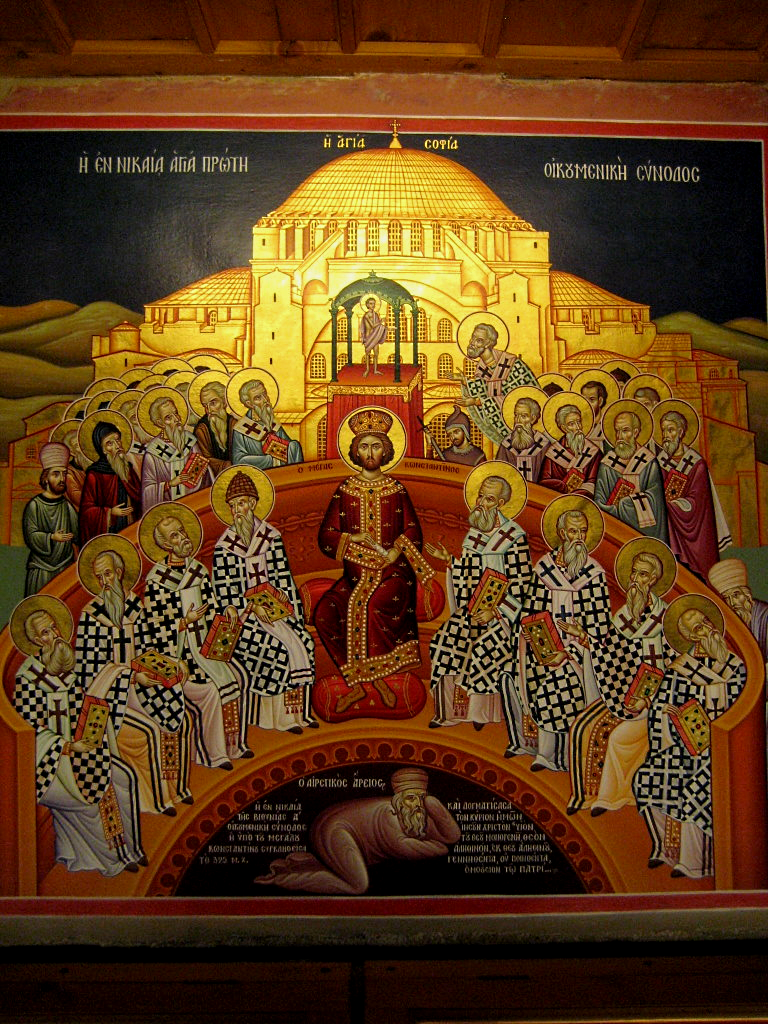
Arianism is the teaching that the Son of God is a created being — the first and highest creation, exalted above all others, but not eternal and not equal to the Father. Arius, a presbyter in Alexandria in the early fourth century, summarized it in a memorable phrase: 'there was a time when he was not.' The Son had a beginning. He was made, not begotten. He was divine in rank, not in essence.
What is commonly forgotten is how widely this teaching spread. By the 350s, the Arian or semi-Arian position controlled most of the major sees of the Eastern Church. Councils overrode Nicaea. Athanasius was exiled five times. The emperor Constantius II imposed Arian theology by force, declaring to bishops: 'My will shall be your creed.' Jerome famously wrote that 'the whole world groaned and was astonished to find itself Arian.'
The stakes were not abstract. Athanasius grasped what Arius had missed: if Christ is not fully divine, the Incarnation cannot save. A creature can model righteousness. A creature can even die. But a creature cannot bridge the infinite distance between God and fallen humanity. Only the Creator can enter creation from outside and restore it from within. The logic of salvation requires the full divinity of the Savior.
Arianism was not finally defeated by argument alone. It was defeated by the martyrdom and exile of those who would not surrender — Athanasius above all, but also Hilary of Poitiers, Basil the Great, and the other Cappadocians who restated Nicene orthodoxy with philosophical precision. The First Council of Constantinople in 381 formally closed the controversy, but the theological clarity won there was purchased by decades of suffering.
Arianism did not vanish. It was adopted by several Germanic tribes — the Visigoths, Ostrogoths, Vandals, and Lombards — partly through the mission of the Arian bishop Wulfila. It persisted among these peoples for centuries after the Roman Empire had returned to Nicene orthodoxy. In a modified form, it reappears in every era under different names — in Socinianism, in Unitarianism, and in contemporary movements that honor Jesus as a supreme moral teacher without confessing his full divinity.
Continue Exploring
Arianism was not a fringe position. For decades it controlled the Church's institutions, filled the episcopal sees, and nearly became Christianity's permanent confession.
The Studio Brief
Theology Delivered Weekly
Essays on the Fathers, sacred art, cosmology, and the hidden logic of Christian doctrine — sent directly to your inbox. No noise. No filler.
Weekly
Cadence
Free
Always
Patristic
Focus
Related
Browse Archive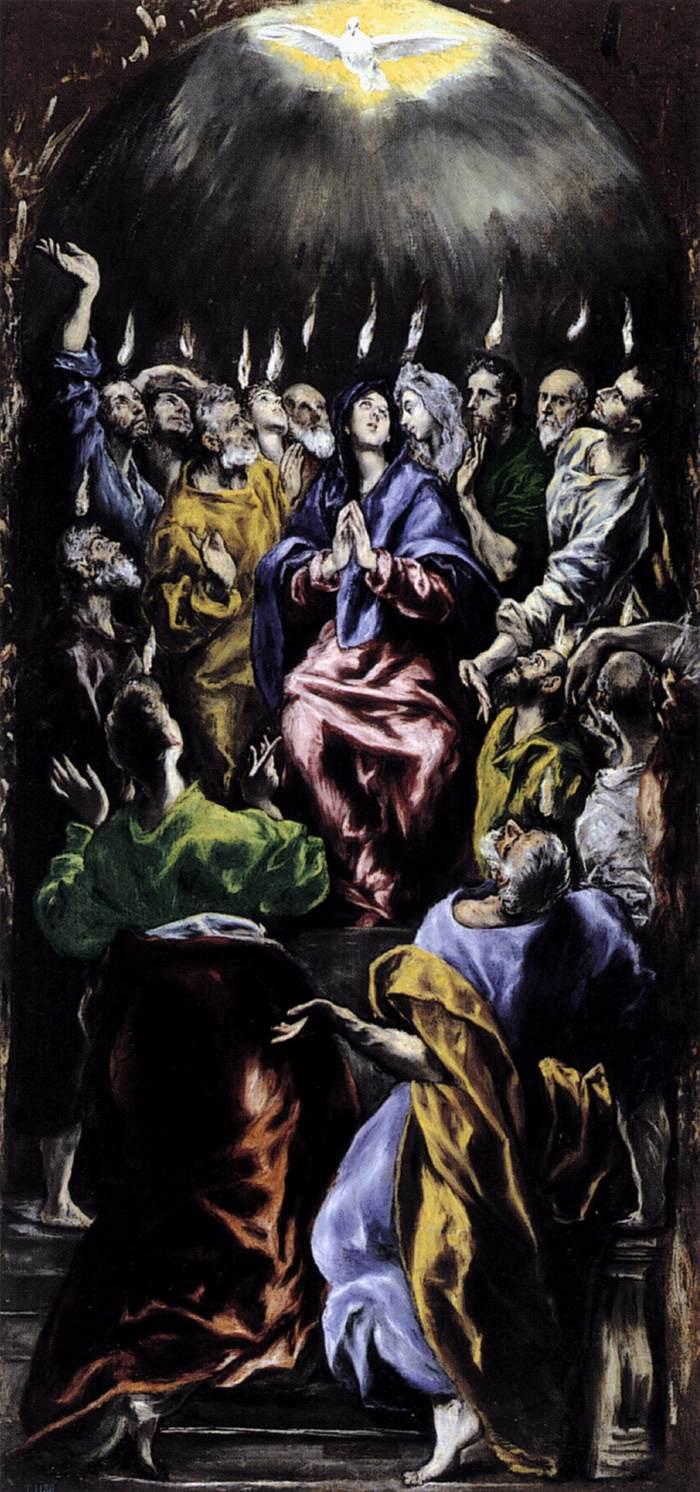
Read
Sacred Art
2026-05-22
The Apostolic Fire
Memory, martyrdom, and the visual language of witness.
Read
Christology
11 min read / 2026-05-17
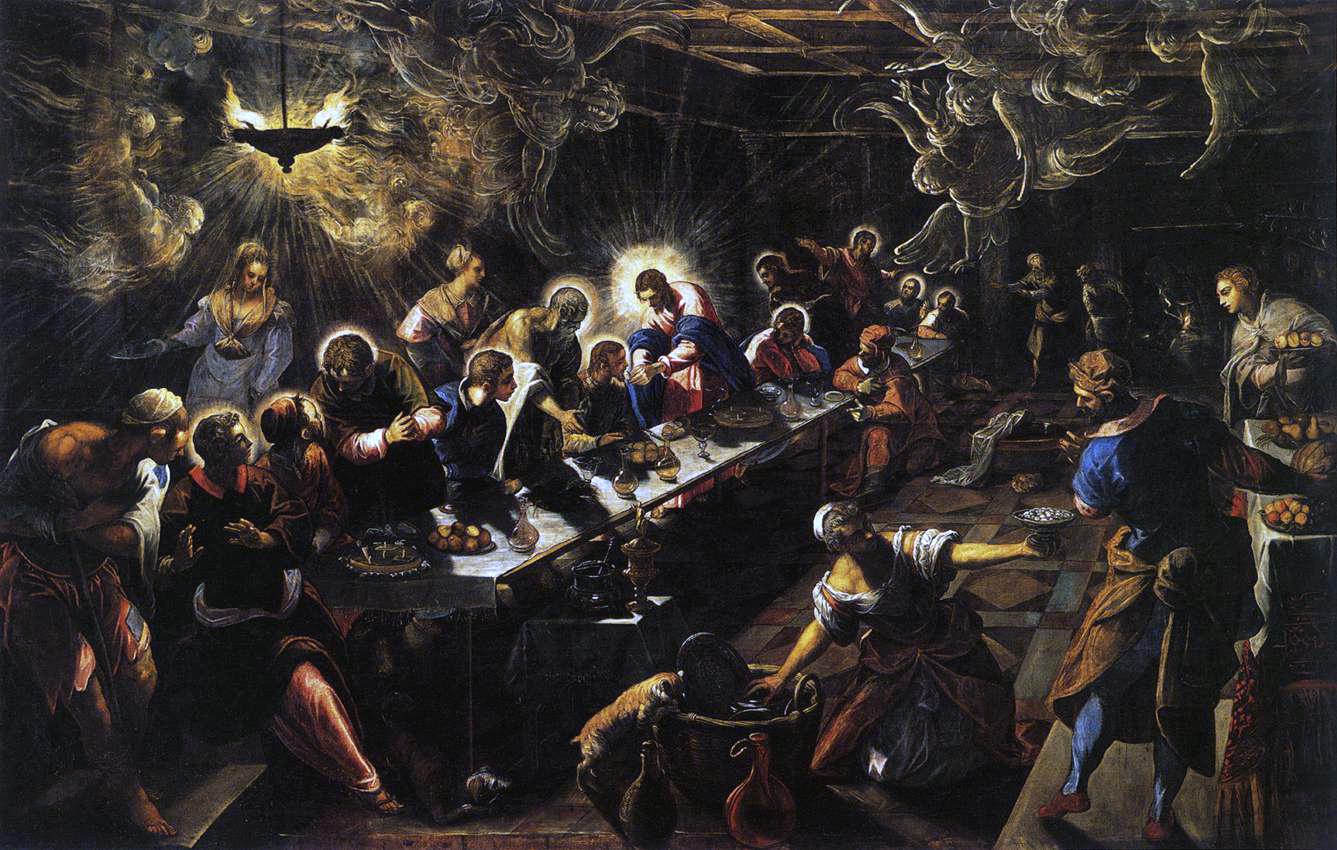
Why the Lord's Supper Divides Christians
The Eucharist is the most thoroughly attested practice of the earliest Church — and the single sacrament that has done the most to keep Christians apart. The reason is not pettiness. It is Christology.
Read
Christology
10 min read / 2026-05-17
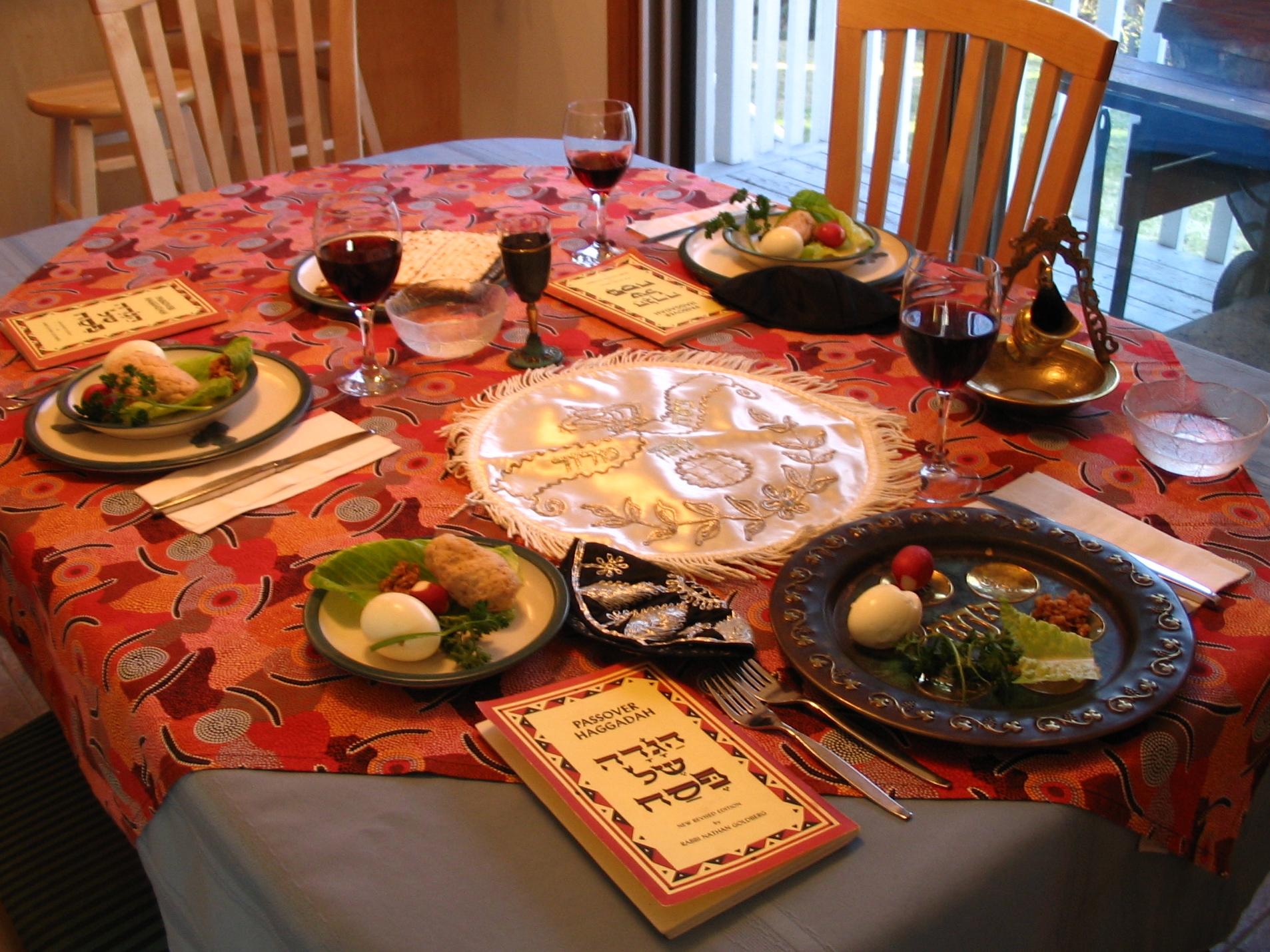
The Jewish Roots of Christian Easter
Easter is not a Christian appropriation of pagan spring rites. It is the Christian fulfillment of the Jewish Passover — and the New Testament insists on this from its earliest layer.