Articlepublished
The Divine Council: What the Old Testament Actually Describes
By Christian Garces2026-05-115 min read
Release2026-05-11
Read time5 min read
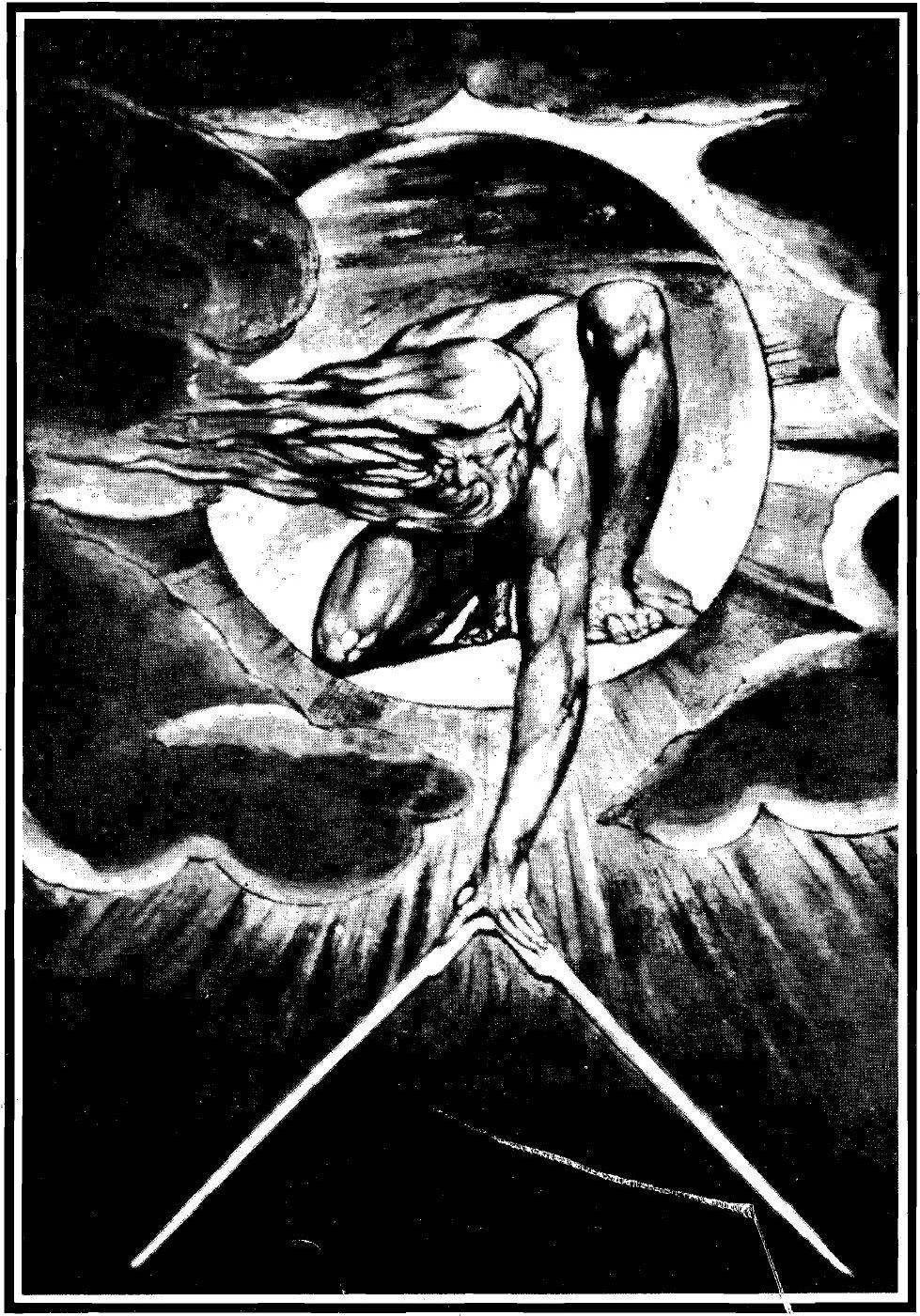
What the Shema Does Not Say
The Shema — "Hear, O Israel, the LORD your God, the LORD is one" (Deuteronomy 6:4) — is the central confession of Israel and the most familiar verse in the Hebrew Bible. It is also one of the most commonly misread. Read in isolation and through later philosophical categories, it appears to deny the existence of any other divine beings whatsoever. Read in the context of the rest of the Torah and the Prophets, it does no such thing. It declares the LORD’s absolute supremacy over the heavenly host and Israel’s exclusive loyalty to him, without denying that other elohim — lesser divine beings — exist within the cosmos he made and rules.[1]
This is not a fringe reading. It is the position that has been recovered over the last forty years of biblical scholarship by working closely with the Hebrew text alongside the Septuagint, the Dead Sea Scrolls, and ancient Near Eastern comparative material. The result is a picture of biblical cosmology that is more complex, more coherent, and more directly relevant to the New Testament than the flattened "primitive monotheism" version most modern readers were taught.
The Divine Council in the Hebrew Bible
The Hebrew Bible repeatedly describes a divine council — a heavenly assembly over which YHWH presides as the Most High. Psalm 82 is the most direct statement: "God stands in the divine assembly (‘adat ’el); in the midst of the gods (elohim) he gives judgment: How long will you judge unjustly?… I said, You are gods, sons of the Most High, all of you; nevertheless, like men you shall die." This is not poetry about human judges. The ancient audience — and Jesus, who quotes the passage in John 10:34–36 — read it as a divine courtroom in which YHWH judges the lesser elohim who have failed in their vocation.[2]
The same council appears in Job 1–2 (the "sons of God" present themselves before the LORD), Isaiah 6 (the heavenly throne room with the seraphim), 1 Kings 22 (Micaiah’s vision of God taking counsel with the "host of heaven"), and Daniel 7 (the Ancient of Days enthroned, with the heavenly host in attendance). The pattern is consistent across the canon: YHWH rules from a heavenly court populated by created divine beings who carry out his will — or fail to.

Deuteronomy 32 and the Division of the Nations
The most important text for understanding the larger cosmological architecture is Deuteronomy 32:8–9. The Masoretic Text reads that God "divided the nations according to the number of the sons of Israel." But the Dead Sea Scroll fragment 4QDeutj, confirmed by the Septuagint, reads "according to the number of the sons of God" (bene elohim) — almost certainly the original reading.[3] After the Tower of Babel, God allotted the nations of the earth to the divine beings of his council, reserving Israel for himself. The other nations have elohim assigned to them. The failure of those elohim — their drift into idolatry, oppression, and rebellion — is the cosmological backdrop for everything that follows in Israel’s story.
This is why the Psalms can speak of God as "the great King above all gods" (Psalm 95:3): the competition is real, the other gods exist, and God’s supremacy over them is the point. It is also why the prophets repeatedly cast Israel’s sin as adultery with foreign elohim: those gods are not nothing. They are real beings who have usurped what belongs to YHWH alone.
Genesis 6 and the Watchers
The rebellion motif intensifies in Genesis 6:1–4, where the "sons of God" (bene elohim) take human wives and produce the Nephilim. The Second Temple period developed this material into a full cosmological narrative, most famously in the Book of 1 Enoch: the Watchers, a class of angelic beings, descended to earth, taught humanity forbidden knowledge, and produced a hybrid offspring whose violence corrupted creation and provoked the Flood. The New Testament authors knew this tradition and expected their readers to know it — 2 Peter 2:4 and Jude 6 both directly reference the binding of the Watchers, language drawn straight from 1 Enoch.[4]
The New Testament Inherits, Doesn’t Reject
This is not a framework the New Testament discards. The New Testament picks it up with full force. Paul speaks of "principalities and powers," "rulers of this age," "the god of this world" (2 Corinthians 4:4), "the prince of the power of the air" (Ephesians 2:2). The war is not figurative. The Incarnation is the decisive counter-invasion. Christus Victor — Christ victorious over the powers — is not one model of atonement among others. It is the cosmological frame inside which all the other models make sense.[5]
Reading the New Testament without this background produces systematic misreadings. The Temptation of Christ is not Satan testing a good man’s resolve — it is the Logos directly confronting the being who holds illegitimate authority over the nations, and refusing his offer of a shortcut to the throne that bypasses the cross. The cross itself, in this frame, is a territorial event as much as a legal one: Christ entering the domain of death and breaking its power from within, "disarming the rulers and authorities and putting them to open shame" (Colossians 2:15). The Resurrection is the inauguration of the new creation — the first moment in which the old age of the powers’ domination has been definitively broken.
The biblical cosmology is not primitive monotheism. It is the load-bearing structure of the entire canonical narrative: one God, many created divine beings, some in catastrophic rebellion, a cosmic drama playing out through human history that the Incarnation enters, ruptures, and re-orders.
Continue Exploring
The Bible's cosmology is not primitive monotheism. It is a complex architecture of divine beings, delegated authority, and cosmic rebellion.
The Studio Brief
Theology Delivered Weekly
Essays on the Fathers, sacred art, cosmology, and the hidden logic of Christian doctrine — sent directly to your inbox. No noise. No filler.
Weekly
Cadence
Free
Always
Patristic
Focus
Related
Browse Archive
Read
Church Fathers
11 min read / 2026-05-17
Azusa Street and the Birth of Global Pentecostalism
From a converted livery stable at 312 Azusa Street, Los Angeles, between 1906 and 1915, the second-largest stream of contemporary Christianity was born — and almost immediately segregated.
Read
Spiritual Warfare
3 min read / 2026-05-15
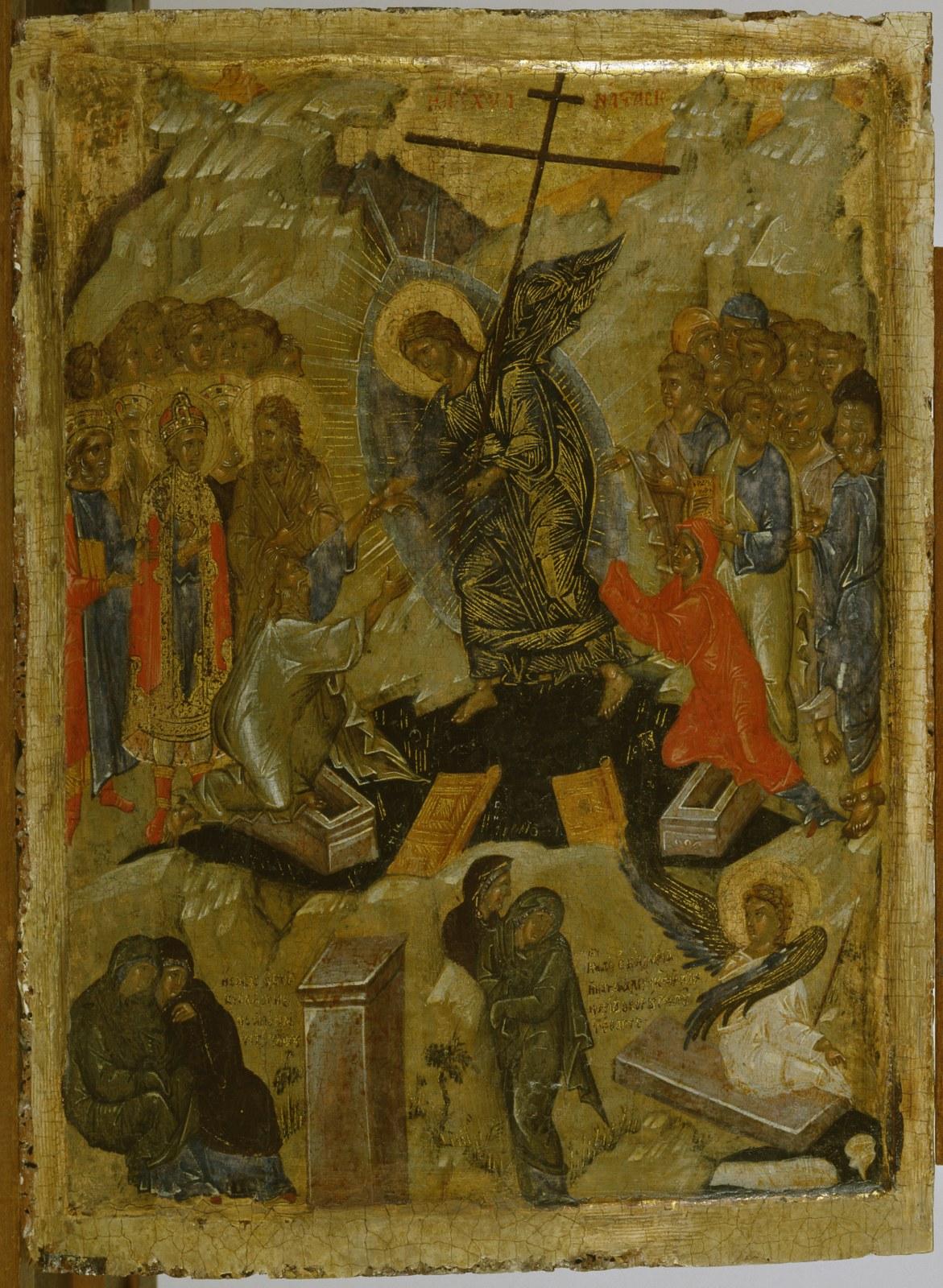
Christus Victor: The Atonement Model the West Forgot
Before penal substitution dominated Western theology, the early Church understood the cross primarily as a cosmic victory — Christ defeating sin, death, and the powers of darkness by entering their territory and breaking their hold from within.
Read
Cosmology
3 min read / 2026-05-15
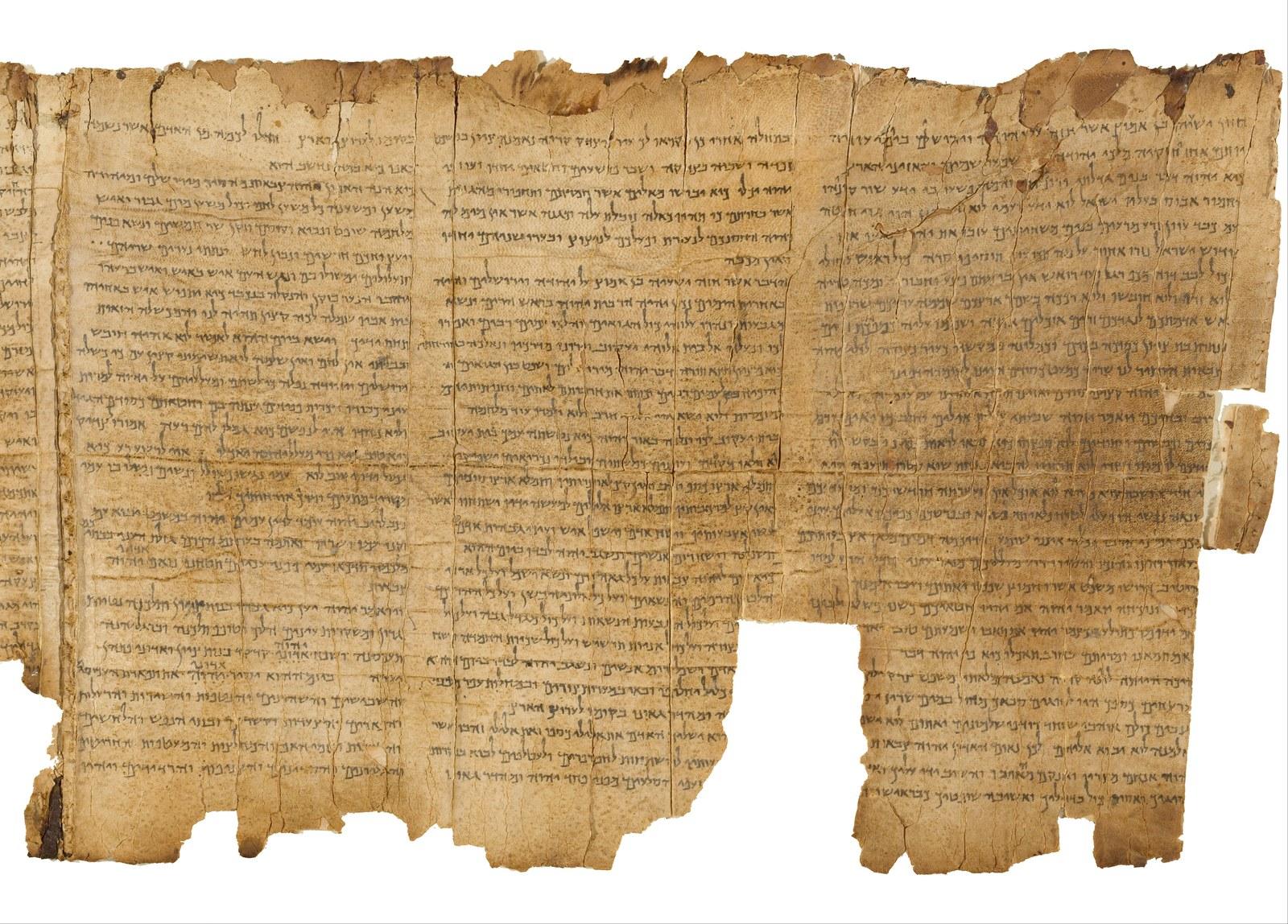
What Second Temple Jews Believed About the Universe
The New Testament was written by people who believed in a multi-tiered universe populated by divine beings, angelic hierarchies, and cosmic powers. Understanding this cosmology is not optional for understanding what the text says.