Articlepublished
The Gnostic Jesus: What Irenaeus Understood and We Have Forgotten
By Christian Garces2026-05-132 min read
Release2026-05-13
Read time2 min read
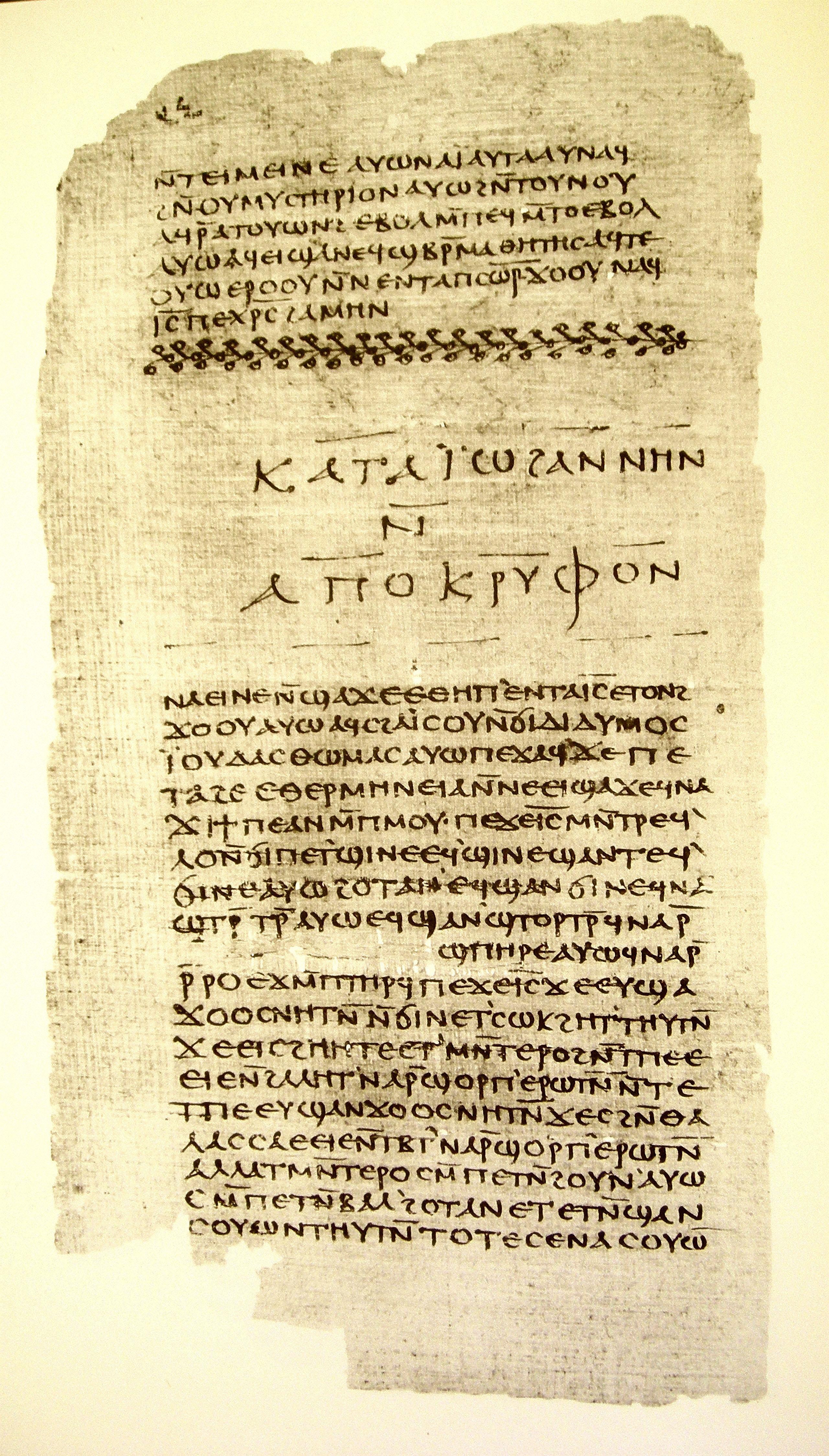
The Nag Hammadi codices, discovered in 1945 in upper Egypt, gave the modern world a window into the rich diversity of ancient Gnosticism. Popular culture has treated this as a suppressed alternative Christianity — a version of the faith that was politically eliminated. The actual theological stakes were far stranger and more important than a power struggle.
Gnosticism in its many forms shared a cluster of convictions: the material world is not good creation but a tragic accident or malicious project of a lesser deity (the demiurge); the true God is utterly transcendent and has nothing to do with matter; human beings are divine sparks imprisoned in flesh; salvation is not from sin but from ignorance, and comes through secret knowledge (gnosis) of one's divine origin; the Christ figure is a heavenly revealer who appeared to have a body but did not truly take on flesh — this last position is called Docetism, from the Greek word for 'to seem.'
Irenaeus of Lyon saw the problem with devastating clarity in his five-volume Against Heresies (c. 180 AD). If Christ only seemed to have a body, he did not actually die. If he did not actually die, there is no real atonement. If the material world is evil, then the resurrection of the body is not salvation but a curse. The entire logic of Christian redemption depends on the goodness of creation and the reality of the Incarnation — God truly becoming flesh, not appearing to do so.
Irenaeus' counter-argument was the doctrine of recapitulation: Christ 'sums up' all of human history and existence in himself, undoing at each point what Adam had done. The Incarnation is not an escape from matter but a redemption of matter. The resurrection is not the soul shedding its prison but the body being glorified. Creation is not a prison to escape but a home to be restored.
The appeal of Gnosticism has not vanished. It reappears whenever Christianity is reduced to inner spiritual experience, when the material world is treated as spiritually irrelevant, when the body and its resurrection are quietly dropped from the faith, and when Jesus becomes a teacher of enlightenment rather than a Savior who died and rose in history. The Church's answer to Gnosticism is not more mysticism but more flesh: 'The Word became flesh and dwelt among us.'
Continue Exploring
Gnosticism offered a Jesus who escaped the material world. Irenaeus spent twenty years explaining why that Jesus cannot save anyone.
The Studio Brief
Theology Delivered Weekly
Essays on the Fathers, sacred art, cosmology, and the hidden logic of Christian doctrine — sent directly to your inbox. No noise. No filler.
Weekly
Cadence
Free
Always
Patristic
Focus
Related
Browse Archive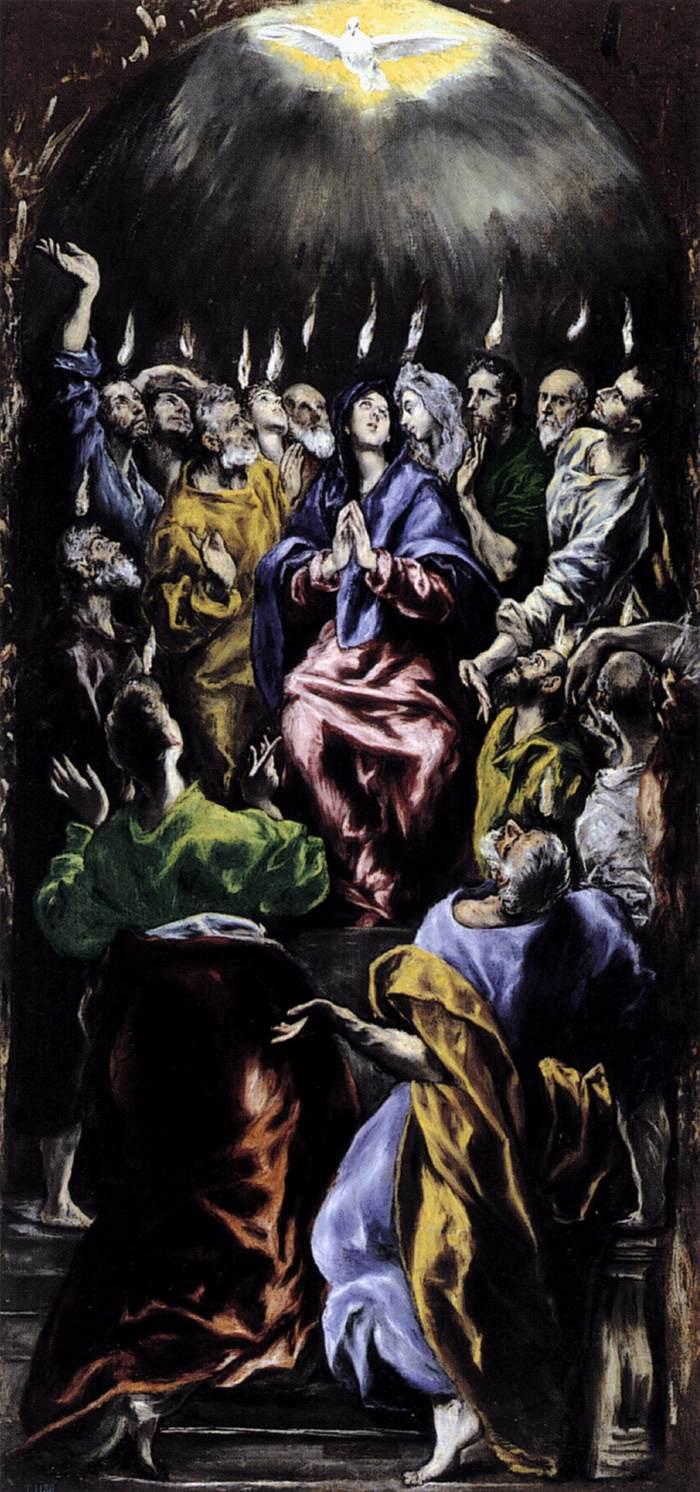
Read
Sacred Art
2026-05-22
The Apostolic Fire
Memory, martyrdom, and the visual language of witness.
Read
Christology
11 min read / 2026-05-17
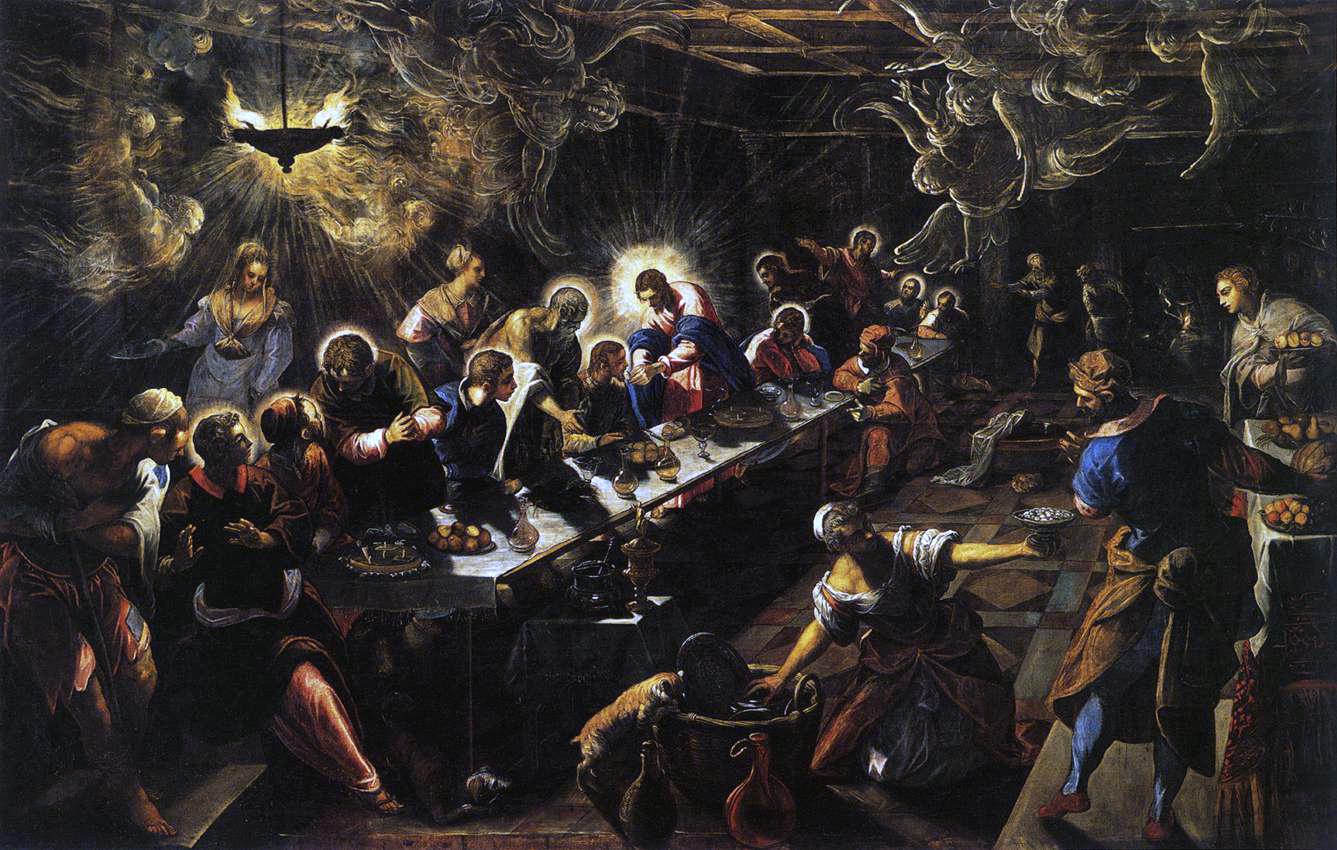
Why the Lord's Supper Divides Christians
The Eucharist is the most thoroughly attested practice of the earliest Church — and the single sacrament that has done the most to keep Christians apart. The reason is not pettiness. It is Christology.

Read
Christology
10 min read / 2026-05-17
The Jewish Roots of Christian Easter
Easter is not a Christian appropriation of pagan spring rites. It is the Christian fulfillment of the Jewish Passover — and the New Testament insists on this from its earliest layer.