Articlepublished
Caravaggio's Calling: The Moment Before Yes
By Christian Garces2026-05-154 min read
Release2026-05-15
Read time4 min read
The Room Where Everything Changed
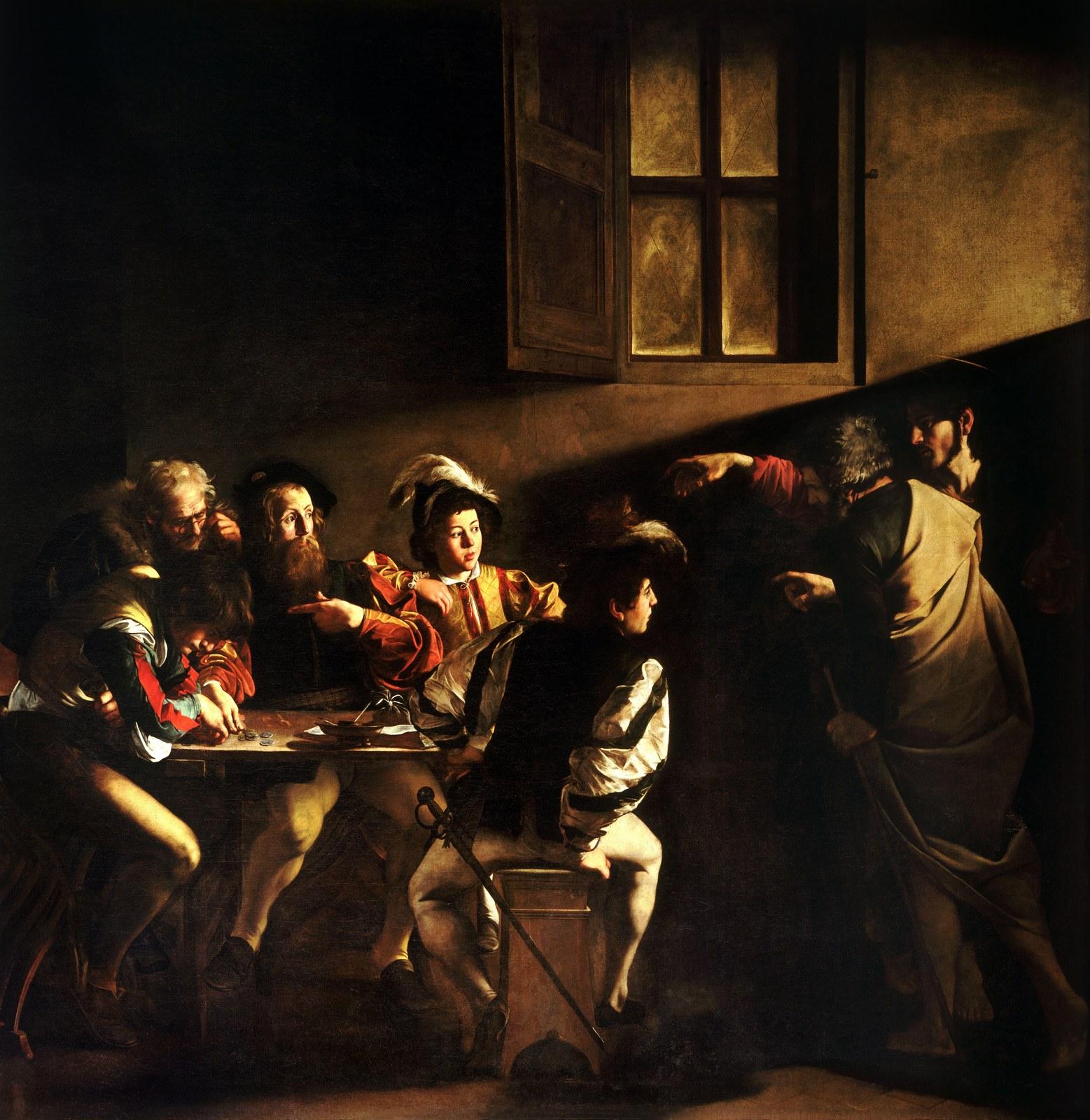
The scene is a Roman tavern, or something close to it. Five men are gathered around a rough table. Coins are being counted. The light is the flat, diffuse light of an interior on a working afternoon — nothing remarkable about it except that it is about to be split open. Caravaggio painted The Calling of Saint Matthew in 1600 for the Contarelli Chapel in the Church of San Luigi dei Francesi in Rome, where it still hangs. It is one of the most analyzed paintings in Western art. It is also one of the least understood in its theological depth.
What Caravaggio Did That No One Had Done Before
Earlier Renaissance painters had depicted Matthew's calling in the established visual language of miracle: golden light, architectural grandeur, figures in classical poses. Caravaggio stripped all of this away. His Matthew is not a figure in a sacred drama. He is a tax collector at work, surrounded by associates who look like they have never thought about God in their lives. The room is unbeautiful. The clothes are contemporary — 1600, not 30 AD. The coins are real coins.
This was a theological decision before it was an aesthetic one. Caravaggio had read the text. Matthew 9:9 says only this: "As Jesus went on from there, he saw a man named Matthew sitting at the tax collector's booth. 'Follow me,' he told him, and Matthew got up and followed him." No fanfare. No miracle visible to the eye. A man at work, a word spoken, a decision made. Caravaggio painted the actual event, not the devotional image of the event.
The Gesture That Contains the Gospel
The painting is built around two hands. On the right, Christ's arm extends into the composition — barely visible, partly hidden behind Peter who accompanies him. The hand points across the room in a gesture that echoes directly, and certainly deliberately, the hand of God in Michelangelo's Sistine ceiling. On the left, Matthew's own hand mirrors the gesture, pointing to himself in a motion that reads simultaneously as "who, me?" and "yes, me." The diagonal line between these two hands is the theological spine of the painting. It is a line of call and recognition, of divine initiative and human response.
The light follows the same diagonal. It enters from the right — from the direction of Christ — and falls across the figures at the table, illuminating some and leaving others in shadow. This is Caravaggio's signature chiaroscuro: not light as illumination but light as election. The light does not fall equally. It falls where Christ is looking. The rest of the room remains in darkness — not dramatically, not obviously, but enough. There are men at this table who will not be called today. The light does not touch them. The light is the call.
Matthew's Face
Which figure is Matthew? Art historians have debated this for centuries. The most common reading identifies him as the bearded man in the center-left, his hand raised in the "who, me?" gesture. Another reading places him as the young man at the far left, head bowed over the coins, not yet looking up — the only figure not yet aware of the intrusion. This ambiguity is almost certainly intentional. Caravaggio was not interested in historical identification. He was interested in the moment of call before the answer is given — the suspended instant between the word spoken and the life changed.
If Matthew has not yet looked up, then the painting captures something specific: the moment before obedience. The moment when the word has been spoken but the soul has not yet turned. This is the most intimate moment in the calling narrative, and the hardest to depict: not the dramatic yes, but the breath before it. Caravaggio held his brush at that breath and stopped.
The Ordinary as the Site of the Sacred
What Caravaggio understood — what the Incarnation demands we understand — is that God does not meet us in places we have prepared for him. He met Matthew in a tax office. He met Peter on a fishing boat. He met Paul on a road, in dust, in the middle of a mission to do violence to Christians. The Incarnation is the doctrine that the eternal Word entered the specific, the ordinary, the unglamorous. Caravaggio painted this doctrine. His tavern is not a sacred space made to receive a divine visitor. It is a working room that has just become, without warning, the location of a divine call.
This is why the painting still arrests viewers who know nothing about its theology. The chiaroscuro is not just technique — it is the visual language for a moment when ordinary light is suddenly, silently restructured by a presence that ordinary light cannot account for. You do not need to know who Matthew is to feel what is happening in that room. Something has entered. Everything is about to change. One man has not looked up yet. And the question the painting leaves hanging in the air — the question Caravaggio will not resolve for you — is whether he will.
Continue Exploring
Caravaggio painted The Calling of Saint Matthew in 1600. He hid the miracle inside an ordinary room, in ordinary light, with ordinary men — and that is the point.
The Studio Brief
Theology Delivered Weekly
Essays on the Fathers, sacred art, cosmology, and the hidden logic of Christian doctrine — sent directly to your inbox. No noise. No filler.
Weekly
Cadence
Free
Always
Patristic
Focus
Related
Browse Archive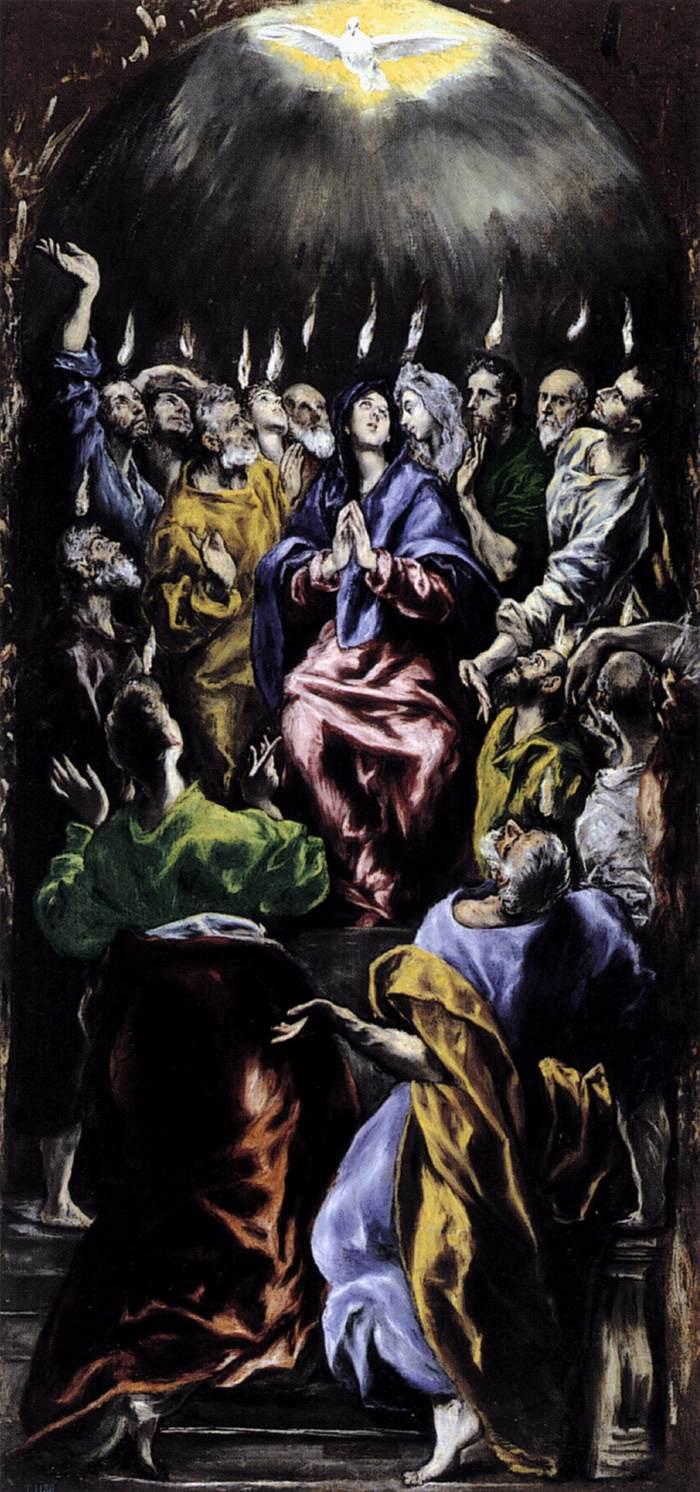
Read
Sacred Art
2026-05-22
The Apostolic Fire
Memory, martyrdom, and the visual language of witness.
Read
Christology
11 min read / 2026-05-17
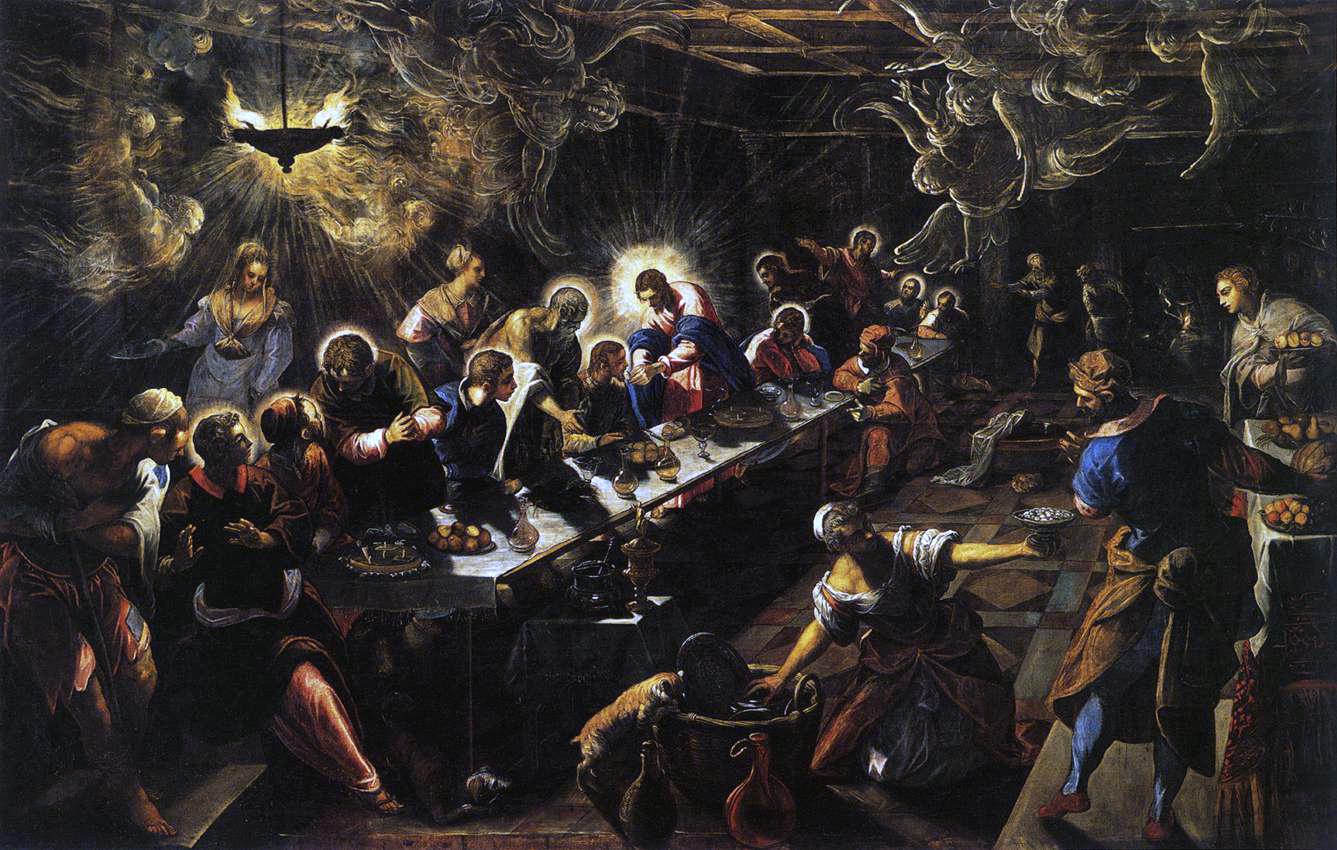
Why the Lord's Supper Divides Christians
The Eucharist is the most thoroughly attested practice of the earliest Church — and the single sacrament that has done the most to keep Christians apart. The reason is not pettiness. It is Christology.
Read
Christology
10 min read / 2026-05-17
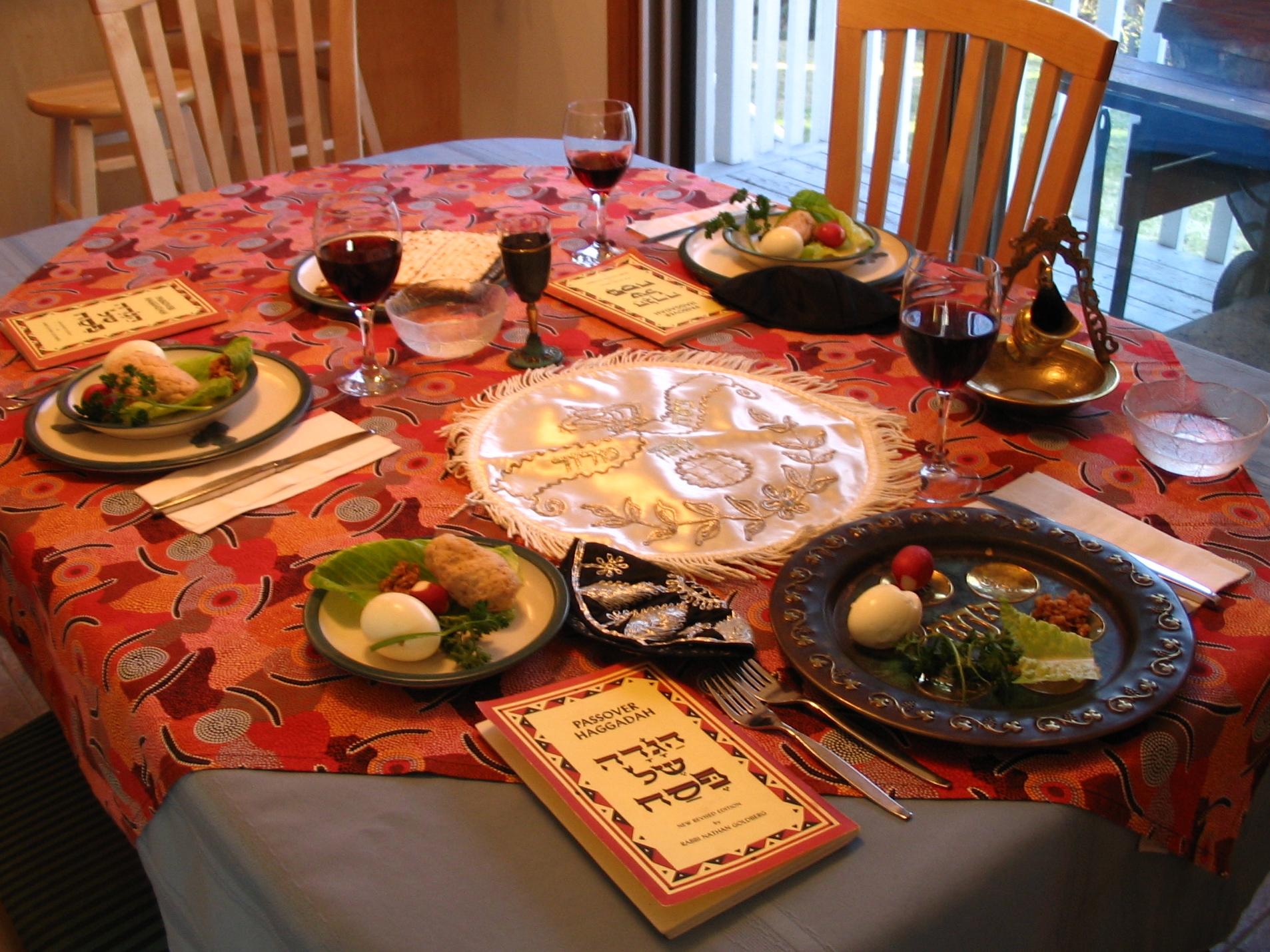
The Jewish Roots of Christian Easter
Easter is not a Christian appropriation of pagan spring rites. It is the Christian fulfillment of the Jewish Passover — and the New Testament insists on this from its earliest layer.