Articlepublished
Hagia Sophia: When Architecture Became Theology
By Christian Garces2026-05-153 min read
Release2026-05-15
Read time3 min read
The Problem of the Dome
When the Emperor Justinian commissioned the rebuilding of the Hagia Sophia in 532 AD after the Nika riots, he was not simply commissioning a large church. He was commissioning a theological statement in stone, brick, and light. The architects Anthemius of Tralles and Isidorus of Miletus were mathematicians as much as builders, and the structural problem they solved — how to seat an enormous dome on a rectangular base without visible supports — was as much a conceptual as an engineering achievement. The dome appears to float. That appearance was the point.
Light as Theology
The dome of the Hagia Sophia is ringed at its base by forty windows, so closely spaced that the dome appears to rest on a band of light rather than on solid material. The effect on the interior is extraordinary: the massive weight of the dome above seems suspended from above rather than supported from below. Procopius of Caesarea, the court historian who witnessed the original dedication in 537, wrote that the dome appeared "suspended from heaven by a golden chain." This was not merely poetic description. It captured the theological intention of the designers: the building was meant to embody the point where heaven and earth meet — where the transcendent God who needs no house (as Solomon says at the dedication of the Temple) nevertheless chooses to be present.
The Theology of Enclosure
Byzantine church architecture followed a liturgical theology worked out over centuries. The church was not an auditorium but a cosmos in miniature. The dome represented heaven; the nave represented earth; the apse pointed east toward the rising sun and the coming Kingdom. To enter the church was to enter a transformed space — the same physical world but re-ordered around its true center. The iconostasis, the screen of icons separating nave from sanctuary, was not a wall of exclusion but a boundary between the visible and invisible that declared both were real and that the liturgy was the place where they met.
Hagia Sophia and the Incarnation
The dedication of the Hagia Sophia is to the Holy Wisdom — Hagia Sophia — which in the Byzantine tradition was identified with the second person of the Trinity, the Logos of John 1. The building that bears that name is not named for an abstract quality but for a person. Christ is the wisdom of God (1 Corinthians 1:24), in whom are hidden all the treasures of wisdom and knowledge (Colossians 2:3). A church dedicated to the Holy Wisdom is a building whose every stone is an act of Christological confession. The light flooding through the dome windows is not merely beautiful. It is a statement: the Logos who is the light of the world (John 1:9; 8:12) has taken a house in the middle of the city, and the building itself is the sermon.
What Was Lost and What Remains
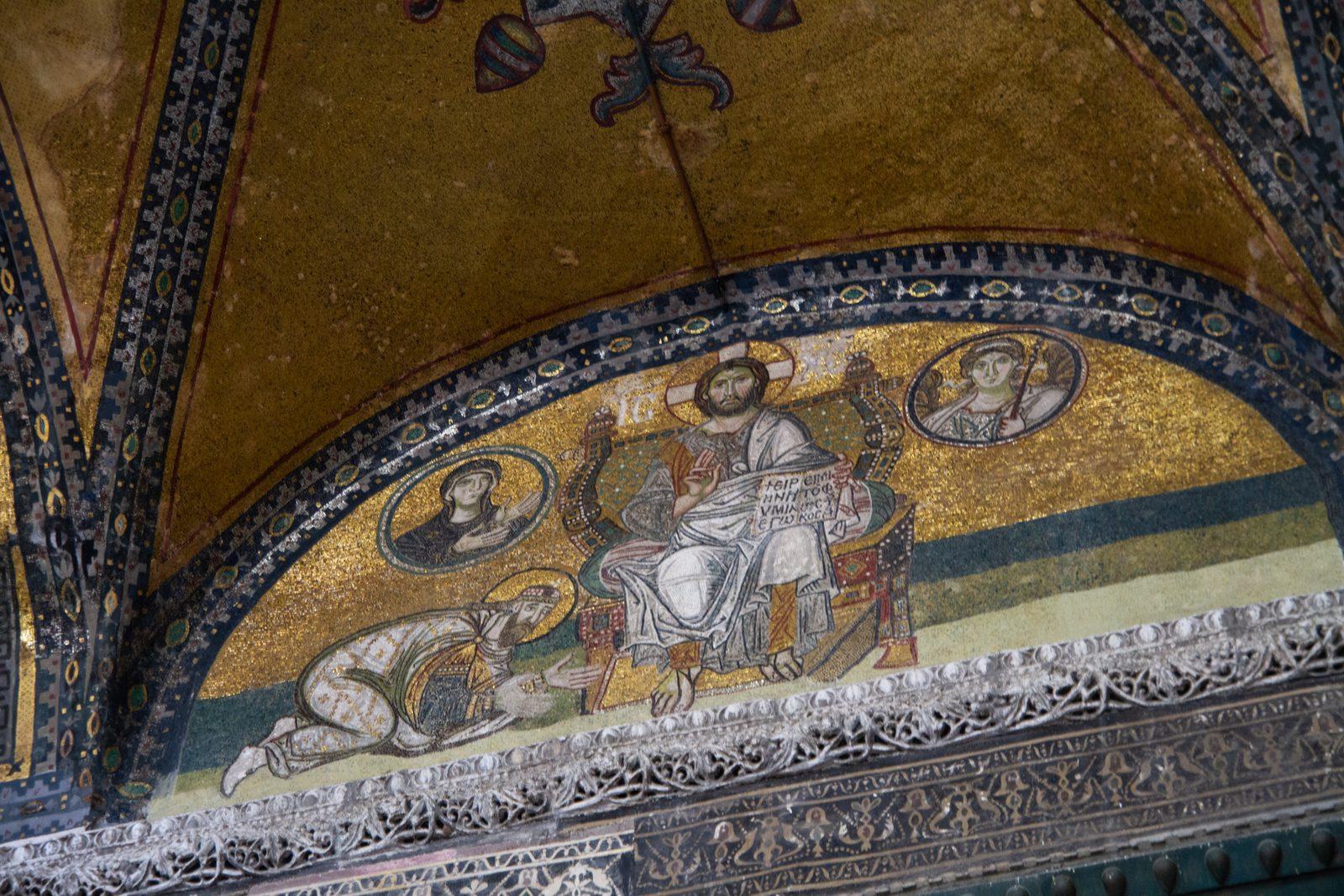
Hagia Sophia was converted to a mosque in 1453 following the Ottoman conquest of Constantinople, and its mosaics — including the great Pantocrator in the dome — were plastered over. Some mosaics have since been uncovered, and others survive in the fragments visible today. In 2020 it was reconverted from a museum to a mosque, ending the decades during which all religious communities could enter freely. What remains is the architecture itself, and the architecture still does what it was designed to do: it makes the problem of transcendence and presence feel not like an abstraction but like a place you can stand in. That is the highest thing architecture can accomplish, and it has not been taken away.
Continue Exploring
Justinian's architects solved a problem no one had solved before: how to suspend a dome weightlessly above a vast rectangular nave. The result was a building that did not illustrate Christian theology. It enacted it.
The Studio Brief
Theology Delivered Weekly
Essays on the Fathers, sacred art, cosmology, and the hidden logic of Christian doctrine — sent directly to your inbox. No noise. No filler.
Weekly
Cadence
Free
Always
Patristic
Focus
Related
Browse Archive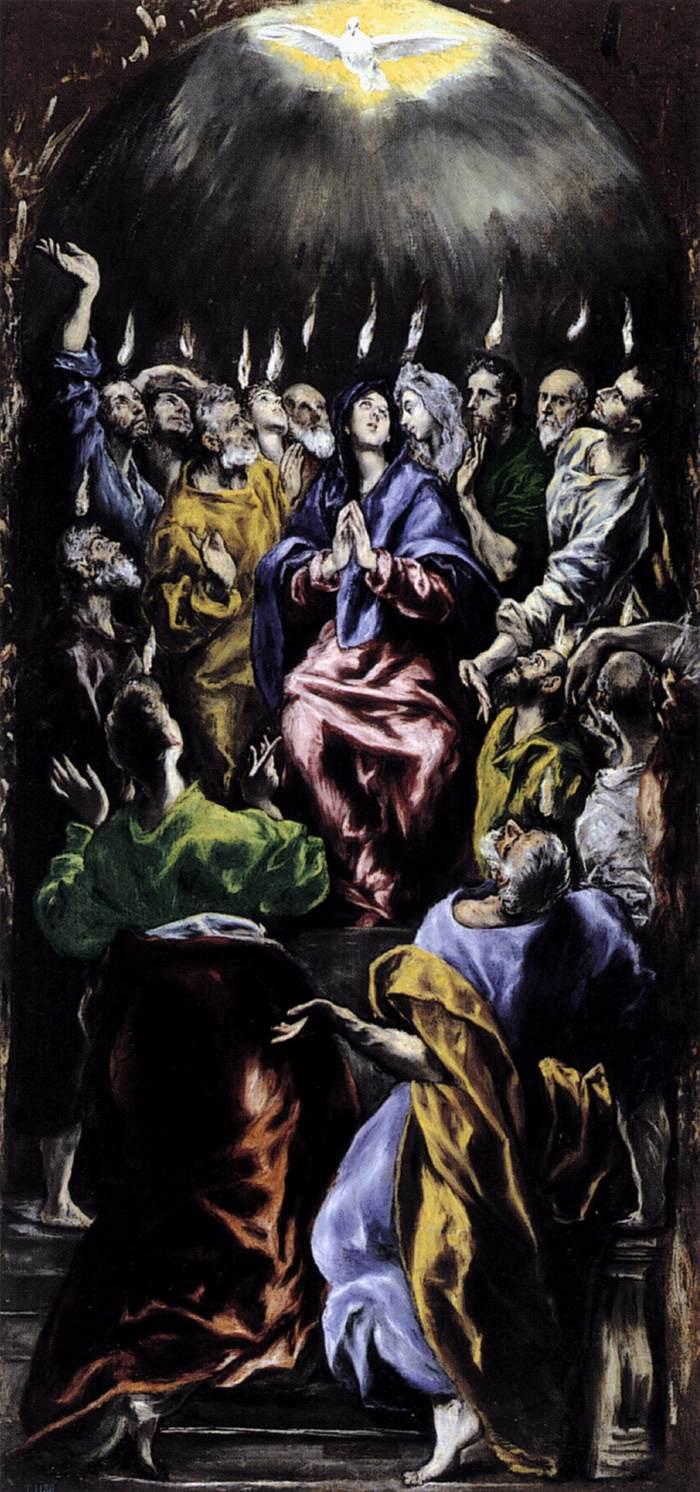
Read
Sacred Art
2026-05-22
The Apostolic Fire
Memory, martyrdom, and the visual language of witness.
Read
Christology
11 min read / 2026-05-17
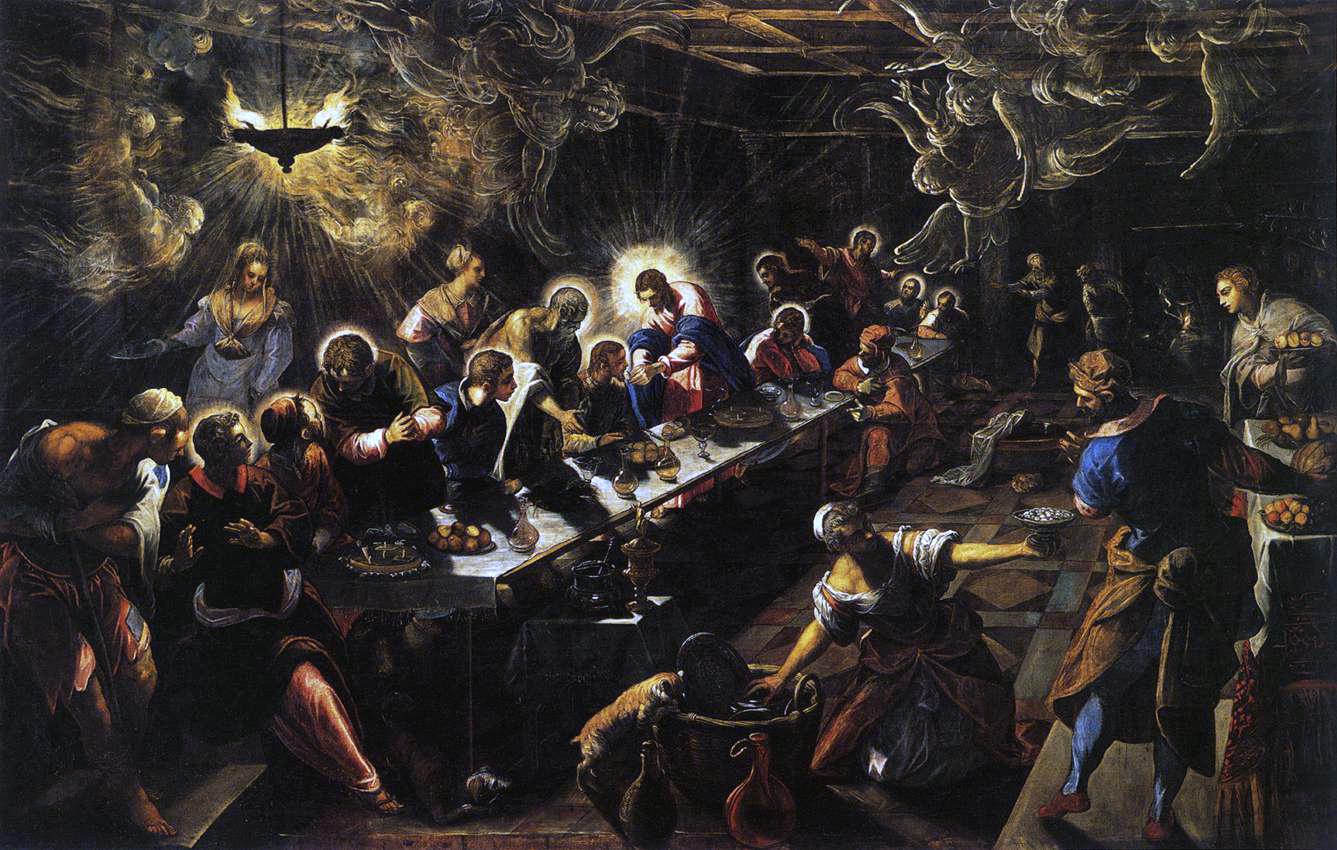
Why the Lord's Supper Divides Christians
The Eucharist is the most thoroughly attested practice of the earliest Church — and the single sacrament that has done the most to keep Christians apart. The reason is not pettiness. It is Christology.
Read
Christology
10 min read / 2026-05-17
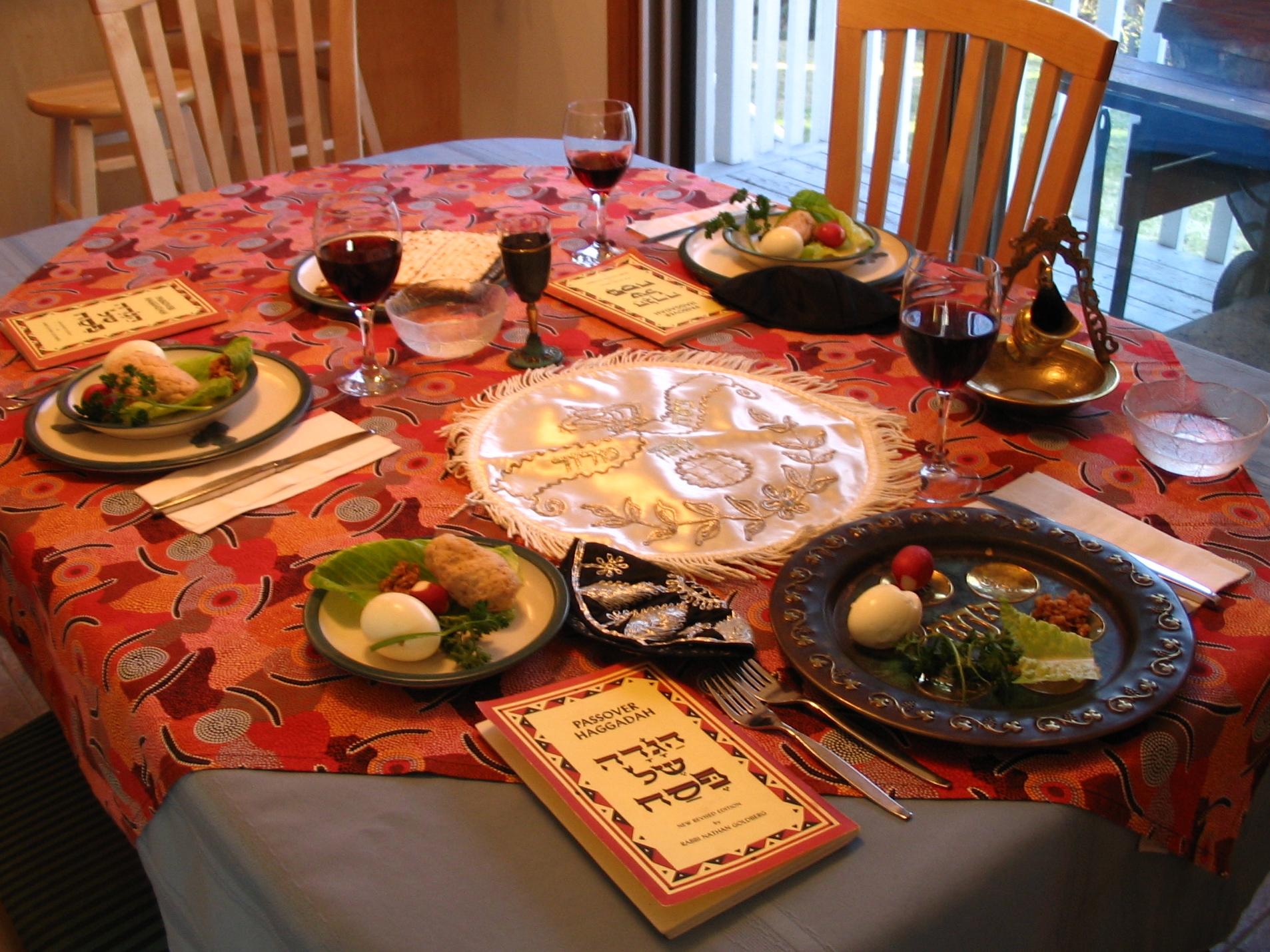
The Jewish Roots of Christian Easter
Easter is not a Christian appropriation of pagan spring rites. It is the Christian fulfillment of the Jewish Passover — and the New Testament insists on this from its earliest layer.