Articlepublished
Christ Pantocrator: The Face That Refuses to Flatter
By Christian Garces2026-05-152 min read
Release2026-05-15
Read time2 min read
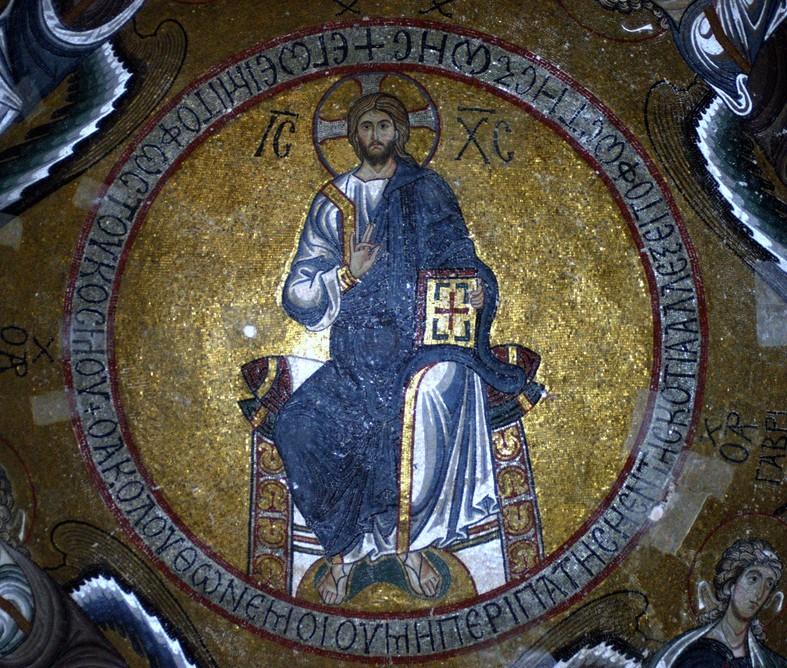
Pantocrator: Ruler of All
The word Pantocrator means Ruler of All, or All-Sovereign — a translation of the Hebrew Shaddai that first appears in the Septuagint and runs through the New Testament's Apocalypse, where it is applied to God nine times. When Byzantine artists placed the Pantocrator in the central dome of a church — as at the monastery of Daphni in Greece, circa 1100 AD — they were not choosing a decorative motif. They were making a theological claim about the space beneath that dome: every person who entered was entering the presence of the one who holds all things in his hand.
The Asymmetrical Face
The Daphni Pantocrator is famous for its asymmetry. The left half of Christ's face (from the viewer's left) is stern, the brow furrowed, the gaze bearing down. The right half is more gentle, the expression softer, almost merciful. Art historians have debated the interpretation, but the theological reading is the oldest and most consistent: Christ comes both as judge and as savior, both as the one who holds all creation to account and as the one who intercedes on its behalf. The asymmetry is not a flaw in execution. It is a theological decision in pigment — the two aspects of the divine economy held together in a single face.
The Gesture of the Hand
Christ's right hand is raised in the traditional gesture of blessing — but the fingers are arranged in a specific configuration that has its own theological grammar. The thumb and two outer fingers form an abbreviation of the Greek letters IC XC (Iesous Christos — Jesus Christ), while the two inner fingers crossed over form the Greek letter X and the curve of C. Every blessing given by an Orthodox priest to this day uses this same hand position. To receive the blessing is to receive the name — and the name is the person.
The Book
In his left hand, Christ typically holds a book — the Gospels, or sometimes the Book of Life from Revelation. At Daphni the book is closed; in other versions it is open to a verse, most commonly John 8:12 ("I am the light of the world") or Matthew 11:28 ("Come to me, all who are weary"). The closed book is the more austere reading: the word has been spoken; the judgment is coming. The open book is the more pastoral: the word is still being offered; there is still time. Byzantine artists chose between these versions depending on the liturgical context of the space.
Why the Image Unsettles
Modern Western Christianity has largely preferred images of Jesus that emphasize tenderness, accessibility, and gentleness. The Pantocrator offers none of this. The figure in the dome does not invite you to imagine a personal friendship. He confronts you with a sovereign authority that does not adjust itself to your comfort. This is not cruelty. It is a corrective. The Pantocrator is the visual antidote to every reduction of Christ to a therapeutic figure, a life-coach, or a gentle sage. He is, as C.S. Lewis had Aslan: not safe, but good. The mosaic does not let you forget which one of you is God.
Continue Exploring
The Pantocrator mosaic at Daphni is the most unsettling image in Byzantine art. That is entirely the point. It depicts not the Jesus of modern devotional imagination but the Judge of the living and the dead.
The Studio Brief
Theology Delivered Weekly
Essays on the Fathers, sacred art, cosmology, and the hidden logic of Christian doctrine — sent directly to your inbox. No noise. No filler.
Weekly
Cadence
Free
Always
Patristic
Focus
Related
Browse Archive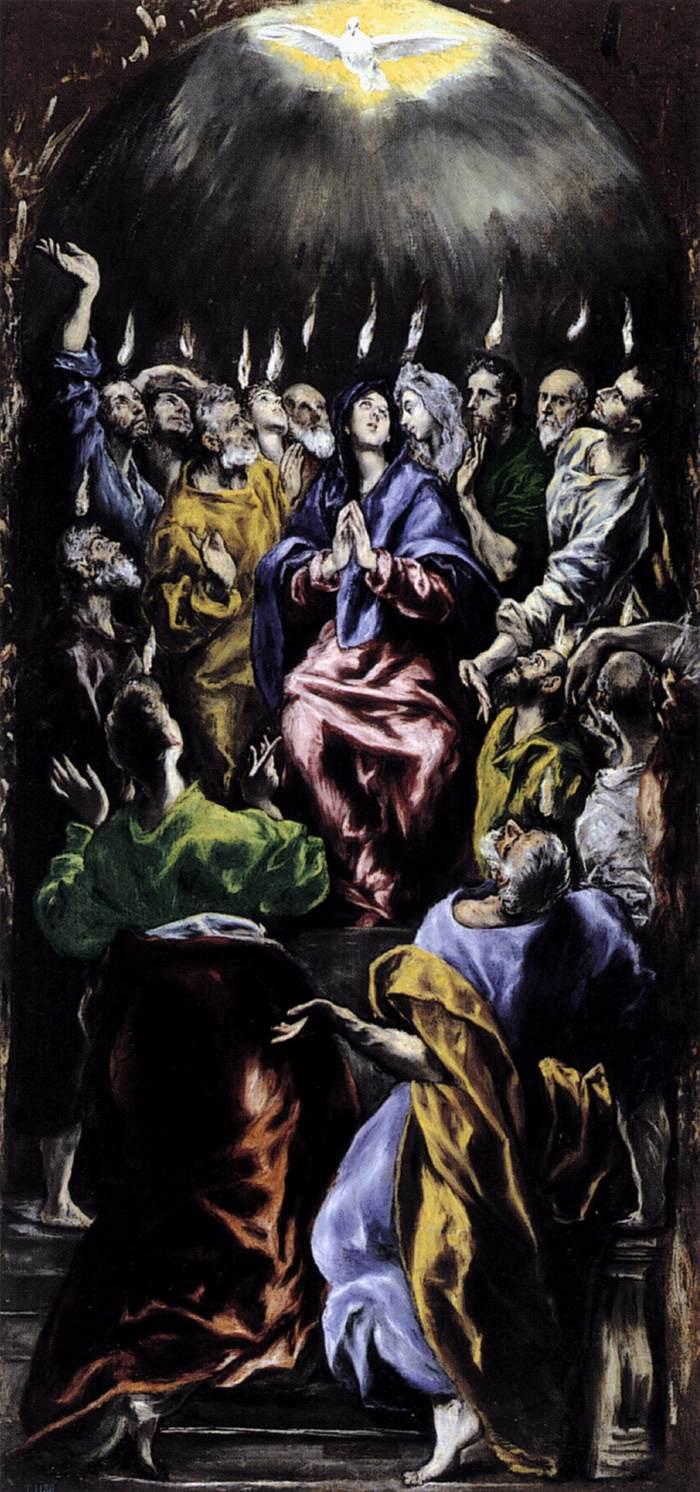
Read
Sacred Art
2026-05-22
The Apostolic Fire
Memory, martyrdom, and the visual language of witness.
Read
Christology
11 min read / 2026-05-17
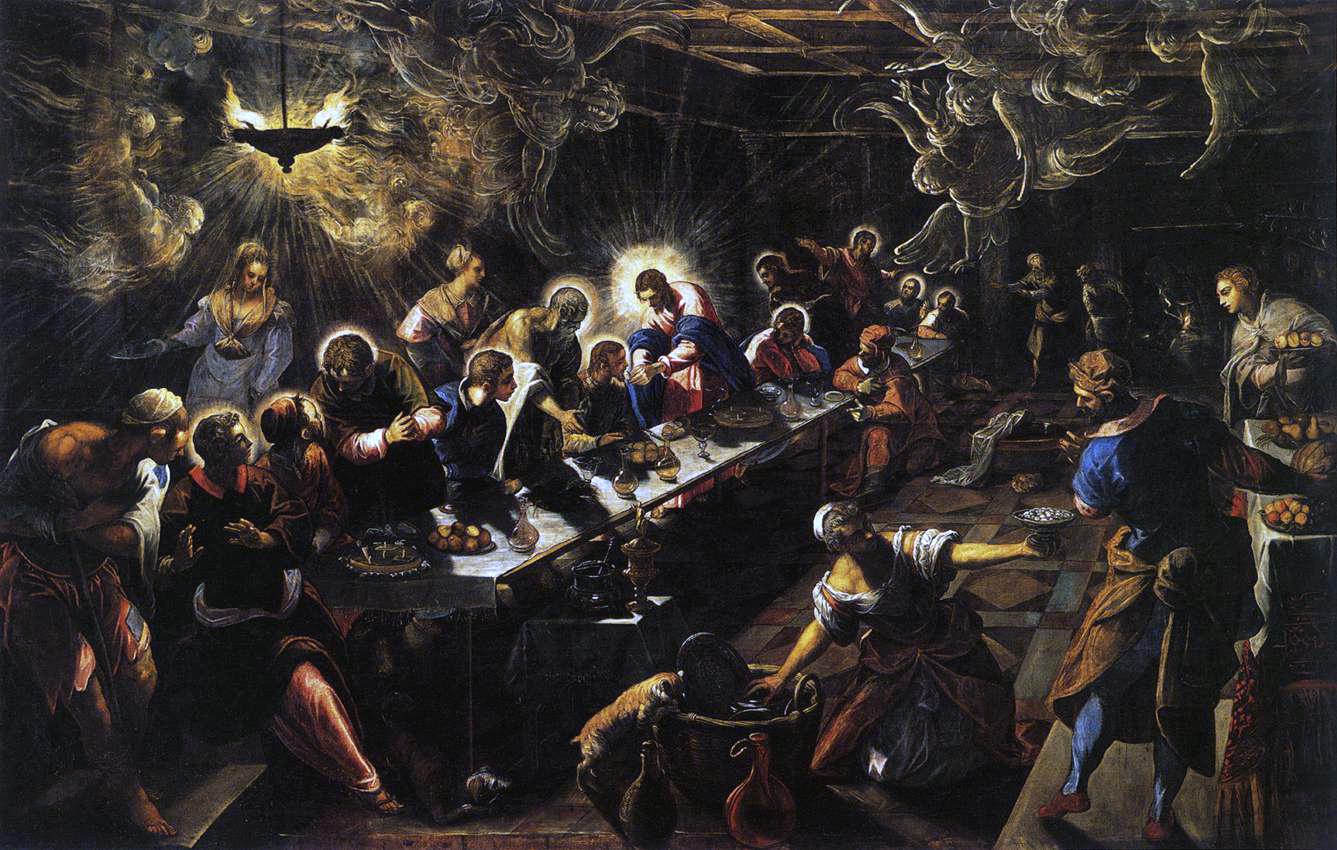
Why the Lord's Supper Divides Christians
The Eucharist is the most thoroughly attested practice of the earliest Church — and the single sacrament that has done the most to keep Christians apart. The reason is not pettiness. It is Christology.
Read
Christology
10 min read / 2026-05-17
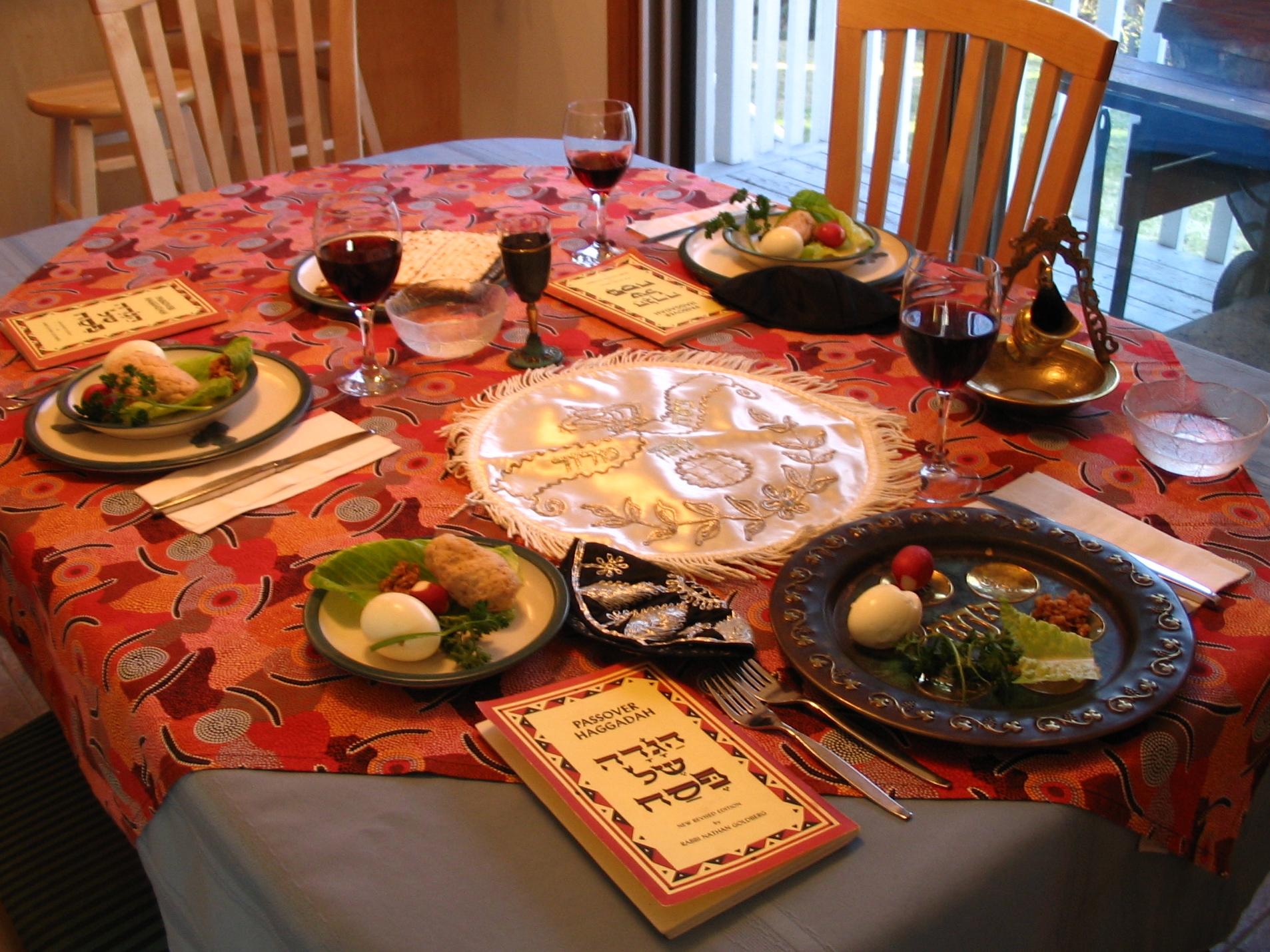
The Jewish Roots of Christian Easter
Easter is not a Christian appropriation of pagan spring rites. It is the Christian fulfillment of the Jewish Passover — and the New Testament insists on this from its earliest layer.