Articlepublished
Rublev's Trinity: The Icon That Stopped the Theologians
By Christian Garces2026-05-152 min read
Release2026-05-15
Read time2 min read
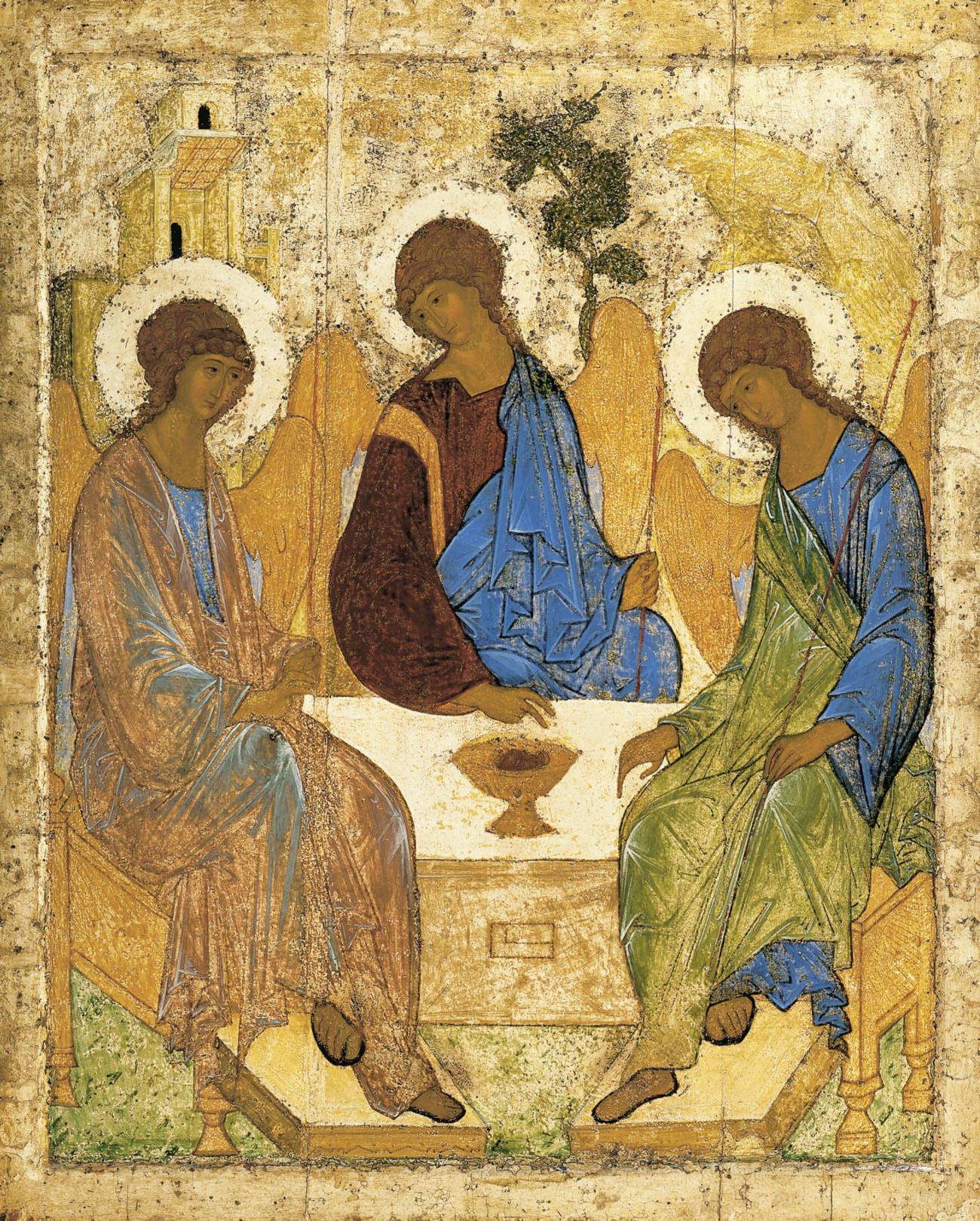
The Three Who Are One
Andrei Rublev painted the Trinity around 1425 AD, probably for the monastery of the Trinity–Saint Sergius north of Moscow. It depicts three angelic figures seated around a table on which rests a single cup — the same three angels who appeared to Abraham at Mamre in Genesis 18, who the Church has read from the earliest centuries as a prefiguration of the Holy Trinity. Rublev did not merely illustrate a Bible story. He produced what many theologians and art historians consider the highest achievement of Christian visual theology.
The Grammar of the Image
The three figures are differentiated by color but unified in posture. They incline toward one another in a circular movement — each leaning in the direction of the next — so that the eye of the viewer traces an unbroken circle around the table. This is not aesthetic decoration. It is a visual statement about perichoresis, the mutual indwelling of the three persons of the Trinity that Maximus the Confessor and later John of Damascus developed as the defining grammar of Trinitarian theology. The three are not three individuals gathered around a table. They are three expressions of a single movement of love.
The Cup at the Center
The chalice on the table contains what appears to be a sacrificial animal — the calf of the Mamre meal in the narrative, but visually unmistakable as a reference to the Eucharist and the sacrifice of Christ. It is placed at the geometric center of the composition. The Trinity is not an abstract metaphysical arrangement; it is the source from which the economy of salvation flows. The cup is the hinge between eternal divine life and the history in which that life breaks open for human beings. To look at the icon long enough is to understand why the Eucharist is not a symbol but a participation.
The Empty Space
One of the most analyzed features of the Trinity icon is the open space at the front of the table — the side facing the viewer. The three figures are arranged on three sides. The fourth is open. This is almost certainly intentional: the viewer is invited into the circle. The icon is not a window through which you observe the Trinity from a distance. It is an opening into which you are drawn. This is the logic of theosis — the Orthodox doctrine of human participation in the divine life — made visible in geometry.
What Rublev Could Not Have Known
Rublev was a monk. He painted in silence, after prayer, according to a tradition that had been developing for centuries. He did not have access to the photographic reproduction, the art-historical commentary, or the digital zoom that modern viewers bring to his work. What he had was the liturgy, the Scriptures, the Fathers, and the disciplined attention of a man who had spent his life looking at what his tradition taught him to look at. The result is an icon that has prompted more theological reflection than most volumes of systematic theology. That is not an accident. It is the measure of how deeply a tradition, faithfully inhabited, can see.
Continue Exploring
Andrei Rublev painted the Trinity around 1425 AD. Theologians have been unable to exhaust it since. This is not a compliment to the art. It is a statement about the subject.
The Studio Brief
Theology Delivered Weekly
Essays on the Fathers, sacred art, cosmology, and the hidden logic of Christian doctrine — sent directly to your inbox. No noise. No filler.
Weekly
Cadence
Free
Always
Patristic
Focus
Related
Browse Archive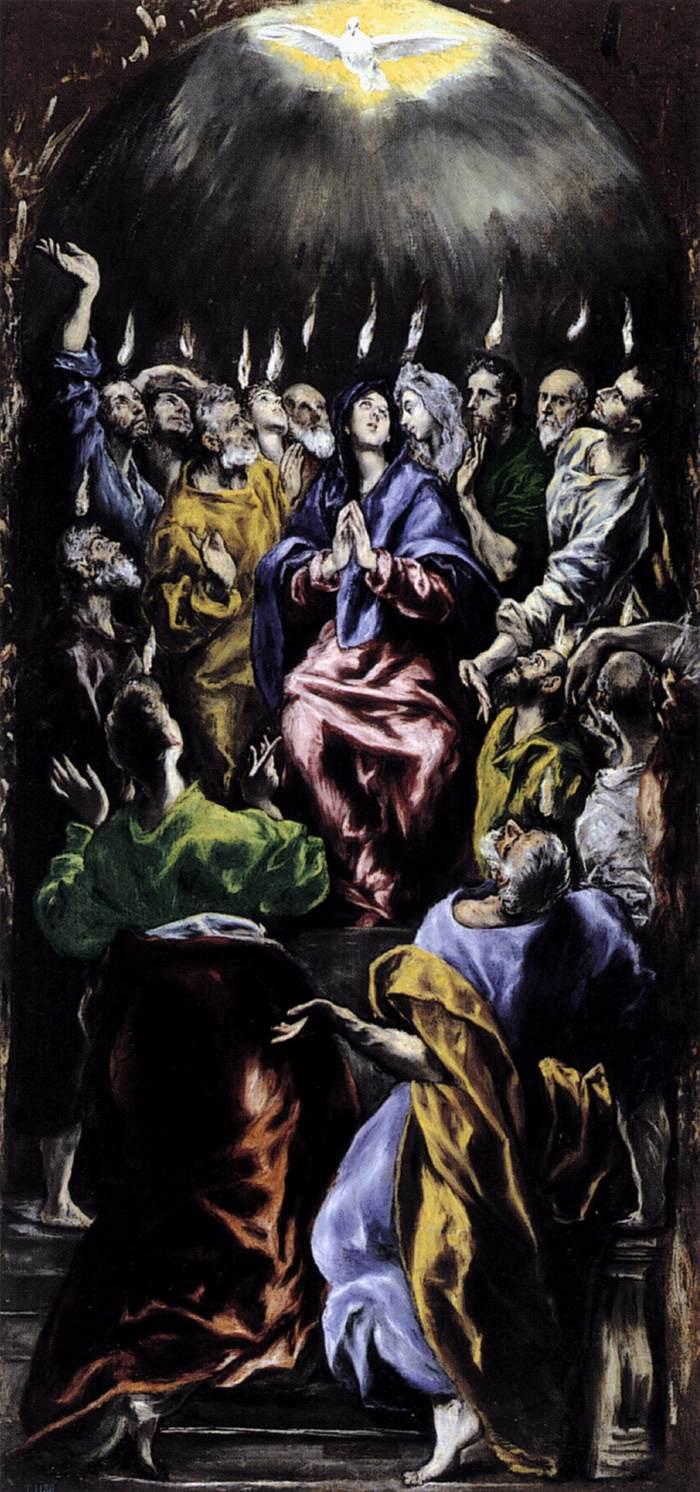
Read
Sacred Art
2026-05-22
The Apostolic Fire
Memory, martyrdom, and the visual language of witness.
Read
Christology
11 min read / 2026-05-17
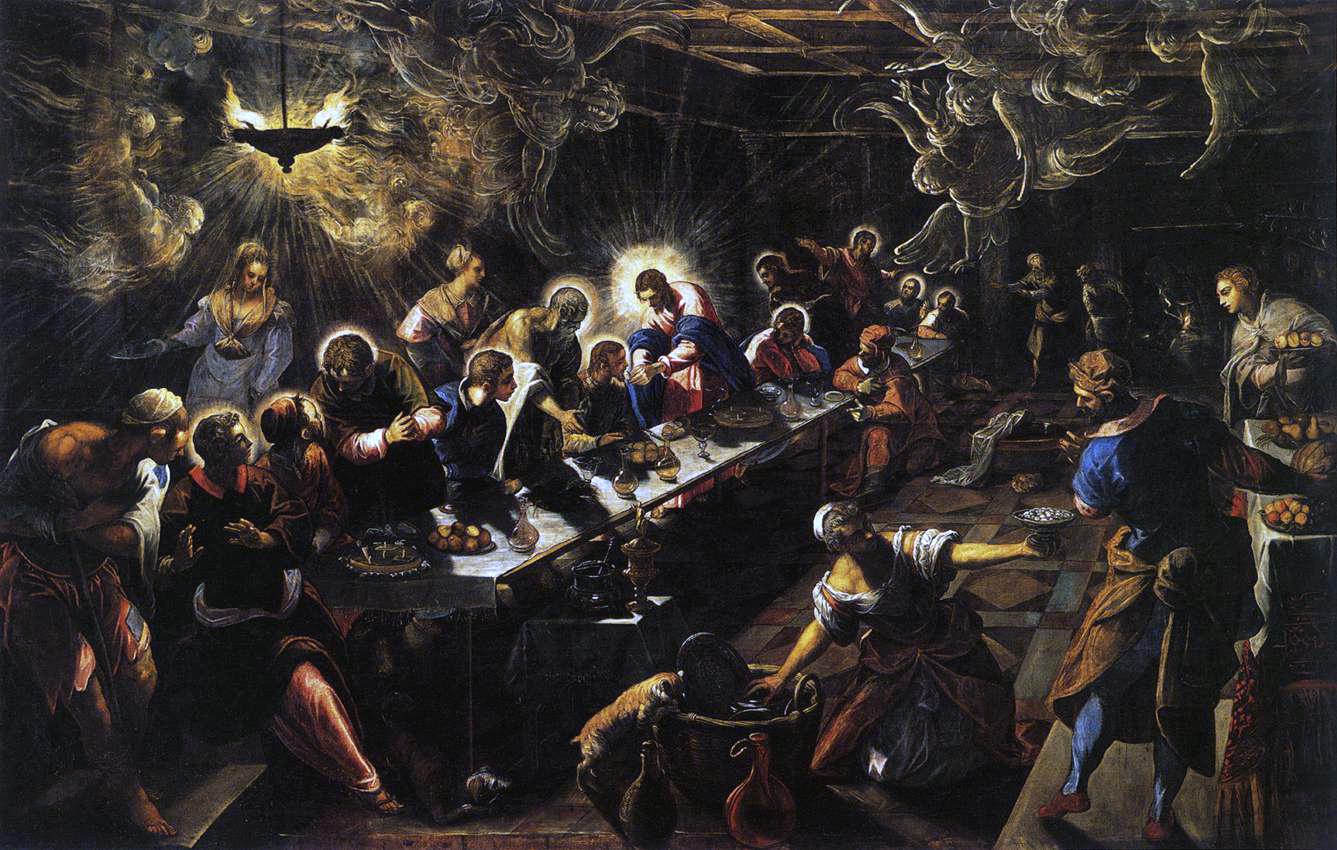
Why the Lord's Supper Divides Christians
The Eucharist is the most thoroughly attested practice of the earliest Church — and the single sacrament that has done the most to keep Christians apart. The reason is not pettiness. It is Christology.
Read
Christology
10 min read / 2026-05-17
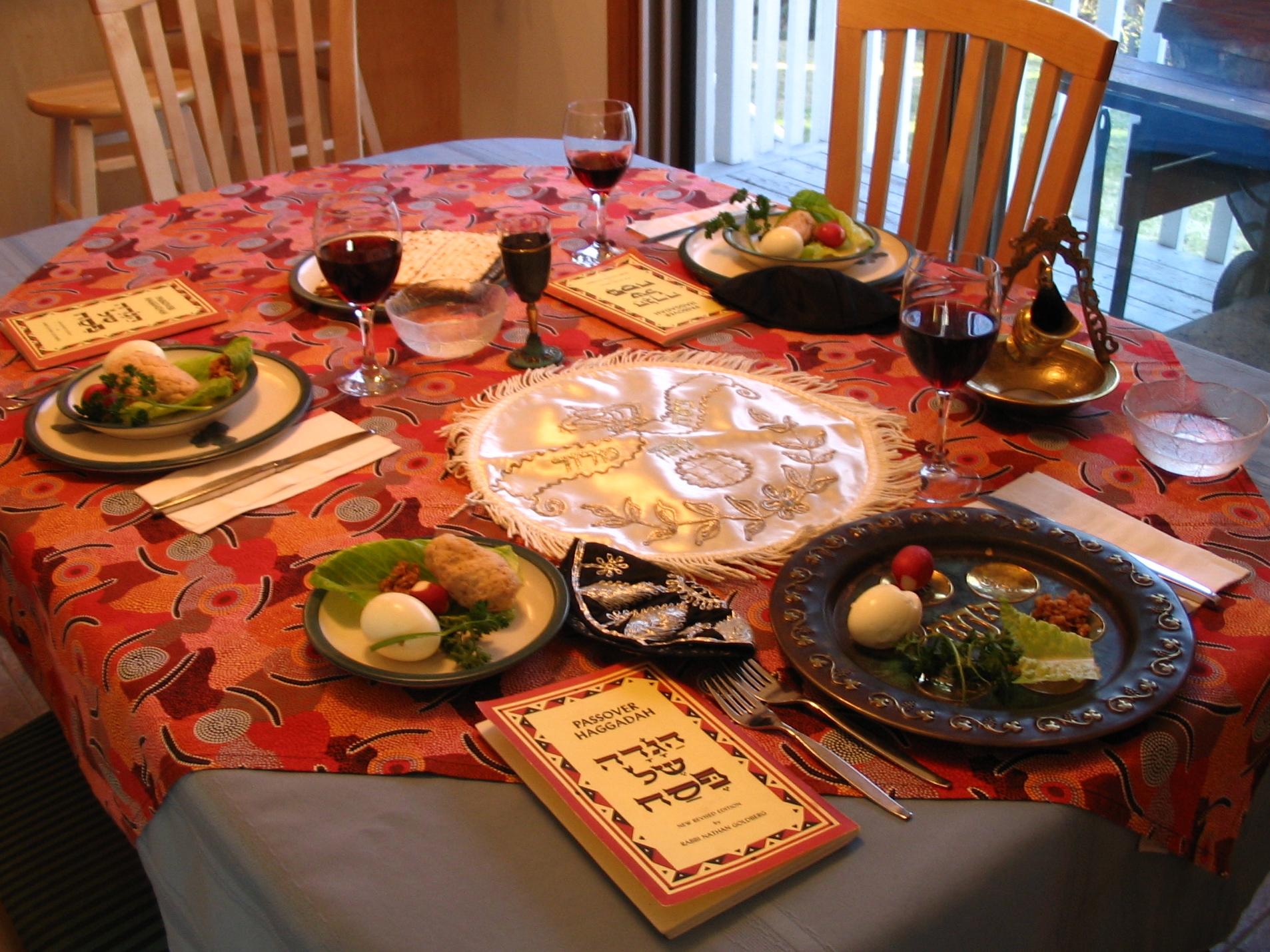
The Jewish Roots of Christian Easter
Easter is not a Christian appropriation of pagan spring rites. It is the Christian fulfillment of the Jewish Passover — and the New Testament insists on this from its earliest layer.