Articlepublished
Christus Victor: The Atonement Model the West Forgot
By Christian Garces2026-05-153 min read
Release2026-05-15
Read time3 min read
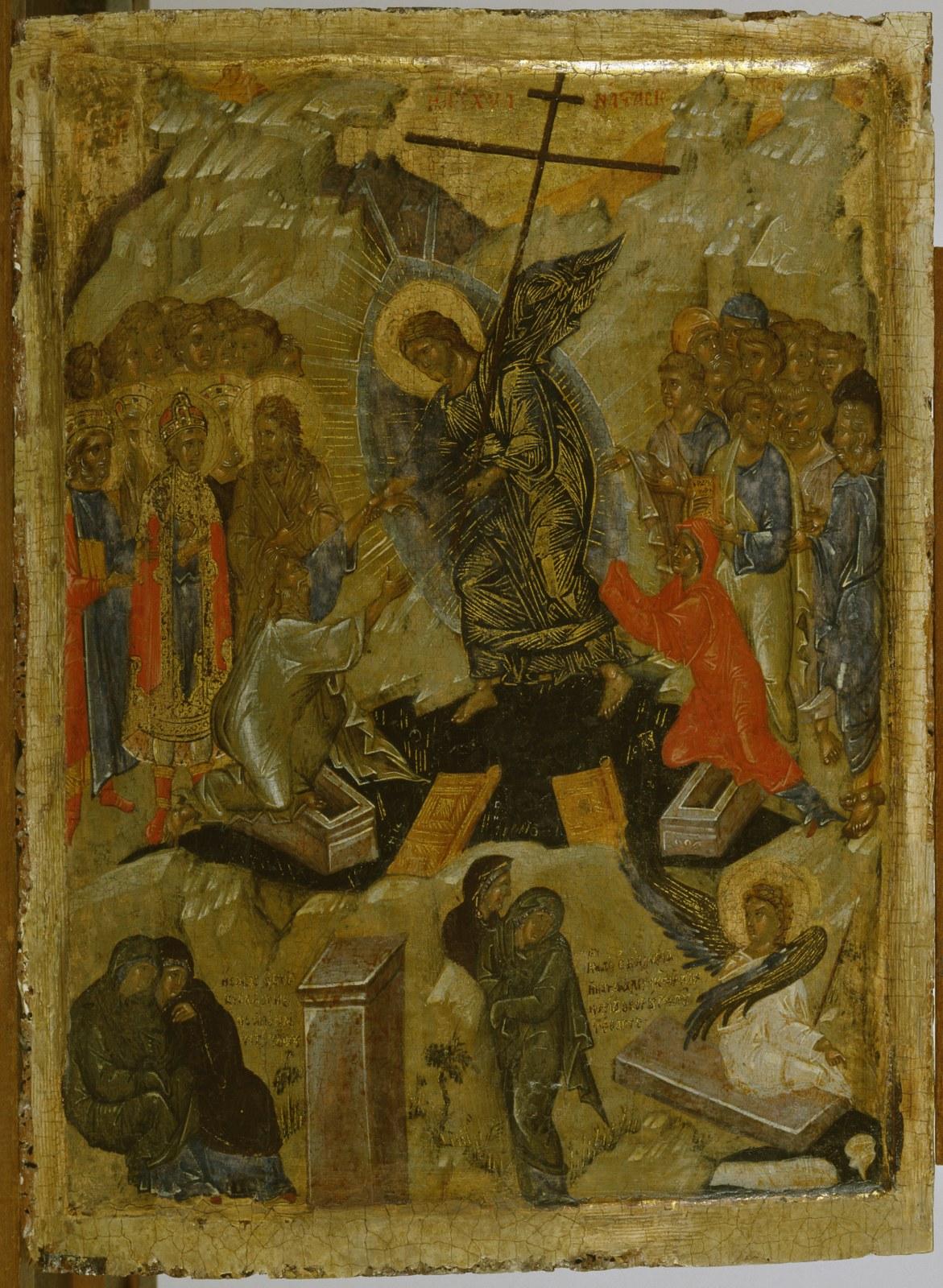
The Cross as Invasion
Gustaf Aulén's 1931 work Christus Victor did not invent a new theory of the atonement. It recovered the oldest one. Aulén argued, with substantial patristic evidence, that the dominant understanding of the cross in the early Church was not a legal transaction between the Father and the Son but a cosmic military victory — God in Christ invading the domain of sin, death, and the devil, and defeating them from the inside.
This reading is not difficult to find in the New Testament itself. Colossians 2:15 describes the cross as the moment when God 'disarmed the rulers and authorities and put them to open shame, triumphing over them in him.' John 12:31 quotes Jesus: 'Now is the judgment of this world; now will the ruler of this world be cast out.' Hebrews 2:14 says Christ became flesh 'that through death he might destroy the one who has the power of death, that is, the devil.' The language is consistently military, cosmic, and victorious.
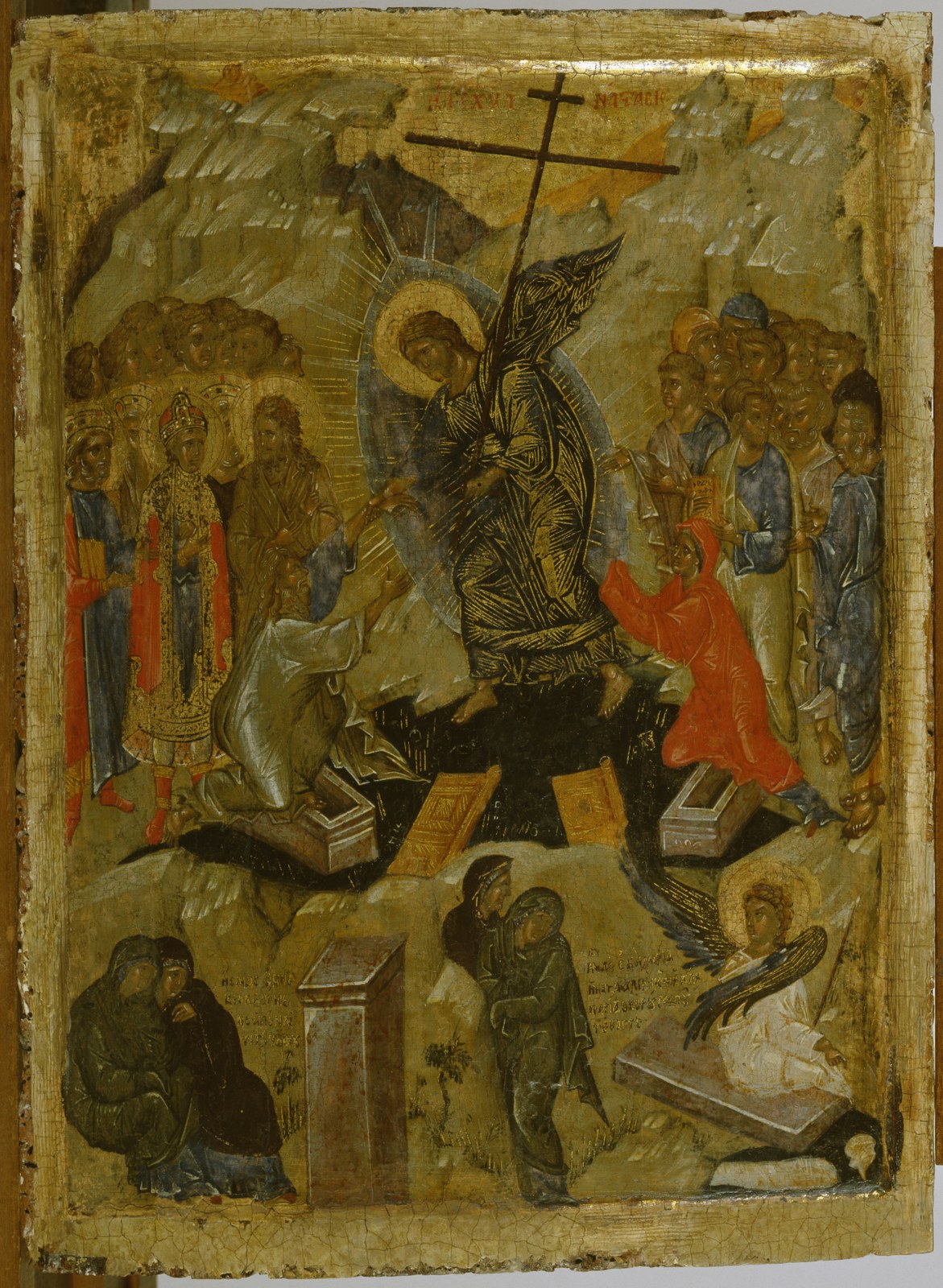
Irenaeus and Recapitulation
The earliest systematic account of this is Irenaeus of Lyon's doctrine of recapitulation (anakephalaiosis). Christ, Irenaeus argues, 'recapitulates' or sums up all of human history in himself, reversing at each point what Adam had done. Adam disobeyed in a garden; Christ obeyed in a garden of agony. Adam grasped for what was not his; Christ, equal with God, did not count equality with God a thing to be grasped. The Incarnation is not primarily a legal substitution — it is a re-running of the human story by the one who wrote it, this time without failure.
For Irenaeus, the cross is the decisive reversal of the Fall: not a payment to satisfy divine justice (though justice is involved), but a deliverance from the powers that held humanity captive. Christ, as Irenaeus puts it, 'bound the strong man' — the imagery is directly from the Gospels — and freed his prisoners.
Gregory of Nyssa and the Fishhook
Gregory of Nyssa developed the most striking (and debated) image of the Christus Victor tradition: the fishhook. The devil, Gregory argues, had a legitimate claim over fallen humanity through sin. God could not simply overrule this claim by force without violating his own justice. Instead, the Incarnation was a kind of divine concealment: the divinity of the Logos was hidden within the humanity of Christ as a fishhook is hidden inside bait. The devil swallowed the bait — Christ's human nature, which could die — and found he had swallowed the hook: the divine nature, which could not be held by death. The Resurrection is not merely a vindication of the righteous man; it is the moment the hook catches.
Modern readers often find this imagery crude. It was chosen deliberately. Gregory was not writing a philosophical treatise; he was describing a cosmic drama in which the stakes are real and the protagonist wins by entering enemy territory under cover.
Why the West Forgot
The Christus Victor framework was never absent from Eastern theology, where it remains the primary lens for understanding the atonement. In the West, Anselm of Canterbury's Cur Deus Homo (1098) shifted the dominant account toward satisfaction theory: the Fall incurred an infinite debt of honor to God; only an infinite person (the God-man) could make adequate satisfaction. This framework is not wrong — it captures real dimensions of what the cross accomplished — but it gradually displaced rather than complemented the older cosmic victory model.
What was lost in the displacement was the explicitly martial, cosmological frame. If the cross is primarily a legal transaction, then spiritual warfare is a metaphor. If the cross is primarily a cosmic victory over real powers, then spiritual warfare is the lived extension of what was accomplished at Calvary — the Church participating in Christ's ongoing campaign. Paul's armor of God, the Desert Fathers' combat with demons, the Church's exorcisms and fasting — these only make full sense within the Christus Victor frame. The cross is not just a courtroom verdict. It is the turning point in a war.
Continue Exploring
Before penal substitution dominated Western theology, the early Church understood the cross primarily as a cosmic victory — Christ defeating sin, death, and the powers of darkness by entering their territory and breaking their hold from within.
The Studio Brief
Theology Delivered Weekly
Essays on the Fathers, sacred art, cosmology, and the hidden logic of Christian doctrine — sent directly to your inbox. No noise. No filler.
Weekly
Cadence
Free
Always
Patristic
Focus
Related
Browse Archive
Read
Sacred Art
2026-05-22
The Apostolic Fire
Memory, martyrdom, and the visual language of witness.
Read
Christology
11 min read / 2026-05-17
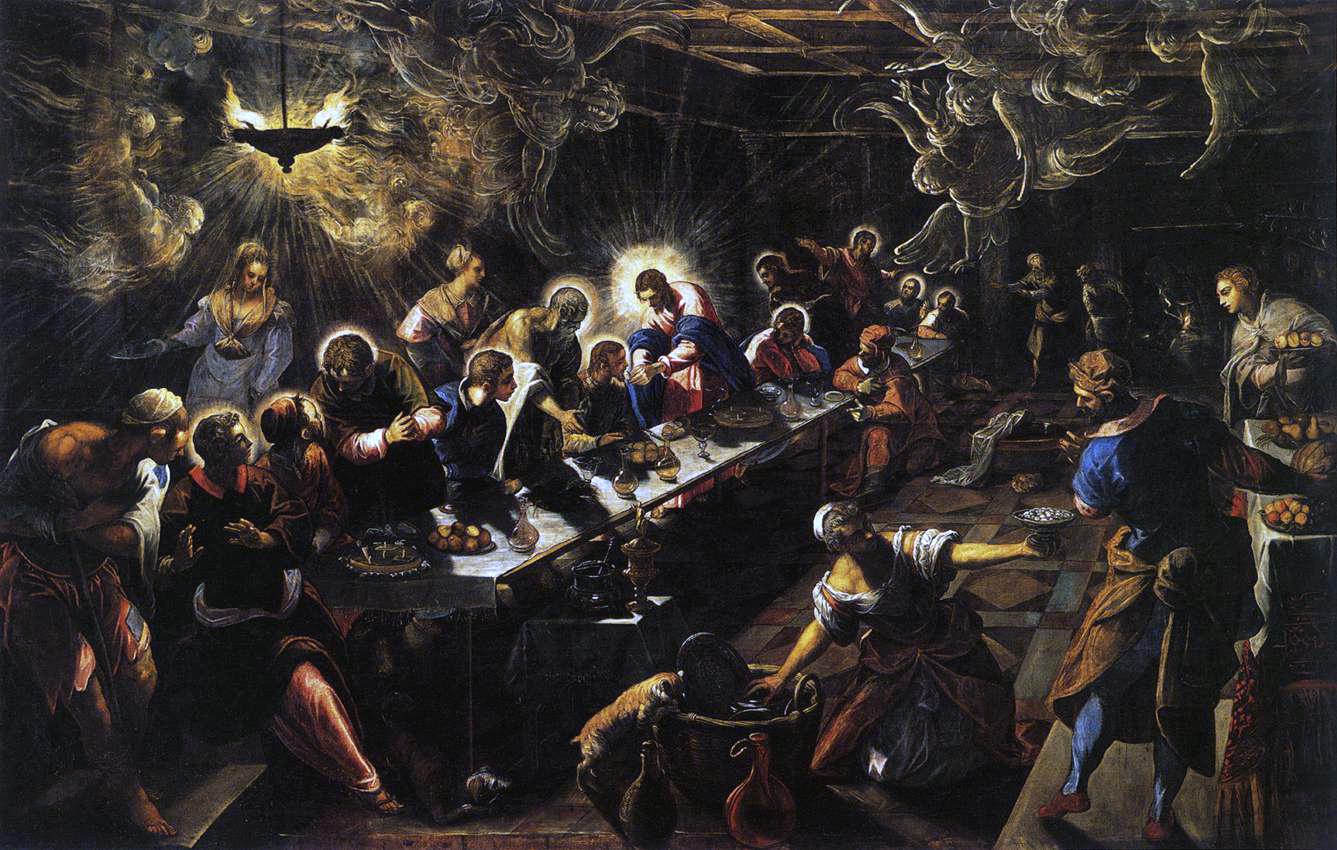
Why the Lord's Supper Divides Christians
The Eucharist is the most thoroughly attested practice of the earliest Church — and the single sacrament that has done the most to keep Christians apart. The reason is not pettiness. It is Christology.
Read
Christology
10 min read / 2026-05-17
The Jewish Roots of Christian Easter
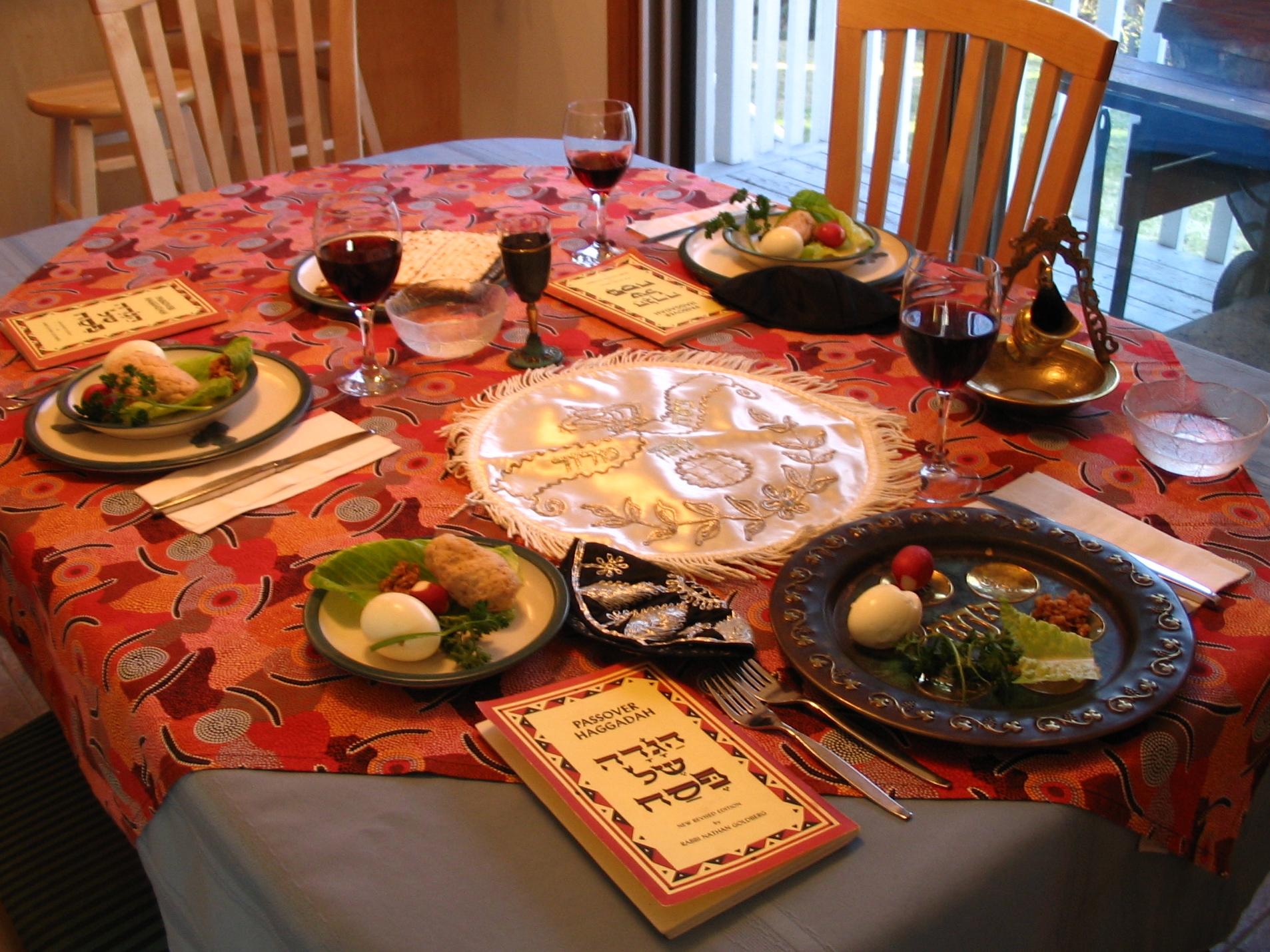
Easter is not a Christian appropriation of pagan spring rites. It is the Christian fulfillment of the Jewish Passover — and the New Testament insists on this from its earliest layer.