Articlepublished
What Second Temple Jews Believed About the Universe
By Christian Garces2026-05-153 min read
Release2026-05-15
Read time3 min read
The World the Apostles Inhabited
When Paul writes about 'principalities and powers,' 'the ruler of the kingdom of the air,' 'the god of this age,' or 'the spiritual forces of evil in the heavenly realms,' he is not using metaphors. He is describing what he and his audience understood to be real features of the cosmos — a tiered universe of divine and semi-divine beings, some loyal to the Creator and some in rebellion, whose activity directly shaped human history.
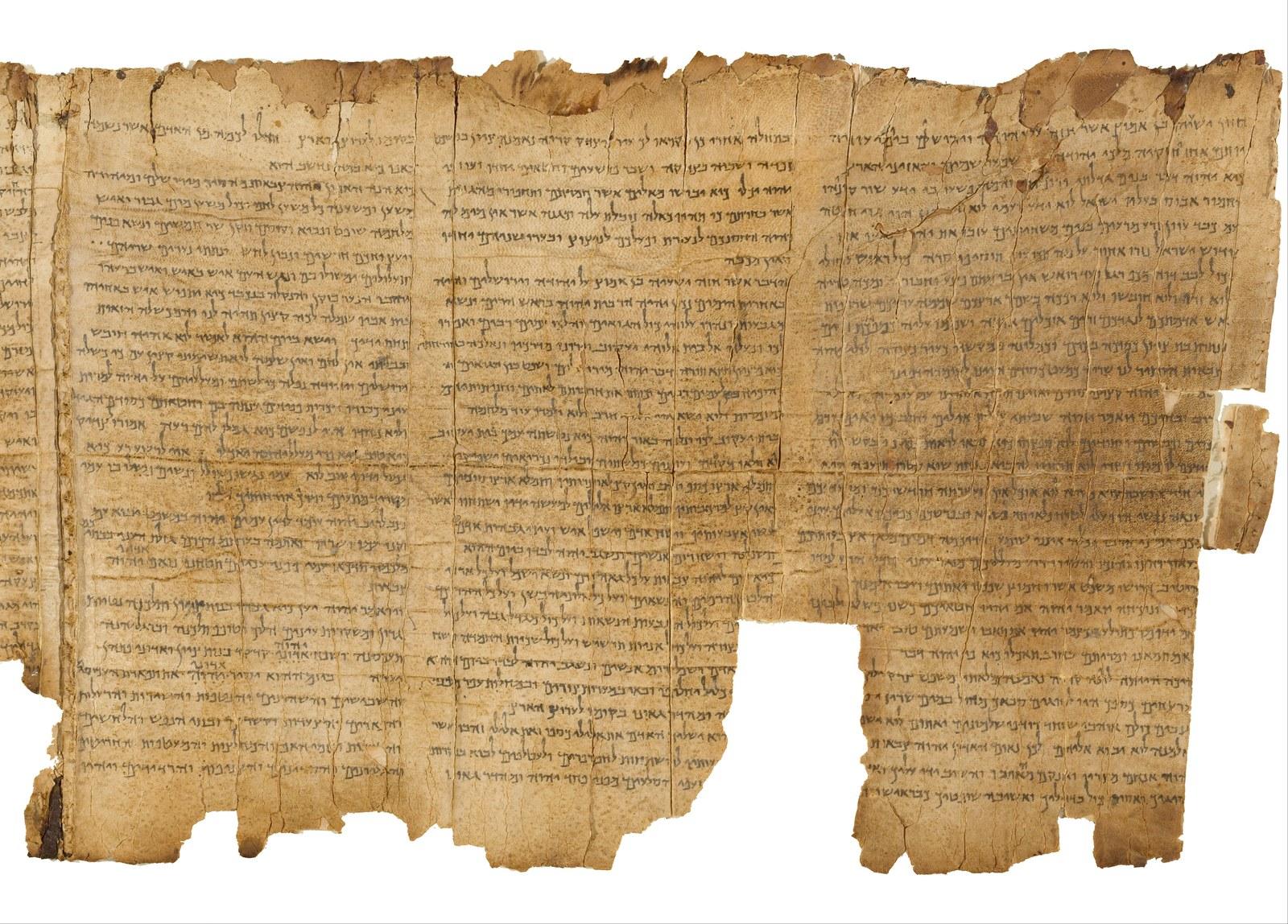
This cosmology did not originate with Paul. It was the common inheritance of Second Temple Judaism, the 500-year period between the return from Babylonian exile and the destruction of the Jerusalem Temple in 70 AD. The texts produced in this period — the books of Enoch, Jubilees, the Dead Sea Scrolls, the Psalms of Solomon, the Testament of the Twelve Patriarchs — reveal a rich and consistent picture of the cosmos that is the direct background for almost every page of the New Testament.
The Divine Council
At the center of this cosmology is the divine council: a heavenly court presided over by the Most High God, in which divine beings (called variously 'sons of God,' 'elohim,' 'angels,' 'watchers,' or 'holy ones') serve as his royal administration. Psalm 82, Deuteronomy 32, and Isaiah 6 all presuppose this council. It is not a borrowing from pagan mythology — it is a biblical datum that Second Temple Judaism elaborated and that the New Testament assumes.
After the Tower of Babel, according to Deuteronomy 32:8-9 (in the Dead Sea Scrolls and Septuagint reading), God 'divided the nations according to the number of the sons of God' — appointing divine beings as stewards over the nations while reserving Israel for himself. This is why the Psalms speak of God as 'the great King above all gods' (Psalm 95:3) — the competition is real, the other gods exist, and God's supremacy over them is the point. First-century Jews reading these texts understood that the nations of the earth were governed by divine beings who had failed in their vocation — and that their failure was directly connected to human suffering and oppression.
The Watchers and the Genesis 6 Problem
The most elaborated version of cosmic rebellion in Second Temple literature concerns the 'sons of God' of Genesis 6:1-4, who 'saw that the daughters of men were beautiful' and took them as wives. The Book of Enoch (1 Enoch), one of the most influential Jewish texts of the Second Temple period, expands this into a full cosmological narrative: the Watchers, a class of angelic beings, descended to earth, taught humanity forbidden knowledge (metallurgy, sorcery, astrology, warfare), and produced giant offspring who filled the earth with violence. Their punishment — binding in the earth until the day of judgment — is directly referenced in 2 Peter 2:4 and Jude 1:6. The New Testament authors knew 1 Enoch and expected their readers to know it too.
What This Means for the New Testament
Reading the New Testament without this cosmological background produces systematic misreadings. The Temptation of Jesus is not Satan testing a good man's resolve — it is the Logos directly confronting the being who holds illegal authority over the nations, and refusing his offer of a shortcut to the throne that bypasses the cross. The cross itself, in this frame, is not only a legal event but a territorial one: Christ entering the domain of death and breaking its power from within, stripping the hostile powers of their authority (Colossians 2:15). The Resurrection is the inauguration of the new creation — the first moment in which the old age of the powers' domination has been definitively broken.
The Church's mission, in this cosmology, is not merely to help individuals make good decisions. It is to announce, in the face of the remaining hostile powers, that their authority has been broken and that the true king has been enthroned. This is why Paul can describe his own apostolic ministry as a kind of warfare, the Church as a body equipped with divine armor, and the proclamation of the Gospel as the instrument by which the powers of the age are being de-legitimized. The cosmology is not background detail. It is the load-bearing structure of the entire New Testament's account of what is happening in the world.
Continue Exploring
The New Testament was written by people who believed in a multi-tiered universe populated by divine beings, angelic hierarchies, and cosmic powers. Understanding this cosmology is not optional for understanding what the text says.
The Studio Brief
Theology Delivered Weekly
Essays on the Fathers, sacred art, cosmology, and the hidden logic of Christian doctrine — sent directly to your inbox. No noise. No filler.
Weekly
Cadence
Free
Always
Patristic
Focus
Related
Browse Archive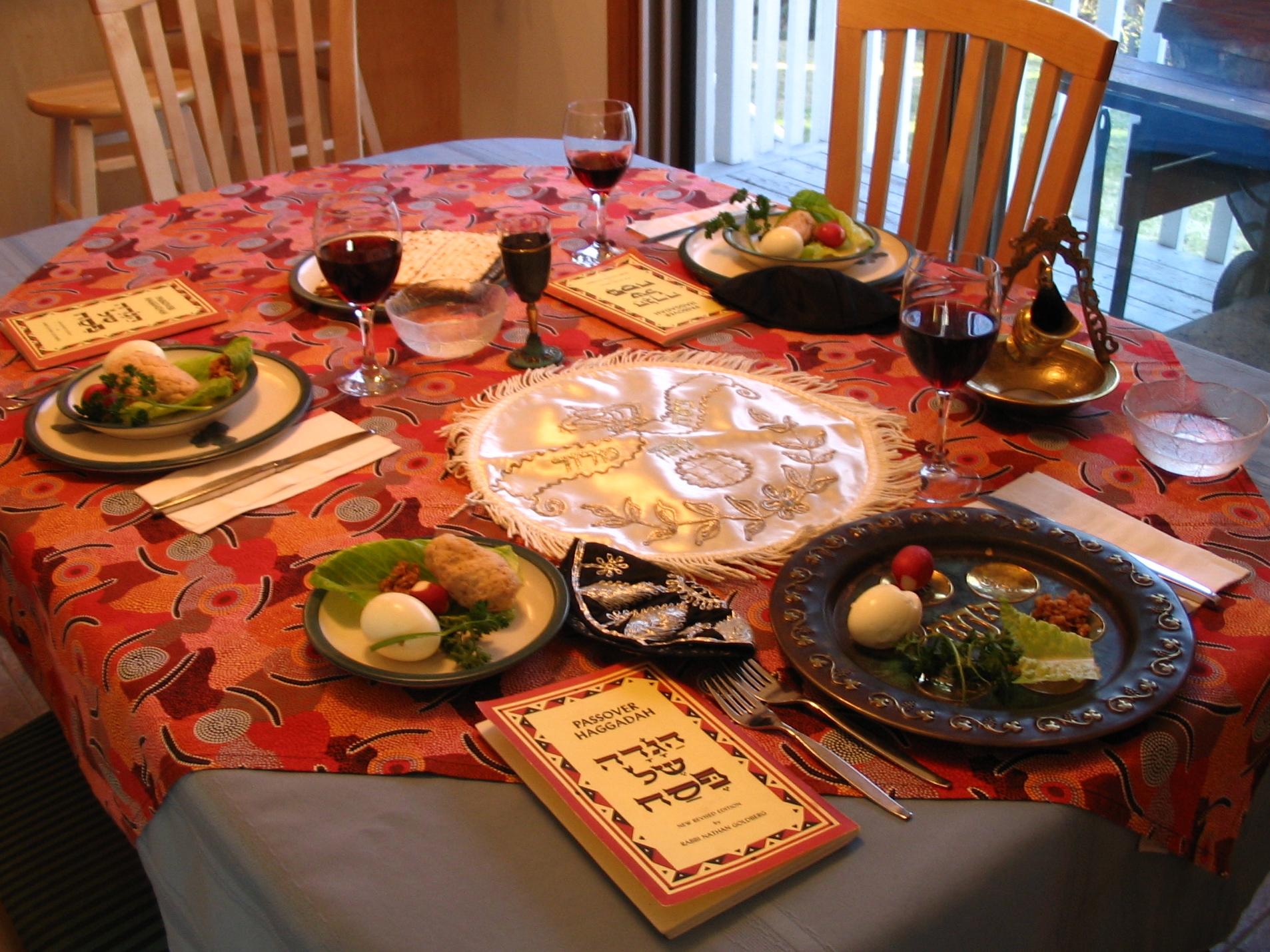
Read
Christology
10 min read / 2026-05-17
The Jewish Roots of Christian Easter
Easter is not a Christian appropriation of pagan spring rites. It is the Christian fulfillment of the Jewish Passover — and the New Testament insists on this from its earliest layer.
Read
Spiritual Warfare
4 min read / 2026-05-15
The Armor of God: What Ephesians 6 Actually Describes
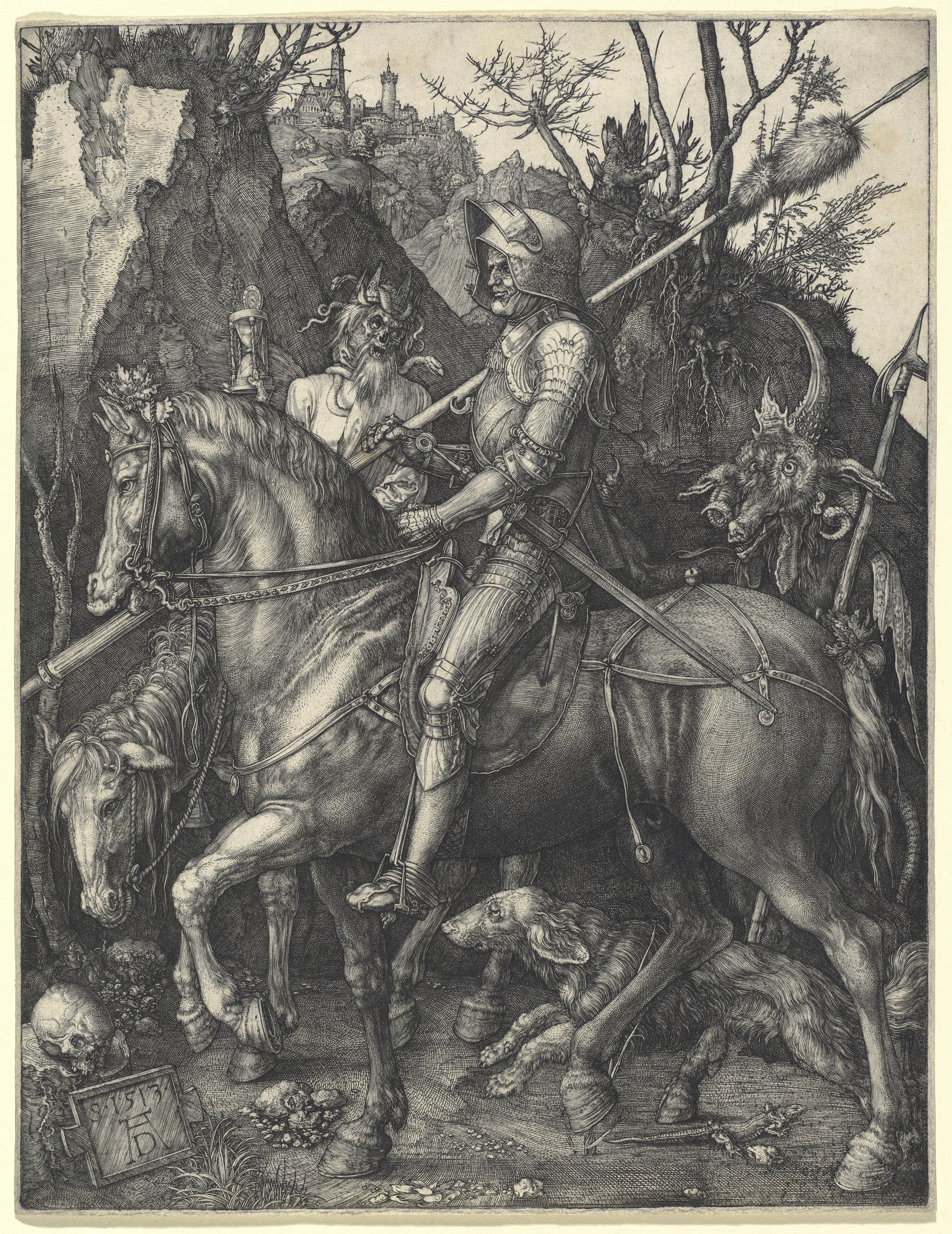
Ephesians 6 is not a metaphor for moral self-improvement. It is a combat manual for people Paul believes are fighting a real war against real adversaries in real heavenly places.
Read
Manuscripts
4 min read / 2026-05-15
The Septuagint: How the Greek Old Testament Shaped Christianity
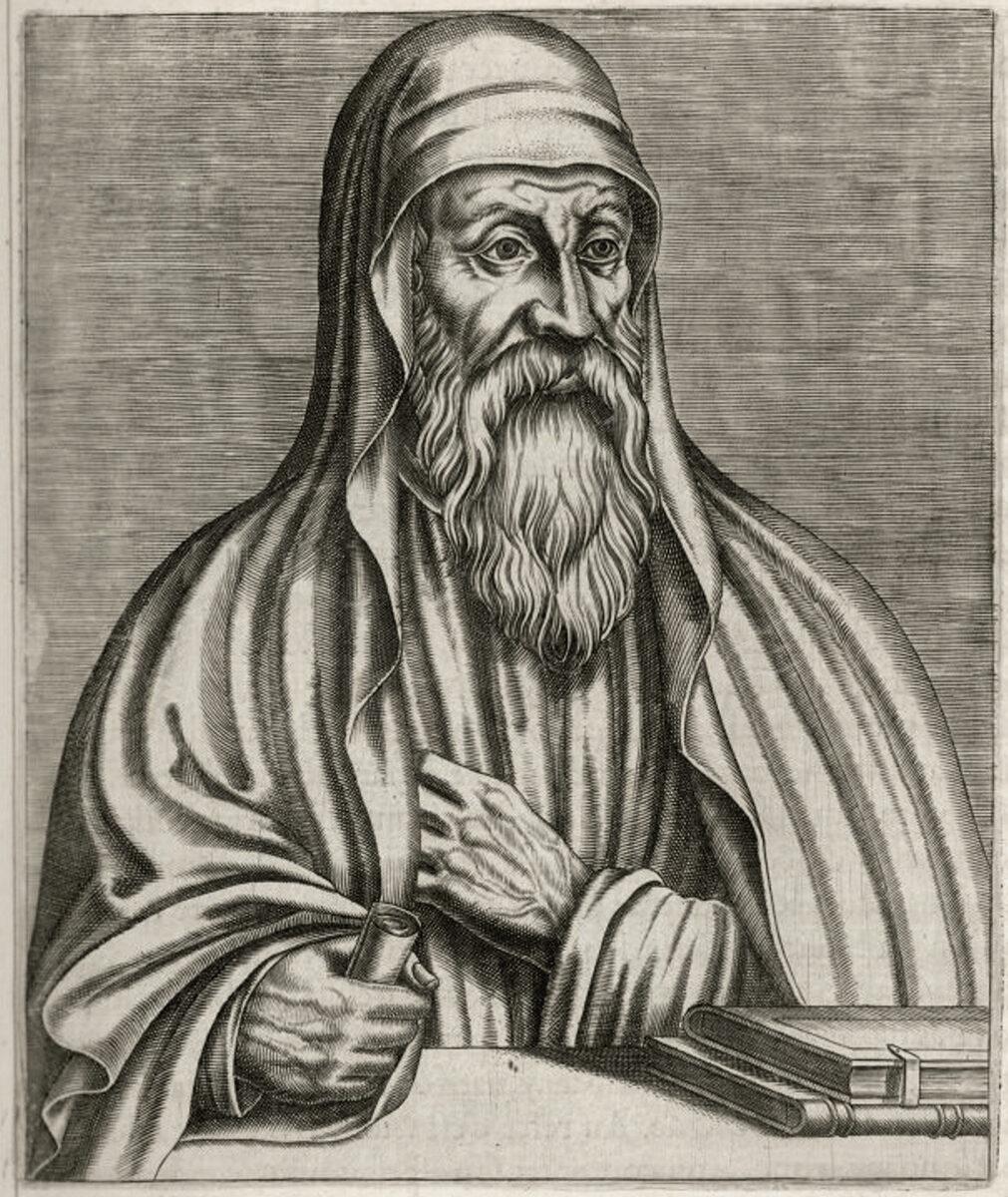
Before the New Testament existed, Jesus, Paul, and the apostles quoted Scripture from a Greek translation made in Alexandria. The Septuagint was not a translation the Church adopted — it was the Bible the Church was born reading.