Articlepublished
The Desert Fathers and the Anatomy of Temptation
By Christian Garces2026-05-153 min read
Release2026-05-15
Read time3 min read
The Desert as Combat Zone
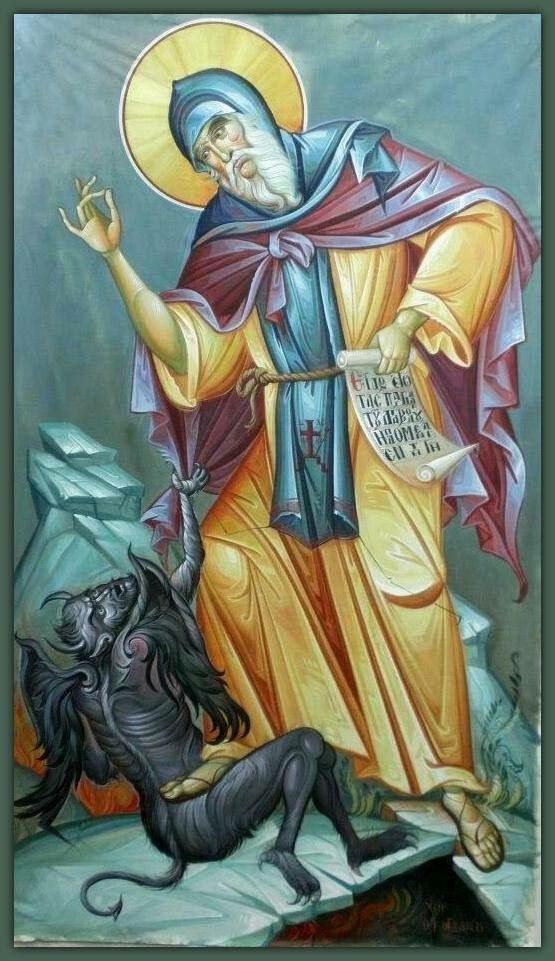
When Antony of Egypt withdrew into the desert in the late third century, he was not looking for tranquility. The early monastic literature is unambiguous: the desert was considered enemy territory — a place where the demonic concentration was highest and the props of ordinary social life, which cushioned the soul from its own condition, were stripped away. To go to the desert was to choose combat.
This understanding was not merely metaphorical. The Life of Antony, written by Athanasius around 360 AD, describes extended physical confrontations with demonic forces — beatings, terrifying apparitions, relentless psychic assault. Whether read literally or symbolically, these accounts encode a theological conviction: the human soul in pursuit of God will be opposed. The opposition is not random. It is intelligible, patterned, and therefore — crucially — something that can be understood and resisted.
Evagrius and the Eight Thoughts
The Desert Father who systematized this understanding most rigorously was Evagrius Ponticus (345–399 AD), a brilliant theologian who had been a successful church administrator in Constantinople before a personal crisis drove him into the Egyptian desert. In the Praktikos and the Antirrhetikos, Evagrius produced the first systematic account of what he called the eight logismoi — eight troubling thoughts or spirits that attack the monk seeking God.
These eight — gluttony, lust, avarice, sadness, anger, acedia, vainglory, and pride — were not merely bad habits. They were intelligible forces with characteristic patterns of attack, specific deceptions, and predictable sequences. Evagrius observed that they often come in succession rather than simultaneously: gluttony prepares the ground for lust; lust for sadness; sadness for acedia. Understanding the pattern allows resistance before the thought gains its full foothold.
This list did not disappear from the tradition. Gregory the Great reorganized it into seven categories, and it became the basis for what the Western Church calls the Seven Deadly Sins. Every morality examination, every Lenten catechism, every serious account of the spiritual life in the Christian tradition has Evagrius somewhere in its ancestry — usually unacknowledged, because Evagrius was later condemned on other theological grounds. The system survived the man.
The Strategy of Antirrhesis
Evagrius' therapeutic strategy was antirrhesis — speaking back against the thought. His Antirrhetikos provides, for each of the eight troubling thoughts, specific Scripture verses to be quoted against the corresponding attack. The method is not magical. It is cognitive and theological: the thought loses power when it is named, classified, and met with a word that cuts against its logic. What Evagrius describes is a practice of attention: watching one's own interior movements with enough detachment to recognize the enemy's move before it becomes a habitual groove in the soul.
What the Desert Fathers Saw
The Desert Fathers were not pessimists about human nature. Their warfare literature exists precisely because they believed the soul was capable of transformation — theosis, participation in the divine life — and that the path to it ran through this contested interior territory. The combat was not a distraction from the spiritual life. It was the spiritual life, at this particular stage of it.
The tradition they established — watchfulness (nepsis), discernment of spirits (diakrisis), spiritual fatherhood, and the frank confession of interior movements to a trusted elder — became the backbone of the entire Eastern monastic tradition and, through John Cassian's transmission into the West, of Western monasticism as well. The Desert Fathers were not marginal figures producing literature for specialists. They were the architects of the most systematic and practically rigorous account of human psychology that the ancient Church produced. The desert was their laboratory, and the soul was what they studied.
Continue Exploring
The Desert Fathers did not flee the city to find peace. They fled to find the battle. Antony, Evagrius, and the other Abbas of Egypt developed the most rigorous account of spiritual warfare the Church has ever produced.
The Studio Brief
Theology Delivered Weekly
Essays on the Fathers, sacred art, cosmology, and the hidden logic of Christian doctrine — sent directly to your inbox. No noise. No filler.
Weekly
Cadence
Free
Always
Patristic
Focus
Related
Browse Archive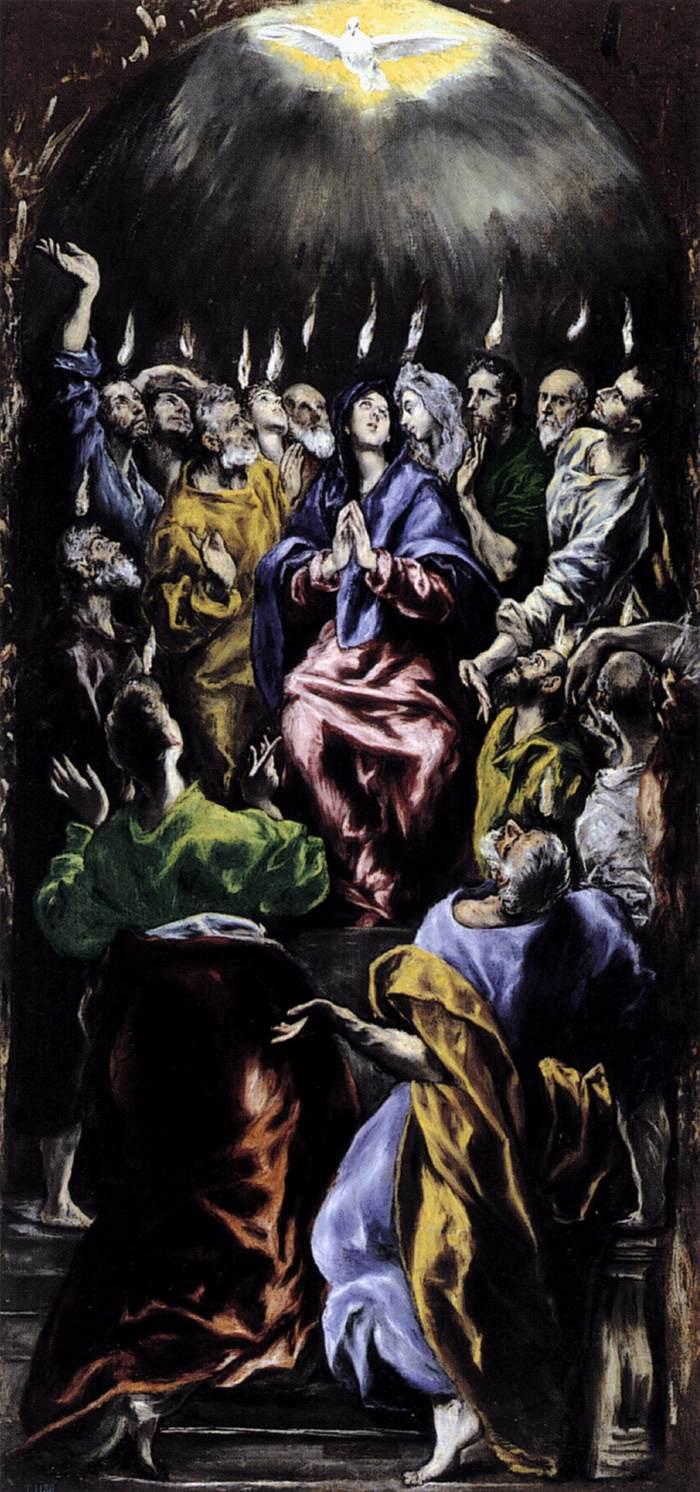
Read
Sacred Art
2026-05-22
The Apostolic Fire
Memory, martyrdom, and the visual language of witness.
Read
Christology
11 min read / 2026-05-17
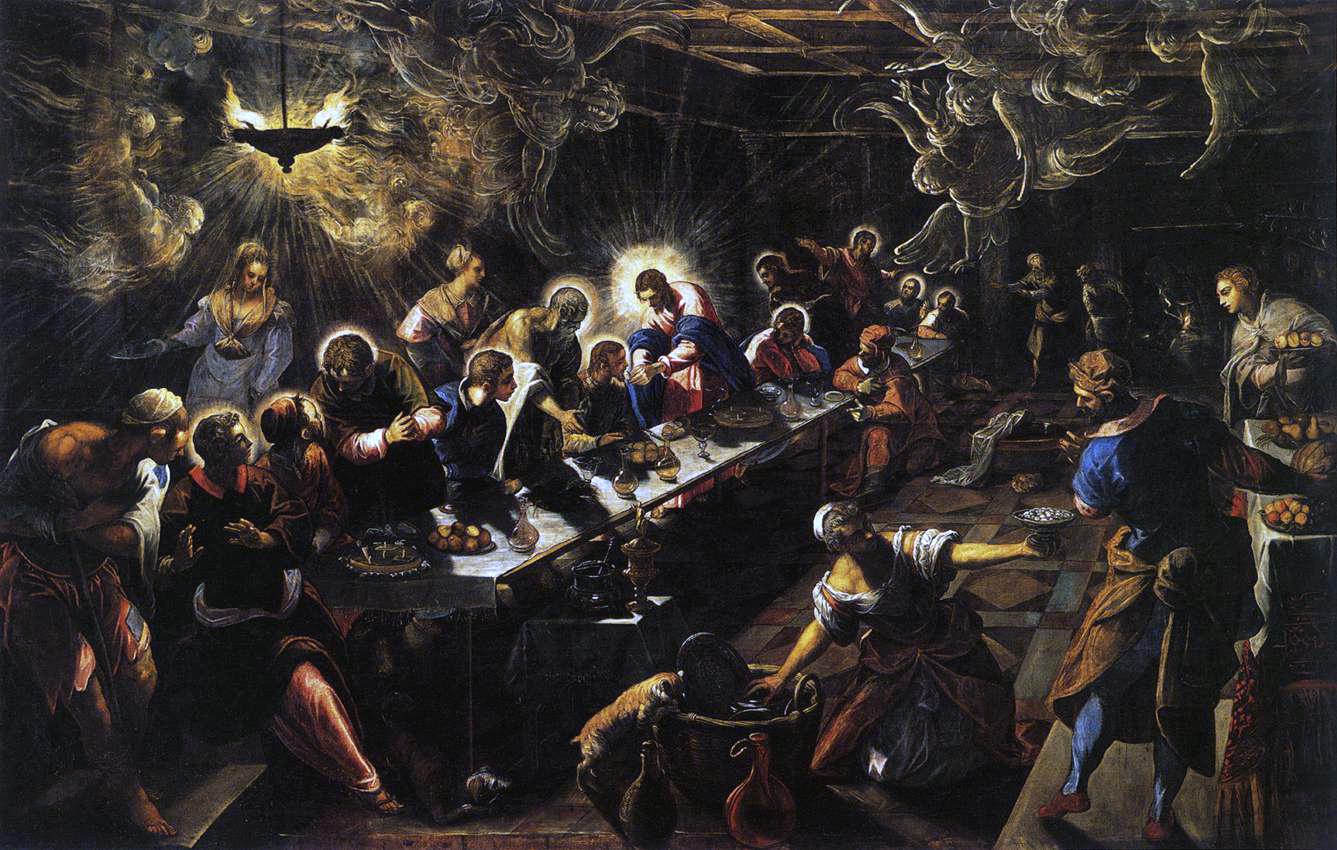
Why the Lord's Supper Divides Christians
The Eucharist is the most thoroughly attested practice of the earliest Church — and the single sacrament that has done the most to keep Christians apart. The reason is not pettiness. It is Christology.
Read
Christology
10 min read / 2026-05-17
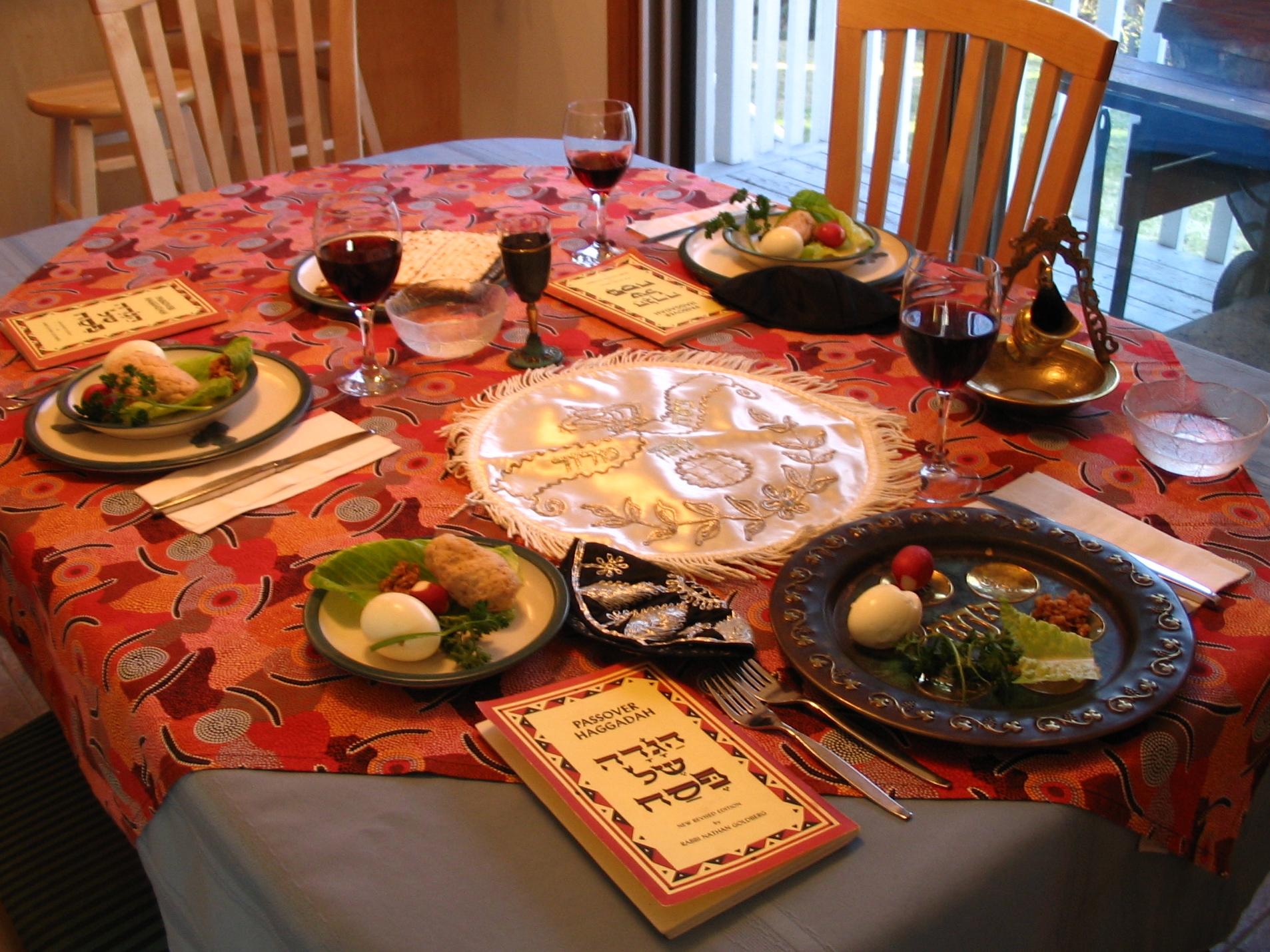
The Jewish Roots of Christian Easter
Easter is not a Christian appropriation of pagan spring rites. It is the Christian fulfillment of the Jewish Passover — and the New Testament insists on this from its earliest layer.