Articlepublished
John Chrysostom: The Preacher Who Wouldn't Stop
By Christian Garces2026-05-154 min read
Release2026-05-15
Read time4 min read
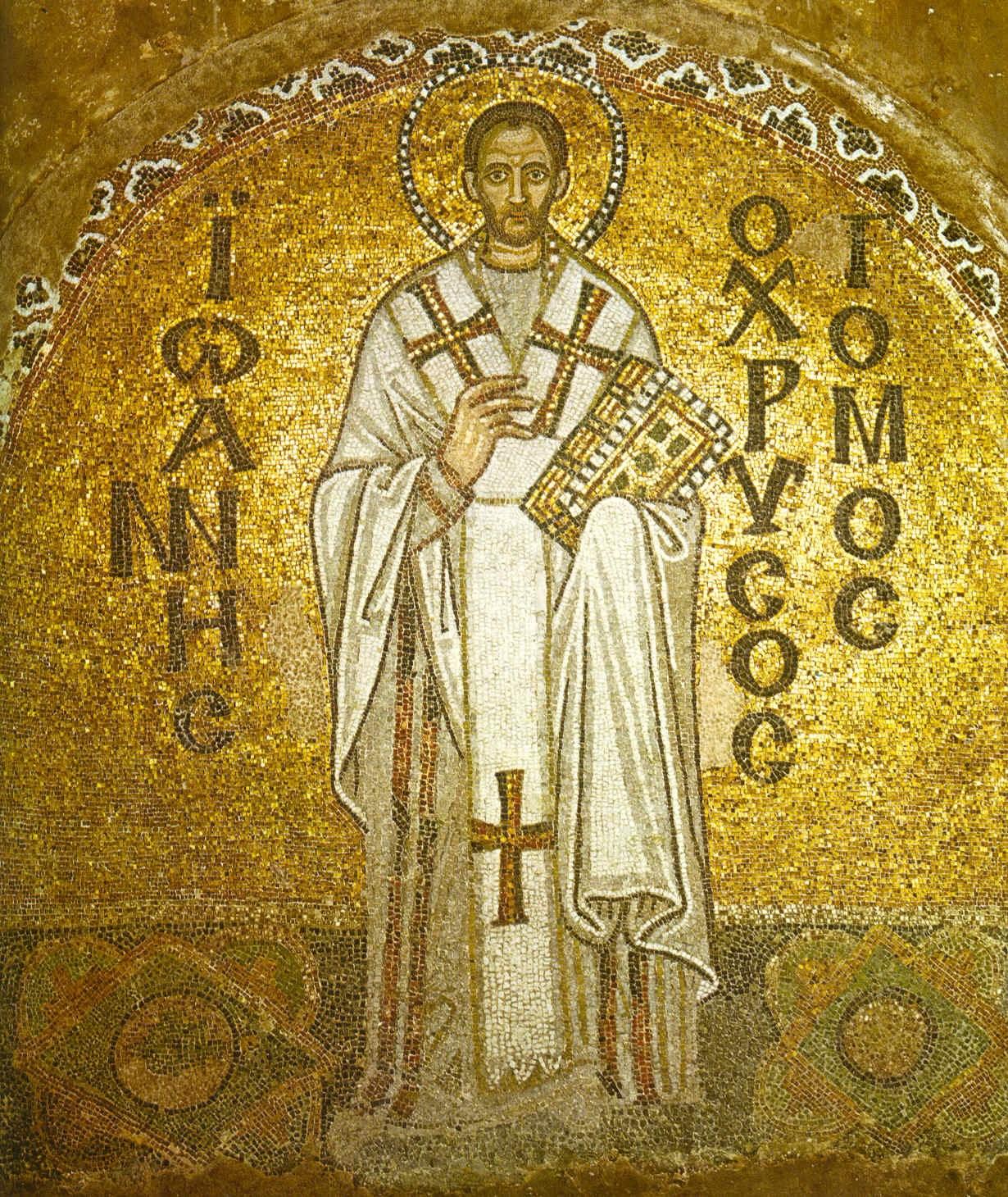
The Voice of Antioch
John of Antioch — called Chrysostom, the Golden Mouth, by later generations — was born around 349 AD into a wealthy family, educated in the finest rhetorical tradition of his time, and converted to a rigorous ascetic Christianity under the influence of Bishop Meletius of Antioch. He spent roughly a decade as a monk and hermit before his health broke and he returned to the city. He was ordained a deacon in 381 and a priest in 386. For the next twelve years he preached in the Great Church at Antioch, and the sermons that survive from this period are still considered the highest achievement of Christian biblical preaching in antiquity.
Chrysostom preached through entire biblical books, line by line, explaining grammar, context, application. His commentaries on Matthew, John, Romans, Galatians, Ephesians, Corinthians — all of them are essentially transcriptions of sermons delivered to congregations in the late fourth century. They remain in print. They are read by preachers and scholars to this day because the exegetical instincts they demonstrate are almost impossibly good: a combination of philological precision, pastoral warmth, and moral urgency that few writers in any tradition have matched.
The Appointment That Destroyed His Career
In 398, Chrysostom was appointed Archbishop of Constantinople — the imperial capital, the most prestigious episcopal see in the East — against his will, essentially by imperial appointment. He was a brilliant choice and a catastrophic one. He immediately applied to the capital the same uncompromising standards he had developed in Antioch: he sold off the luxurious episcopal furniture, reduced the entertainment budget, redirected the funds to hospitals and the poor, began visiting the sick personally, and preached against the wealth, vanity, and corruption of the court and clergy with exactly the same directness he had always shown.
This made him enemies in proportion to his righteousness. The Empress Eudoxia came to believe his sermons were aimed at her personally — whether they were is debated, but her belief became fact. Theophilus of Alexandria, who had wanted the Constantinopolitan see for one of his own candidates, joined the opposition. A synod of compliant bishops was assembled at a suburban estate called The Oak in 403 and issued a series of charges against Chrysostom, most of them fabricated. He was deposed and exiled.
The Two Exiles
The first exile lasted three days. An earthquake struck Constantinople the night after Chrysostom was removed, and Eudoxia, taking it as a sign, recalled him immediately. He returned to thunderous popular acclaim. Within months, the conflict had resumed. Chrysostom preached again, the empress moved again, another synod was assembled, and in June 404 he was exiled a second time — this time to Cucusus, a remote town in the Armenian mountains.
From Cucusus, he wrote. Hundreds of letters survive from the exile years, addressed to clergy, monks, wealthy supporters, theological correspondents across the empire. He was cold, isolated, physically depleted, and fully active in his apostolic concern for everyone he had ever known. The letters are among the most intimate documents of the patristic era: the private voice of a man whose public voice had been silenced, talking to the people he loved.
In 407, the imperial court decided Cucusus was not remote enough. Orders came to march him still further east, to Pythius on the Black Sea coast. The soldiers conducting him drove the march through harsh autumn weather at a pace designed — the ancient sources say explicitly — to kill him. He died in September 407, at a shrine of the martyr Basiliscus near Comana in Pontus. His reported last words were: Thanks be to God for all things — the phrase that had closed his sermons throughout his life.
Why He Still Matters
Chrysostom was rehabilitated within thirty years. His relics were returned to Constantinople in 438 in a ceremony of imperial penance. He was declared a Doctor of the Church. The Divine Liturgy most commonly used in the Eastern Orthodox Church bears his name. His feast is celebrated on November 13 in the West, November 13 and January 27 in the East.
What the tradition has preserved is not only his exegesis but his model: a preacher who understood that the faith commits its preachers to speaking the truth regardless of whether the truth is convenient for powerful listeners, and who paid the cost of that commitment without revising his position. Chrysostom is the patron of preachers not because he was eloquent — though he was — but because he understood that eloquence in the service of truth is not a career asset. It is a vocation with a price. He knew the price before he began and preached anyway.
Continue Exploring
John Chrysostom was the greatest preacher of the ancient Church. He was twice exiled for saying what the faith required him to say. He died on a forced march in 407 AD. The Church has never stopped reading him.
The Studio Brief
Theology Delivered Weekly
Essays on the Fathers, sacred art, cosmology, and the hidden logic of Christian doctrine — sent directly to your inbox. No noise. No filler.
Weekly
Cadence
Free
Always
Patristic
Focus
Related
Browse Archive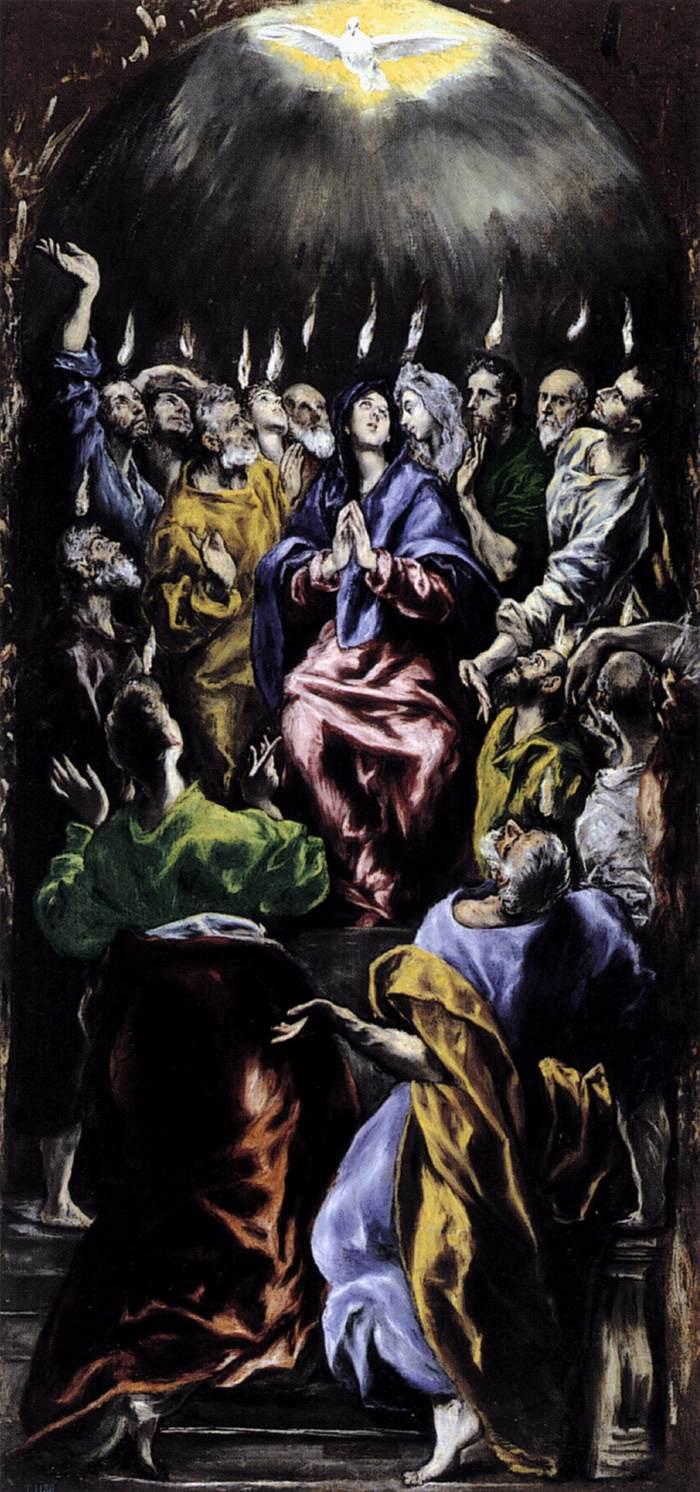
Read
Sacred Art
2026-05-22
The Apostolic Fire
Memory, martyrdom, and the visual language of witness.
Read
Christology
11 min read / 2026-05-17
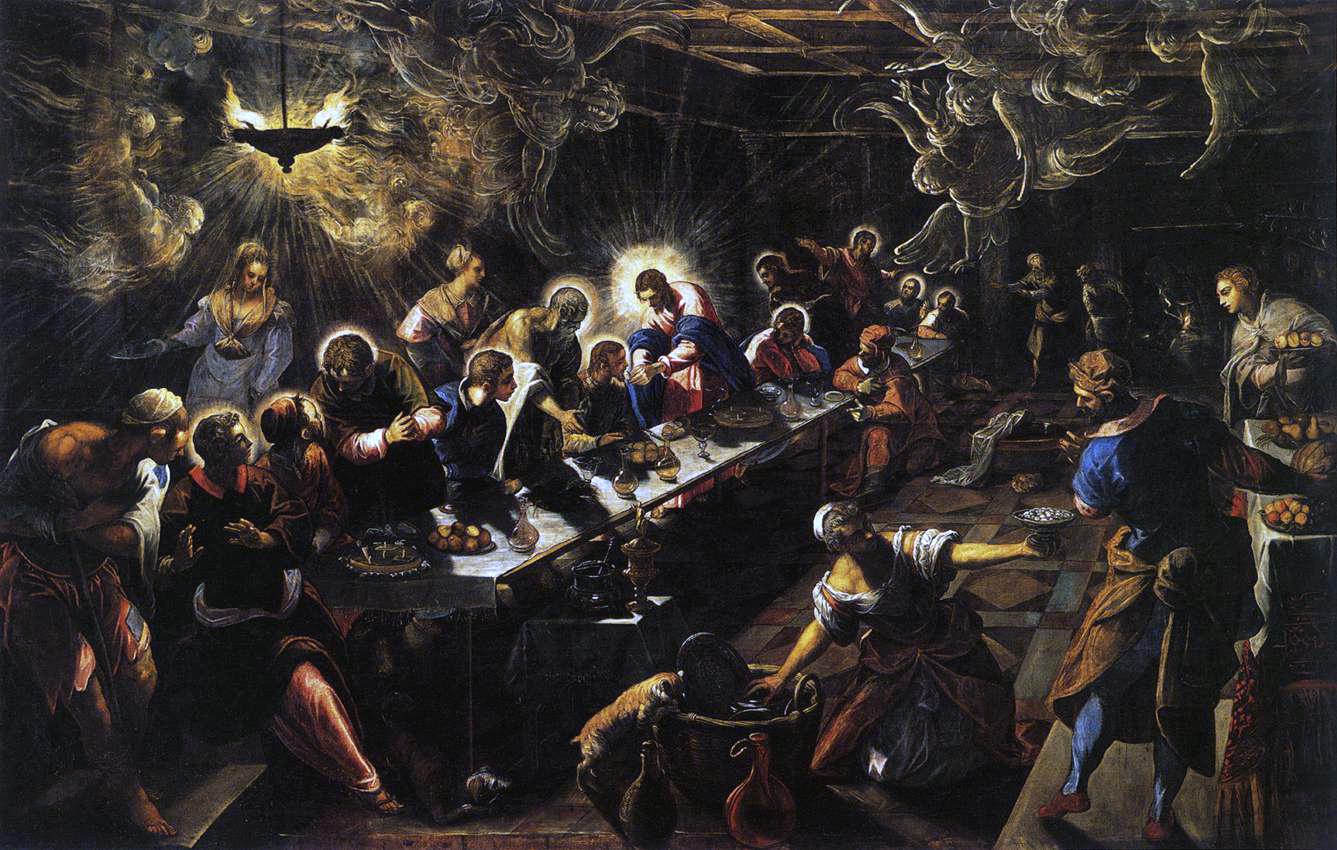
Why the Lord's Supper Divides Christians
The Eucharist is the most thoroughly attested practice of the earliest Church — and the single sacrament that has done the most to keep Christians apart. The reason is not pettiness. It is Christology.
Read
Christology
10 min read / 2026-05-17
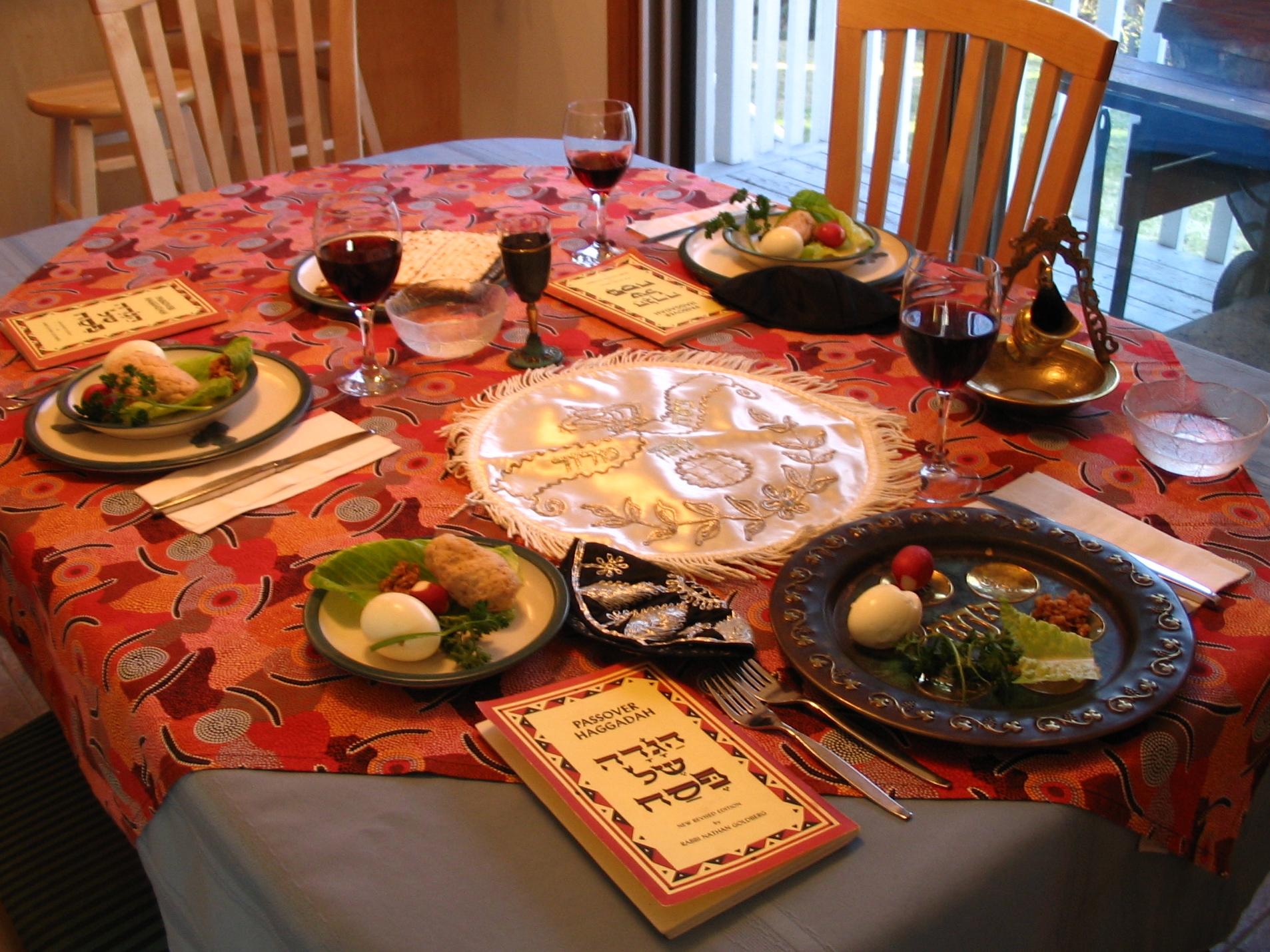
The Jewish Roots of Christian Easter
Easter is not a Christian appropriation of pagan spring rites. It is the Christian fulfillment of the Jewish Passover — and the New Testament insists on this from its earliest layer.