Articlepublished
Icons Are Not Idols: The Theology of the Seventh Ecumenical Council
By Christian Garces2026-05-152 min read
Release2026-05-15
Read time2 min read
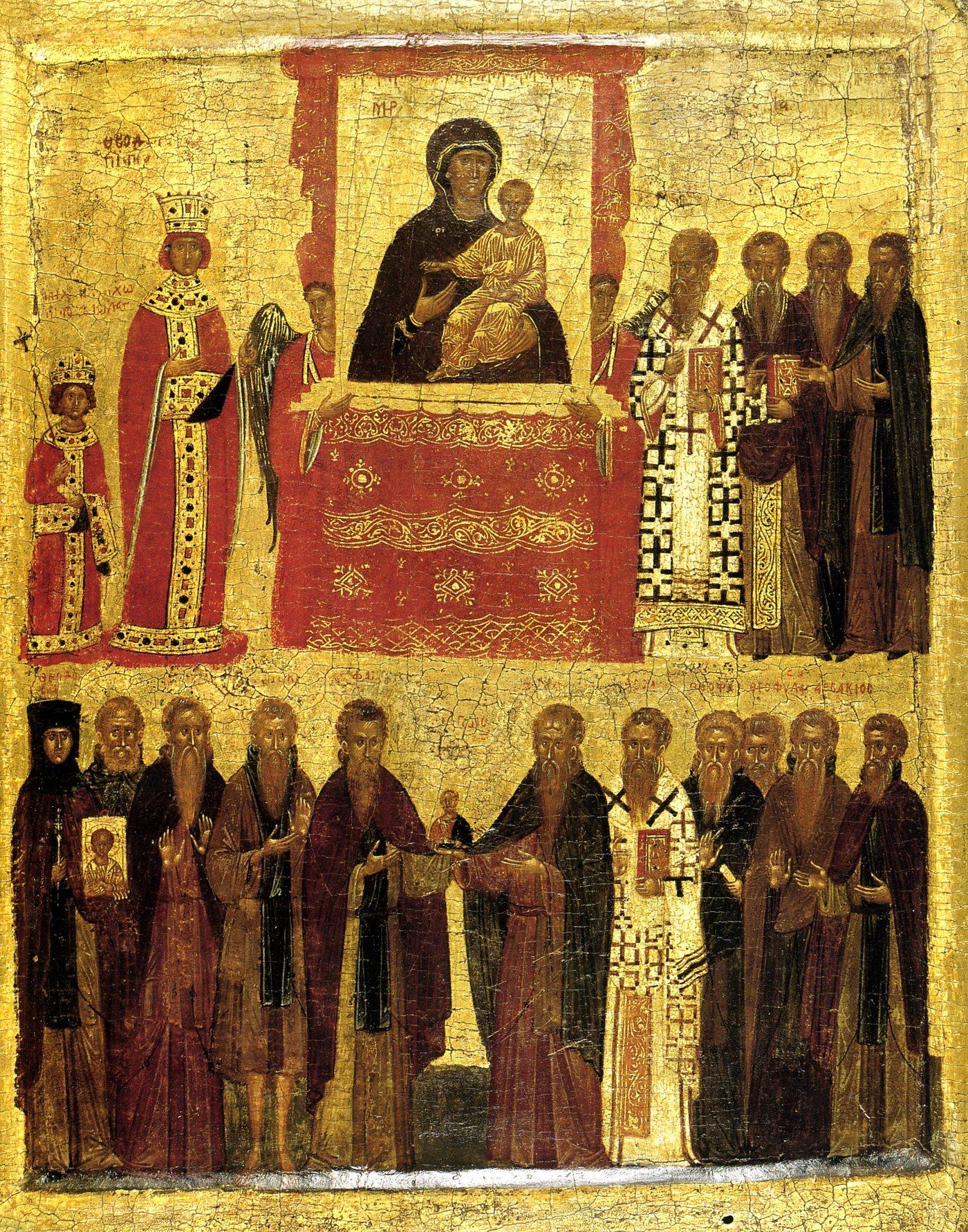
Between 726 and 843 AD, the Byzantine Empire was torn apart by the Iconoclast controversy: a theological and political movement that demanded the destruction of icons and forbade their veneration. The Iconoclasts were not pagans or outsiders — they included emperors, patriarchs, and bishops. Their argument was straightforward: images of God are idolatry, and the prohibition of the Second Commandment applies.
The great defender of icons was John of Damascus (c. 675–749), writing from outside the Byzantine Empire under Muslim rule and therefore safe from imperial persecution. His Three Treatises in Defense of the Holy Images remain the defining theological response. His argument had a single pivot point: the Incarnation changed everything.
In the Old Testament, God forbade images because he had not yet become visible. To make an image of God would have been to lie — to represent as visible what was in fact invisible and unapproachable. But in Christ, the eternal God became visible. The Word took on a human face. To refuse to depict that face is not humility before divine transcendence — it is a tacit denial that the Incarnation was real. If God truly became flesh, then flesh can depict him.
The Seventh Ecumenical Council, held at Nicaea in 787, condemned Iconoclasm and defined the theology of images. The critical distinction was between proskynesis (veneration, honor given to the image) and latreia (worship, adoration due to God alone). Icons receive veneration — the same honor given to the Gospels or the Cross. They do not receive worship. The honor passes through the image to the archetype: to venerate the icon of Christ is to honor Christ himself.
The Triumph of Orthodoxy, celebrated on the first Sunday of Great Lent in the Eastern Church, commemorates the final restoration of icons in 843. The icons that line Orthodox churches are not decorations or aids for the illiterate. They are theology in pigment — statements about the Incarnation, the communion of saints, and the transfigured material world that awaits at the resurrection. To understand why icons exist is to understand what the Incarnation accomplished.
Continue Exploring
The Iconoclast controversy was not about whether Christians were attached to paintings. It was about whether the Incarnation was real.
The Studio Brief
Theology Delivered Weekly
Essays on the Fathers, sacred art, cosmology, and the hidden logic of Christian doctrine — sent directly to your inbox. No noise. No filler.
Weekly
Cadence
Free
Always
Patristic
Focus
Related
Browse Archive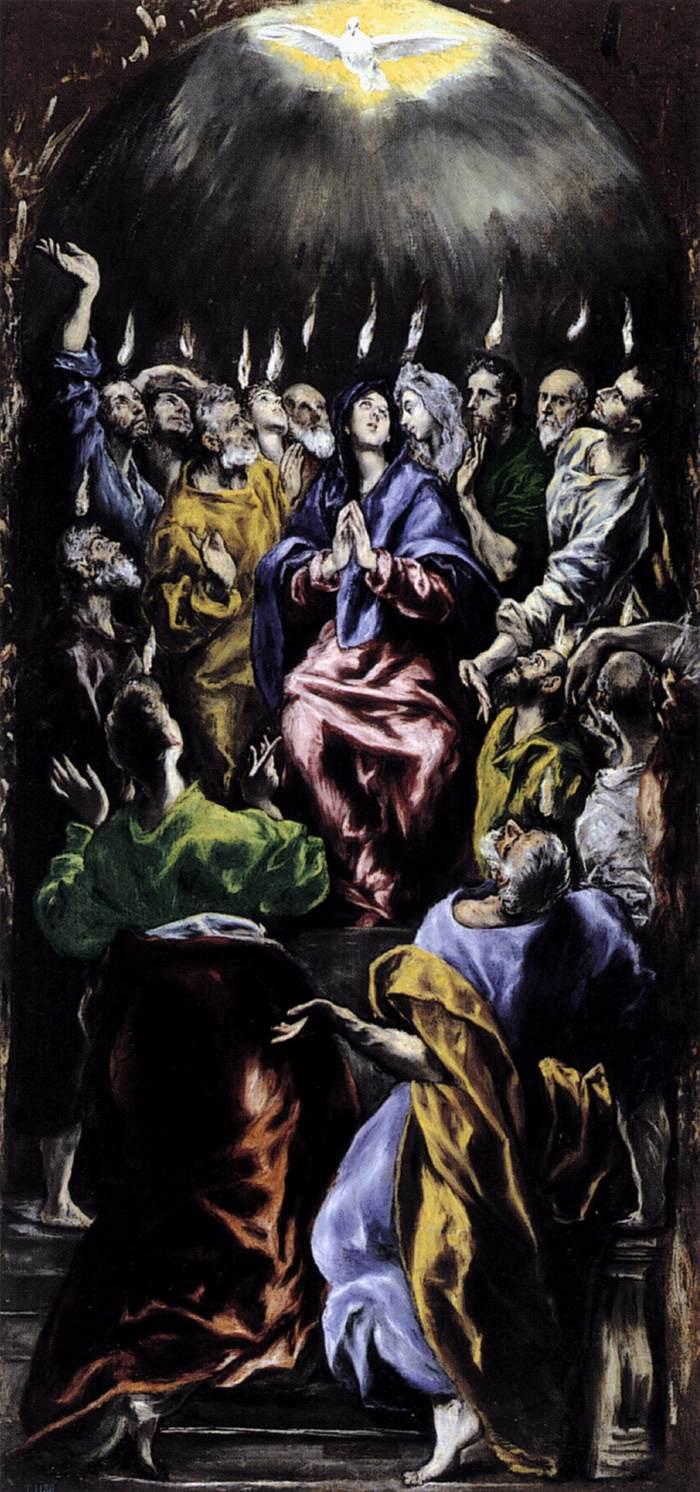
Read
Sacred Art
2026-05-22
The Apostolic Fire
Memory, martyrdom, and the visual language of witness.
Read
Christology
11 min read / 2026-05-17
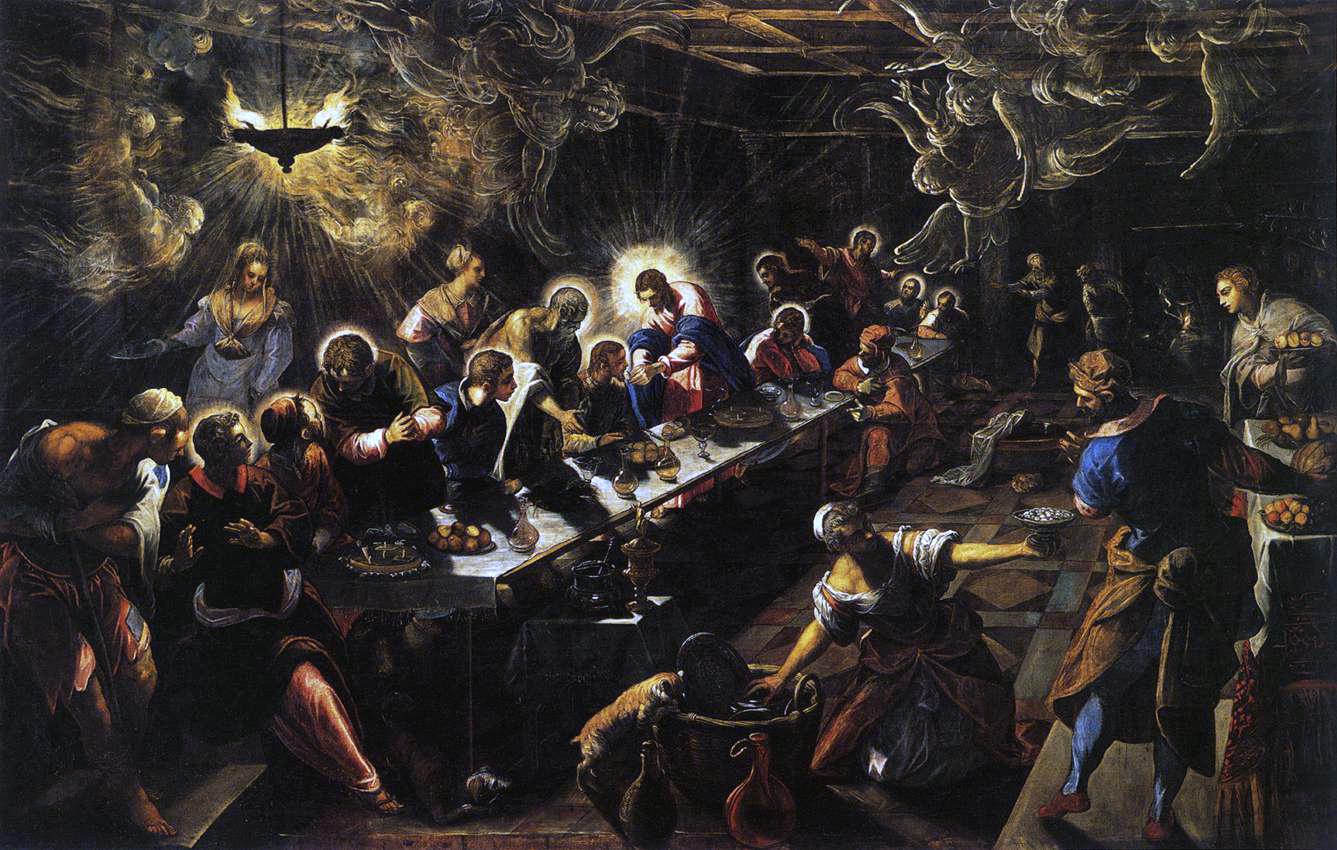
Why the Lord's Supper Divides Christians
The Eucharist is the most thoroughly attested practice of the earliest Church — and the single sacrament that has done the most to keep Christians apart. The reason is not pettiness. It is Christology.
Read
Christology
10 min read / 2026-05-17
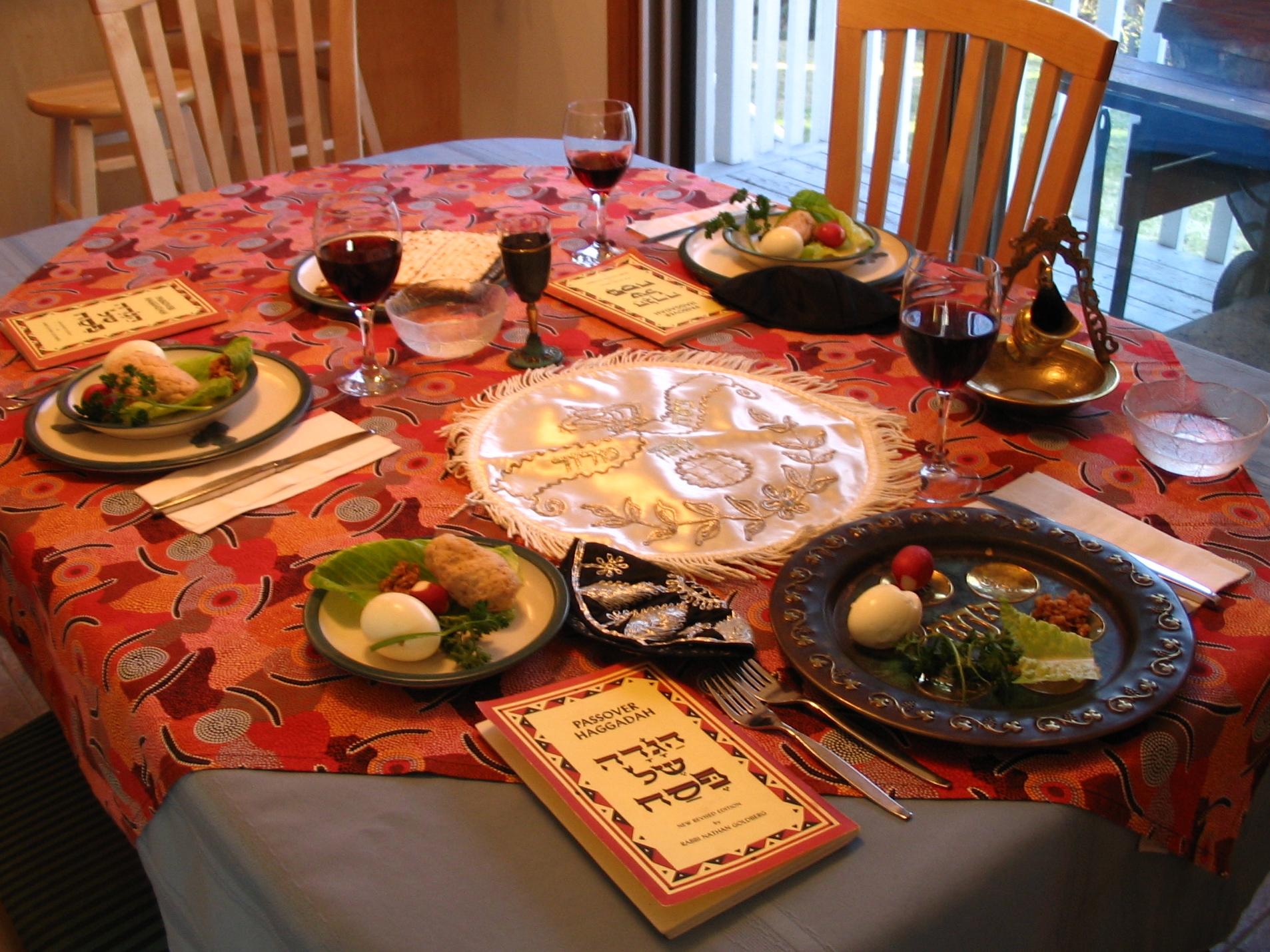
The Jewish Roots of Christian Easter
Easter is not a Christian appropriation of pagan spring rites. It is the Christian fulfillment of the Jewish Passover — and the New Testament insists on this from its earliest layer.