Articlepublished
The Theotokos: Why Mary's Title Is a Claim About Christ
By Christian Garces2026-05-152 min read
Release2026-05-15
Read time2 min read
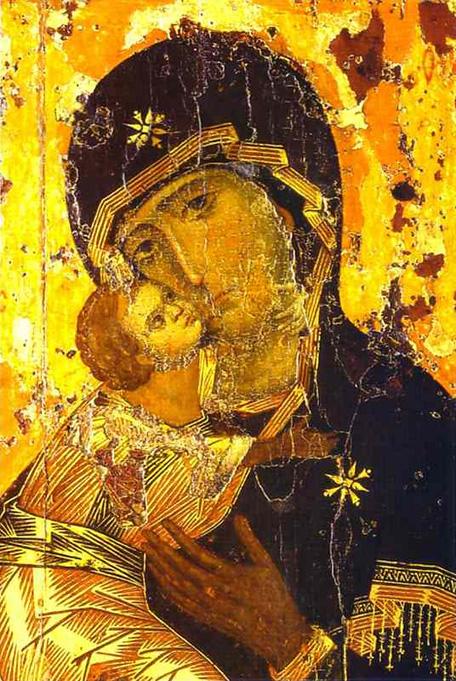
The word Theotokos — God-bearer, or Mother of God — appears in Egyptian Christian papyri as early as the third century and was in widespread liturgical use by the fourth. In 428, Nestorius, the newly installed Archbishop of Constantinople, objected to it. His alternative: Christotokos, 'bearer of Christ.' Mary gave birth to the human nature of Christ, he argued, not to his divine nature. The eternal Word did not come from a woman's womb.
This sounds like a reasonable theological distinction. It was, in fact, a catastrophic theological error — and Cyril of Alexandria saw why. If Christ is two natures in such a way that the divine and human are separable persons, then what was crucified was only the man Jesus, and God the Word stood at a distance. A divided Christ cannot unite God and humanity. Salvation requires that the one who dies is really and truly God.
The Council of Ephesus in 431 condemned Nestorius and affirmed the Theotokos. The formula agreed upon at Chalcedon in 451 went further: one person (hypostasis), two natures, unconfused and unseparated. The Theotokos title encodes this formula. When you say 'God-bearer,' you are saying that Mary bore a single personal subject, and that subject is the eternal Son — not a human being who happened to be specially connected to the Word, but the Word himself in human flesh.
The theological explosion of Marian devotion in the East and eventually the West is, at root, a response to this Christology. The icons of the Theotokos holding the Christ child are not about venerating Mary as a goddess. They are visual statements about the Incarnation: the one in her arms is the Logos through whom all things were made. Every icon of mother and child is an icon of the hypostatic union.
Many Protestants rightly want to guard worship from idolatry — and the instinct is sound. The early Christological use of Theotokos, however, was not meant to exalt Mary above Christ, but to protect the confession that the child born of her is one person: the eternal Son in human flesh. To call Mary the God-bearer is first a claim about Christ, not about Mary. The Orthodox and Catholic traditions have argued for fifteen centuries that the title guards the full divinity of Christ, not that it elevates Mary to divine status. The debate is, at its center, a Christological one — and that is the frame in which it should be understood.
Continue Exploring
The title 'Theotokos' — God-bearer — was not primarily a statement about Mary. It was a statement about the identity of her son. Nestorius refused it. The Council of Ephesus defined it.
The Studio Brief
Theology Delivered Weekly
Essays on the Fathers, sacred art, cosmology, and the hidden logic of Christian doctrine — sent directly to your inbox. No noise. No filler.
Weekly
Cadence
Free
Always
Patristic
Focus
Related
Browse Archive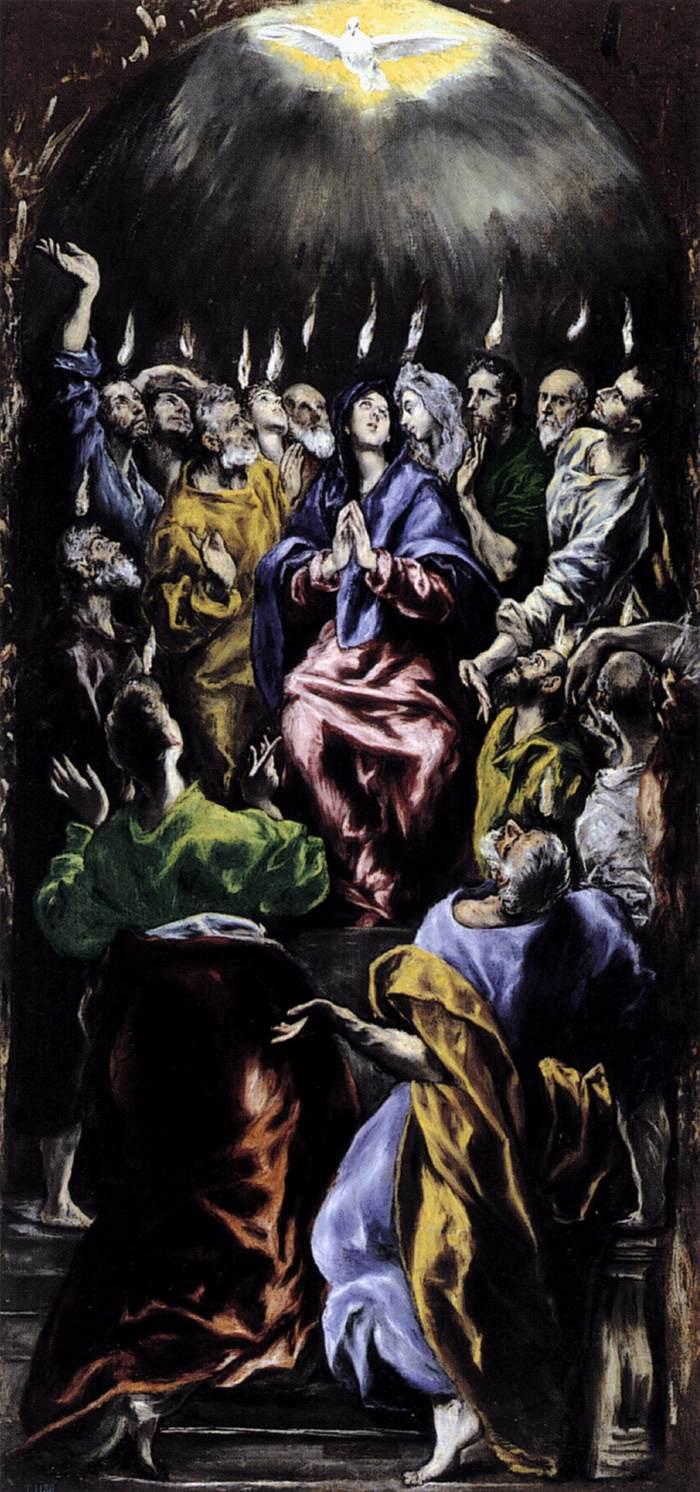
Read
Sacred Art
2026-05-22
The Apostolic Fire
Memory, martyrdom, and the visual language of witness.
Read
Christology
11 min read / 2026-05-17
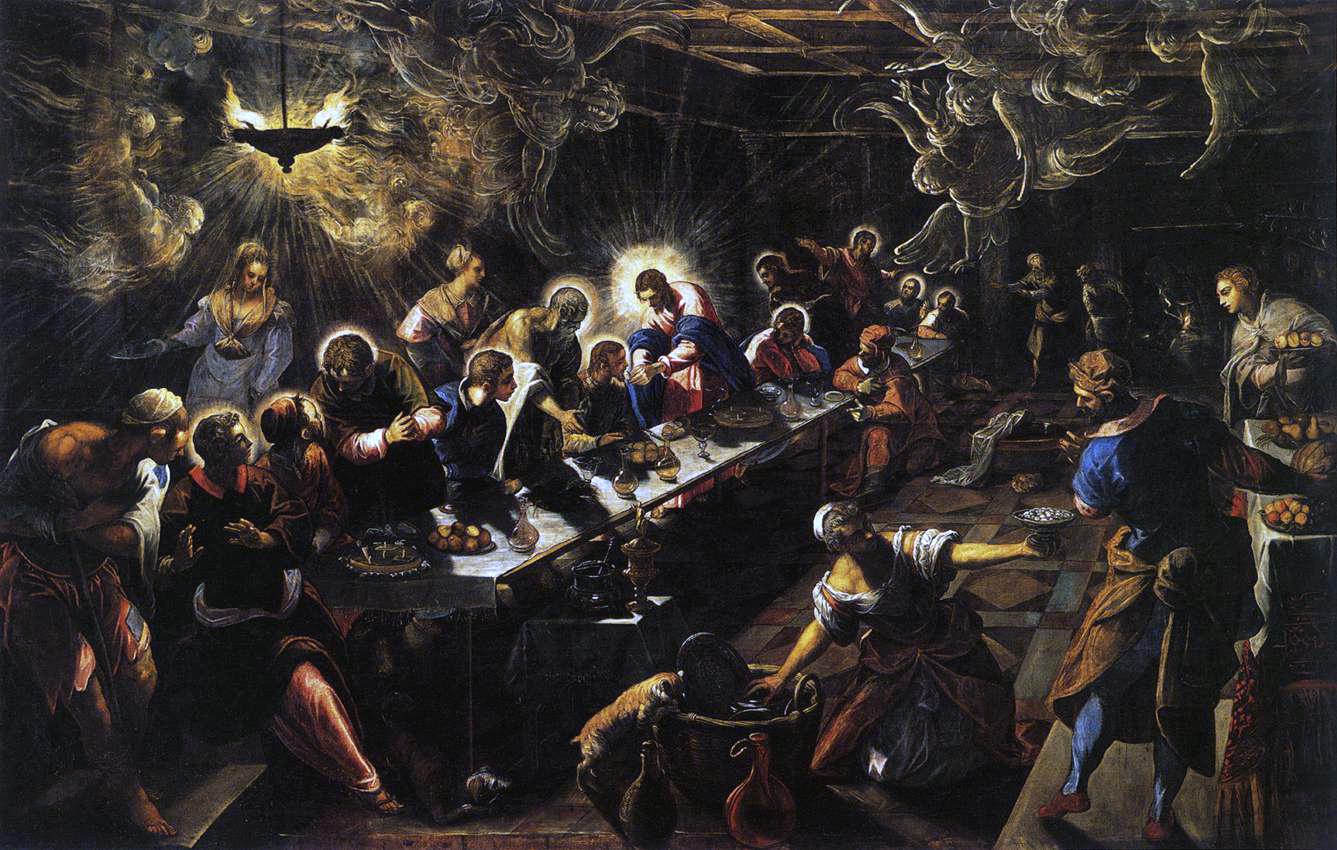
Why the Lord's Supper Divides Christians
The Eucharist is the most thoroughly attested practice of the earliest Church — and the single sacrament that has done the most to keep Christians apart. The reason is not pettiness. It is Christology.
Read
Christology
10 min read / 2026-05-17
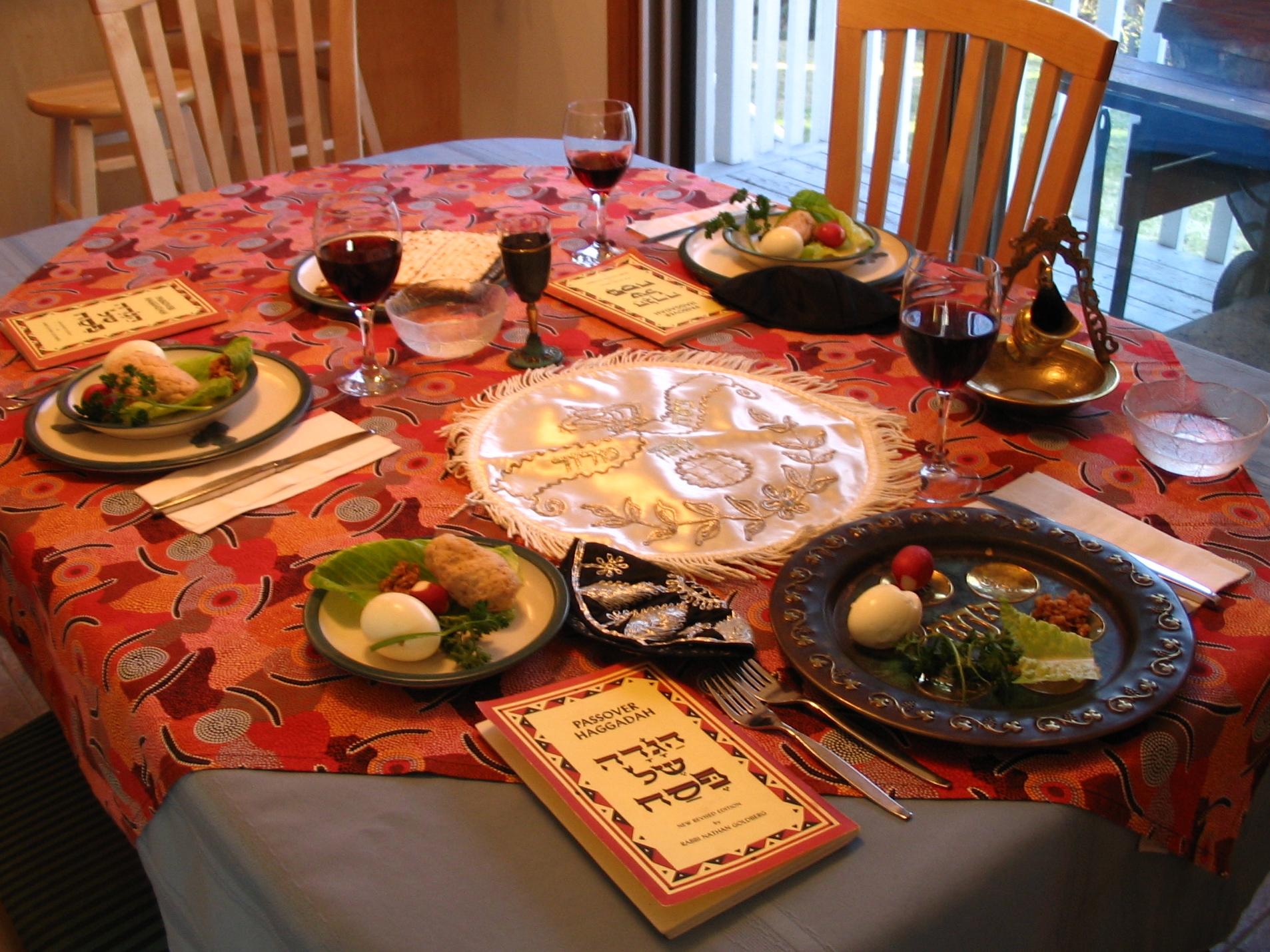
The Jewish Roots of Christian Easter
Easter is not a Christian appropriation of pagan spring rites. It is the Christian fulfillment of the Jewish Passover — and the New Testament insists on this from its earliest layer.