Articlepublished
The Septuagint: How the Greek Old Testament Shaped Christianity
By Christian Garces2026-05-154 min read
Release2026-05-15
Read time4 min read
The Translation That Made Christianity Possible
The Septuagint — abbreviated LXX for the legendary seventy-two translators who produced it — is the Greek translation of the Hebrew Scriptures made in Alexandria, Egypt, beginning in the third century BC. For most of the first century Church, it was simply Scripture. When Paul writes that "All scripture is God-breathed and profitable for doctrine," the word translated "scripture" (graphē) referred primarily to the Septuagint. When Matthew writes that a prophecy was "fulfilled," he is almost always quoting the LXX. When the author of Hebrews sets out the elaborate typological argument that Christ is the true high priest, his entire exegetical base is the Greek text of the Psalms and Pentateuch.
This matters enormously. The LXX is not a secondary resource for understanding the New Testament. It is the linguistic and conceptual world inside which the New Testament was written.
How It Came to Exist
The Letter of Aristeas, a second-century BC document, gives the legendary account: Ptolemy II Philadelphus of Egypt requested that the Jewish Scriptures be translated into Greek for his famous Library of Alexandria. Seventy-two elders from Jerusalem — six from each tribe — were brought to the island of Pharos and translated the Pentateuch in seventy-two days, producing identical texts through divine inspiration. Later tradition expanded the miracle to cover the entire Hebrew canon and rounded the number to seventy.
The historical reality is more complex and more interesting. The Septuagint was not produced in a single moment by a royal commission. It was translated over centuries, by different hands, in different places, for different communities of Greek-speaking Jews living in the diaspora — particularly in Alexandria, which had one of the largest Jewish communities in the ancient world. The result is a collection of texts with varying quality, varying translation philosophy, and in some cases significant differences from the Hebrew texts we now have. Some books of the LXX are close, careful renderings; others are paraphrastic expansions; the book of Job in the LXX is roughly one-sixth shorter than in the Hebrew.
Origen and the Hexapla
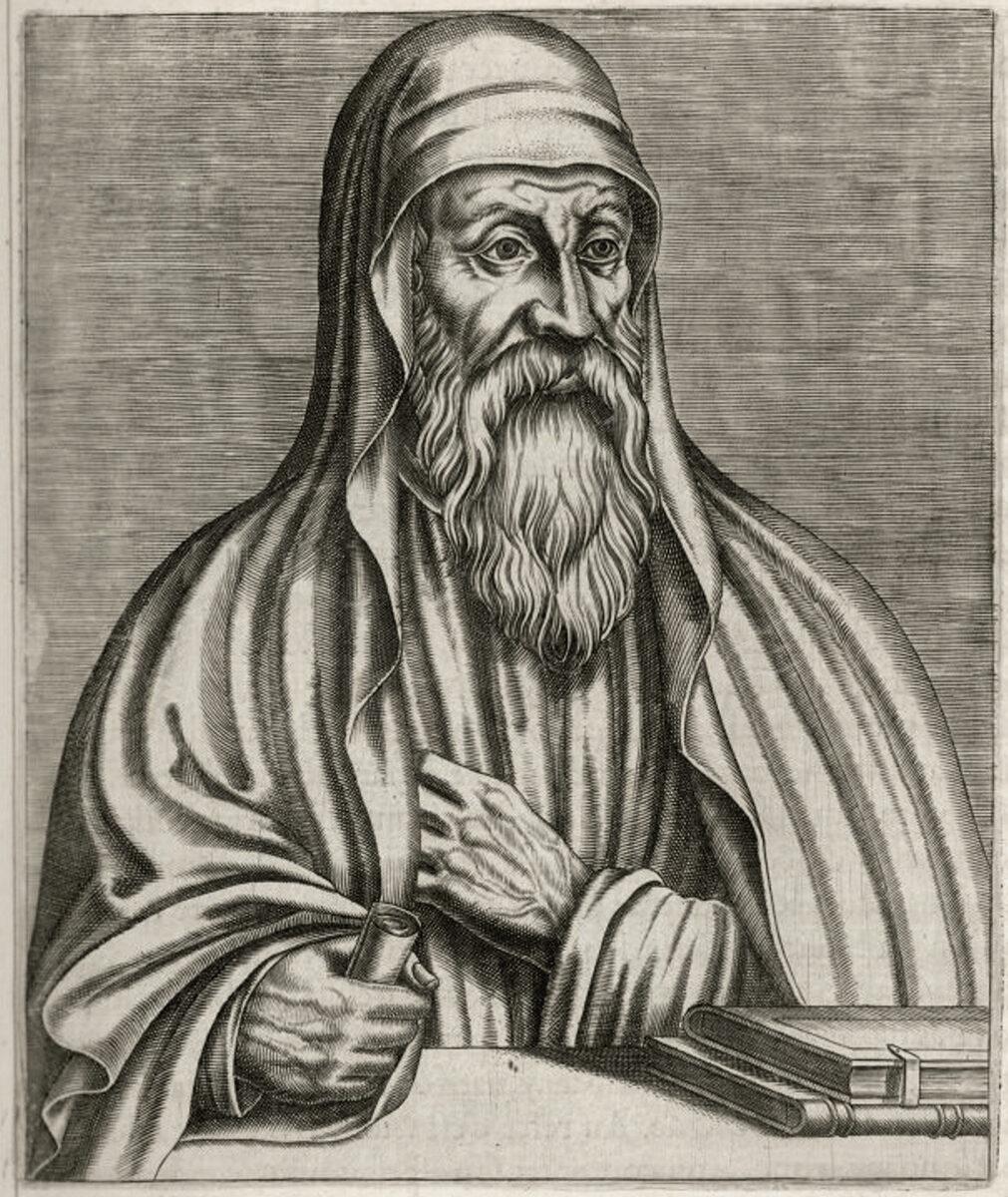
The theological significance of the differences between the Greek and Hebrew texts was already being debated in the second century. The most ambitious effort to address this was made by Origen of Alexandria (c. 185–253 AD), the most prodigiously learned biblical scholar of the patristic era. In the Hexapla — a monumental work whose full text has never survived — Origen arranged six versions of the Old Testament in parallel columns: the Hebrew text, a Greek transliteration of the Hebrew, and four Greek translations including the Septuagint. He marked with critical signs where the LXX differed from the Hebrew, where it had additions, and where it had omissions.
Origen's goal was to understand these differences, not to replace the Septuagint. But his work demonstrates that the question of textual authority — which text? whose text? — was already alive and contested in the third century. The debate would continue through Jerome's translation of the Vulgate from the Hebrew in the late fourth century, through the Reformation's preference for the Hebrew Masoretic Text over the Septuagint, and into modern textual scholarship, which has found that the LXX sometimes preserves readings older than anything in the Masoretic tradition.
What the LXX Changed
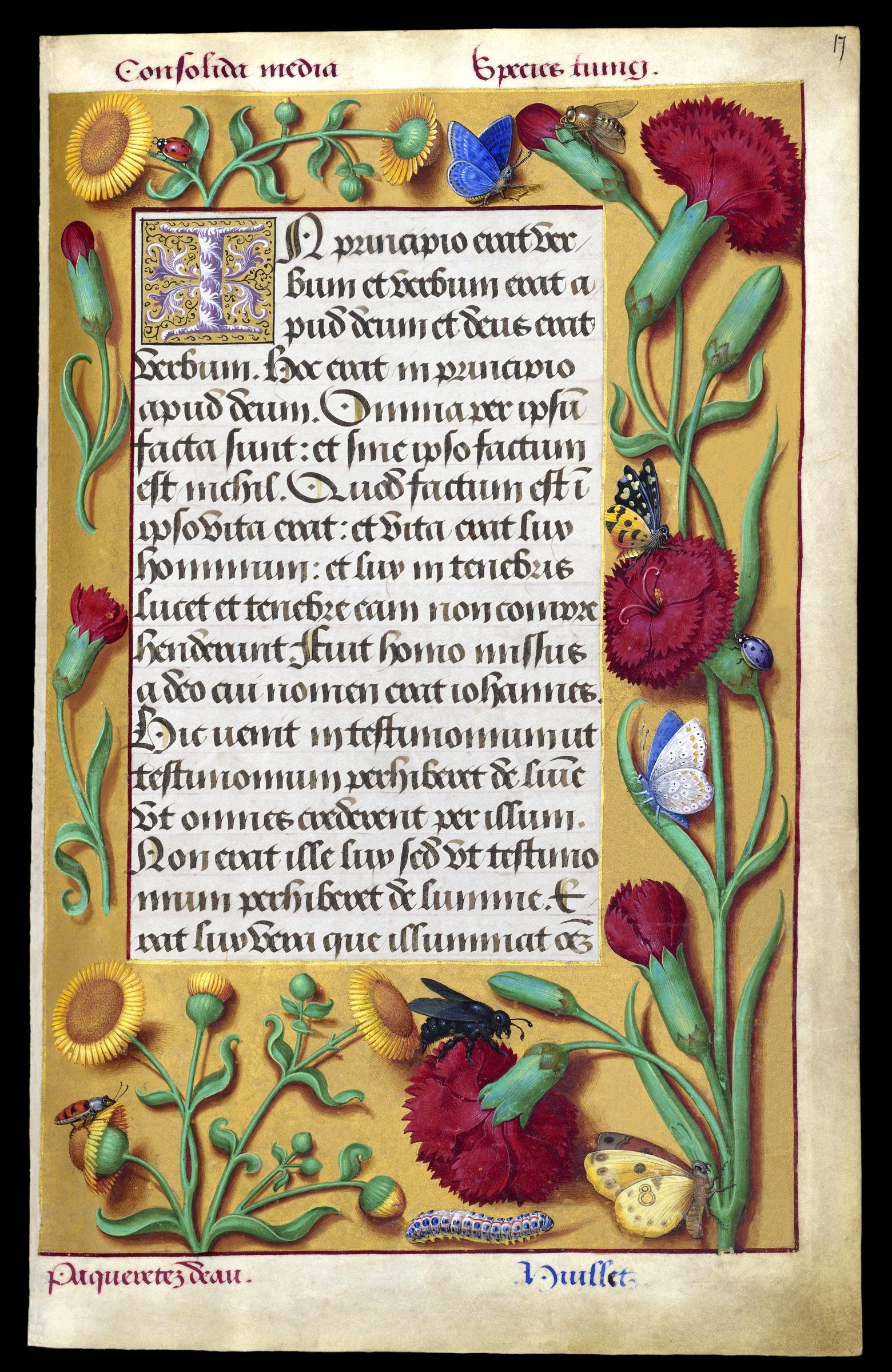
The Septuagint did something that transcended translation. Putting the Hebrew Scriptures into Greek introduced the Jewish theological vocabulary into the most widely spoken intellectual language of the ancient Mediterranean. Words that carried enormous weight — logos, pneuma, kyrios, doxa — acquired new depths when they became the standard renderings of Hebrew equivalents. When John chooses to open his Gospel with "In the beginning was the Logos," he is not borrowing from Greek philosophy alone. He is standing inside the Septuagintal tradition in which logos has been doing theological work for centuries.
This is why the LXX cannot be dismissed as a derivative translation. It is the vessel in which Greek-speaking Jews and then Greek-speaking Christians preserved and transmitted the faith. The early Church Fathers — most of whom could not read Hebrew — knew Scripture through the Septuagint. Their theology was shaped by its vocabulary, its ordering, its included books (the so-called deuterocanonical texts, such as Sirach, Wisdom, Tobit, and Maccabees, which the LXX includes but the Hebrew Masoretic canon does not). The ongoing debate over which books belong in the Christian Old Testament is, at its root, a debate about whether the Septuagint or the Hebrew canon is normative — a debate that has never been fully resolved across the traditions and that is still live today.
Continue Exploring
Before the New Testament existed, Jesus, Paul, and the apostles quoted Scripture from a Greek translation made in Alexandria. The Septuagint was not a translation the Church adopted — it was the Bible the Church was born reading.
The Studio Brief
Theology Delivered Weekly
Essays on the Fathers, sacred art, cosmology, and the hidden logic of Christian doctrine — sent directly to your inbox. No noise. No filler.
Weekly
Cadence
Free
Always
Patristic
Focus
Related
Browse Archive
Read
Sacred Art
2026-05-22
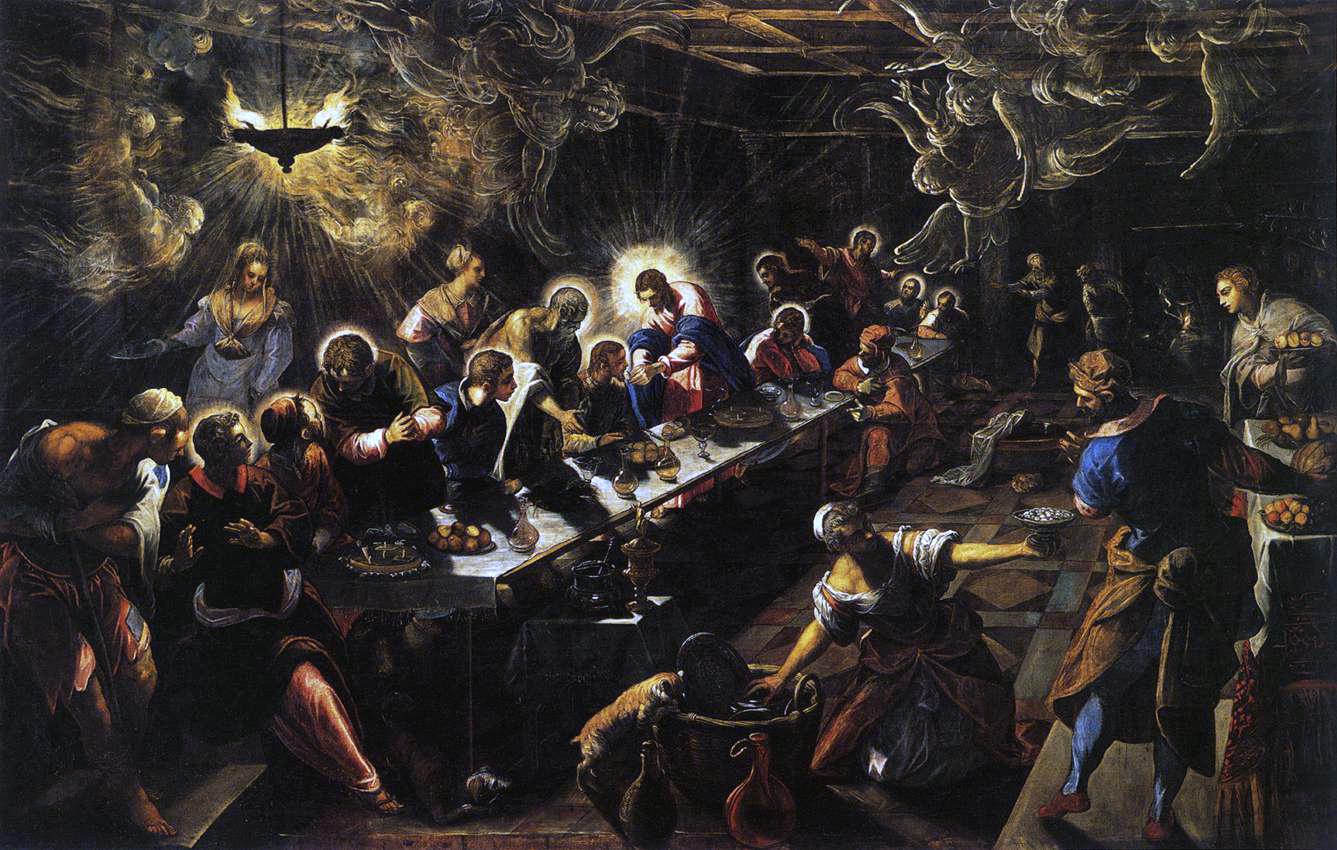
The Apostolic Fire
Memory, martyrdom, and the visual language of witness.
Read
Christology
11 min read / 2026-05-17
Why the Lord's Supper Divides Christians
The Eucharist is the most thoroughly attested practice of the earliest Church — and the single sacrament that has done the most to keep Christians apart. The reason is not pettiness. It is Christology.

Read
Christology
10 min read / 2026-05-17
The Jewish Roots of Christian Easter
Easter is not a Christian appropriation of pagan spring rites. It is the Christian fulfillment of the Jewish Passover — and the New Testament insists on this from its earliest layer.