Articlepublished
The Armor of God: What Ephesians 6 Actually Describes
By Christian Garces2026-05-154 min read
Release2026-05-15
Read time4 min read
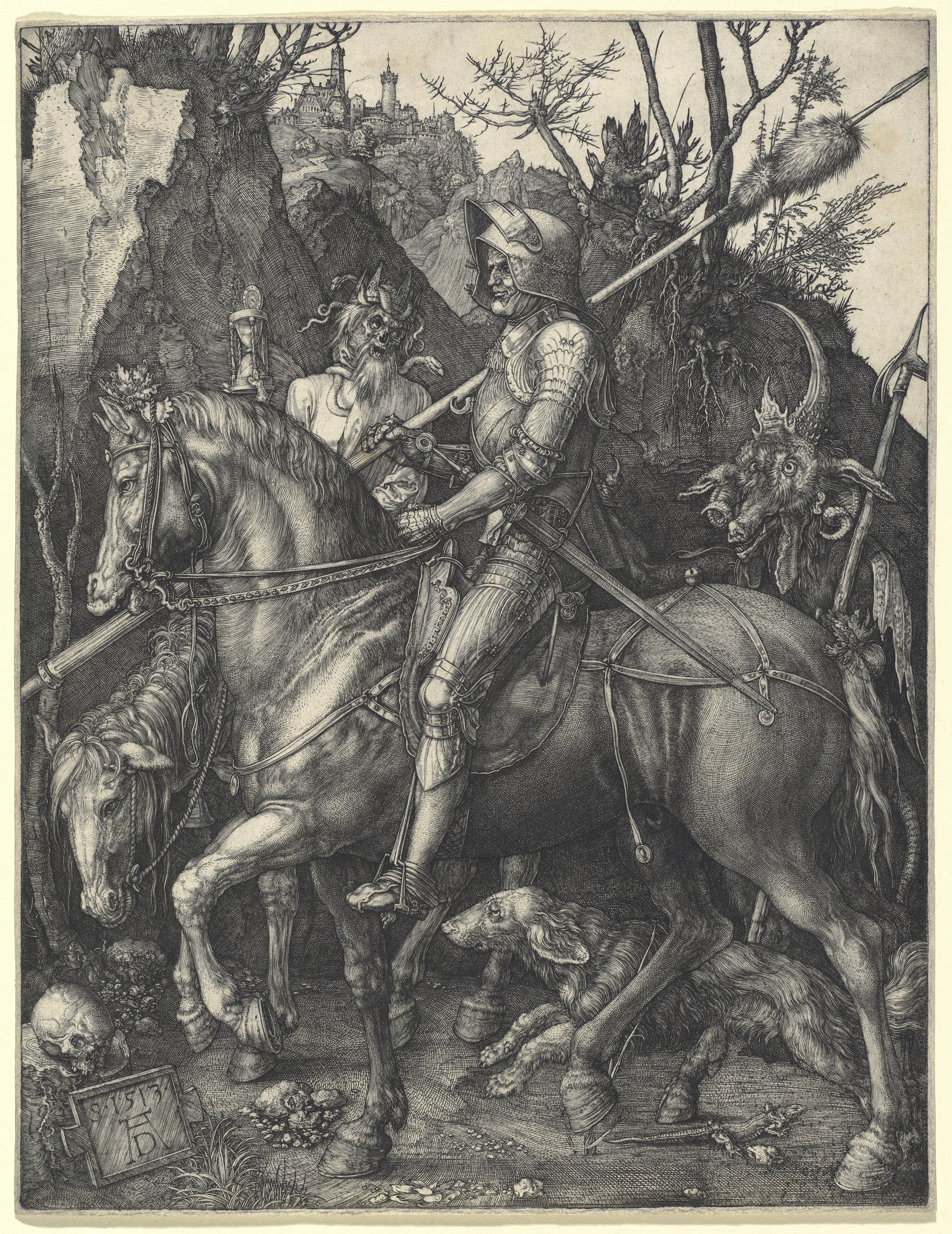
The Territory of the Fight
Paul's letter to the Ephesians closes with one of the most striking passages in the New Testament: "Finally, be strong in the Lord and in the strength of his might. Put on the whole armor of God, that you may be able to stand against the schemes of the devil. For we do not wrestle against flesh and blood, but against the rulers, against the authorities, against the cosmic powers over this present darkness, against the spiritual forces of evil in the heavenly places." (Ephesians 6:10–12)
The passage has been reduced by centuries of popular Christian usage to a metaphor for resisting personal temptation. Individual vices — lust, greed, anger — are mapped onto demonic opponents, the armor is mapped onto spiritual disciplines, and the whole becomes a framework for moral self-improvement. This reading is not entirely wrong, but it misses the cosmological scale at which Paul is operating. He is not describing individual moral struggles. He is describing the Church's position in a war that is playing out behind and within human history.
The Adversaries Paul Names
The Greek terms Paul uses — archai, exousiai, kosmokratores, pneumatika tēs ponērias — are not vague spiritual abstractions. They are the technical vocabulary of the divine council worldview that runs through the entire biblical canon. Archai and exousiai (rulers and authorities) appear throughout Paul's letters as real supra-human entities whose authority over the nations was established at the division of Babel (Deuteronomy 32:8-9) and whose defeat is one of the central accomplishments of Christ's death and resurrection (Colossians 2:15, 1 Corinthians 15:24–26). Kosmokratores — "cosmic powers" or "world rulers" — is a term drawn from contemporary astral theology, language for the beings believed to govern the celestial spheres that shaped earthly events. Paul is not borrowing this language carelessly. He is telling his readers that the forces they face are real, powerful, and identified.
The phrase "in the heavenly places" (en tois epouraniois) is particularly important. It recurs five times in Ephesians and each time refers to the same realm: the heavenly dimension that overlaps with earthly history, the territory where the hostile powers operate and where Christ now reigns. The battle is not in a separate supernatural plane disconnected from ordinary life. It is in the same cosmos, at a different register of reality — the register that first-century Jewish and Christian cosmology took for granted as real.
The Armor and What It Means
The six pieces of armor Paul describes — belt of truth, breastplate of righteousness, shoes of the gospel of peace, shield of faith, helmet of salvation, sword of the Spirit — draw directly on Old Testament imagery, particularly from Isaiah (11:5; 59:17) and Wisdom of Solomon (5:17–20), where God himself is described wearing similar armor as he fights for Israel. The "armor of God" is not equipment the believer manufactures for himself. It is the divine equipment — the character and power of God himself — that the believer puts on by faith.
This is why Paul frames the passage with "be strong in the Lord and in the strength of his might." The warfare is not conducted in human strength amplified by spiritual techniques. It is conducted in the strength of the one who has already defeated the hostile powers through his death and resurrection. The armor is not strategy; it is identification with the victor. The believer fights from Christ's victory rather than toward it.
Prayer as the Weapon of the War
The armor passage ends not with a sixth piece of equipment but with an instruction that undergirds all the others: "praying at all times in the Spirit, with all prayer and supplication. To that end, keep alert with all perseverance, making supplication for all the saints." (6:18) Prayer, in this framework, is not primarily a petition for personal comfort. It is the mechanism by which the victory of Christ — already accomplished in the heavenly places — is extended and declared on the ground. The Church's prayer is a participation in the proclamation that the hostile powers' authority has been broken, that the true King has been enthroned, and that his Kingdom is coming.
The Desert Fathers, who took the warfare dimensions of the New Testament most seriously, made prayer and watchfulness (nepsis) the central practices of the spiritual life precisely because they understood what Ephesians 6 describes: that the interior life of the believer is the terrain on which the larger cosmic battle becomes visible. The battle is not primarily between civilizations or political systems. It is for the human soul — and the human soul, protected by divine armor and sustained by unceasing prayer, is the territory the hostile powers cannot hold against the one who has already defeated them.
Continue Exploring
Ephesians 6 is not a metaphor for moral self-improvement. It is a combat manual for people Paul believes are fighting a real war against real adversaries in real heavenly places.
The Studio Brief
Theology Delivered Weekly
Essays on the Fathers, sacred art, cosmology, and the hidden logic of Christian doctrine — sent directly to your inbox. No noise. No filler.
Weekly
Cadence
Free
Always
Patristic
Focus
Related
Browse Archive
Read
Christology
10 min read / 2026-05-17
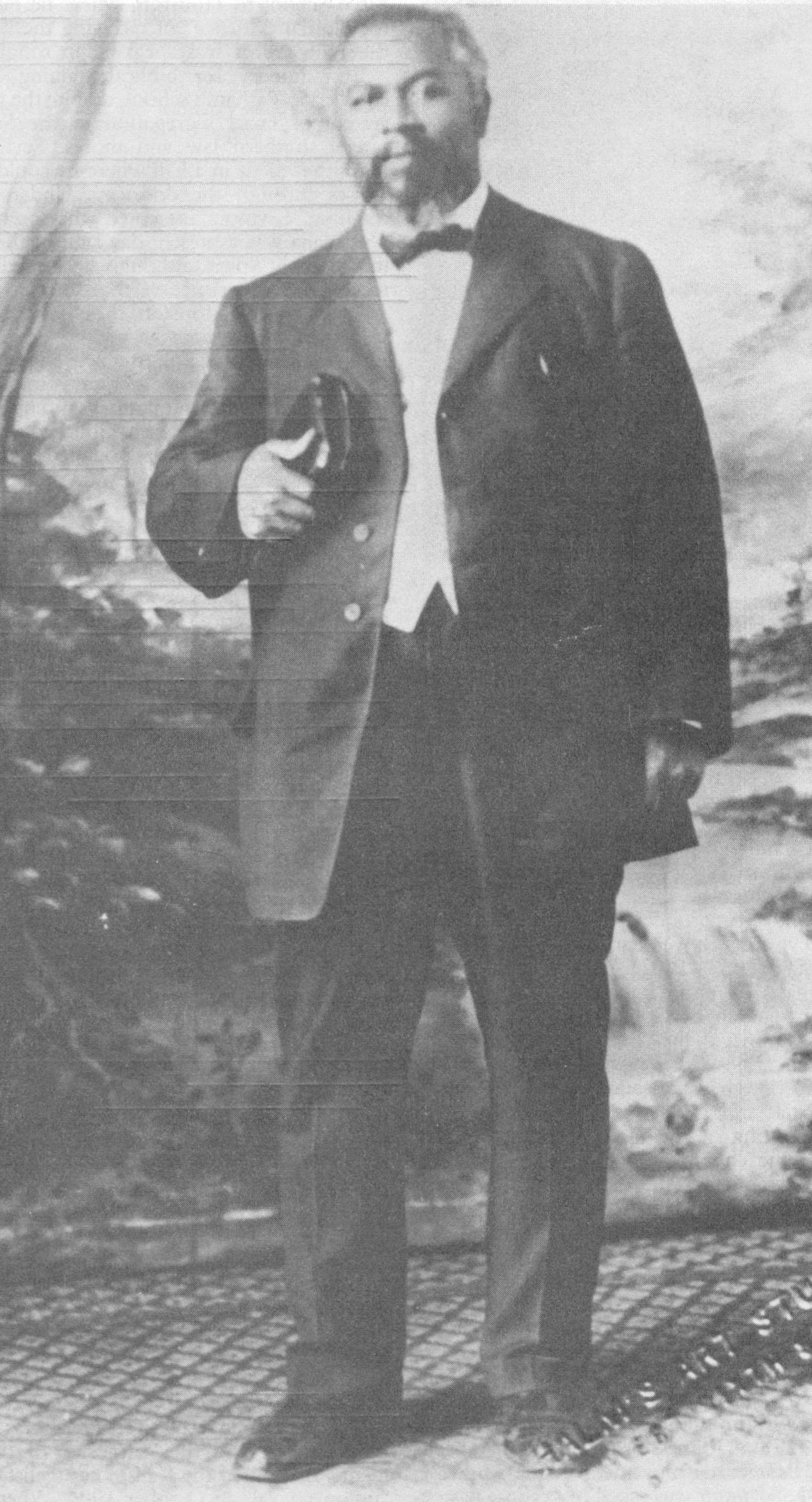
The Jewish Roots of Christian Easter
Easter is not a Christian appropriation of pagan spring rites. It is the Christian fulfillment of the Jewish Passover — and the New Testament insists on this from its earliest layer.
Read
Church Fathers
11 min read / 2026-05-17
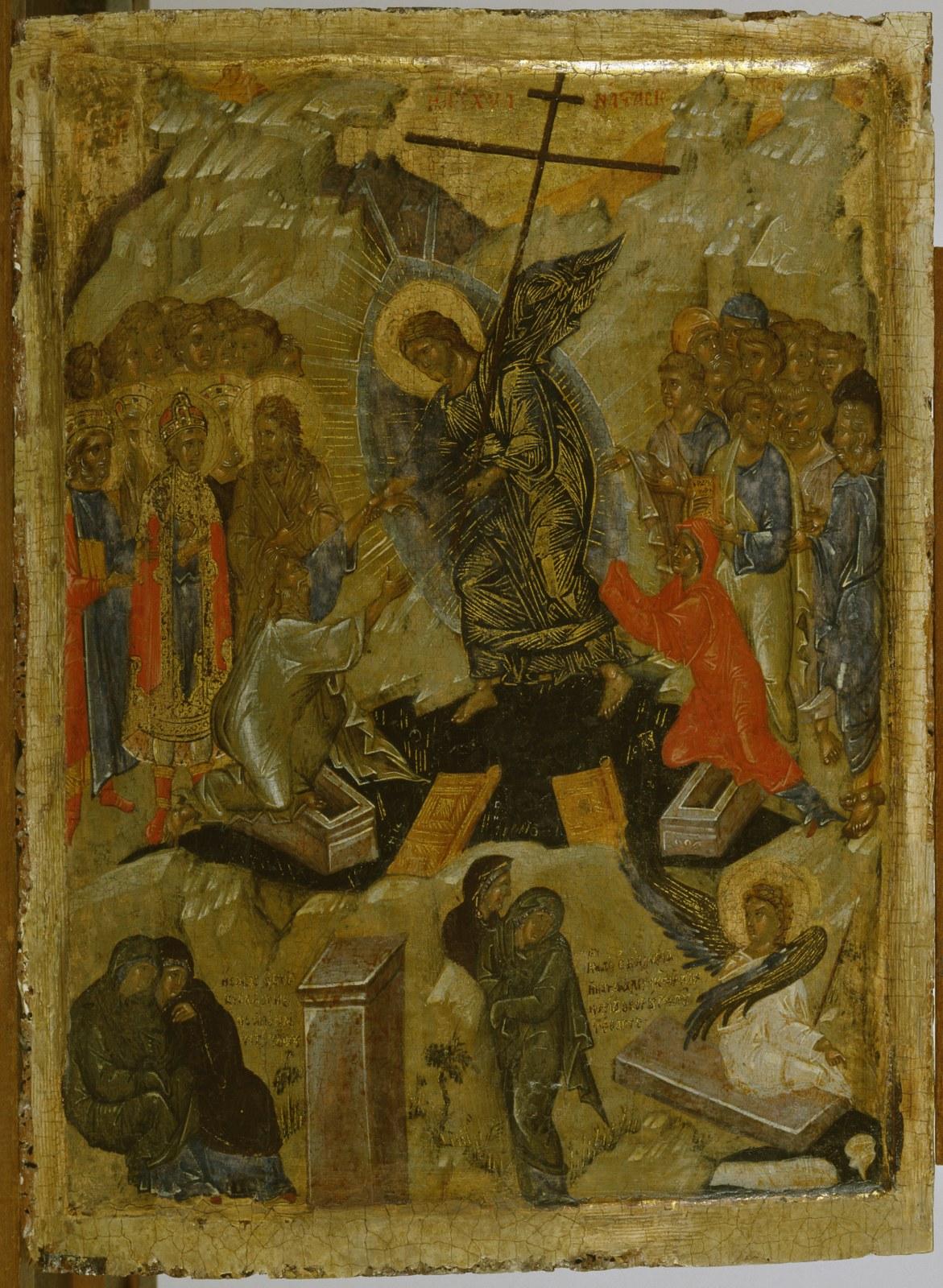
Azusa Street and the Birth of Global Pentecostalism
From a converted livery stable at 312 Azusa Street, Los Angeles, between 1906 and 1915, the second-largest stream of contemporary Christianity was born — and almost immediately segregated.
Read
Spiritual Warfare
3 min read / 2026-05-15
Christus Victor: The Atonement Model the West Forgot
Before penal substitution dominated Western theology, the early Church understood the cross primarily as a cosmic victory — Christ defeating sin, death, and the powers of darkness by entering their territory and breaking their hold from within.