Articles
Source-guided theology for readers who want depth, clarity, and reverence. These articles trace Christ through Scripture, doctrine, sacred art, councils, manuscripts, and the Church Fathers — always asking how each witness reveals the Logos.
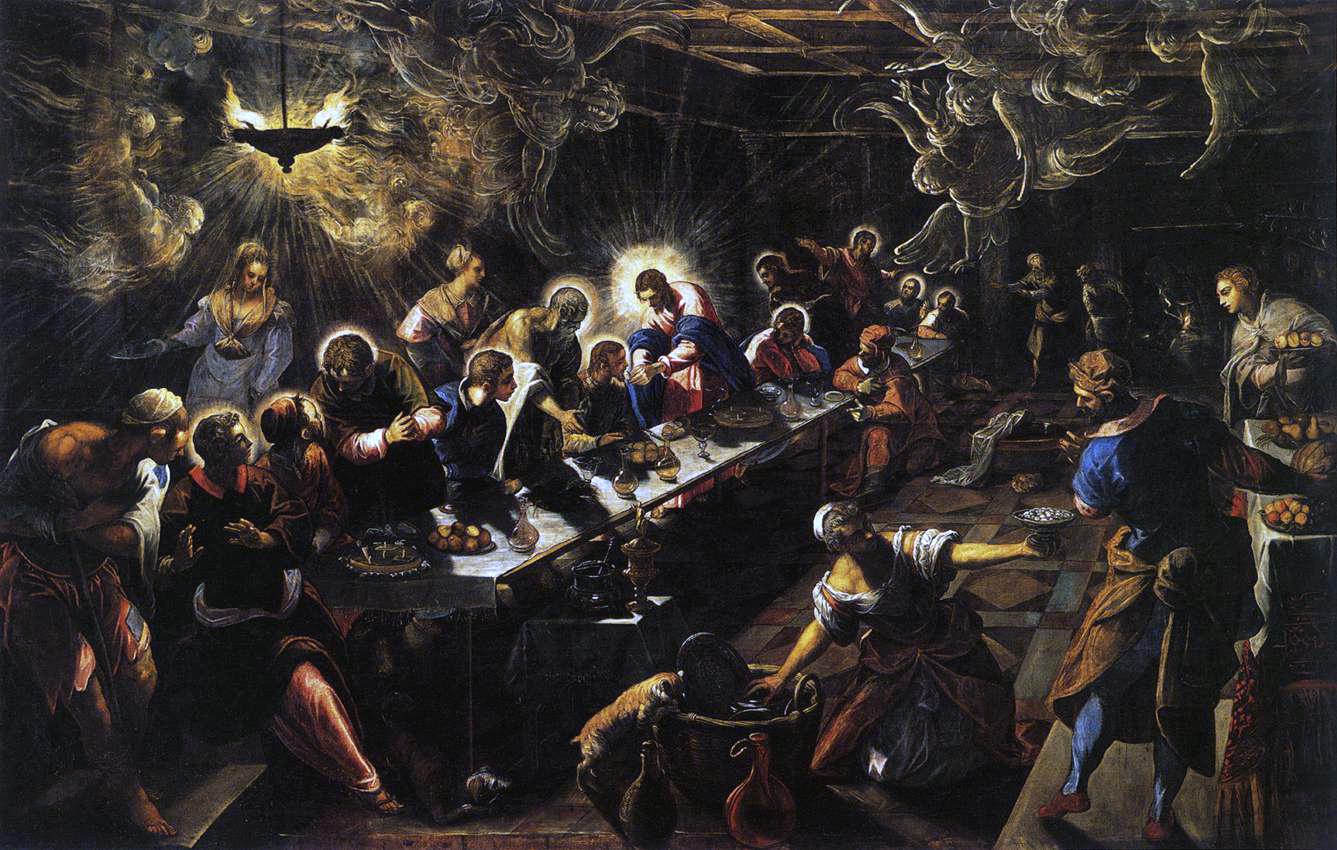
Why the Lord's Supper Divides Christians
The Eucharist is the most thoroughly attested practice of the earliest Church — and the single sacrament that has done the most to keep Christians apart. The reason is not pettiness. It is Christology.
 2026-05-17
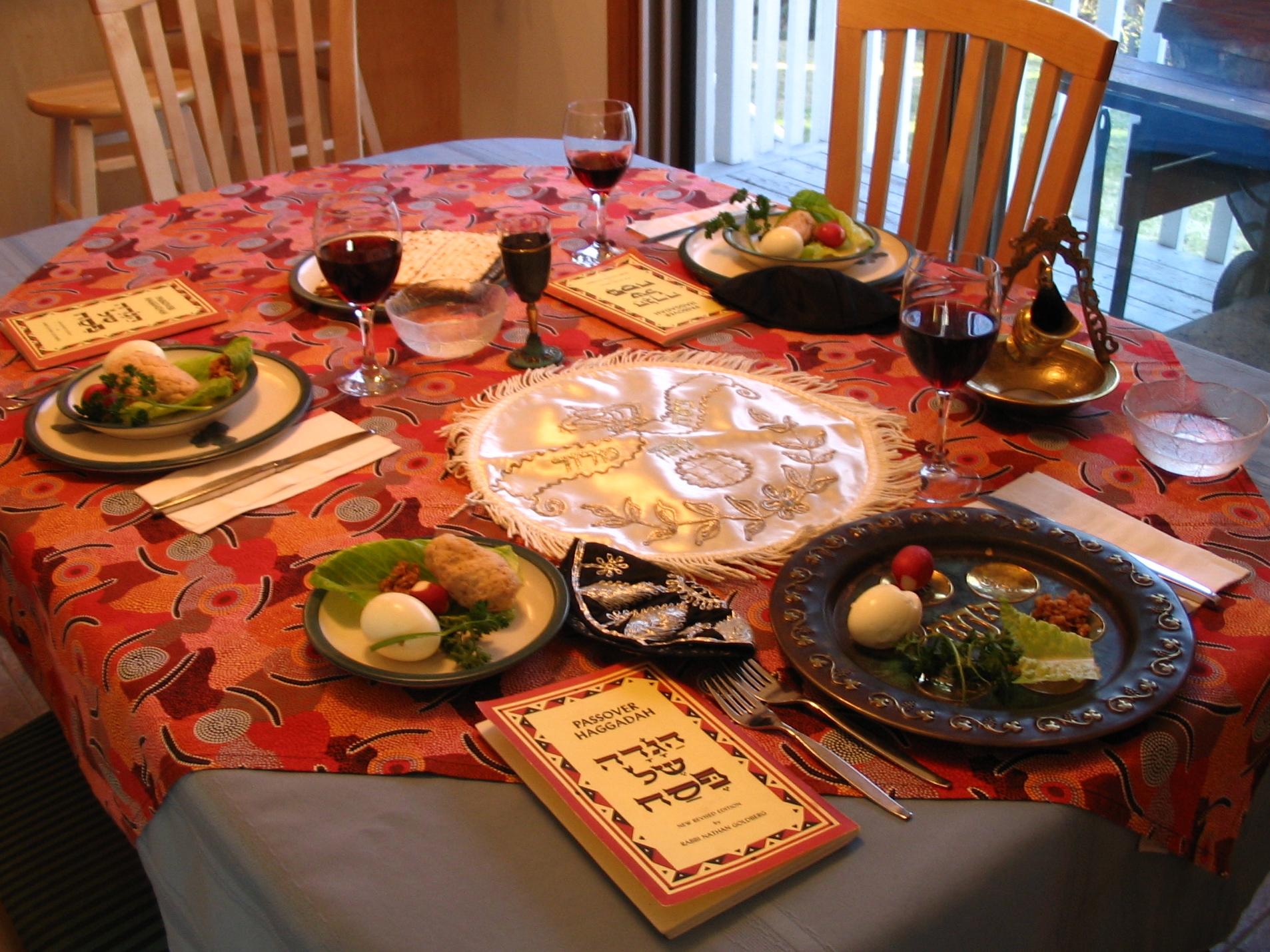
The Jewish Roots of Christian Easter
Easter is not a Christian appropriation of pagan spring rites. It is the Christian fulfillment of the Jewish Passover — and the New Testament insists on this from its earliest layer.
 2026-05-17
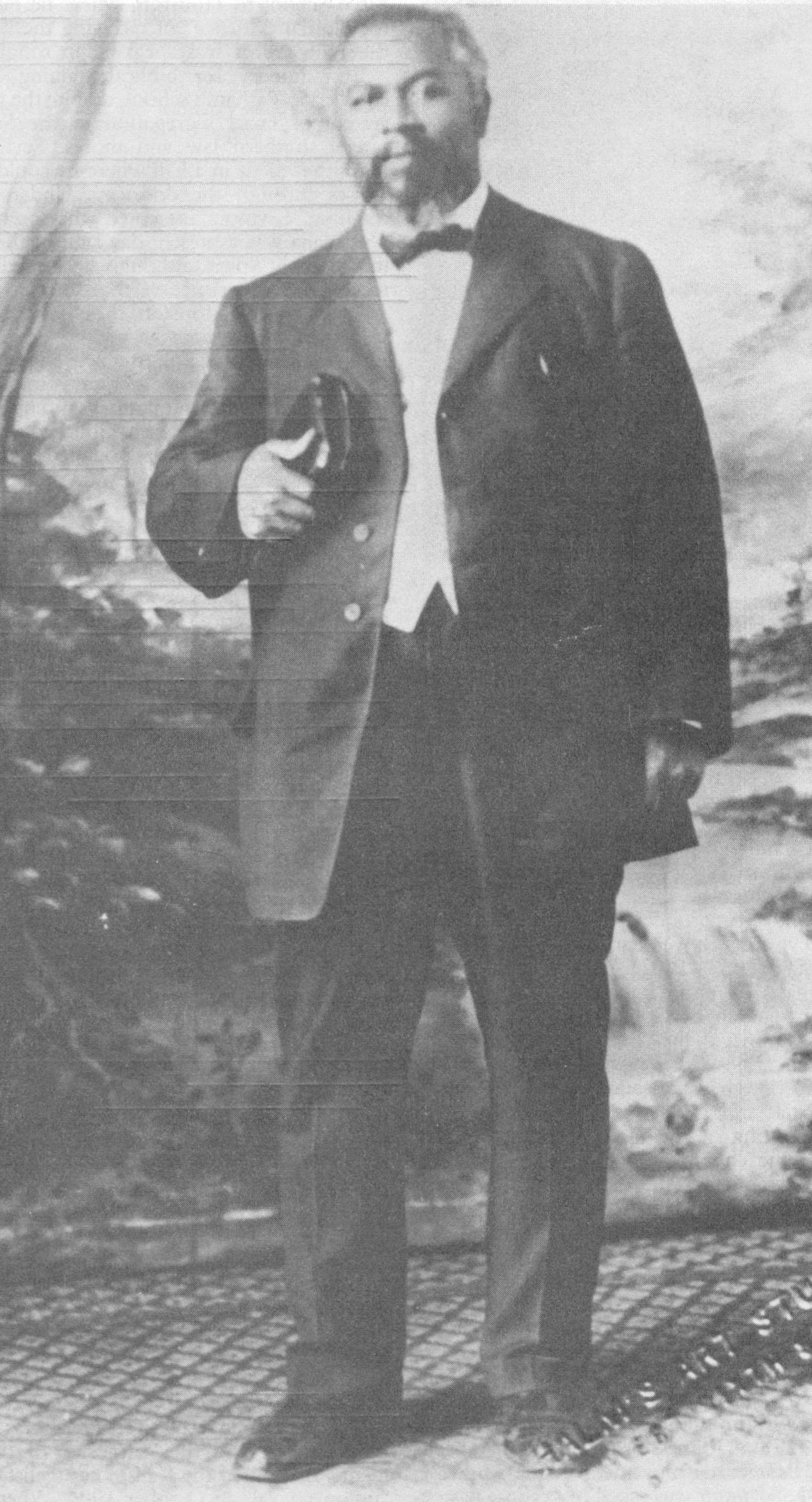
Azusa Street and the Birth of Global Pentecostalism
From a converted livery stable at 312 Azusa Street, Los Angeles, between 1906 and 1915, the second-largest stream of contemporary Christianity was born — and almost immediately segregated.
 2026-05-16
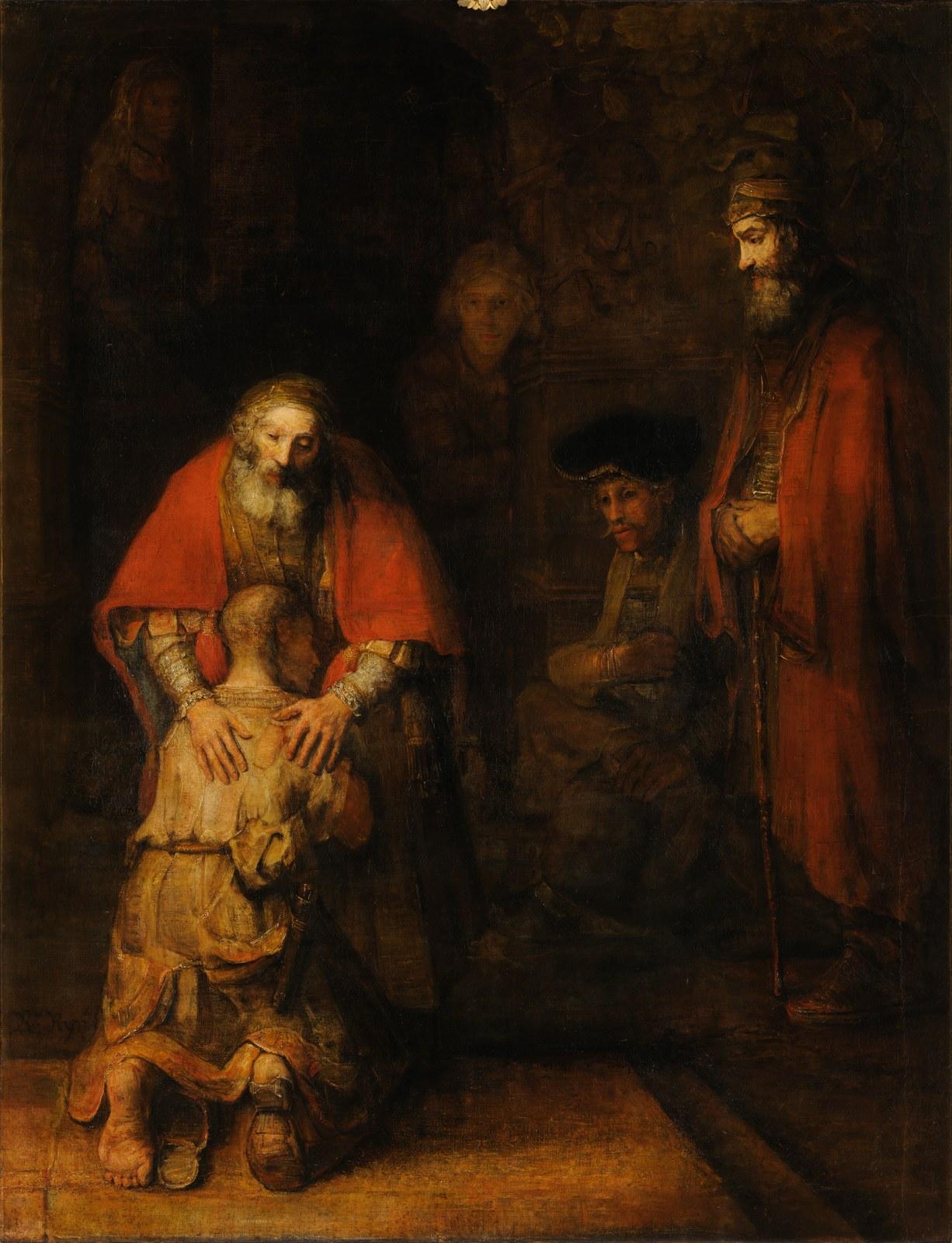
Rembrandt's Prodigal: The Father's Hands
Rembrandt painted The Return of the Prodigal Son near the end of his life, in poverty. He painted a father who has already begun running before we arrive at the scene. The hands tell the whole story.
 2026-05-15
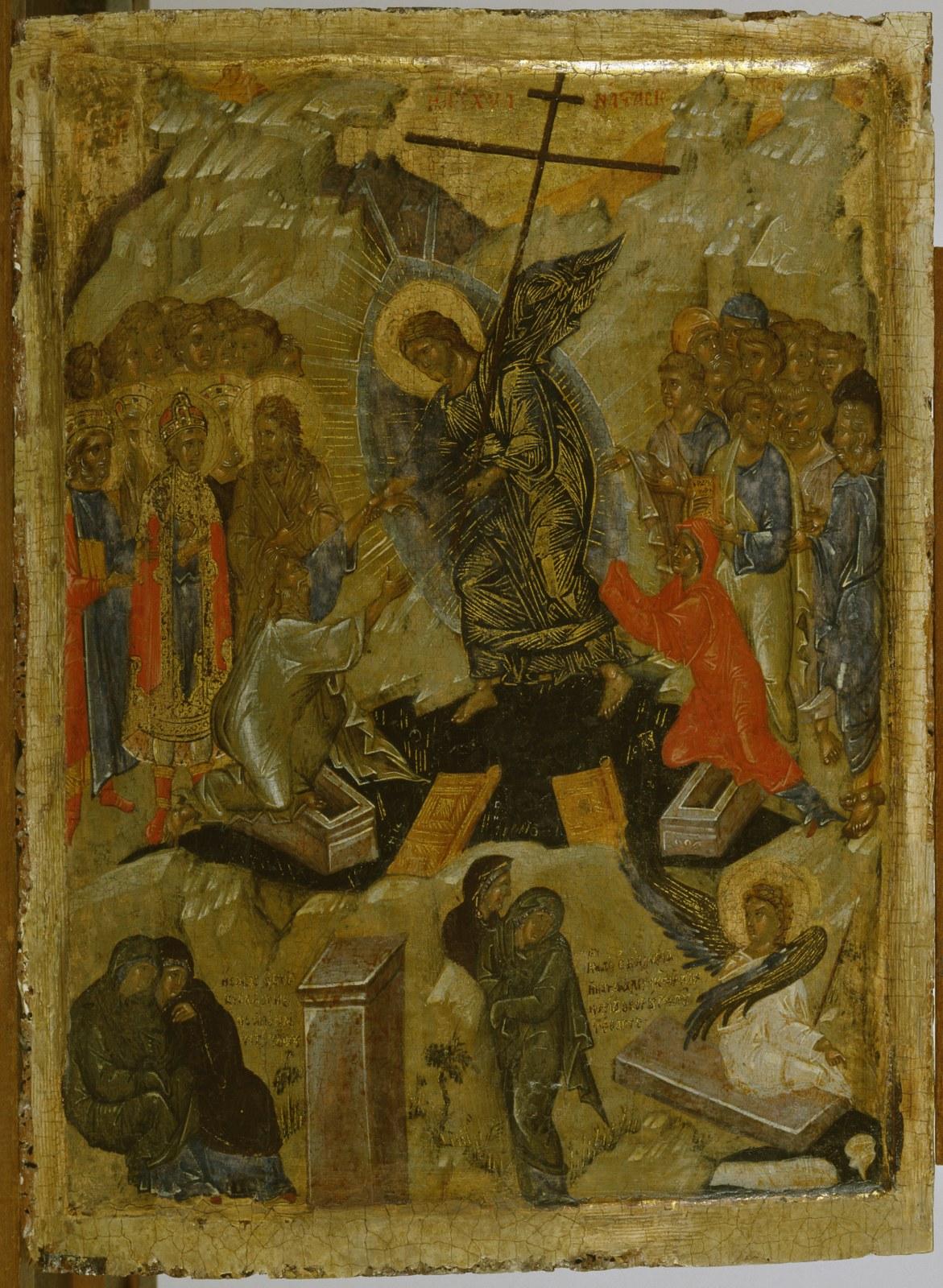
Christus Victor: The Atonement Model the West Forgot
Before penal substitution dominated Western theology, the early Church understood the cross primarily as a cosmic victory — Christ defeating sin, death, and the powers of darkness by entering their territory and breaking their hold from within.
 2026-05-15
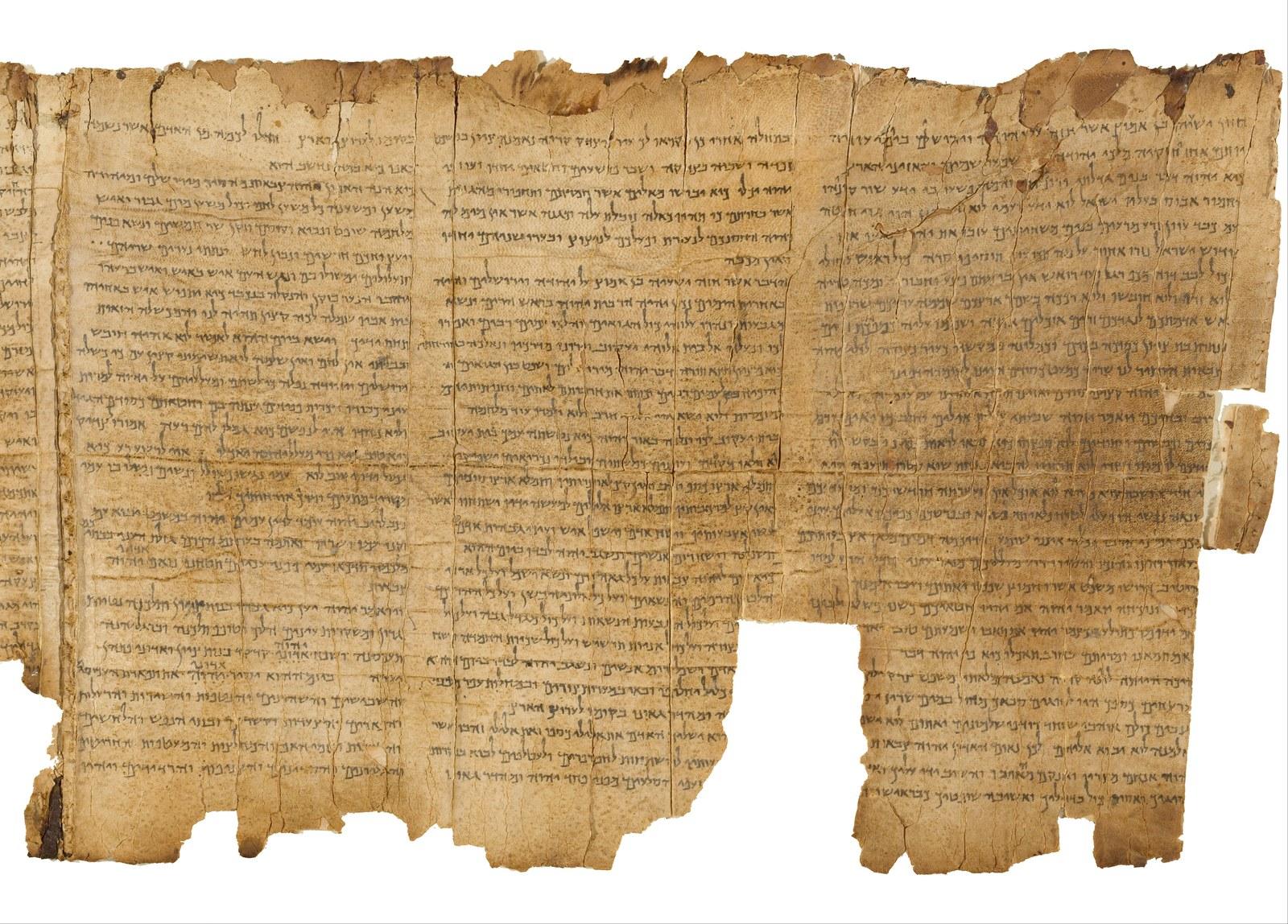
What Second Temple Jews Believed About the Universe
The New Testament was written by people who believed in a multi-tiered universe populated by divine beings, angelic hierarchies, and cosmic powers. Understanding this cosmology is not optional for understanding what the text says.
 2026-05-15
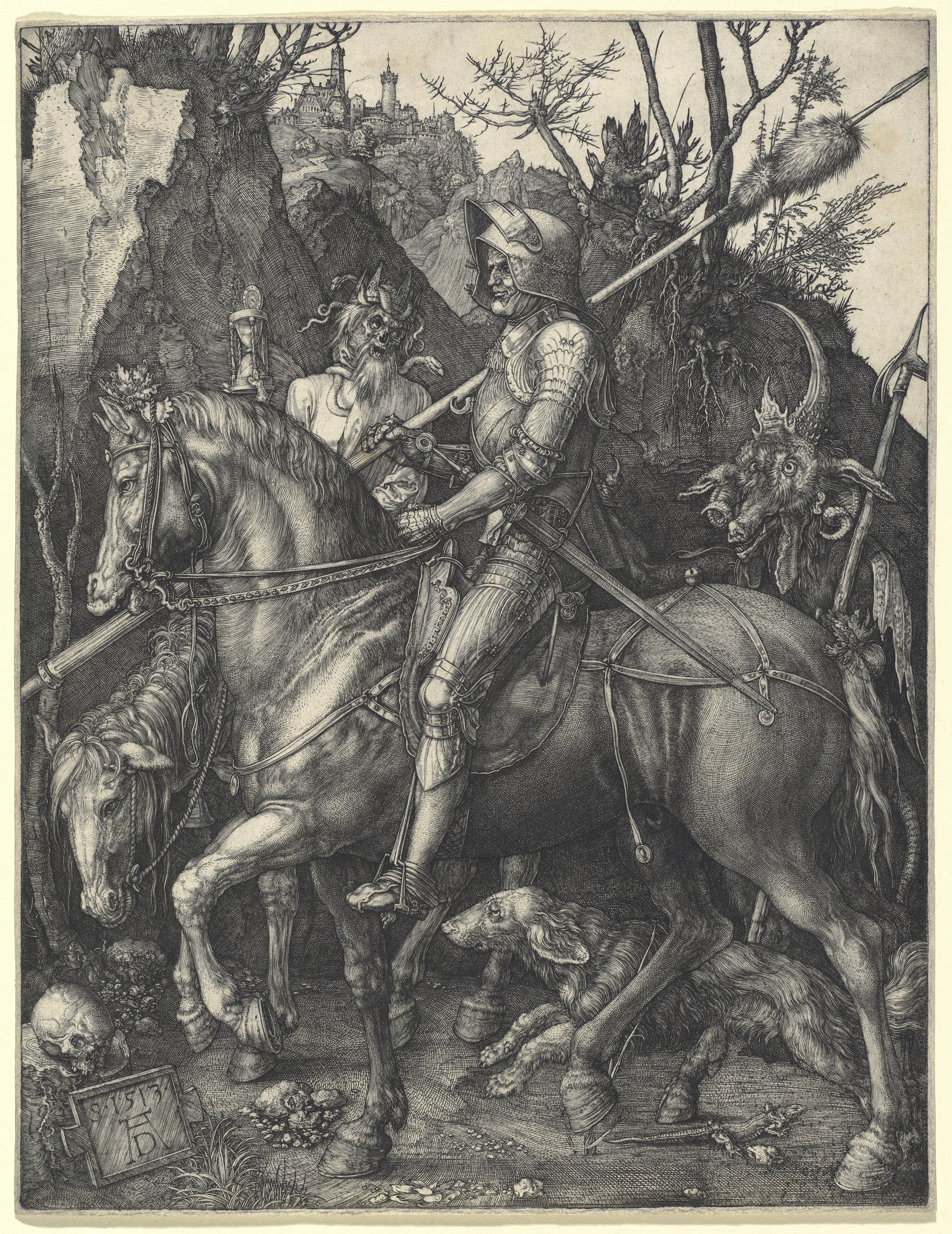
The Armor of God: What Ephesians 6 Actually Describes
Ephesians 6 is not a metaphor for moral self-improvement. It is a combat manual for people Paul believes are fighting a real war against real adversaries in real heavenly places.
 2026-05-15
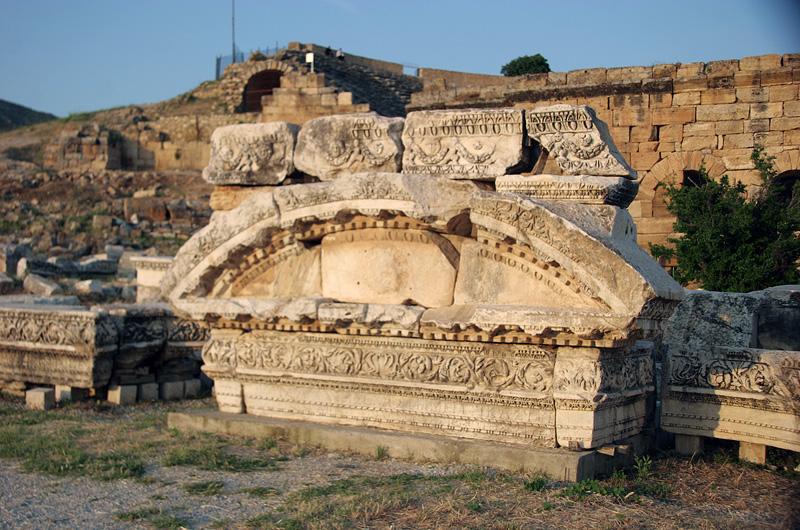
The Septuagint: How the Greek Old Testament Shaped Christianity
Before the New Testament existed, Jesus, Paul, and the apostles quoted Scripture from a Greek translation made in Alexandria. The Septuagint was not a translation the Church adopted — it was the Bible the Church was born reading.
 2026-05-15
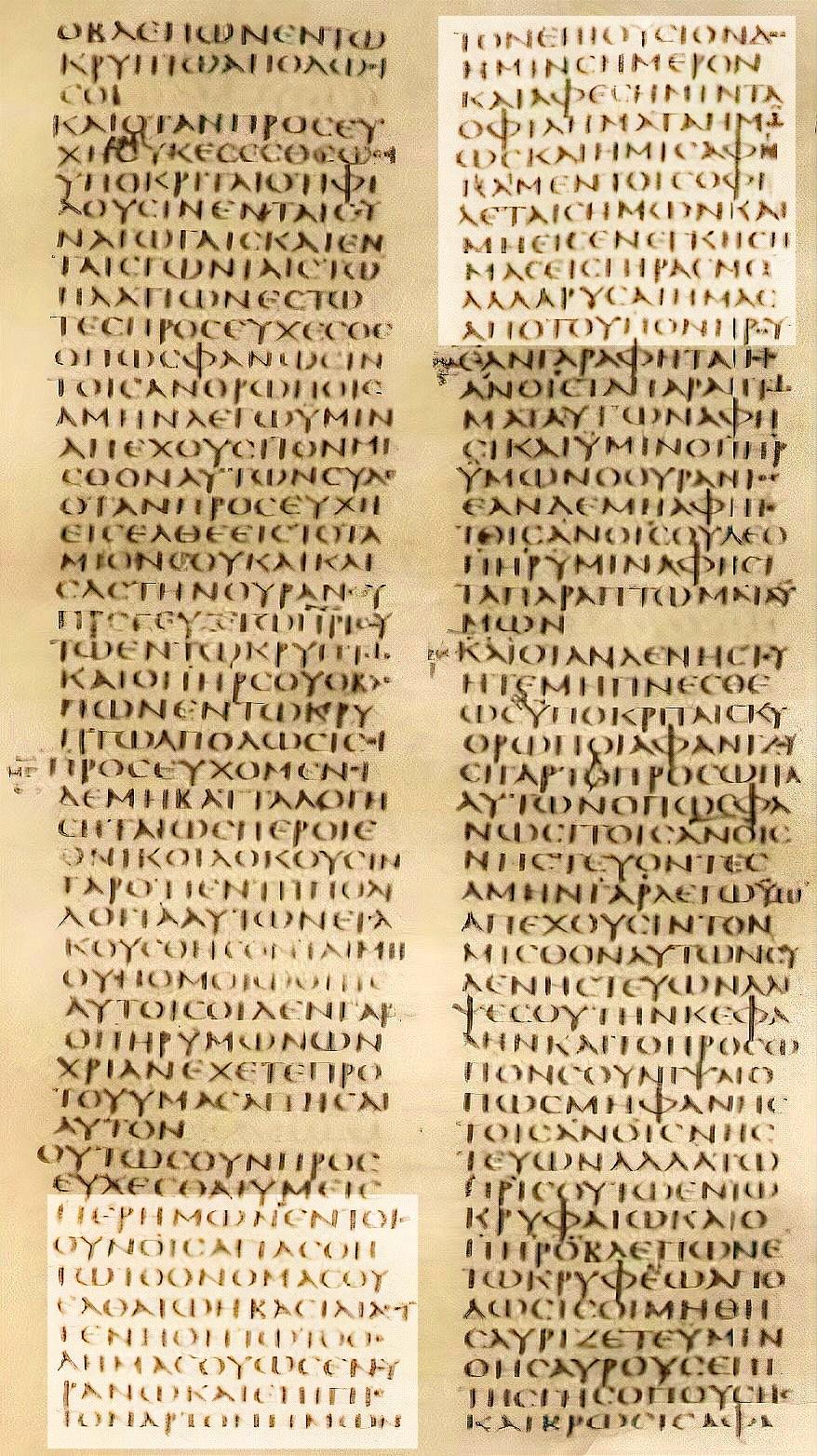
Montanism: When Prophecy Claimed to Exceed the Apostles
Montanus claimed the Holy Spirit was speaking through him with a new and final revelation that completed what the apostles had left unfinished. The Church's rejection of his movement defined something essential about how Christian authority works.
 2026-05-15
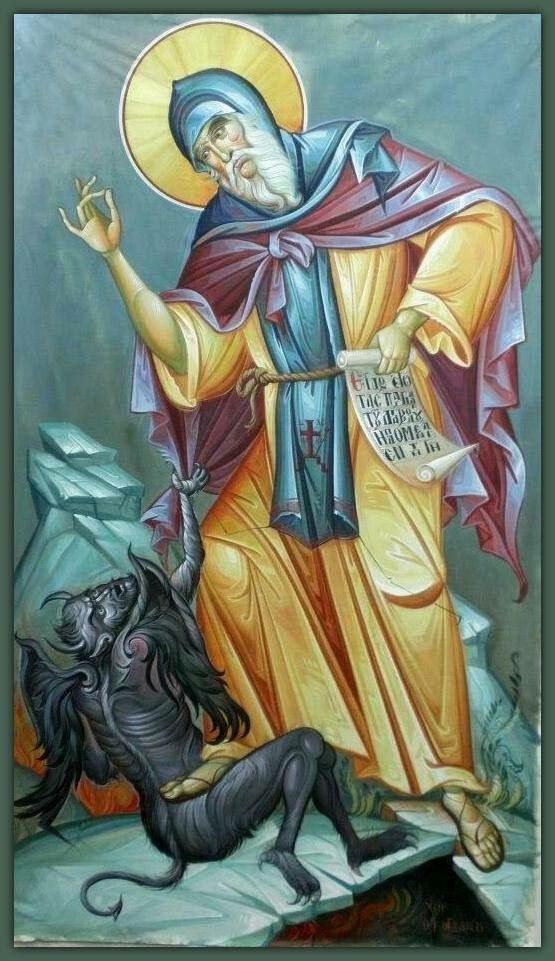
The Codex Sinaiticus: The Manuscript That Shaped the Bible
Discovered in a monastery on Mount Sinai in the 1840s, the Codex Sinaiticus is the oldest complete manuscript of the New Testament. Its story is one of survival, controversy, and the providential transmission of the faith.
 2026-05-15
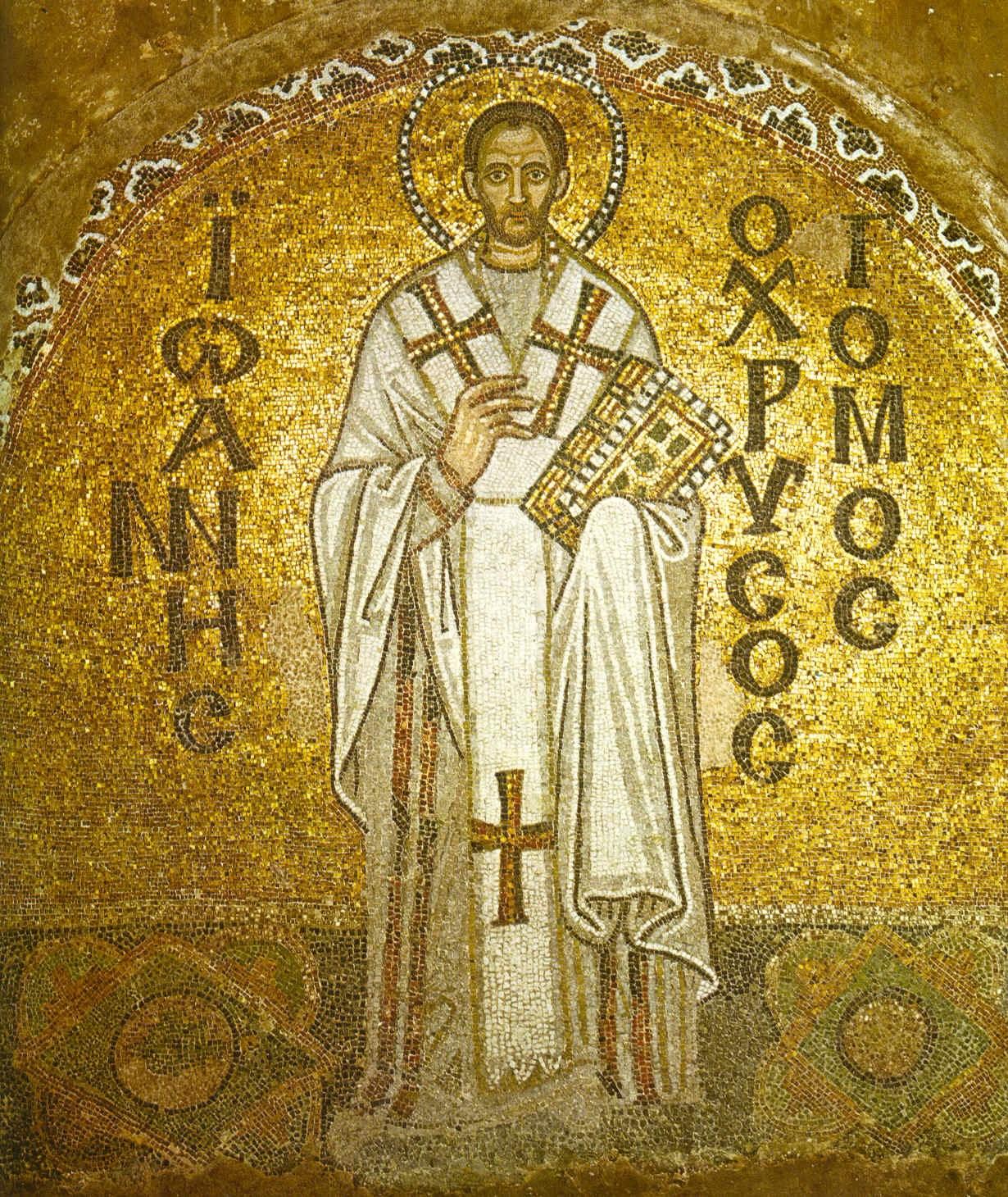
The Desert Fathers and the Anatomy of Temptation
The Desert Fathers did not flee the city to find peace. They fled to find the battle. Antony, Evagrius, and the other Abbas of Egypt developed the most rigorous account of spiritual warfare the Church has ever produced.
 2026-05-15
John Chrysostom: The Preacher Who Wouldn't Stop
John Chrysostom was the greatest preacher of the ancient Church. He was twice exiled for saying what the faith required him to say. He died on a forced march in 407 AD. The Church has never stopped reading him.
 2026-05-15
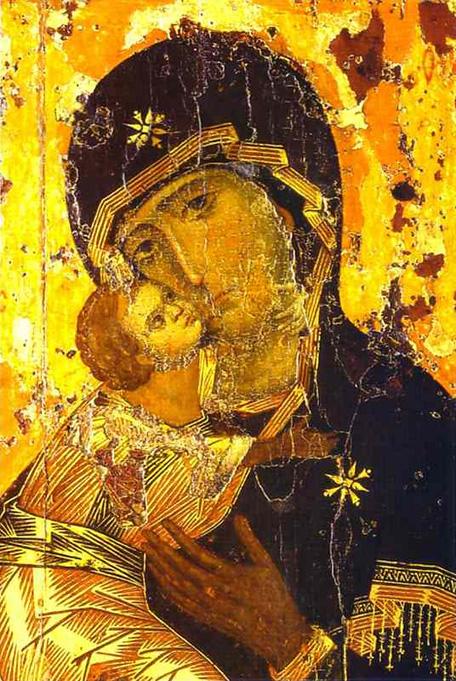
The Theotokos: Why Mary's Title Is a Claim About Christ
The title 'Theotokos' — God-bearer — was not primarily a statement about Mary. It was a statement about the identity of her son. Nestorius refused it. The Council of Ephesus defined it.
 2026-05-15
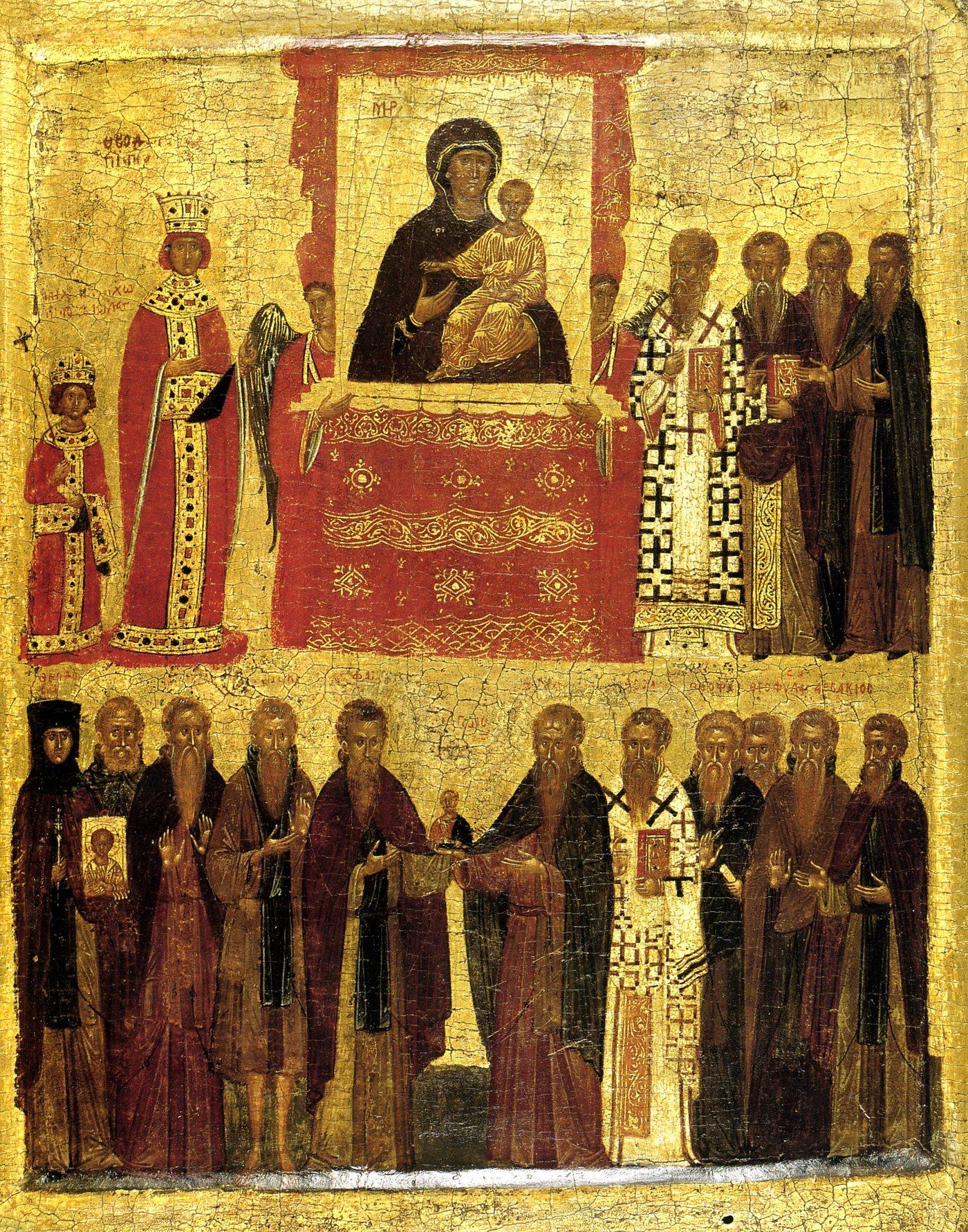
Icons Are Not Idols: The Theology of the Seventh Ecumenical Council
The Iconoclast controversy was not about whether Christians were attached to paintings. It was about whether the Incarnation was real.
 2026-05-15
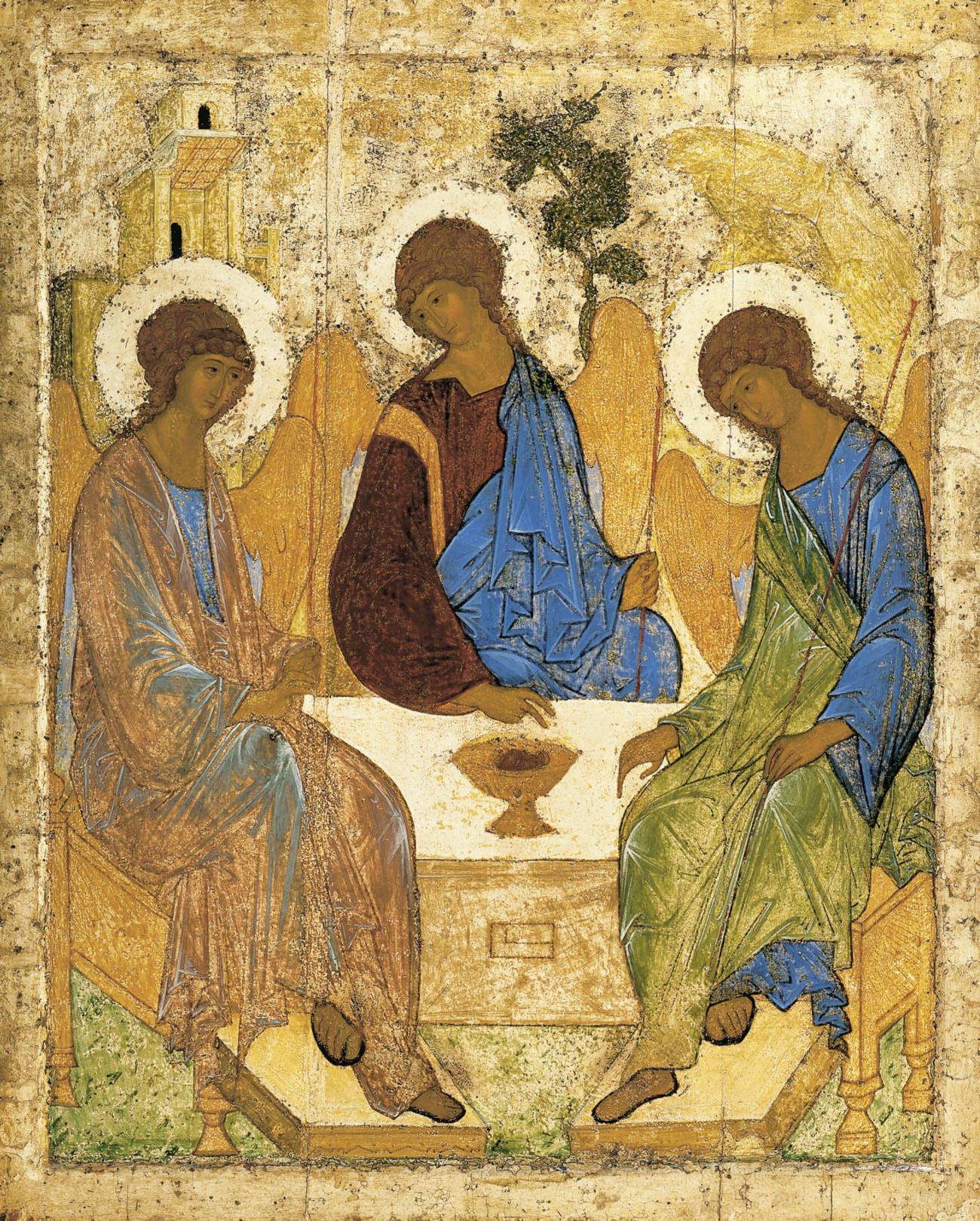
Rublev's Trinity: The Icon That Stopped the Theologians
Andrei Rublev painted the Trinity around 1425 AD. Theologians have been unable to exhaust it since. This is not a compliment to the art. It is a statement about the subject.
 2026-05-15
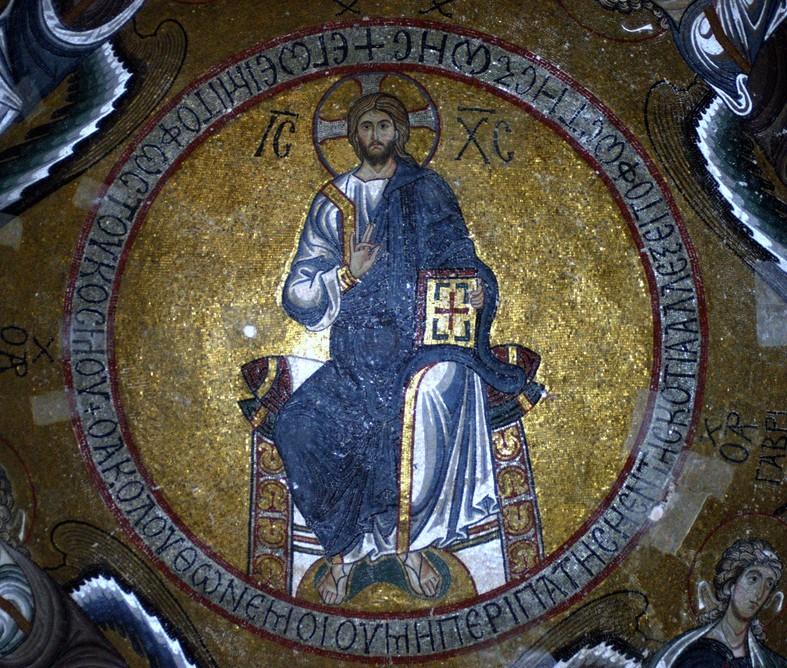
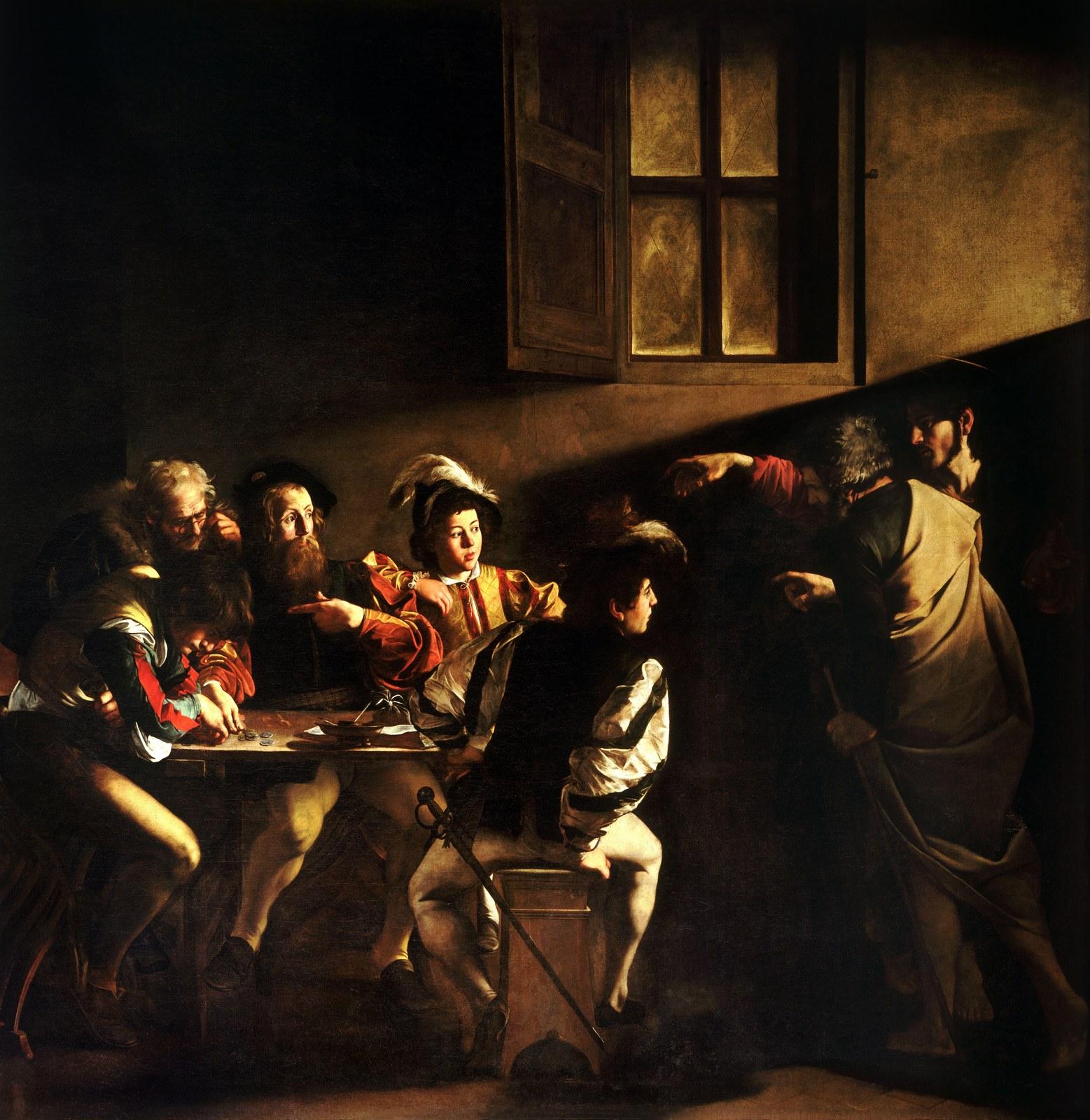
Christ Pantocrator: The Face That Refuses to Flatter
The Pantocrator mosaic at Daphni is the most unsettling image in Byzantine art. That is entirely the point. It depicts not the Jesus of modern devotional imagination but the Judge of the living and the dead.
 2026-05-15
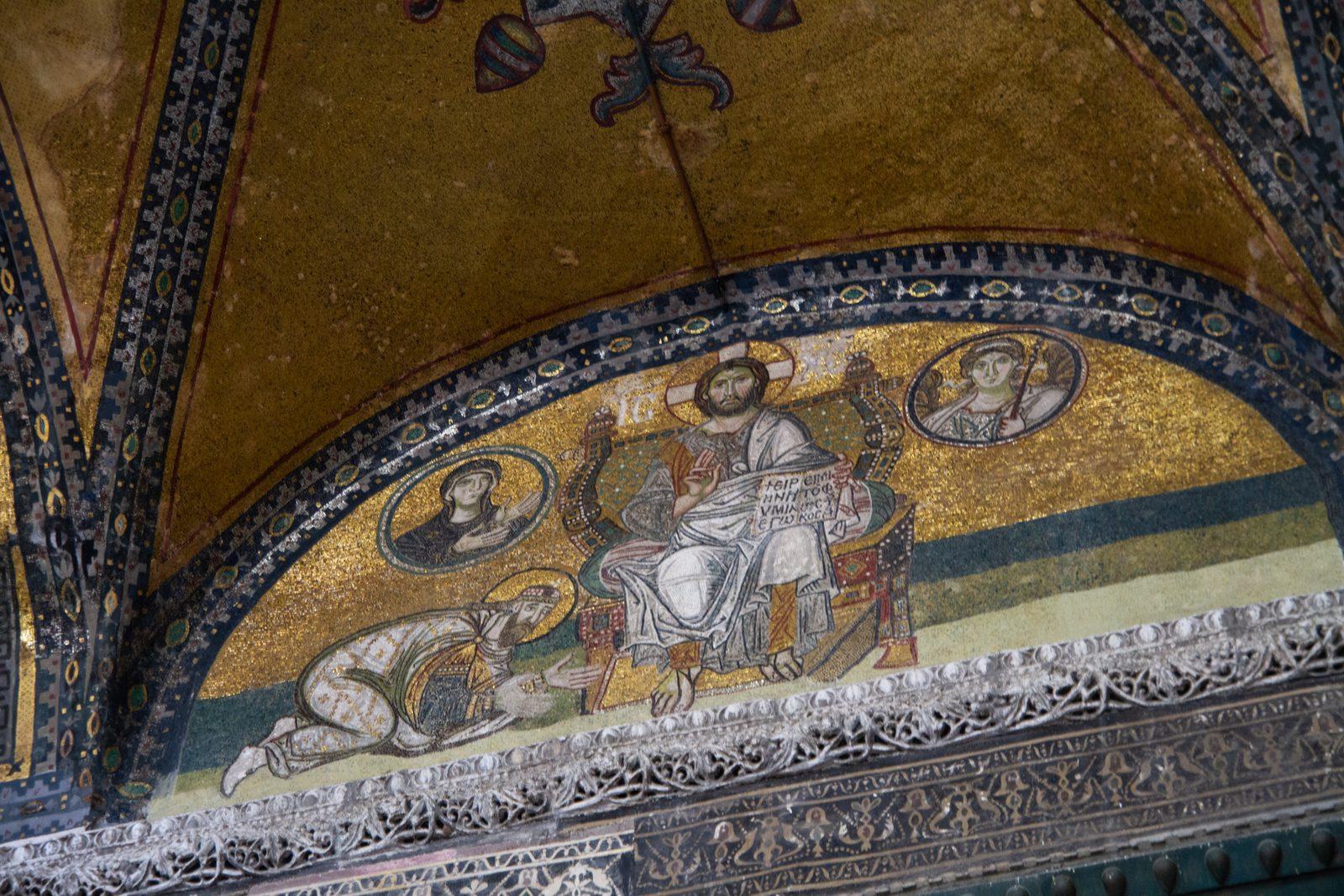
Caravaggio's Calling: The Moment Before Yes
Caravaggio painted The Calling of Saint Matthew in 1600. He hid the miracle inside an ordinary room, in ordinary light, with ordinary men — and that is the point.
 2026-05-15
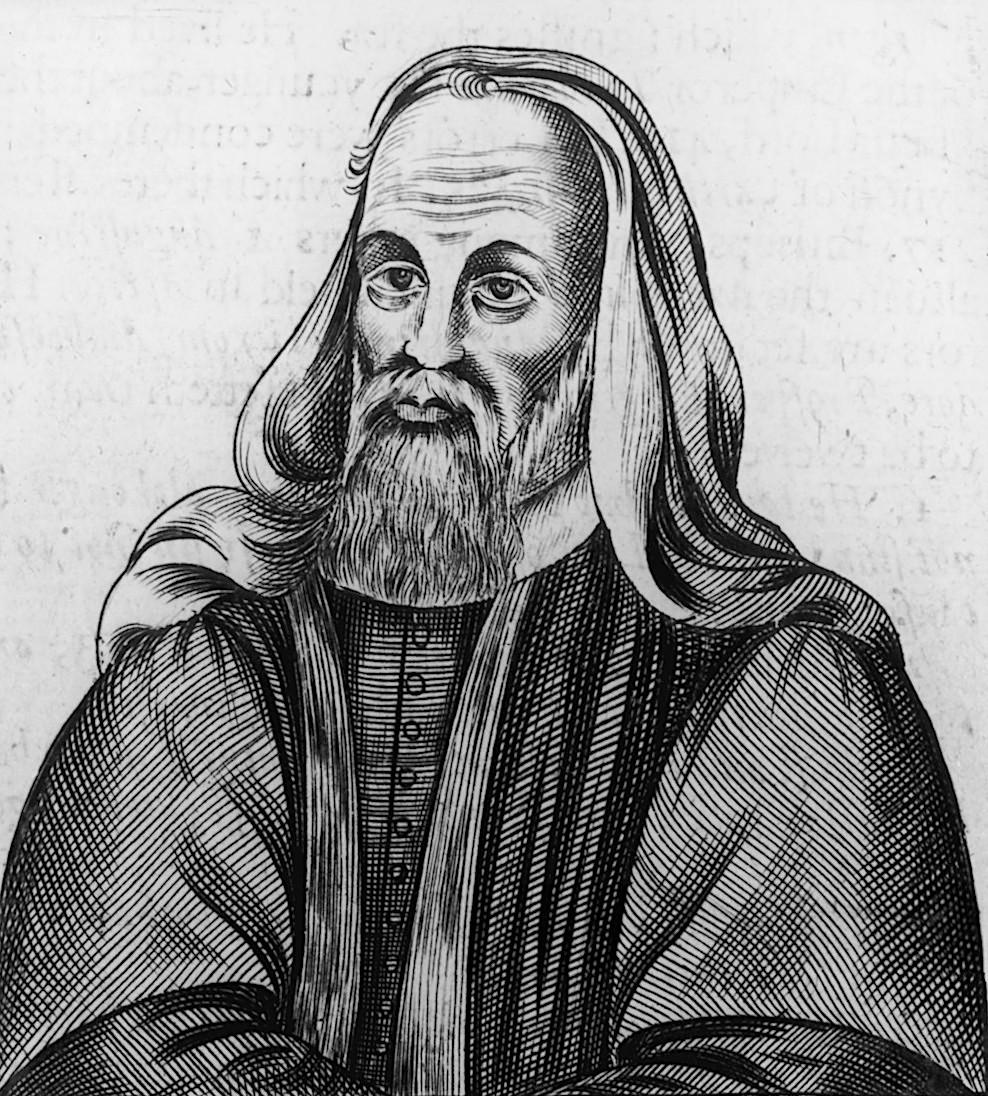
Hagia Sophia: When Architecture Became Theology
Justinian's architects solved a problem no one had solved before: how to suspend a dome weightlessly above a vast rectangular nave. The result was a building that did not illustrate Christian theology. It enacted it.
 2026-05-14
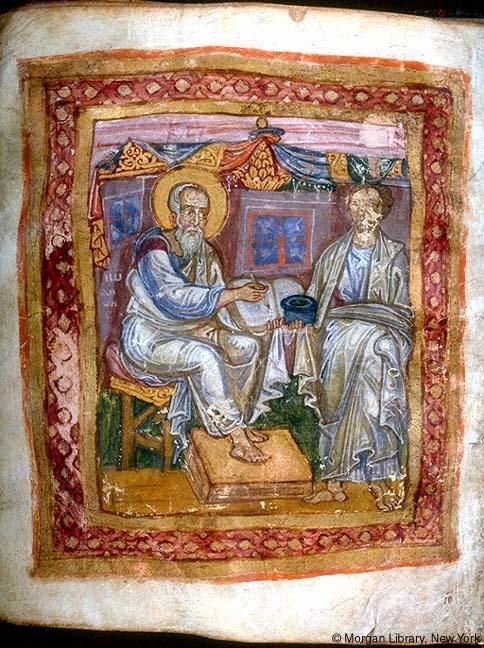
Pelagius vs. Augustine: The War Over Grace
Pelagianism is the theology of human capability. Augustine's response is still the most precise account of grace, sin, and freedom that Christian theology has produced.
 2026-05-14
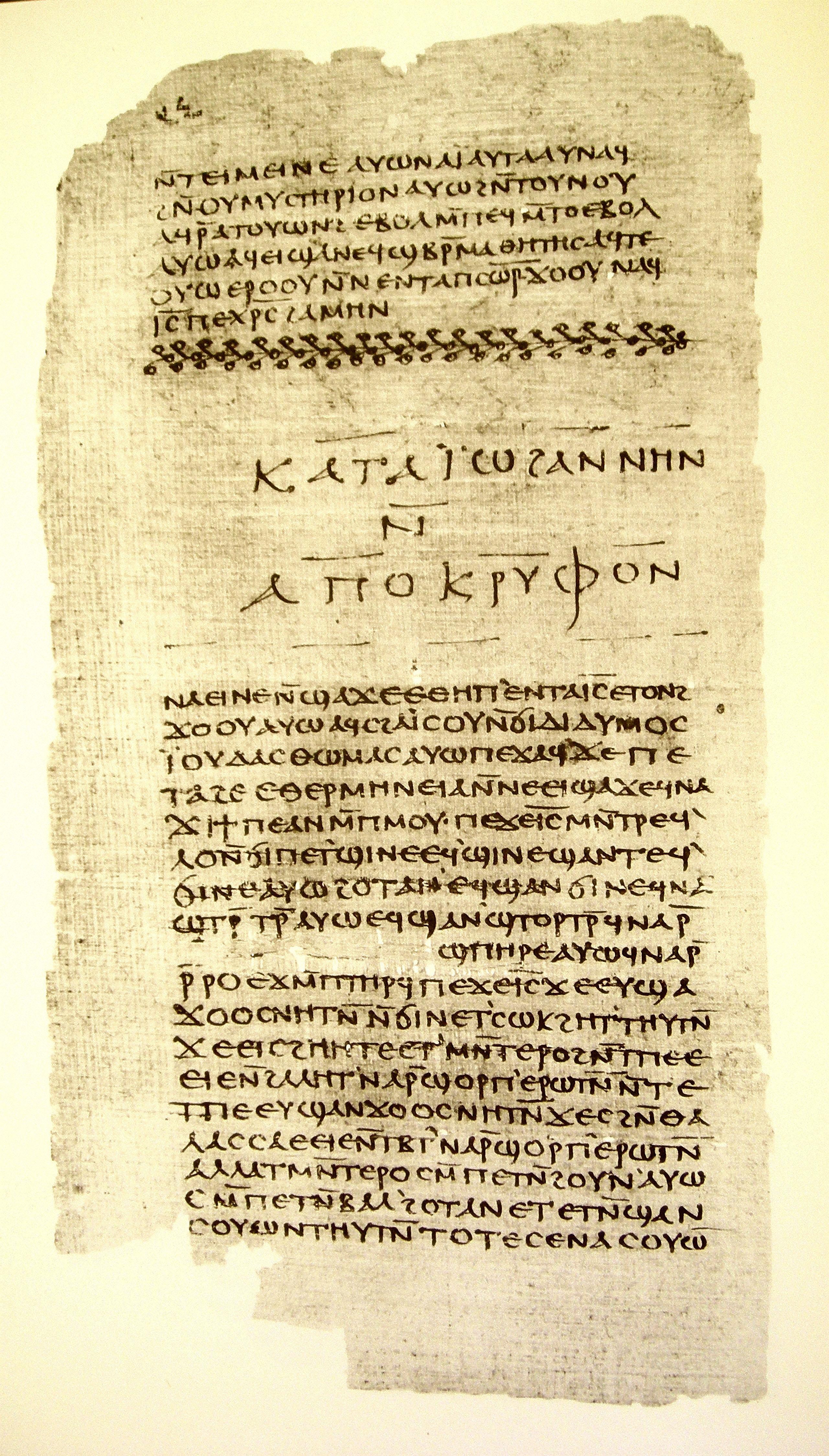
Marcion and the God He Refused to Accept
Marcion of Sinope believed the God of the Old Testament was a different — and lesser — deity than the Father of Jesus Christ. His solution was a Bible without the Old Testament.
 2026-05-13
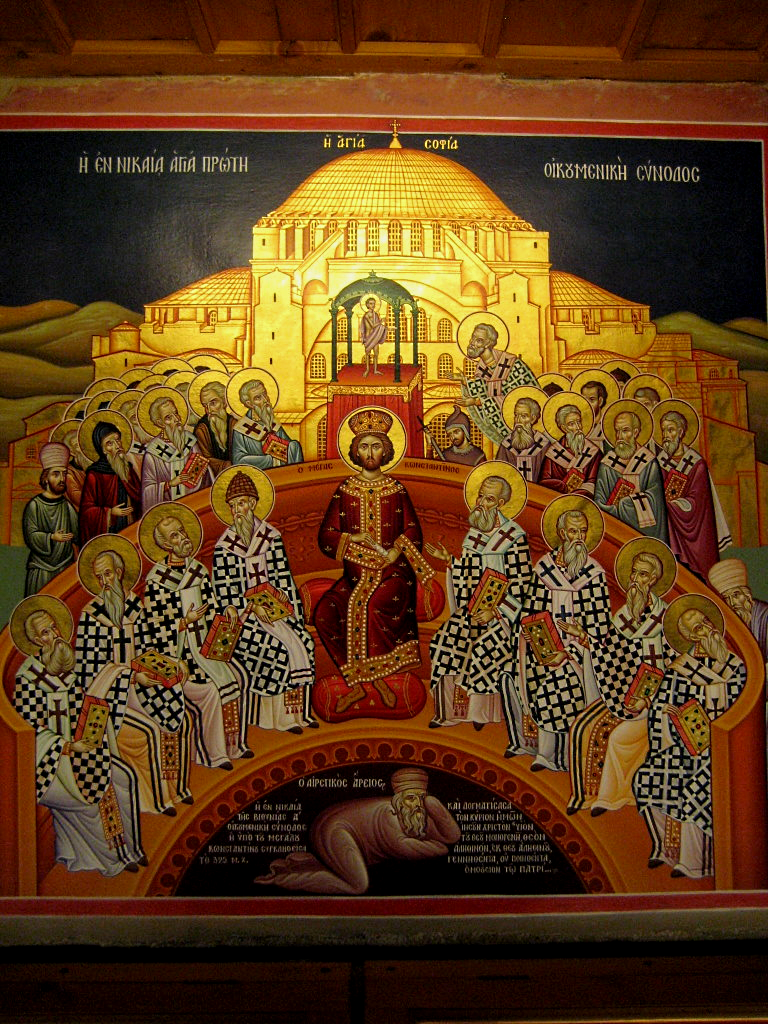
The Gnostic Jesus: What Irenaeus Understood and We Have Forgotten
Gnosticism offered a Jesus who escaped the material world. Irenaeus spent twenty years explaining why that Jesus cannot save anyone.
 2026-05-12
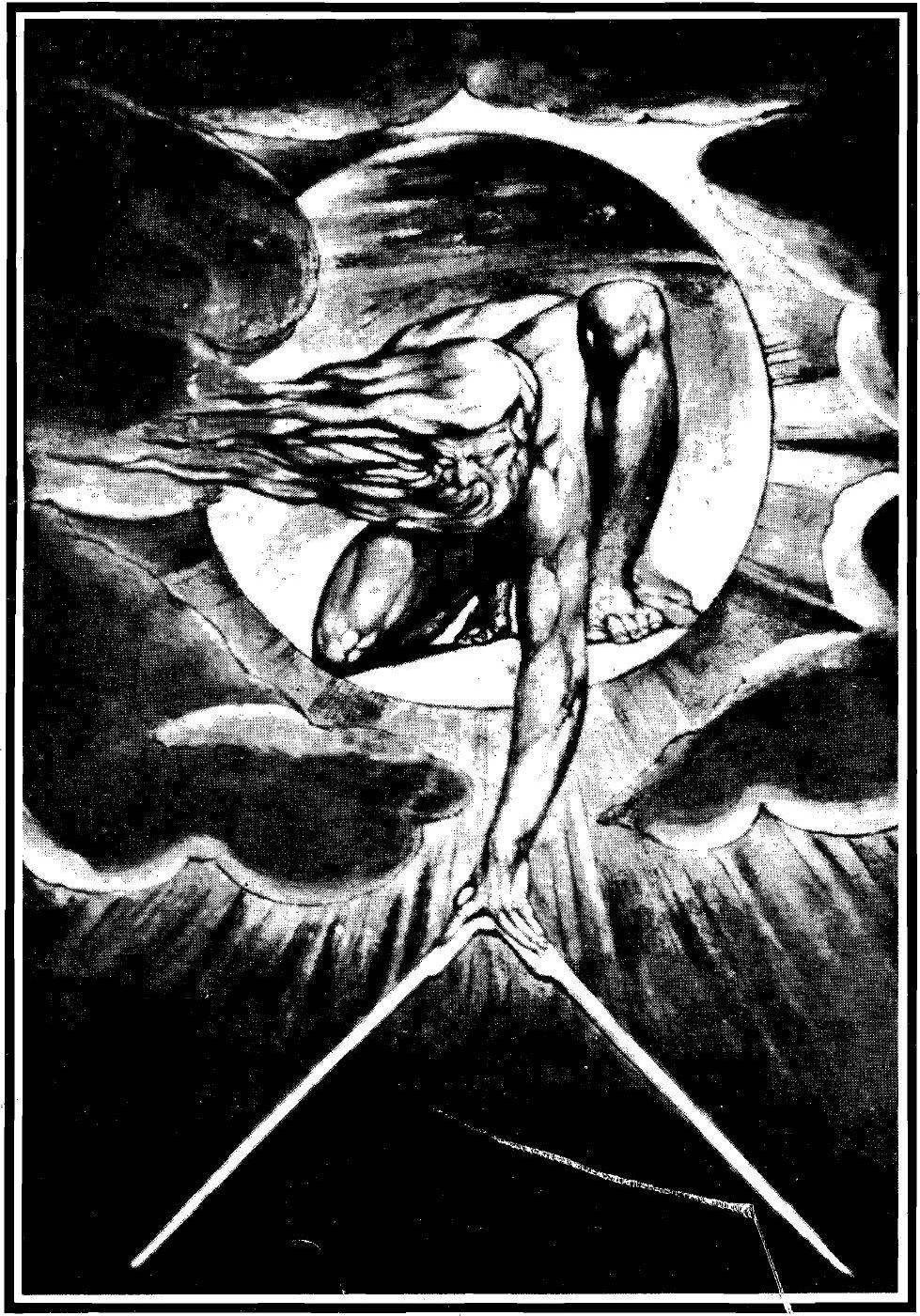
Arianism: The Heresy That Almost Won
Arianism was not a fringe position. For decades it controlled the Church's institutions, filled the episcopal sees, and nearly became Christianity's permanent confession.
 2026-05-11
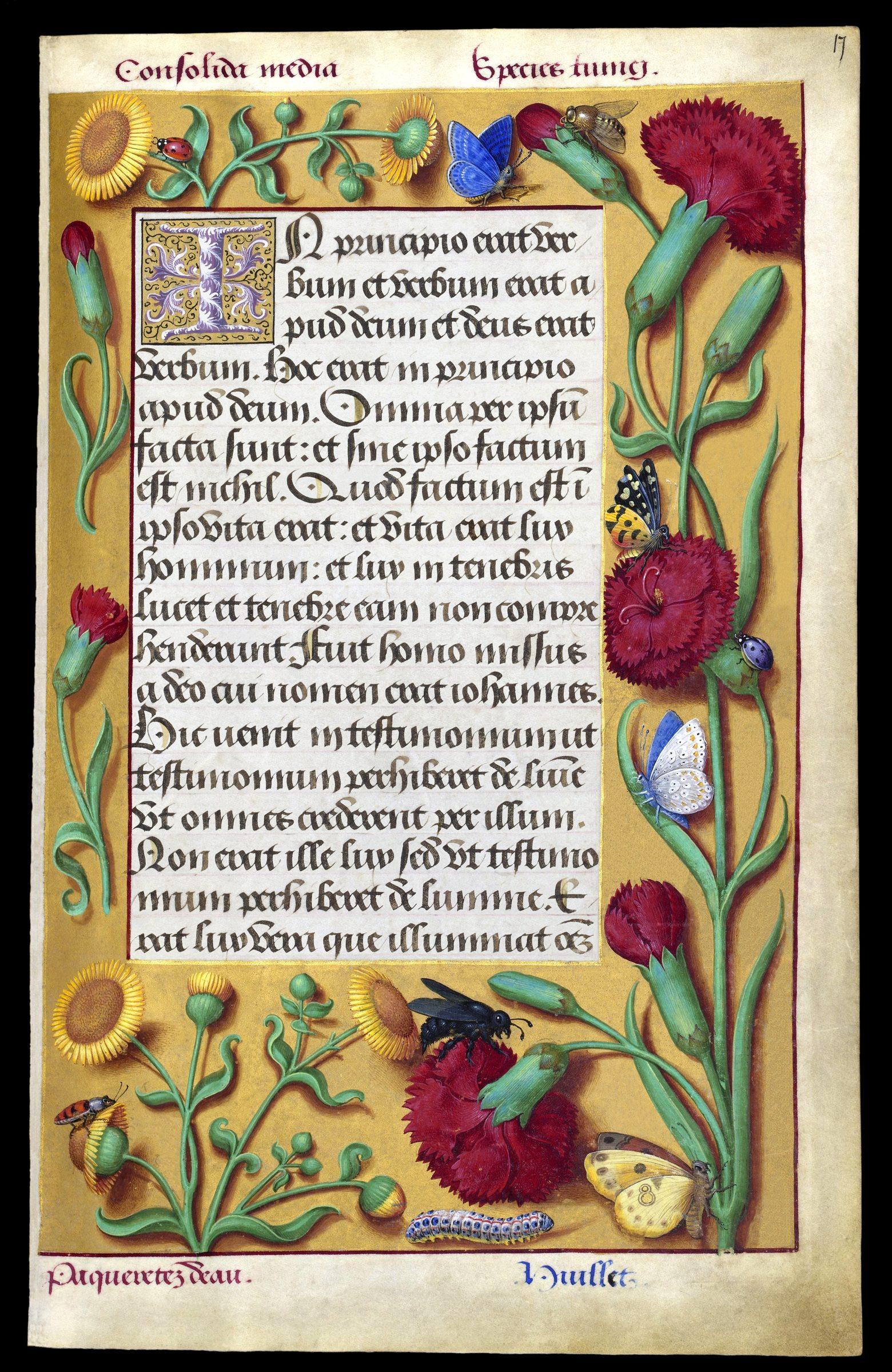
The Divine Council: What the Old Testament Actually Describes
The Bible's cosmology is not primitive monotheism. It is a complex architecture of divine beings, delegated authority, and cosmic rebellion.
 2026-05-10
The Logos Before Physics Knew the Word
John 1 is not pre-scientific poetry. It is the most precise cosmological claim in ancient literature.
 2026-05-09
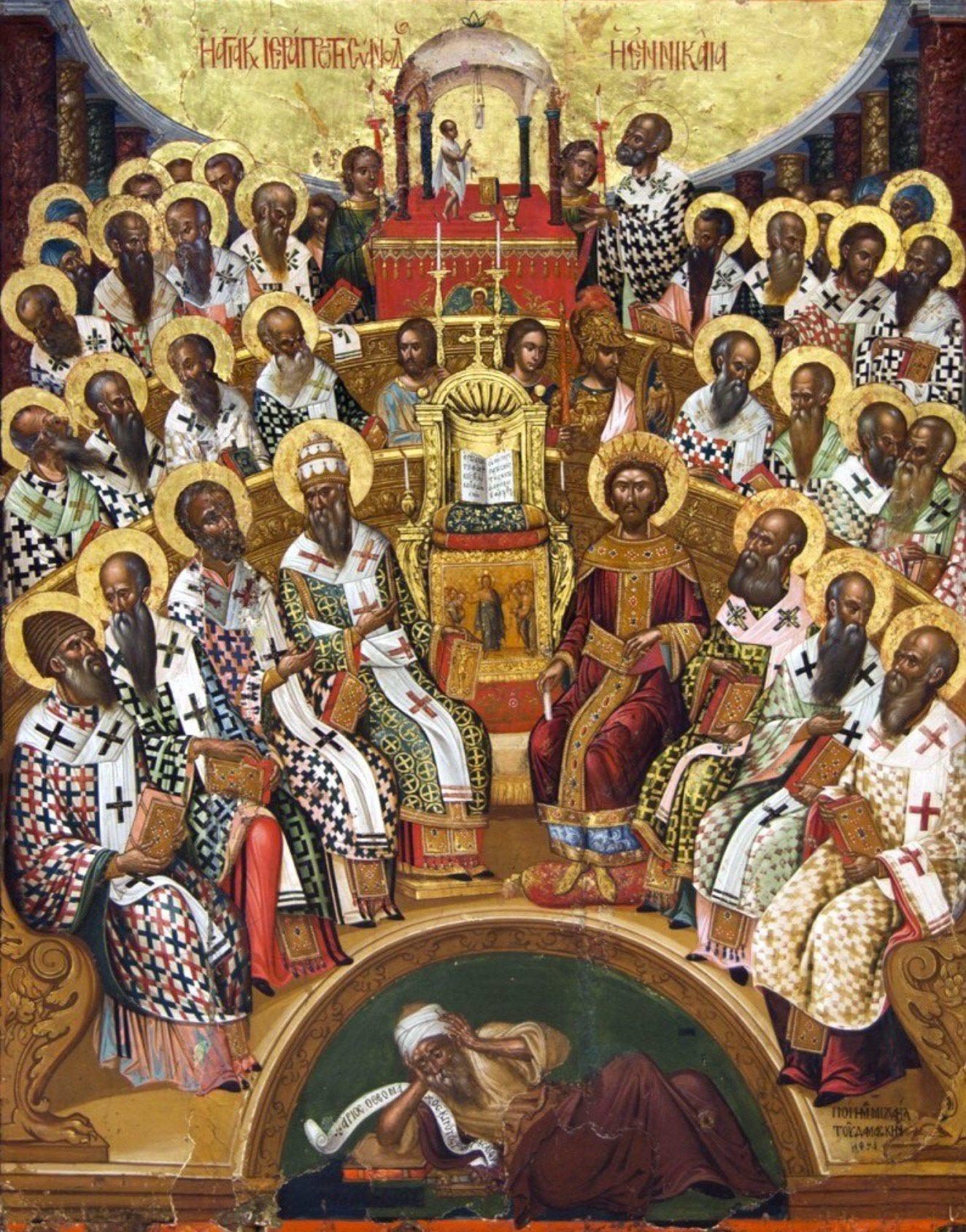
Nicaea: What Was Actually at Stake
The Council of Nicaea in 325 AD was not an argument about words. It was an argument about whether salvation is real.
 2026-05-08
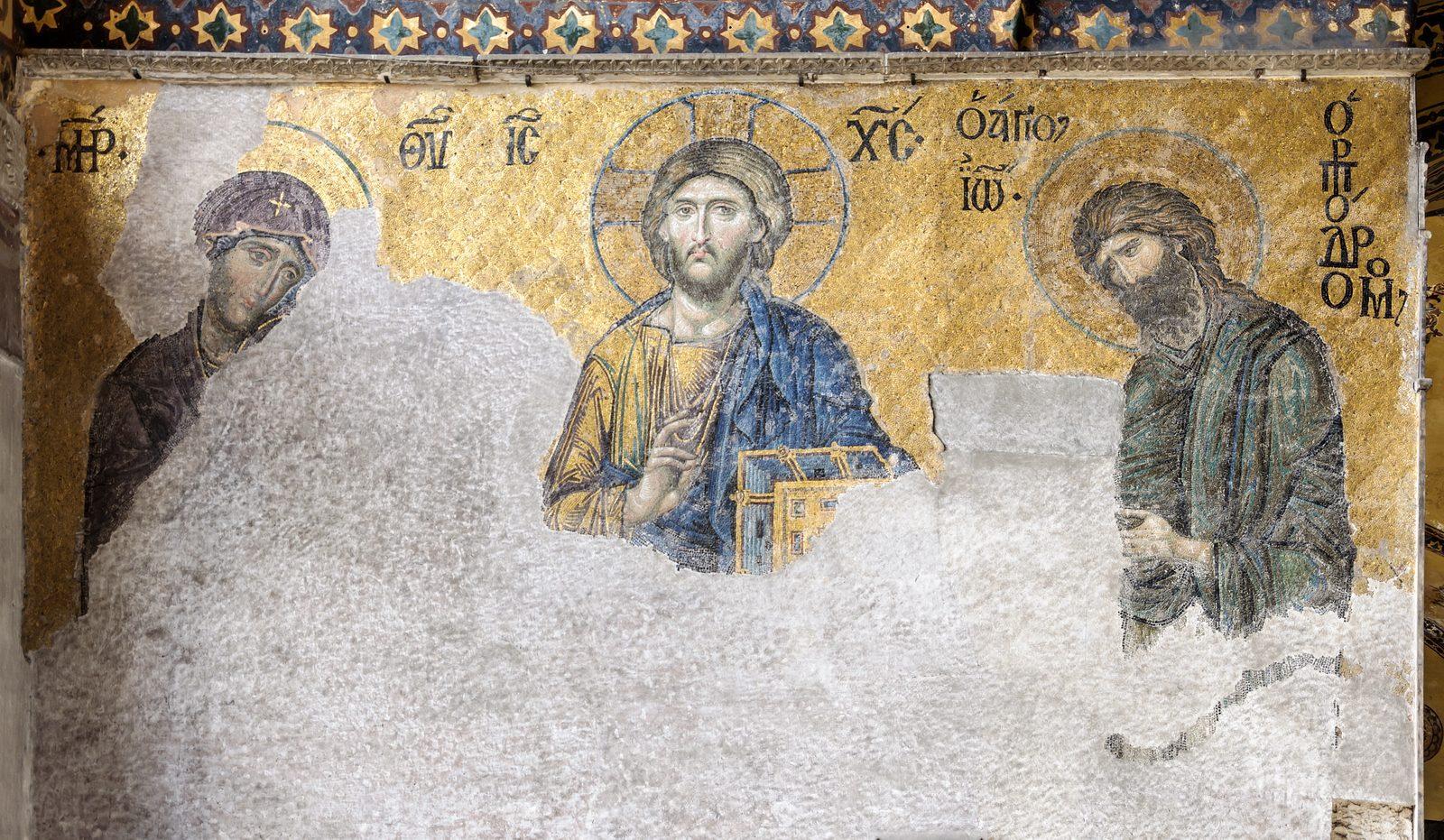
How to Read Icons Without Flattening Them
A practical guide to icons as theological language rather than religious decoration.